27 July، 2025
Specialized electronic courses within the project to restore the Central Library of the University of Mosul
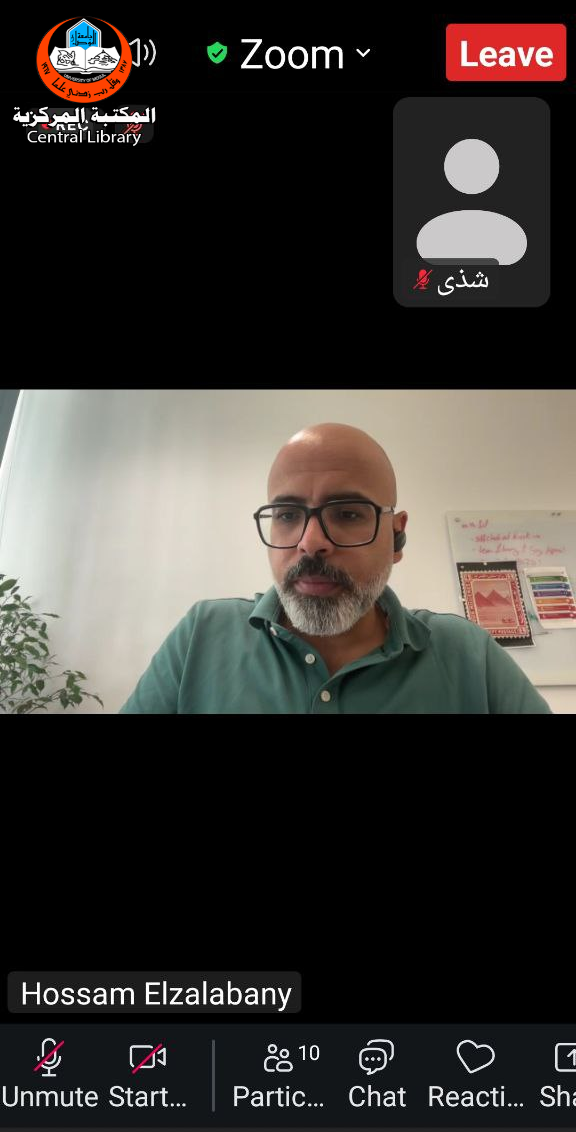
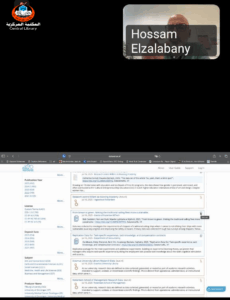
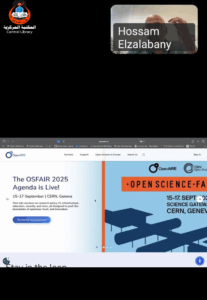
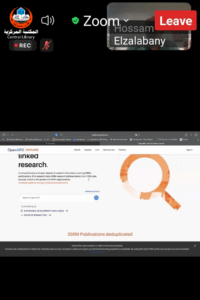
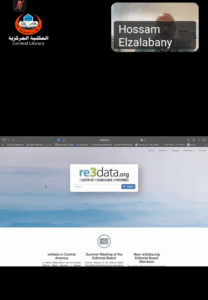
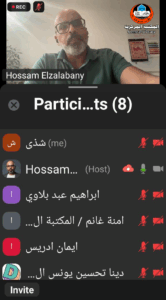
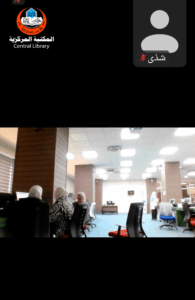
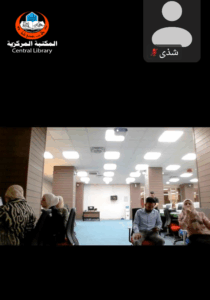
In the implementation of the directives of the Honorable President of the University of Mosul, Professor Dr. Wahid Al-Ibrahimi, on the necessity of supporting the technical staff and developing their skills as one of the basic pillars for the advancement of the university and within the the Central Library Restoration Project implemented by UNESCO, a number of members of the Central Library of the University of Mosul participated in the two electronic courses entitled the first “Open Sciences” and the second “On the Koha System and its Management Mechanism” for the period from July 10 to 24, 2025 The first session was delivered by Dr. Mohamed Al-Zalbani, Capacity Building Consultant at UNESCO and Assistant Professor of Information Science, Cairo University, and the second session was delivered by Dr. Mohamed Al-Zalbani, Management Systems Consultant
Libraries, founder of the First Egyptian Vision Company, and Ms. Farah Ashraf Fahmy, Director of Customer Service at the First Egyptian Vision Company
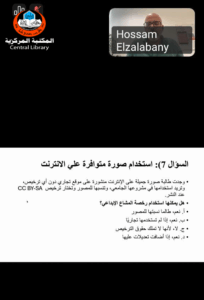
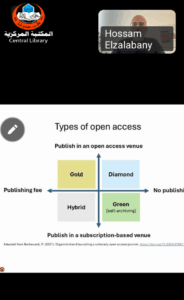
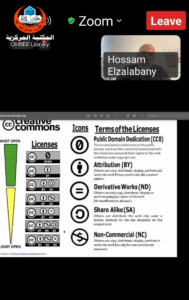
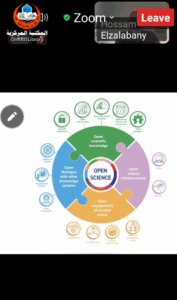
The first course covered introducing academic librarians to the principles and practices of open science, a modern global trend that promotes transparency, participation, and free access to scientific knowledge. Through this course, participants will learn about basic concepts such as open access and open data, as well as the advanced roles that libraries can play in supporting open scientific research inside their institutions. The course included interactive lectures, practical examples, and group discussions that help participants earn practical skills that enable them to support researchers and develop their library services in line with open science standards, which aim to build specialized professional capabilities that contribute to promoting innovation, expanding the circle of academic influence, and achieving justice in access to knowledge.
While the second session dealt with
– Explaining the role of the index in the system, index advanced and normally, and using different filters in the search) such as: author, title, topic, year, displaying and exporting data, and interacting with the index through the user interface.
– Users: How to set up and manage users within the system, user access permissions settings.
– Lending: How to lend books, book, renew loan and loan without contact
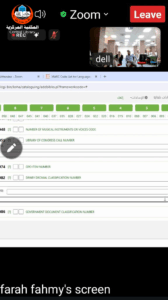
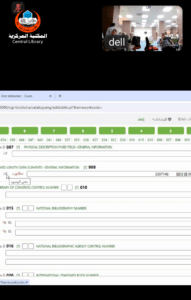
– Definition of the indexing system followed in Koha Vocabulary or MARC format, how to add index how to browse the catalog, how to search the
data correctly (title, author, topic, etc.),
– The importance of relying on other databases such as bibliographic information databases, dealing with dates, special terms, reviewing records carefully, and explaining types of reliance such as objective reliance and authorial reliance.
– Introducing the various tools in the Koha system, such as: determining library vacations, importing the users browsing system records, how to prepare various reports, loan reports, records reports, statistics reports, customizing reports to suit users’ needs, and statistics reports to monitor performance.
– Management: Configure the system and advanced system settings, customize system settings according to the organization’s needs, manage the various policies, branches and libraries in the system.
These courses consider an important step towards the digital transformation at the Central Library, which will contribute to preserving the cultural and scientific heritage and making the digital resources available to the researchers and students. This will strengthen the library’s role as a primary source of knowledge and innovation. These efforts are part of the university’s vision to achieve the comprehensive digital transformation and develop an integrated educational and research environment that serves the academic community and keeps up with the global developments