24 June، 2025
Training Course on the Negative Impacts of Corruption on Academic and Professional Work within the Framework of Sustainable Development Goals
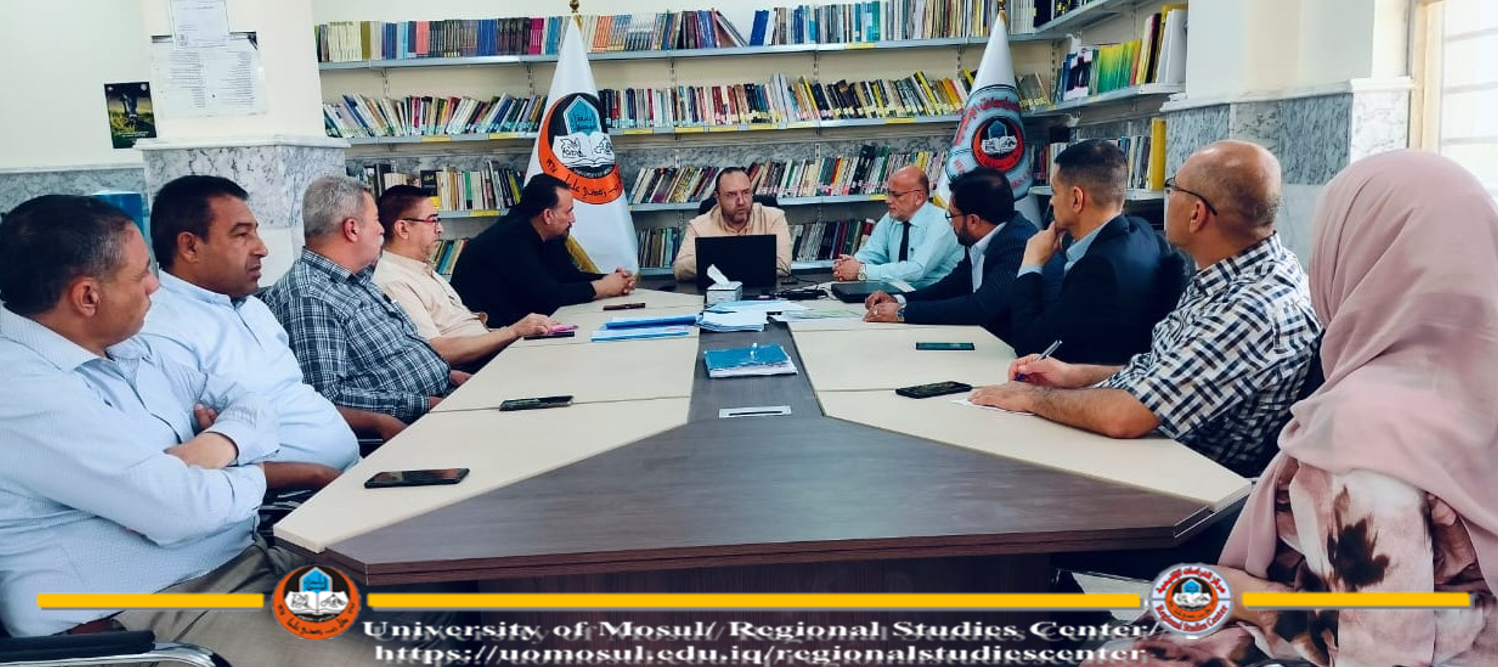
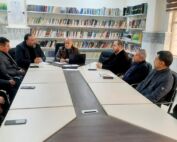
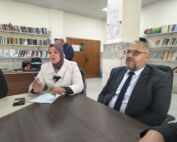
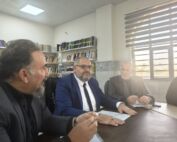
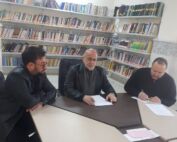
In line with promoting the values of transparency and integrity and in alignment with the Sustainable Development Goals (SDGs)—particularly Goal 8 (Decent Work and Economic Growth), Goal 10 (Reduced Inequalities), and Goal 16 (Peace, Justice, and Strong Institutions)—the Regional Studies Center, in collaboration with the Sustainable Development Unit at the University Presidency, organized a training course titled “The Negative Repercussions of Corruption on Academic and Professional Work.” On the second day, June 23, 2025, the lecture was delivered by Prof. Dr. Mohammad Abdulrahman Al-Obaidi.
The course aimed to raise institutional awareness about the dangers of corruption and its devastating effects on academic and professional work environments, while providing practical insights to mitigate its manifestations. This effort seeks to enhance the quality of higher education and entrench the values of transparency and integrity in state institutions. Prof. Dr. Mohammad Abdulrahman Al-Obaidi delivered an analytical lecture featuring real-world examples from university settings, demonstrating how corruption fosters an environment that drives away talent and undermines the principles of justice and equal opportunity.
The course concluded with a call to strengthen internal control systems, enhance transparency in administrative and academic procedures, and promote a culture of reporting corruption within a framework of legal protection. Participants recommended developing future action plans that align with the university’s anti-corruption policies to support the long-term achievement of sustainable development goals.