14 September، 2025
Regional Studies Center Discusses UN Security Council’s Position on Zionist Aggression Against Qatar
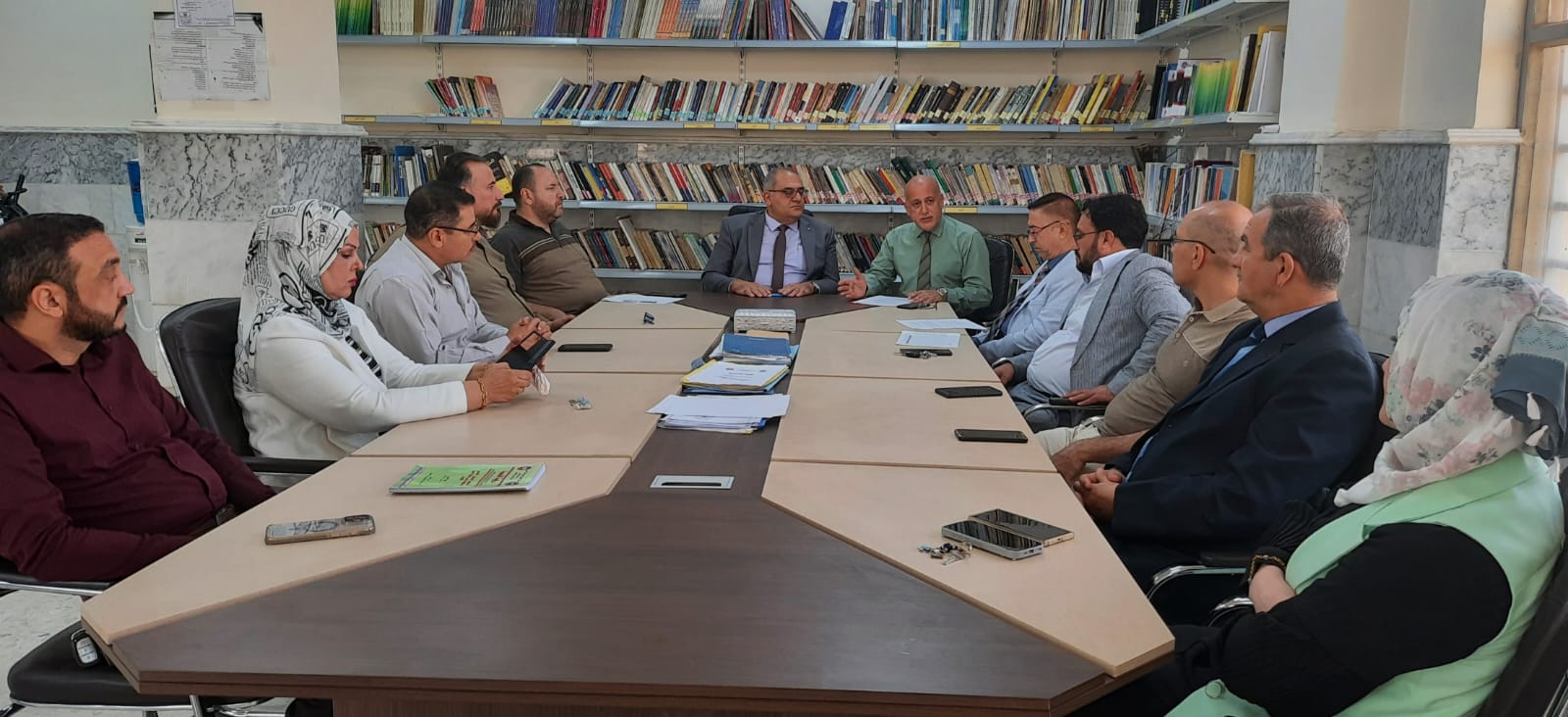
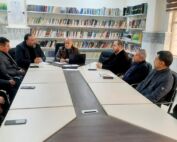
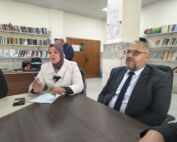
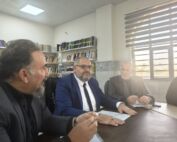
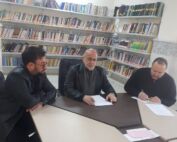
Regional Studies Center held a seminar on Sunday, September 14, 2025, addressing “the stance taken by the UN Security Council regarding the Zionist aggression against the State of Qatar”. Prof. Dr. Imad Kh. Ibrahim presented an in-depth legal analysis during the session, shedding light on the international dimensions of the Council’s response.
The speaker clarified that the condemnation issued was neither in the form of a Security Council Resolution nor a Presidential Statement, but rather came as a Press Statement, despite being released in a formal meeting rather than at a Press Conference. He stressed that this move undermines the gravity of the aggression and represents a clear violation of the UN Charter, particularly Article 24, which obliges the Security Council to assume its responsibility in maintaining international peace and security.
He further argued that reducing an armed aggression against a sovereign state to a mere “condemnation statement” constitutes an abdication of the Council’s role. Such a statement lacks any binding measures or executive procedures to determine the responsibility of the Zionist entity, provides no deterrent to halt the current aggression or prevent future ones, and fails to explicitly name the aggressor—effectively treating the act as a crime against an unknown perpetrator.
From a developmental perspective, the session highlighted that this discussion contributes to strengthening peace, justice, and strong institutions (Goal 16), promoting partnerships to achieve the goals (Goal 17), addressing reduced inequalities (Goal 10), and supporting quality education and awareness of international law (Goal 4, thereby reinforcing the role of academic research in serving the international community.
The discussion concluded that the Security Council’s stance reflects a clear double standard in international politics, underscoring the urgent need for academic institutions and research centers to play a stronger role in exposing such breaches and pushing for reform of the UN system to ensure justice and the protection of sovereign states.