18 November، 2025
Regional Studies Center Holds a Seminar on Defining Corruption in International Law Within the Framework of the National Anti-Corruption Strategy
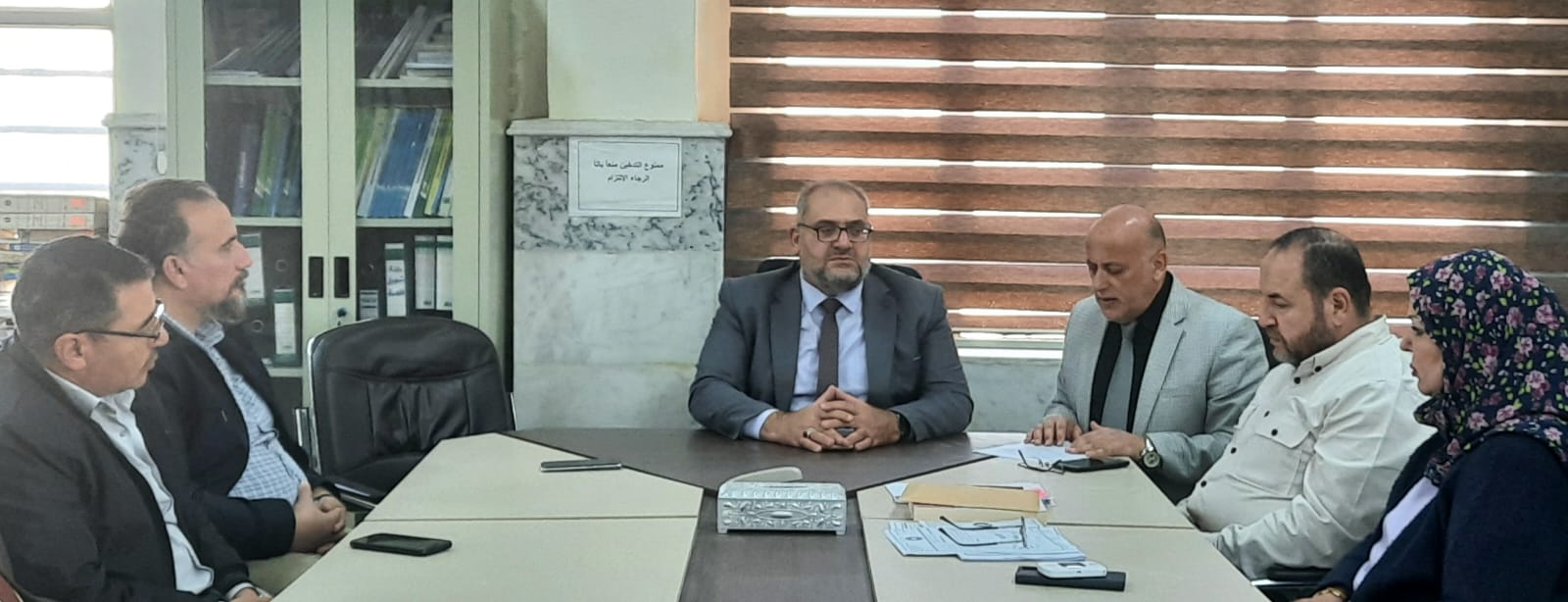
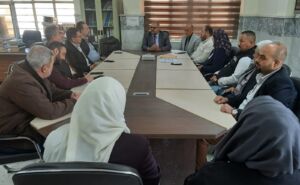
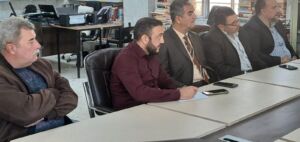
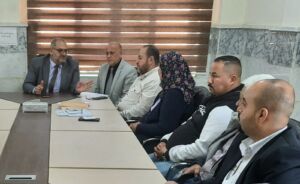
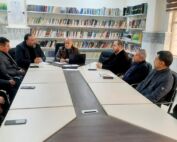
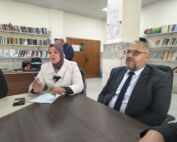
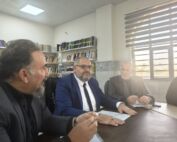
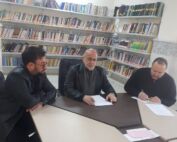
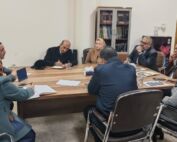
The Regional Studies Center at the University of Mosul held a scientific seminar today addressing the topic “Defining Corruption in International Law”. The session, presented by Prof. Dr. Imad Khalil Ibrahim, took place on Tuesday, 18 November 2025, in alignment with the National Anti-Corruption Strategy and in support of the role of academic institutions in strengthening national efforts to confront this phenomenon.
The speaker reviewed the most prominent international legal concepts related to the definition of corruption and the evolution of its conceptual framework in international conventions, particularly the United Nations Convention against Corruption (UNCAC). He emphasized the importance of harmonizing national efforts with international standards to ensure the effectiveness of integrity and transparency policies.
The seminar featured in-depth discussions on mechanisms to curb corruption and the role of research institutions in analyzing phenomena that threaten development and stability, in addition to the practical challenges of aligning national legislation with global developments in the field of anti-corruption.
This activity also supports several Sustainable Development Goals, most notably:
Goal 4: Quality Education – by raising legal awareness among researchers and those interested in integrity issues, and enhancing specialized knowledge.
Goal 16: Peace, Justice and Strong Institutions – by promoting transparency and supporting scientific efforts aimed at developing tools to combat corruption.
Goal 17: Partnerships for the Goals – by linking national efforts with international standards and fostering research and academic cooperation.
Through these activities, the Regional Studies Center seeks to make an effective contribution to building an institutional environment capable of combating corruption, guided by a scientific vision aligned with the state’s plans and the University of Mosul’s aspirations in community service.