16 June، 2025
The Council of the College of Tourism Sciences Holds Its Regular Session
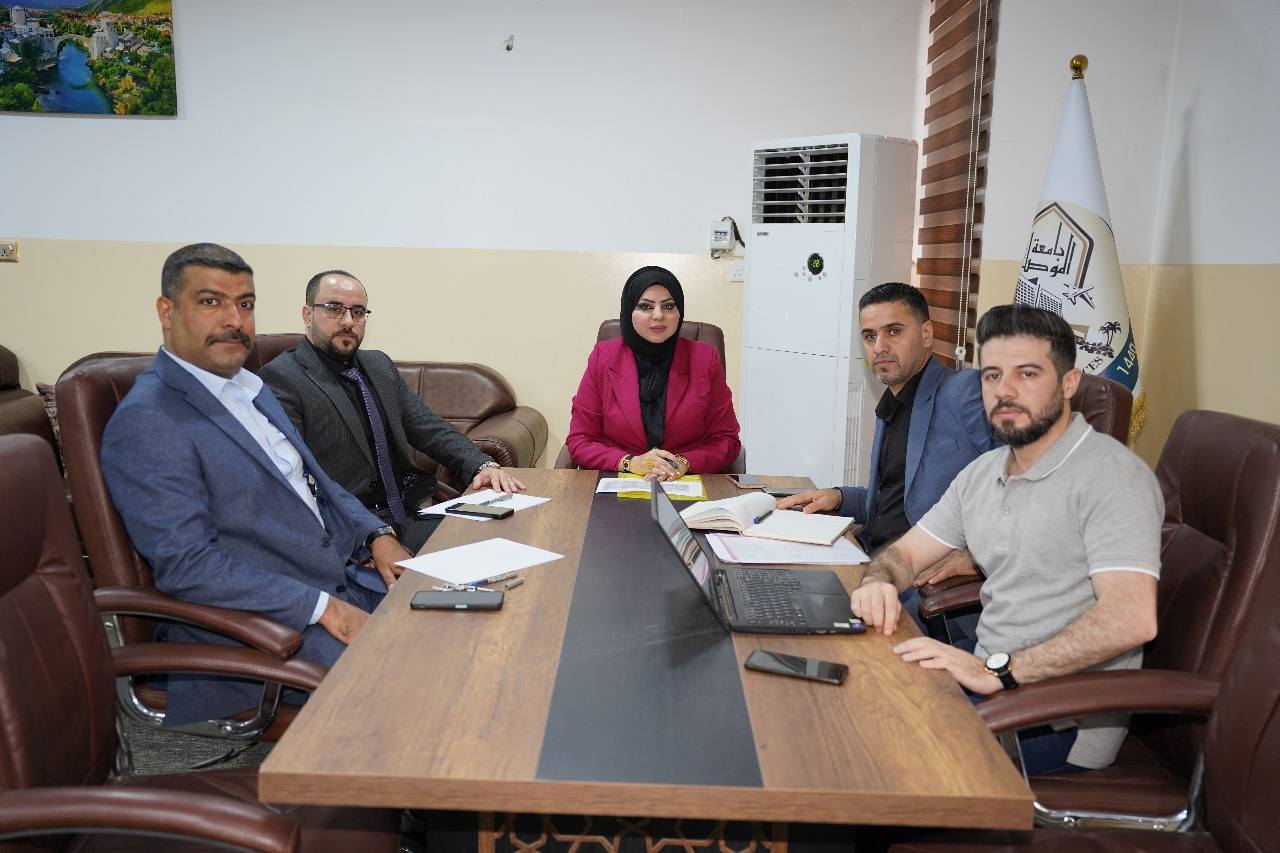
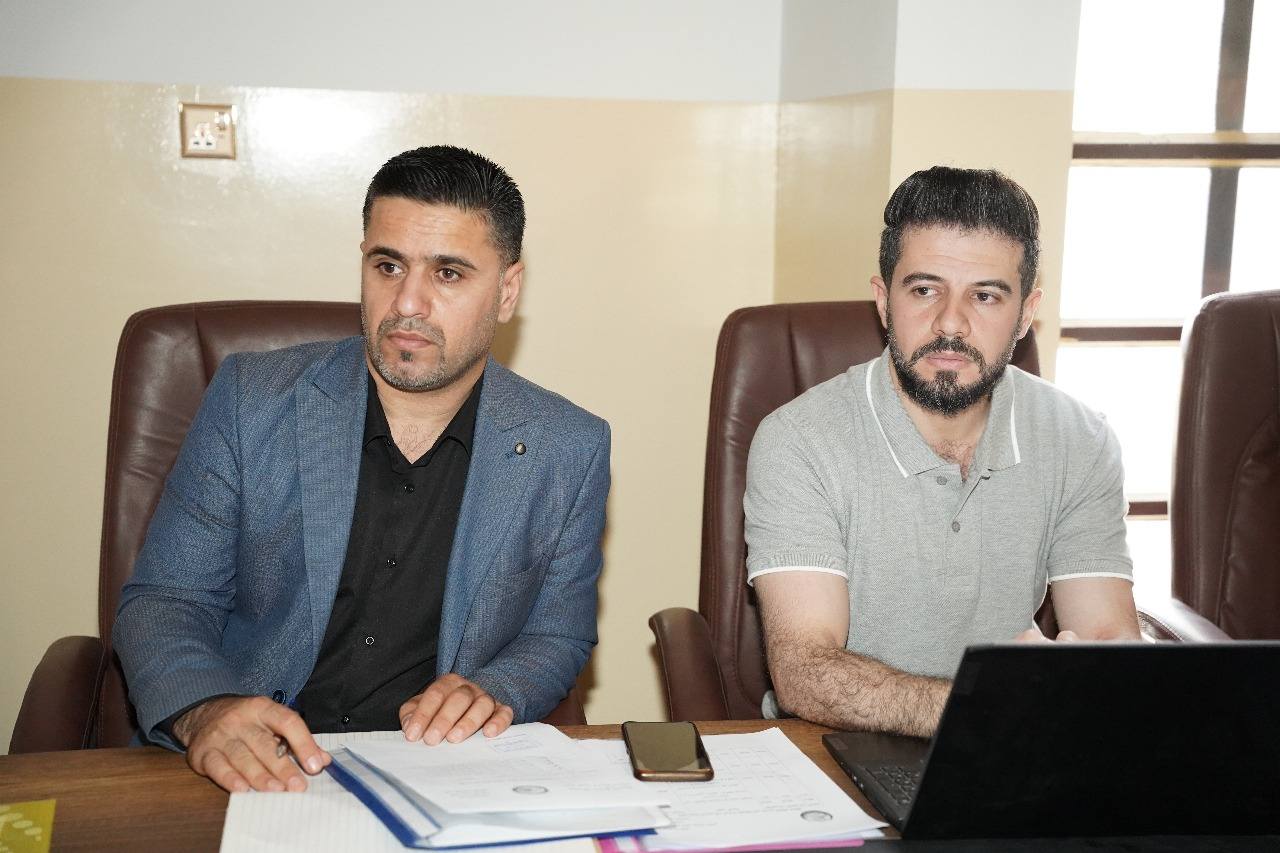
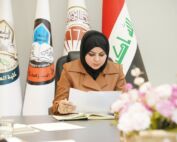
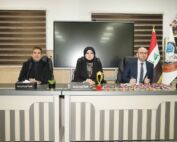
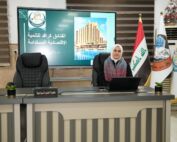
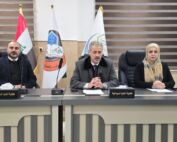
As part of the College of Tourism Sciences’ ongoing efforts to develop its administrative structure and modernize institutional work mechanisms, the College Council held its regular session, chaired by the Dean of the College, Assistant Professor Dr. Manal Raafat Khalid, and attended by Assistant Professor Zaid Raad Younis, the Associate Dean for Administrative Affairs, Assistant Professor Dr. Ahmed Talal Khudhur, Head of the Department of Tourism Studies, and Assistant Professor Dr. Wissam Abdullah Hussein, Head of the Department of Hotel Studies.
The Dean opened the session with a welcoming speech, in which she praised the dedicated efforts of the council members in enhancing administrative performance and implementing institutional quality standards within the college.
During the session, the council discussed several administrative and organizational topics, most notably:
- Approving the final version of the College Manual in preparation for adopting it as a regulatory reference for all departments and units.
- Following up on the progress of entering human resources (HR) and student information system (SIS) data, addressing challenges related to data updates, and proposing solutions.
- Reviewing the progress of faculty research and ensuring its documentation within the college’s scientific research database.
- Emphasizing the importance of adhering to electronic archiving instructions for all administrative transactions and regularly updating digital records.
This meeting comes as part of the college’s commitment to improving its administrative environment and enhancing institutional performance, in alignment with its strategic objectives and to ensure the sustainability of effective operations.
This orientation aligns with Goal 4 (Quality Education) and Goal 8 (Decent Work and Economic Growth). It also aligns with Goal 9 (Industry, Innovation, and Infrastructure), while reinforcing the principles of Goal 16 (Peace, Justice, and Strong Institutions) by promoting good governance, transparency in administrative procedures, and enhancing institutional trust.