30 November، 2025
The College of Tourism Sciences Organises a Workshop on the Concept of Administrative Corruption and Mechanisms for Combating It in Iraqi Law
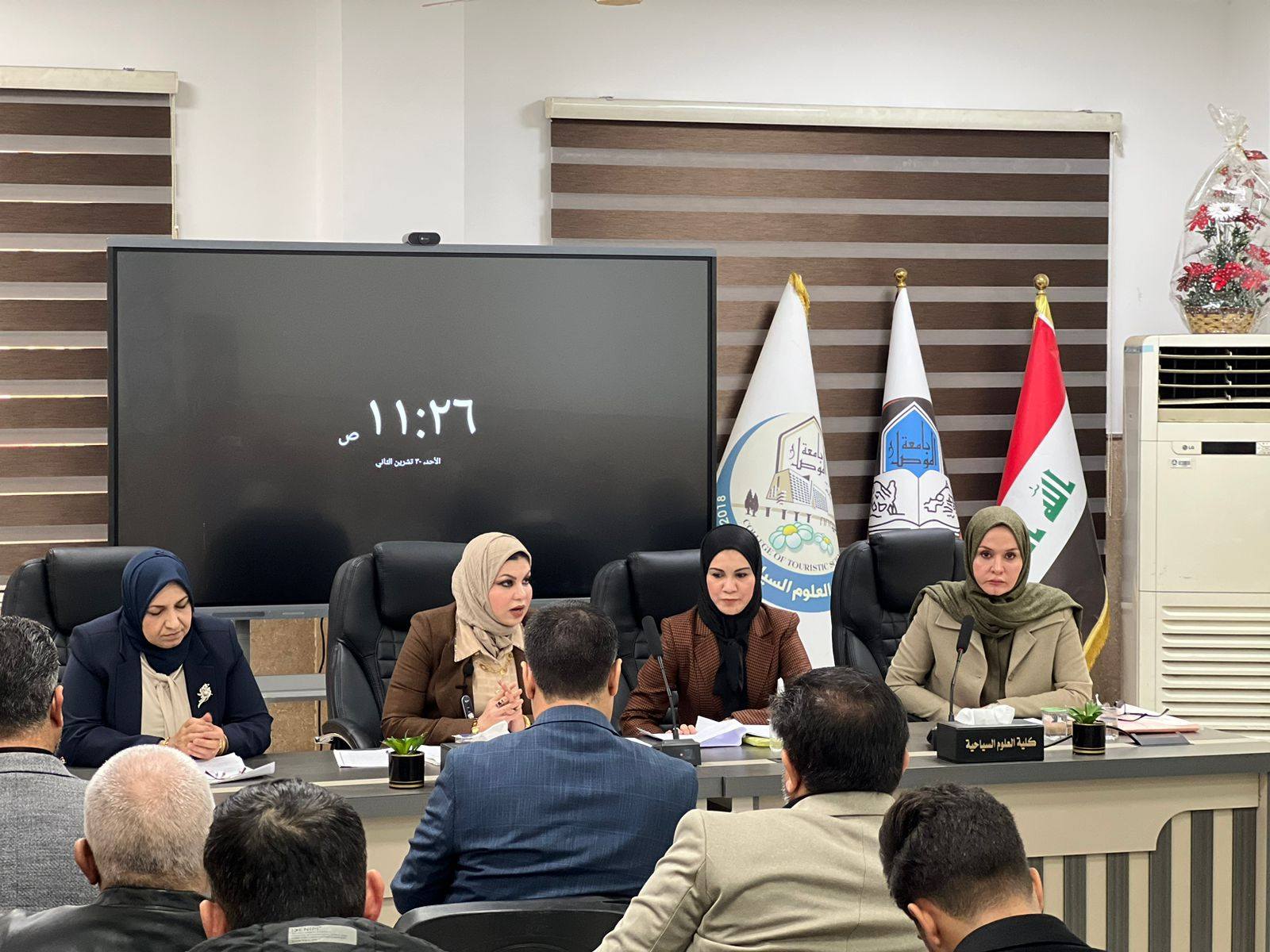
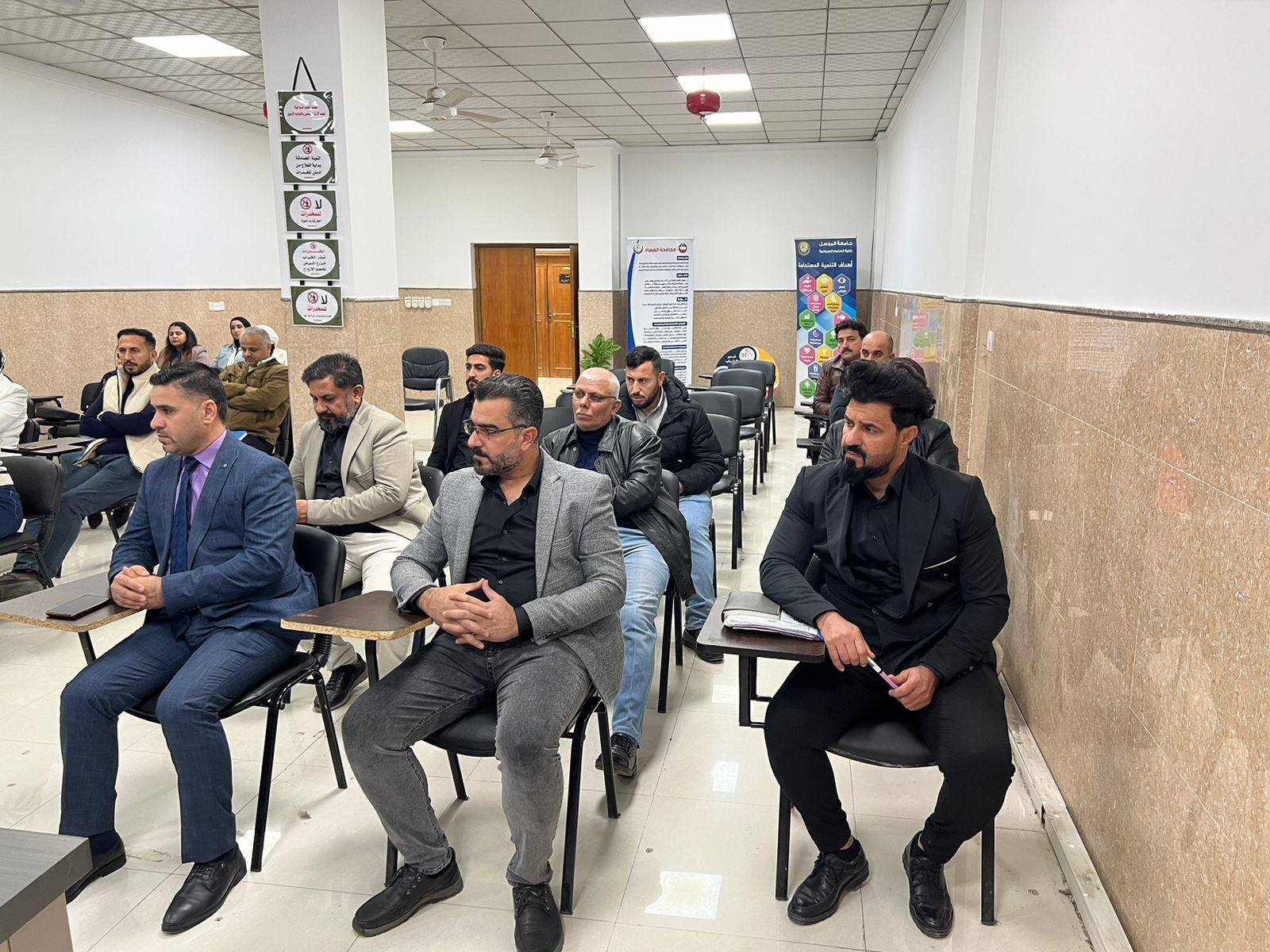
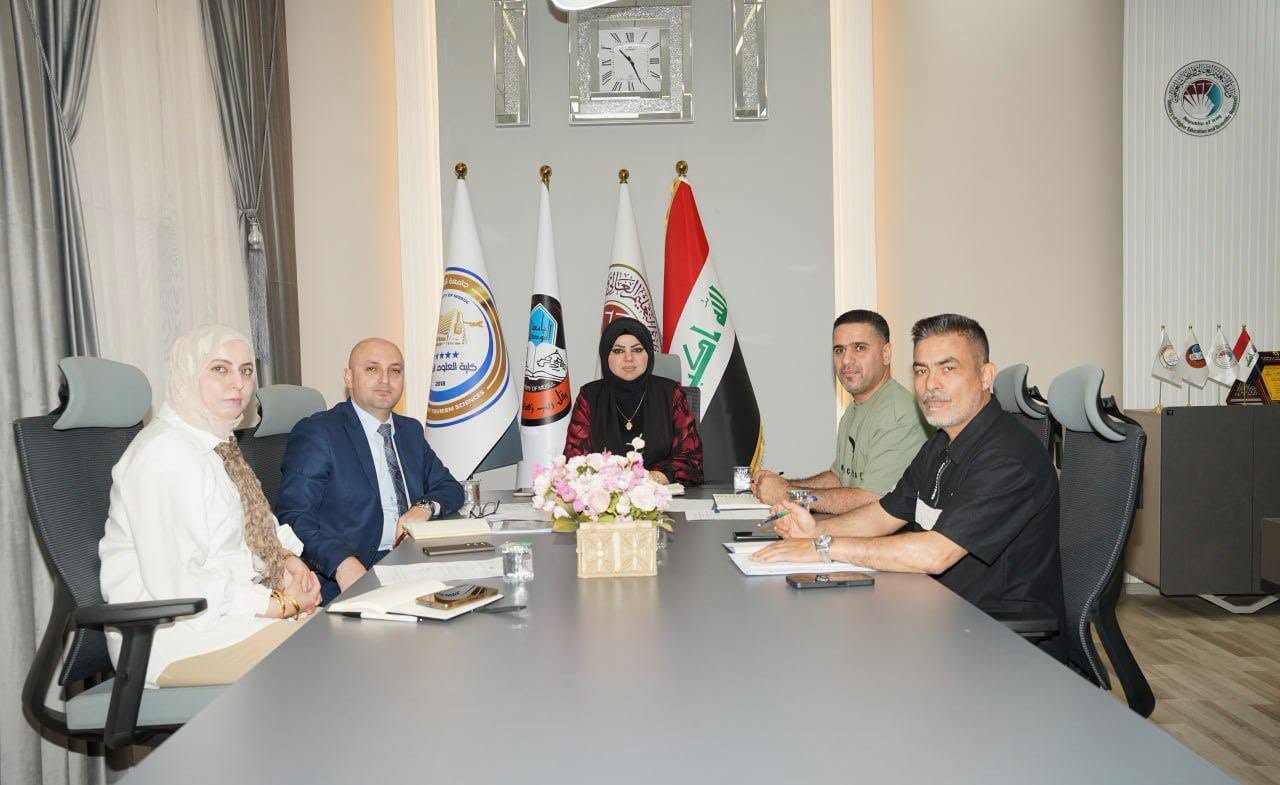
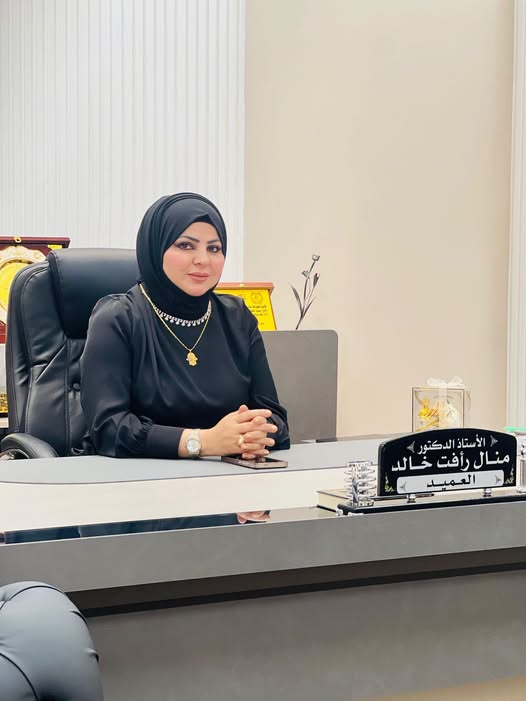
Under the supervision of Prof. Dr. Manal Raafat Khalid, Dean of the College of Tourism Sciences, and in cooperation with the Presidency of the University of Mosul / Department of Studies and Planning / Sustainable Development Unit, the College of Tourism Sciences organized a workshop titled “The Concept of Administrative Corruption, Its Manifestations, Forms, and Mechanisms for Combating Corruption in Iraqi Law.” The workshop was held on Sunday, December 30, 2025, in the College hall.
The workshop was delivered by:
- Assist. Prof. Dr. Ansam Ali Abdullah
- Assist. Prof. Dr. Suhad Abduljamal
- Dr. Nidal Mohammed Rasheed
- Assist. Lecturer Fadia Abdulhameed
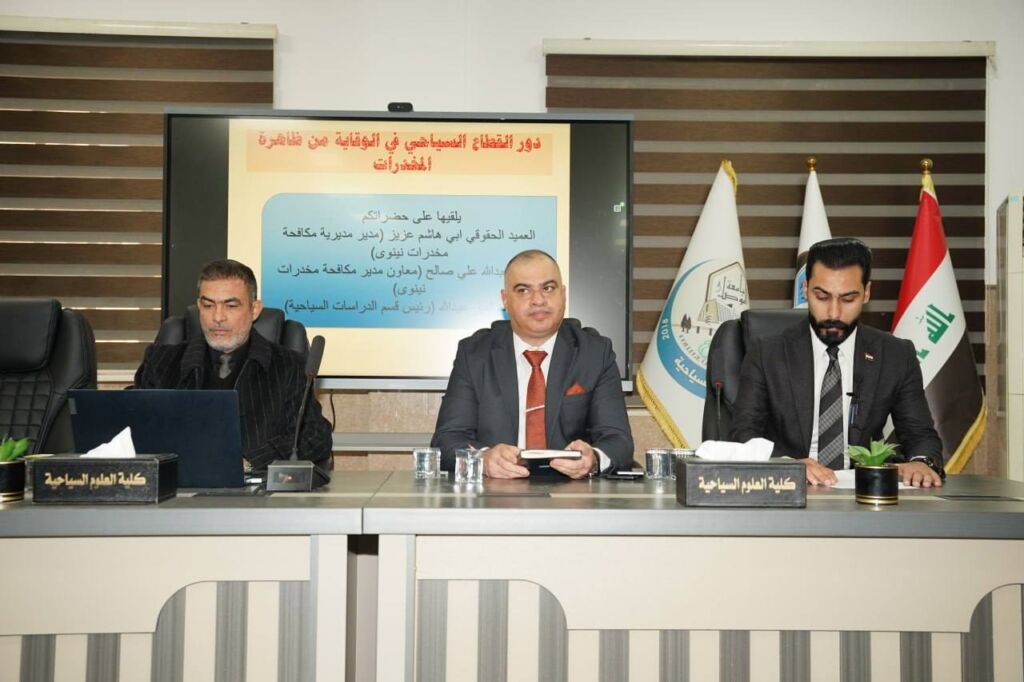
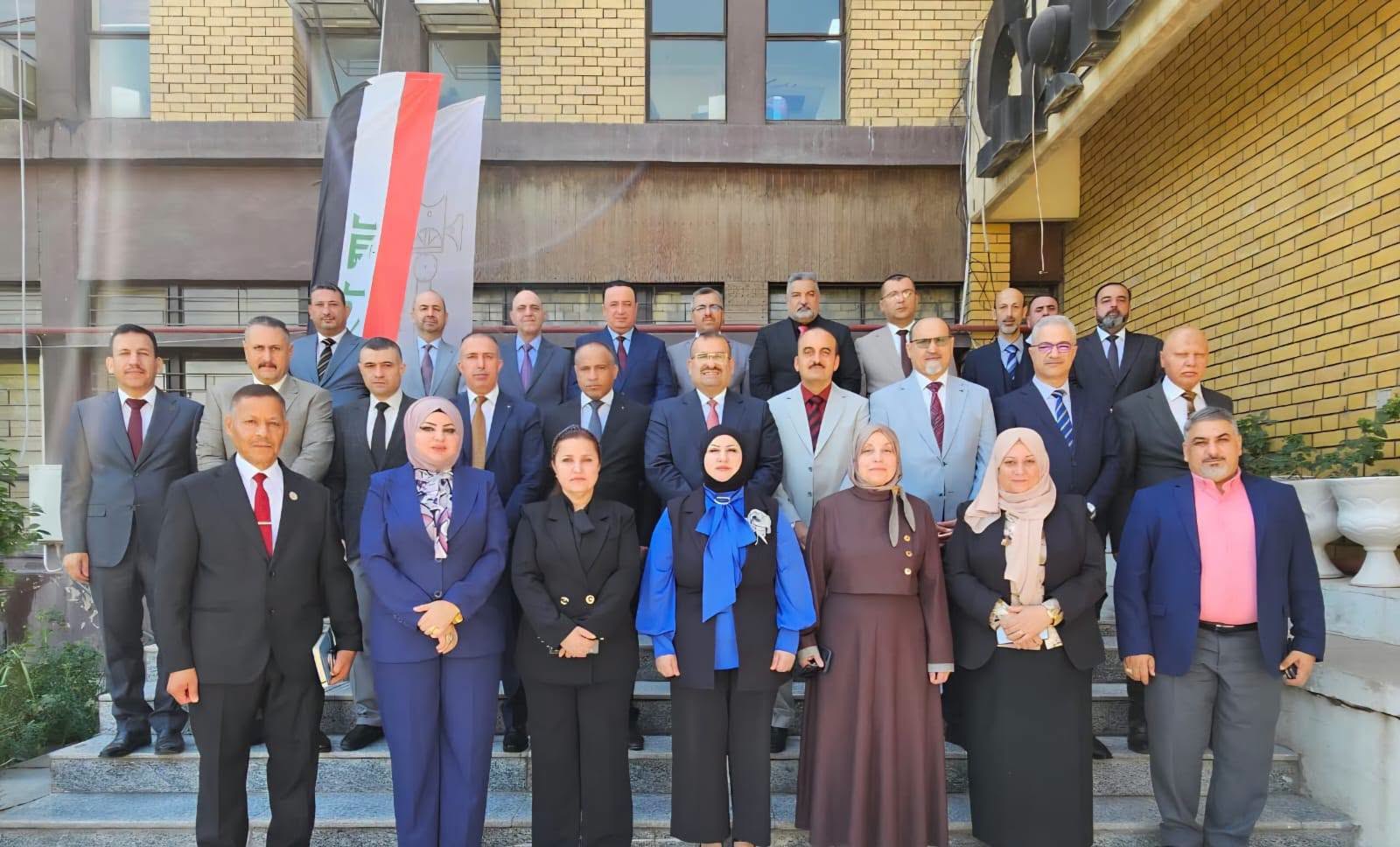
The event was attended by the Dean of the College, the Assistant Dean for Scientific Affairs, the heads of scientific departments, as well as staff and students. The workshop addressed the definition of administrative corruption, its most prominent forms and manifestations within institutions, its negative impact on institutional performance and public services, and the legal frameworks adopted in Iraq to combat corruption through legislative and administrative mechanisms aimed at building a transparent and effective work environment.
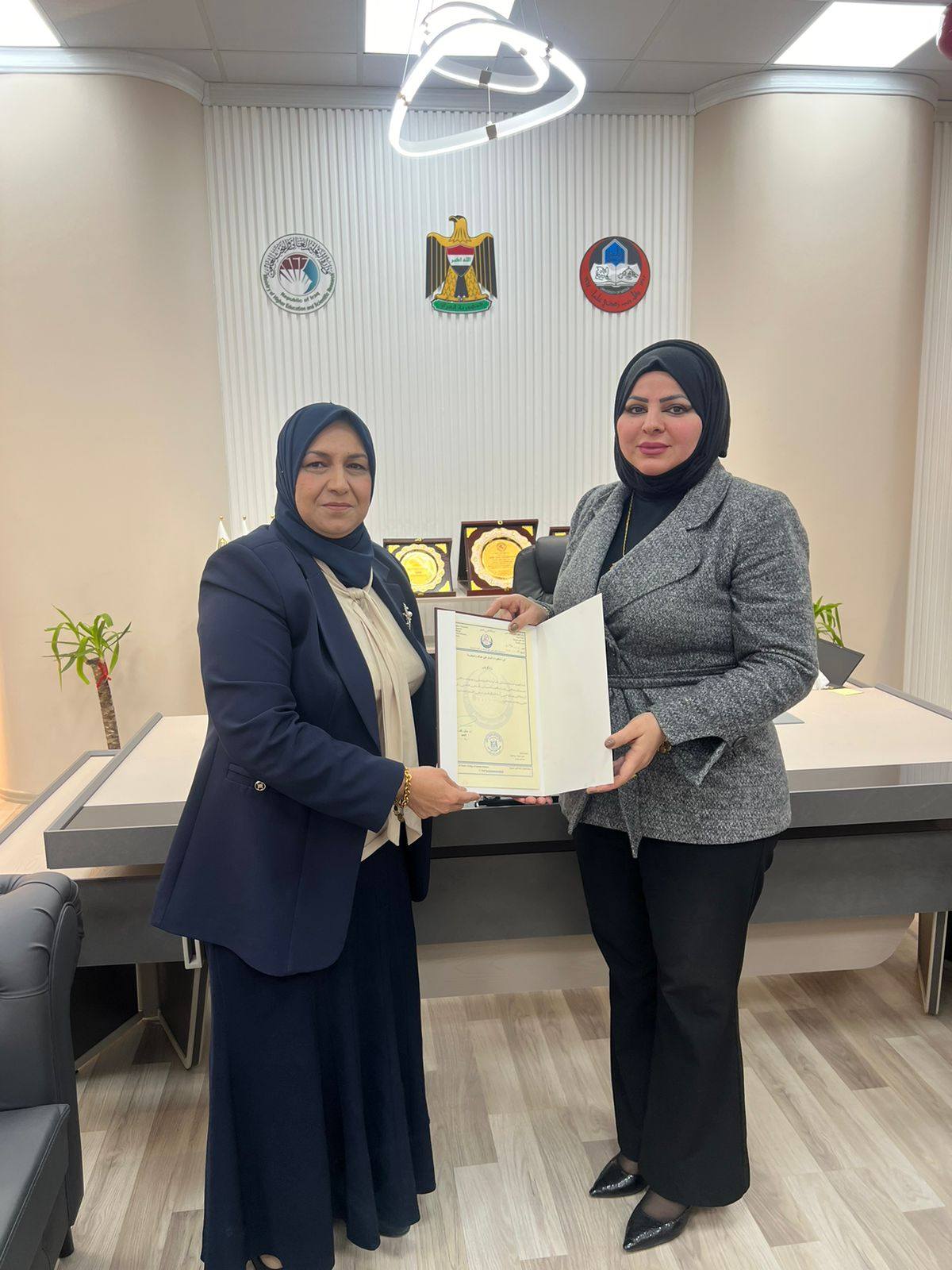
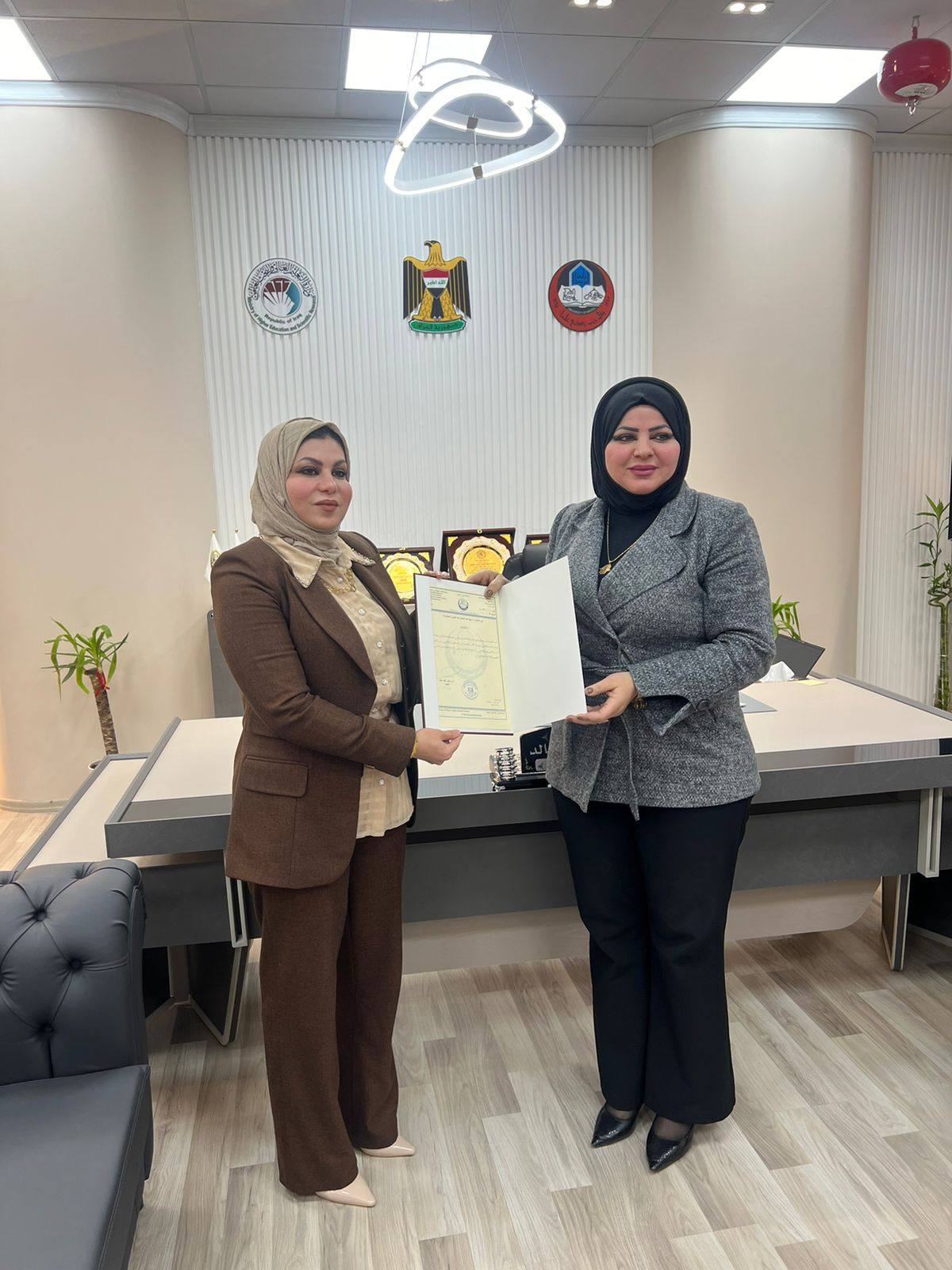
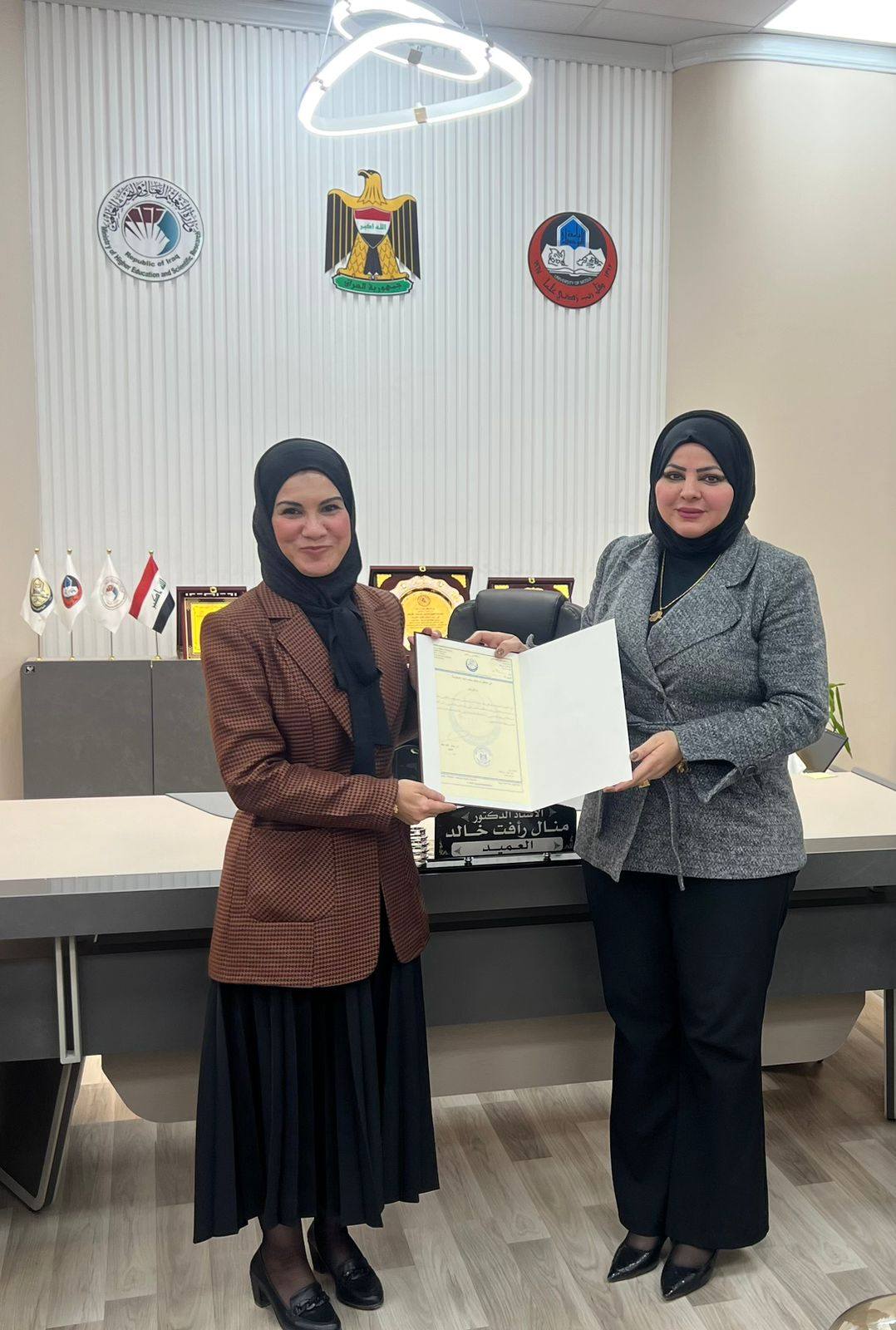
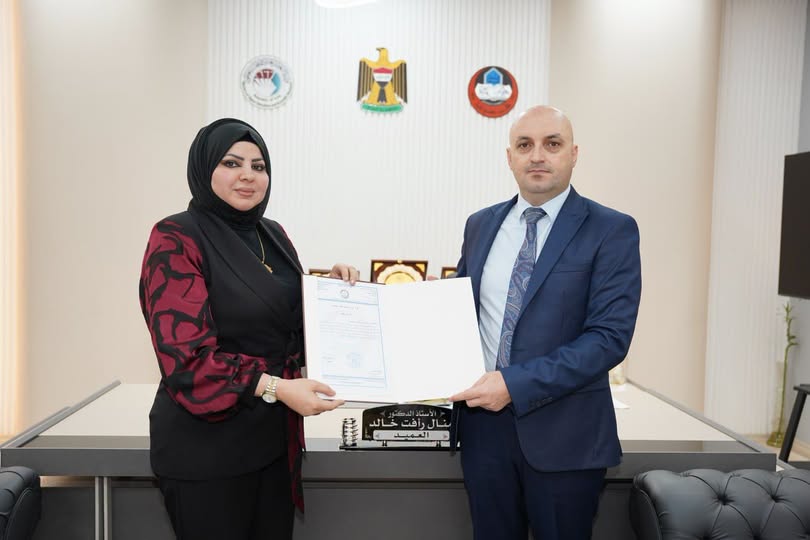
At the end of the workshop, the Dean honored the lecturers in appreciation of their academic efforts and their contribution to raising awareness about the dangers of corruption and ways to reduce it within educational institutions.
This activity aligns with the Sustainable Development Goals (SDGs) that the University seeks to support, particularly Goal 4 (Quality Education), Goal 16 (Peace, Justice, and Strong Institutions), Goal 8 (Decent Work and Economic Growth), Goal 10 (Reduced Inequalities), and Goal 17 (Partnerships for the Goals), reflecting the vital role of legal awareness and anti-corruption practices as fundamental pillars for achieving sustainable development within educational and societal institutions.