French Cultural Institute
Rationale for Its Establishment
Students and academics from the Nineveh Governorate who aspire to pursue their higher education in French-speaking countries have faced significant challenges in accessing French language institutes located in Baghdad or Erbil to sit for the DELF-DALF examinations—standardized tests that serve as essential prerequisites for admission into French and Francophone universities and institutions.
These challenges were further intensified by the exceptional circumstances experienced in the region over recent years, making the need for a practical and locally accessible solution all the more pressing.
In response to this need, a collaborative agreement was reached between the University of Mosul and the French authorities, represented by the Department of Cooperation and Cultural Activities at the French Embassy in Iraq, in coordination with the Île-de-France/Paris Region and the French organization ACTED. This cooperation resulted in the establishment of a French–Iraqi Institute on the campus of the University of Mosul.
The institute was envisioned not merely as an official center for administering language proficiency exams, but as a dynamic cultural space where Iraqi students and scholars could actively engage with French language and culture. Simultaneously, it offers French-speaking visitors and academics the opportunity to explore Iraq’s rich intellectual and cultural heritage.
This initiative is not simply an administrative measure, but rather a humanitarian and academic response to an urgent need. It provides students and researchers in Nineveh with equitable access to educational opportunities, eliminating the burdens associated with travel and the complications imposed by security and logistical constraints.
Establishment
The institute was established following the official approvals obtained from the Iraqi Ministry of Higher Education and Scientific Research, as stated in its letter No. ص ب/11/7149 dated March 17, 2019. In addition, the project received the endorsement of the relevant authorities in Nineveh Governorate.
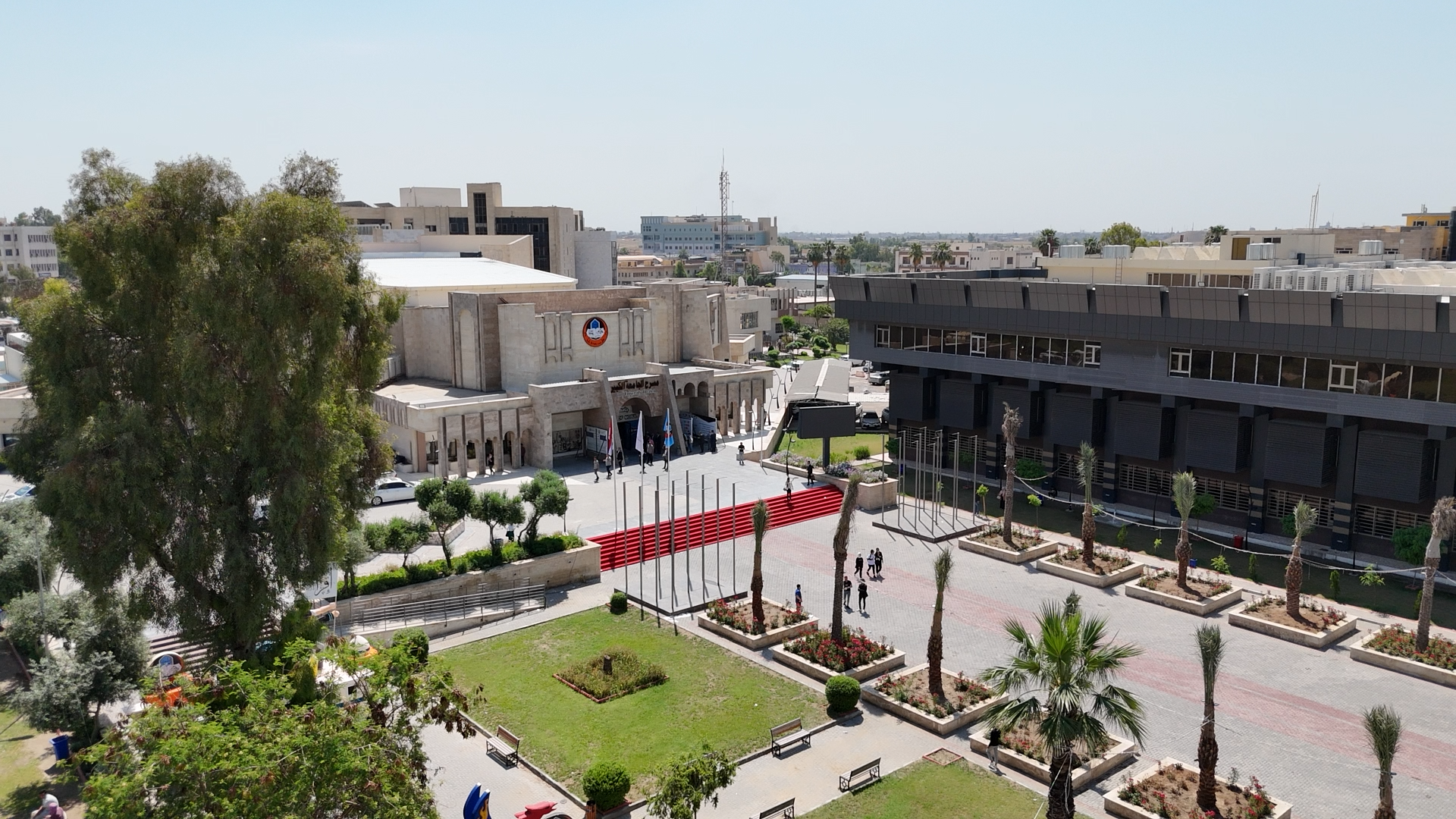
The institute was founded within the campus of the University of Mosul and was administratively affiliated with the Francophone Corner Unit under the Department of Scholarships and Cultural Relations at the University Presidency. This affiliation provided the institute with a clear and structured institutional framework.
Its administration was entrusted to an Iraqi team led by Assistant Professor Dr. Mohammed Zuheir Zeidan (Director of the Institute) and Mr. Sarmad Mahfouth Hameed (Reception Officer), under the supervision of Assistant Lecturer Baraa Ibrahim Mahmoud, who coordinates between the university and the institute.
This organizational structure granted the project an official status, while maintaining the spirit of academic initiative and collaborative engagement.
Implementation
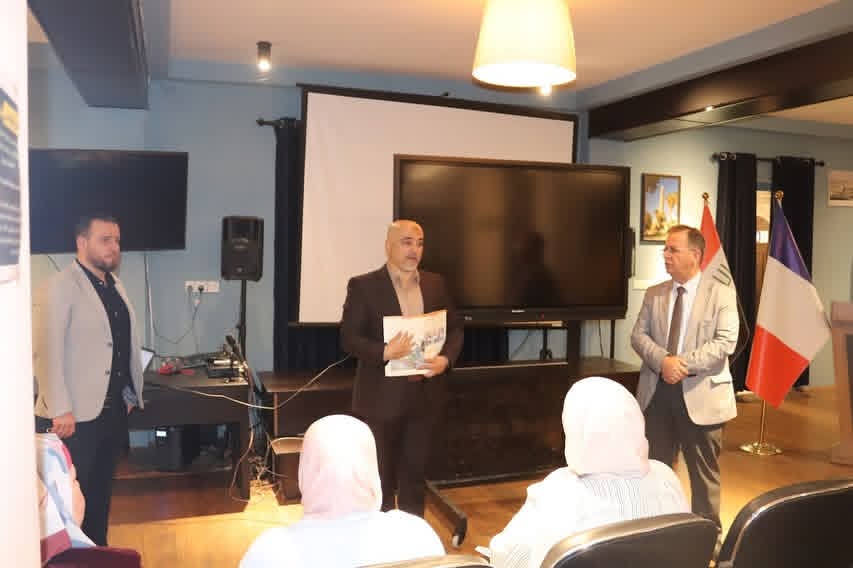
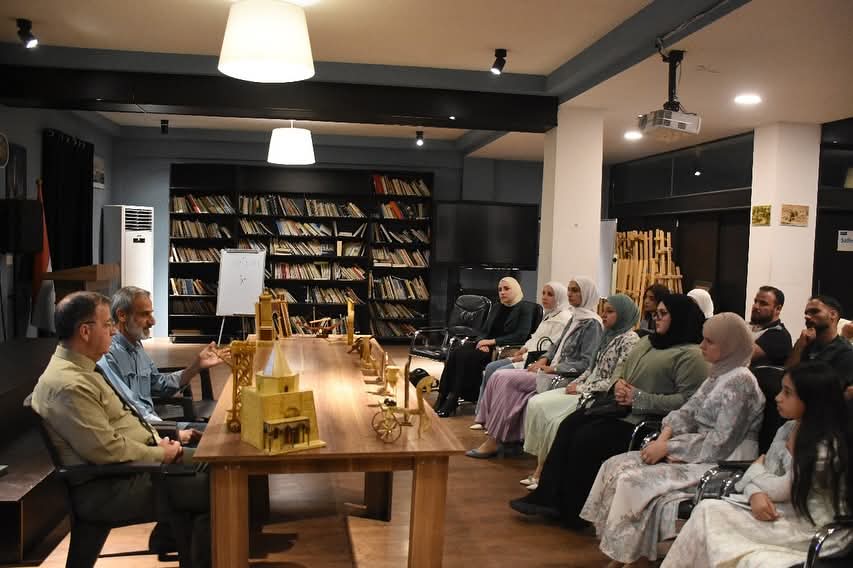
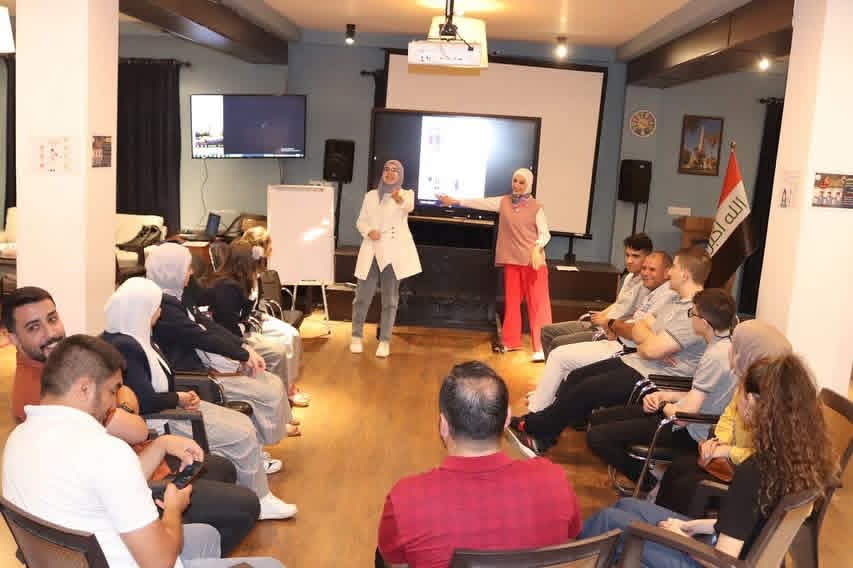
Since its inauguration on April 1, 2019, the institute has launched a series of academic and cultural activities, organized in collaboration with specialized professors from both Iraqi and French institutions. These activities extended beyond the university setting, attracting a broad audience of individuals interested in scientific and cultural affairs, from both academic and non-academic backgrounds.
To broaden participation and foster mutual understanding between Iraqi and French cultures, the institute actively utilized social media platforms and videoconferencing technologies. These tools enabled engagement not only within Iraq, but also with partners and audiences abroad.
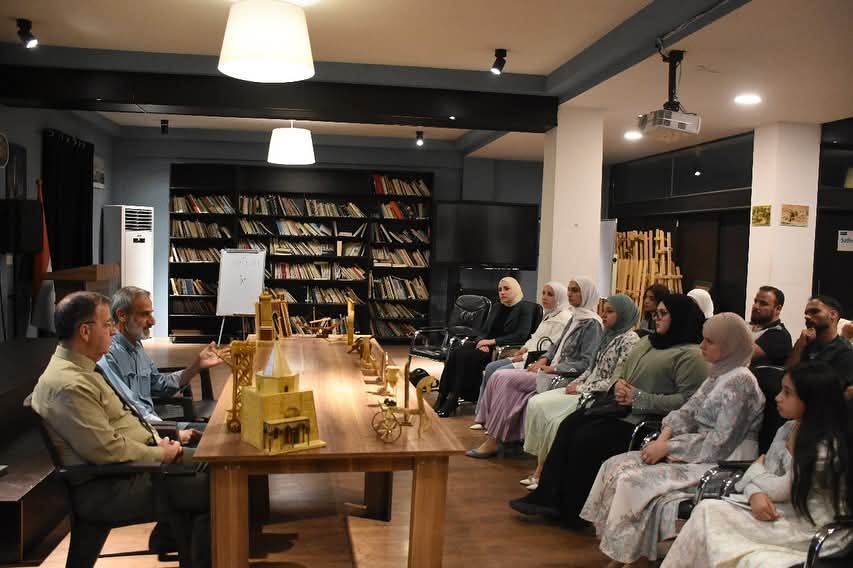
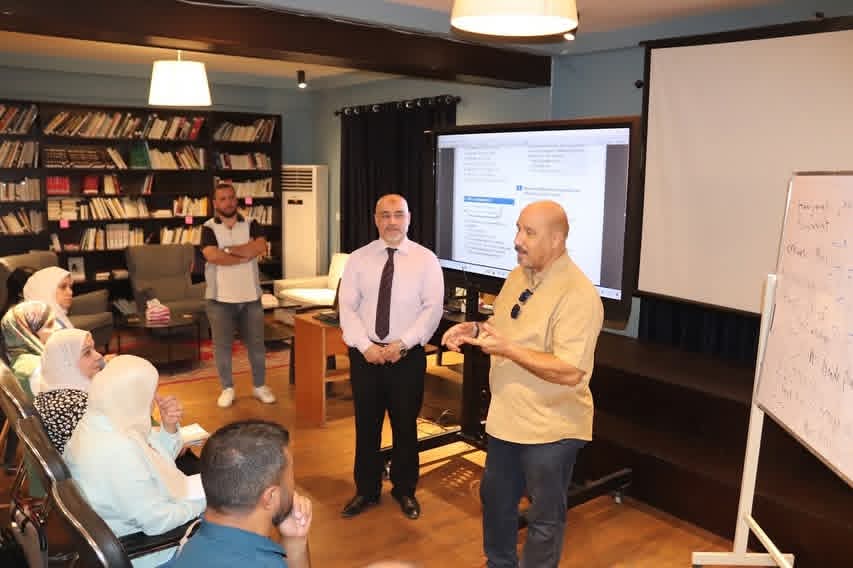
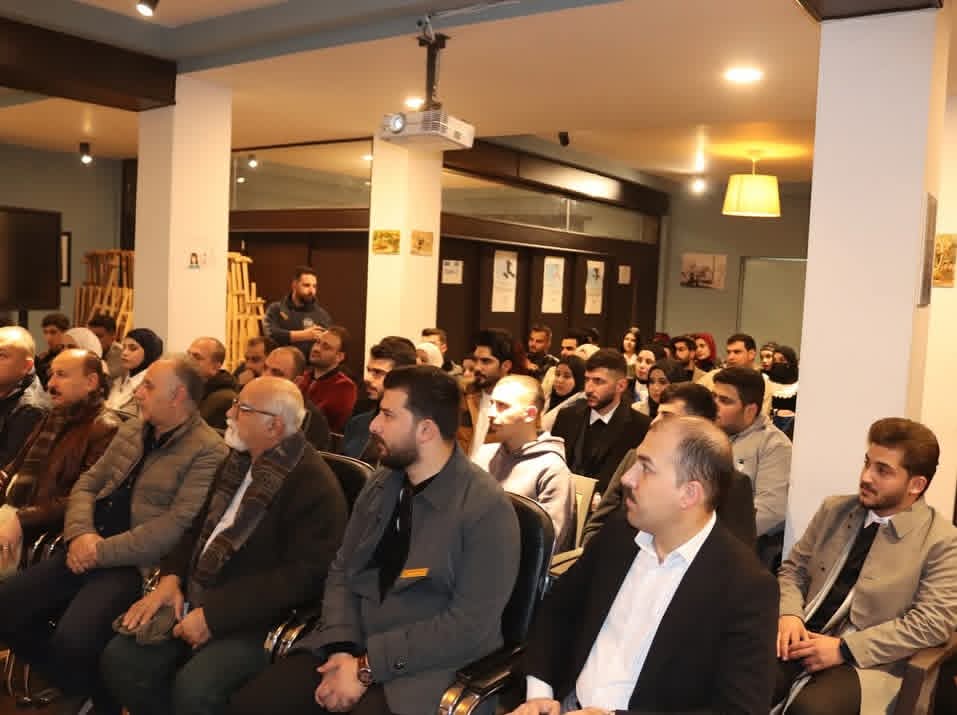
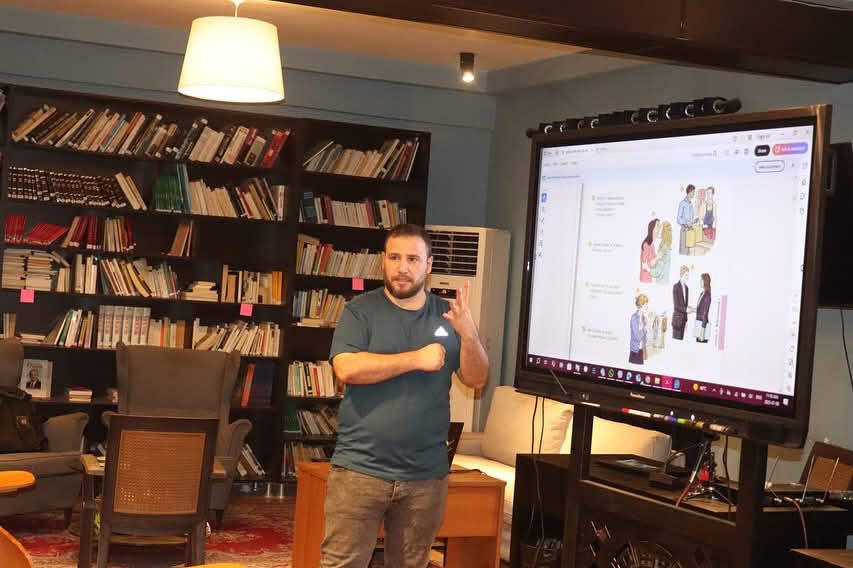
Institute Activities
The activities organized by the institute are diverse and thoughtfully curated to reflect the richness of the cultural landscape. Among the most prominent are:
• French language courses offered at various proficiency levels.
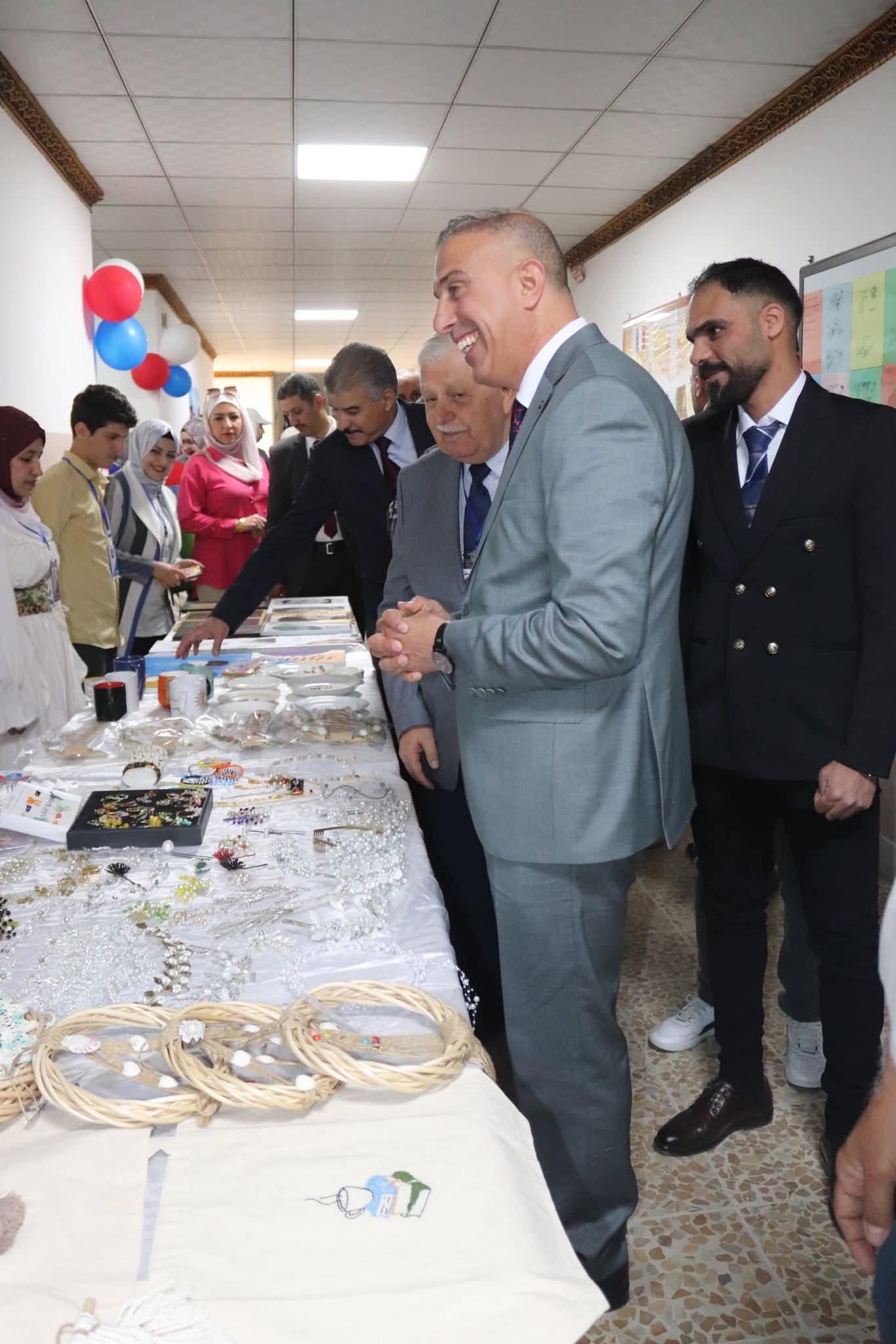
• Art and photography exhibitions showcasing local talent and thematic expressions.
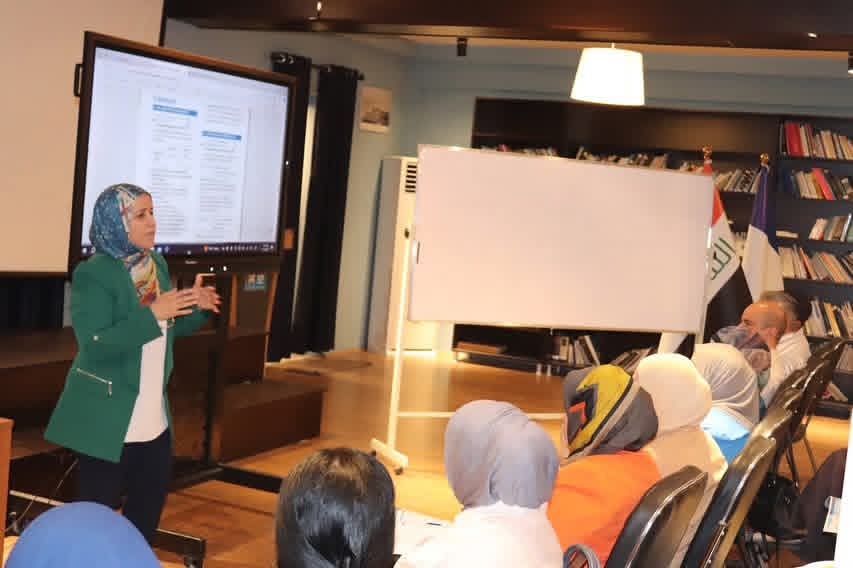
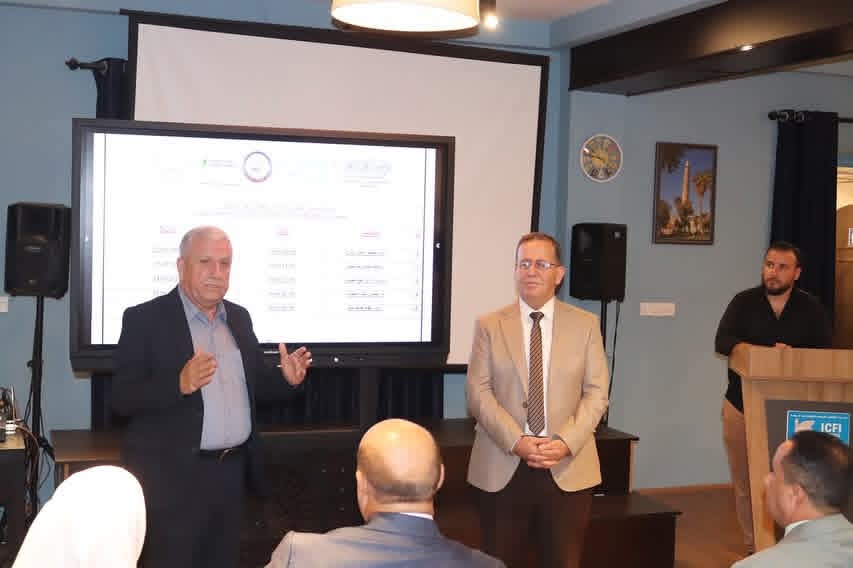
• Academic events, including scientific symposia, workshops, and lectures.
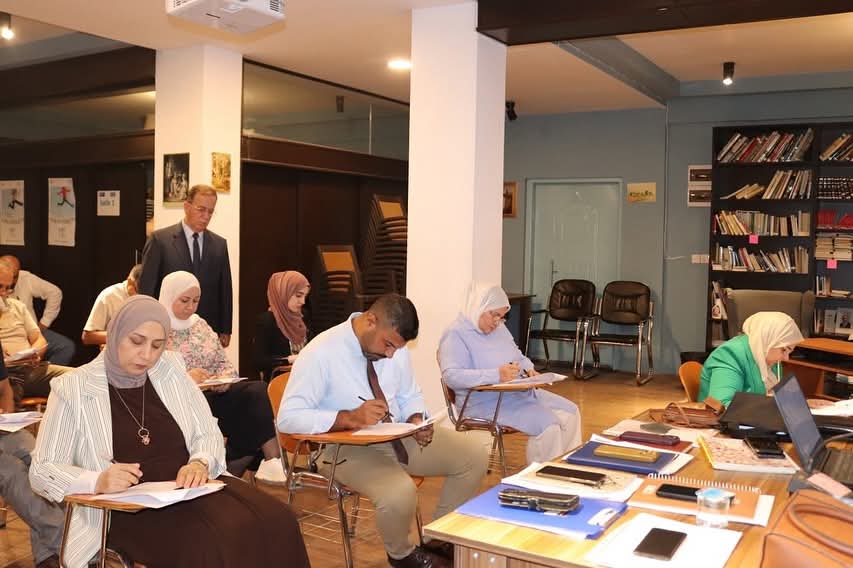
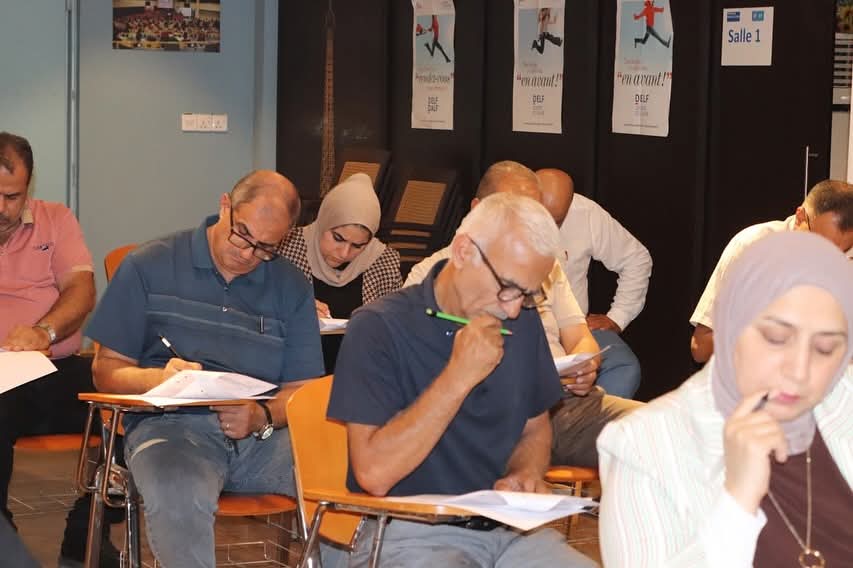
• Administration of DELF-DALF examinations, which are internationally recognized qualifications in French language proficiency.
• Screenings of French-language films, promoting cinematic culture.
• Musical and theatrical performances, fostering artistic engagement.
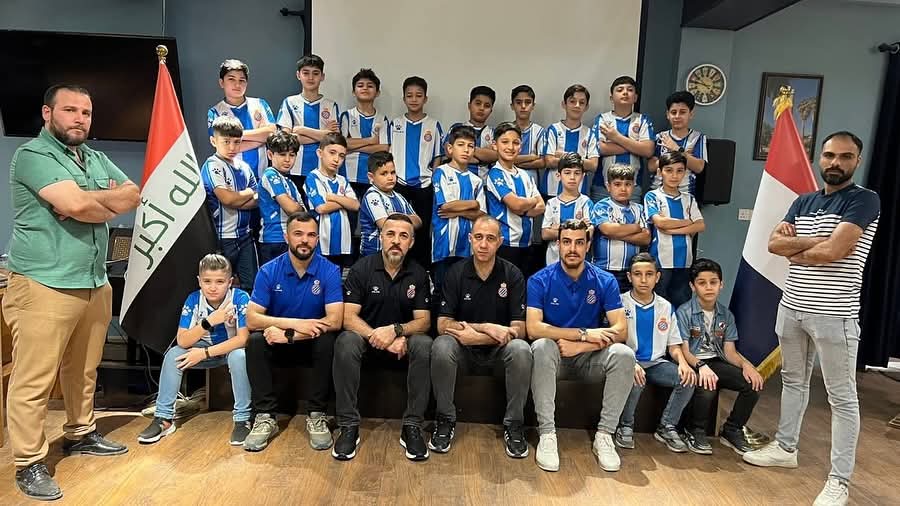
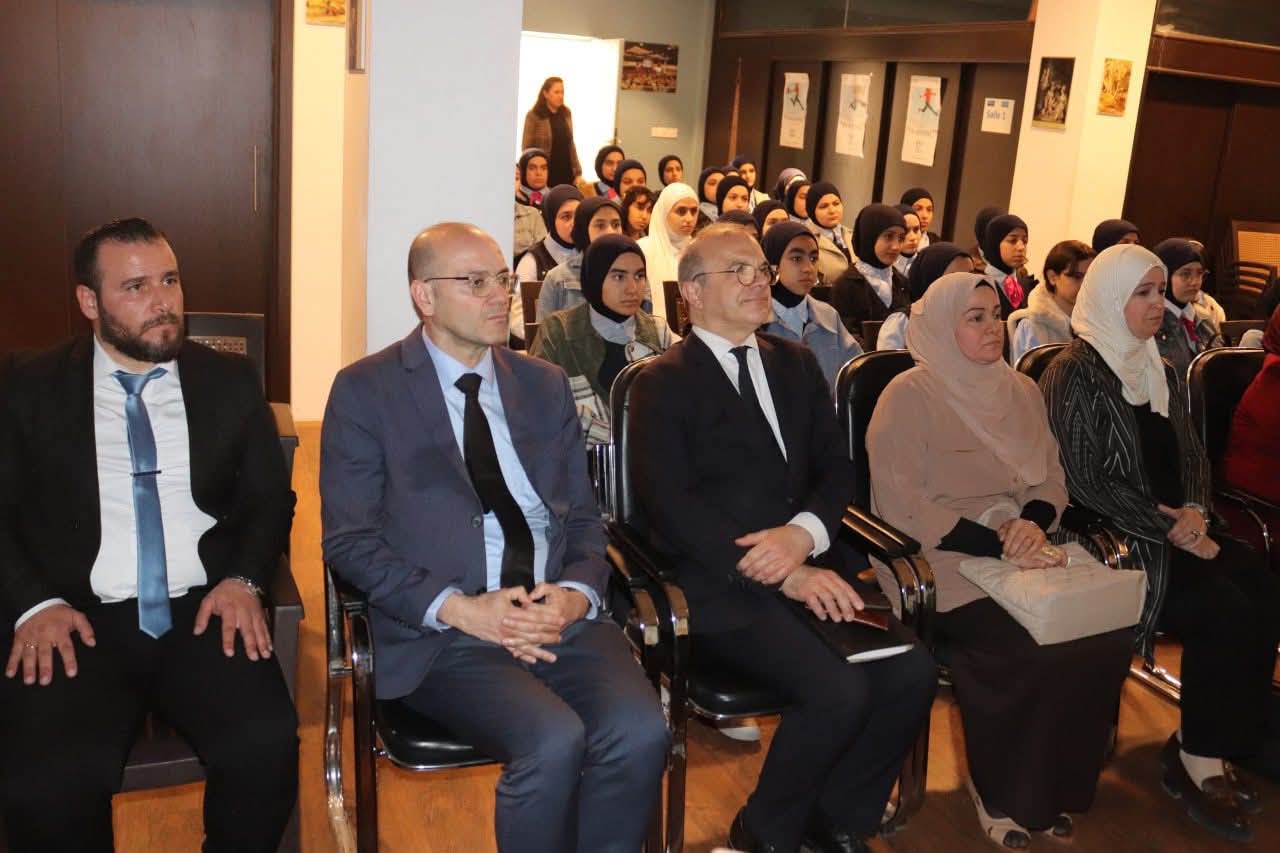
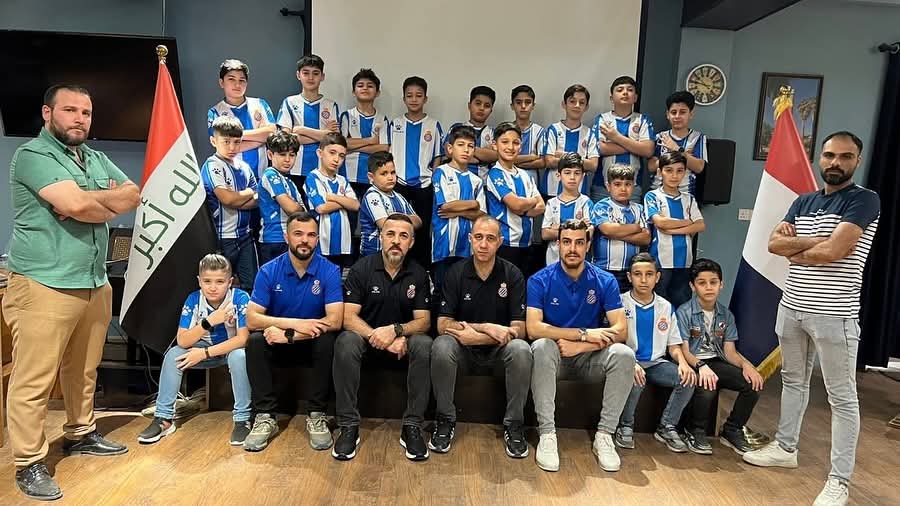
• School visits aimed at enhancing cultural awareness among younger generations.
• Book signings and author talks, offering direct interaction with writers.
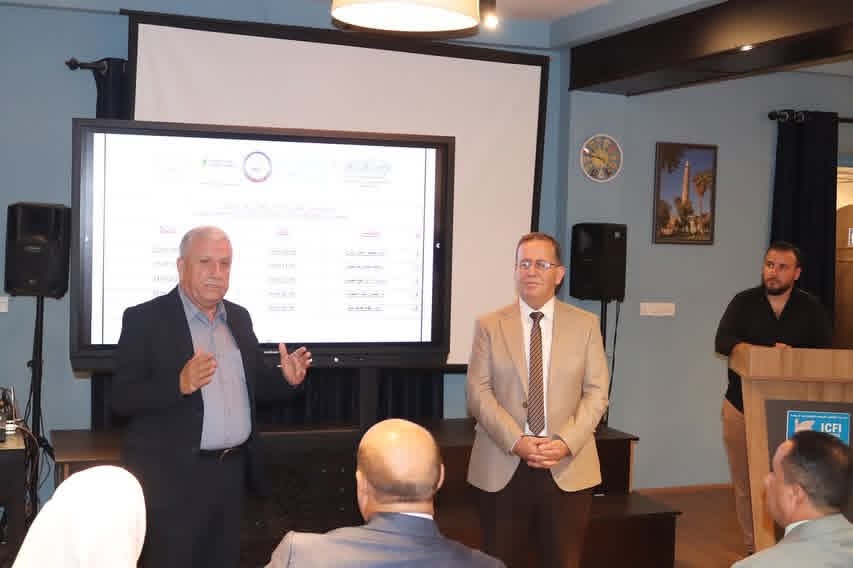
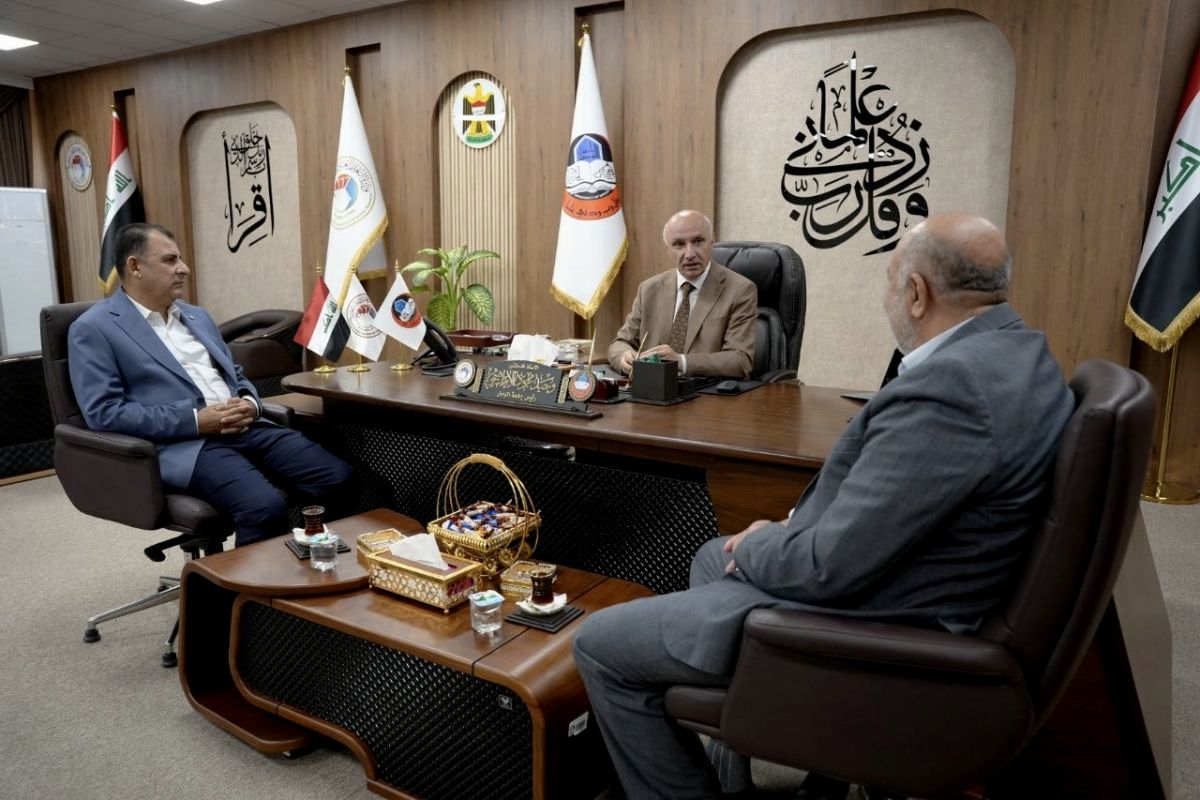
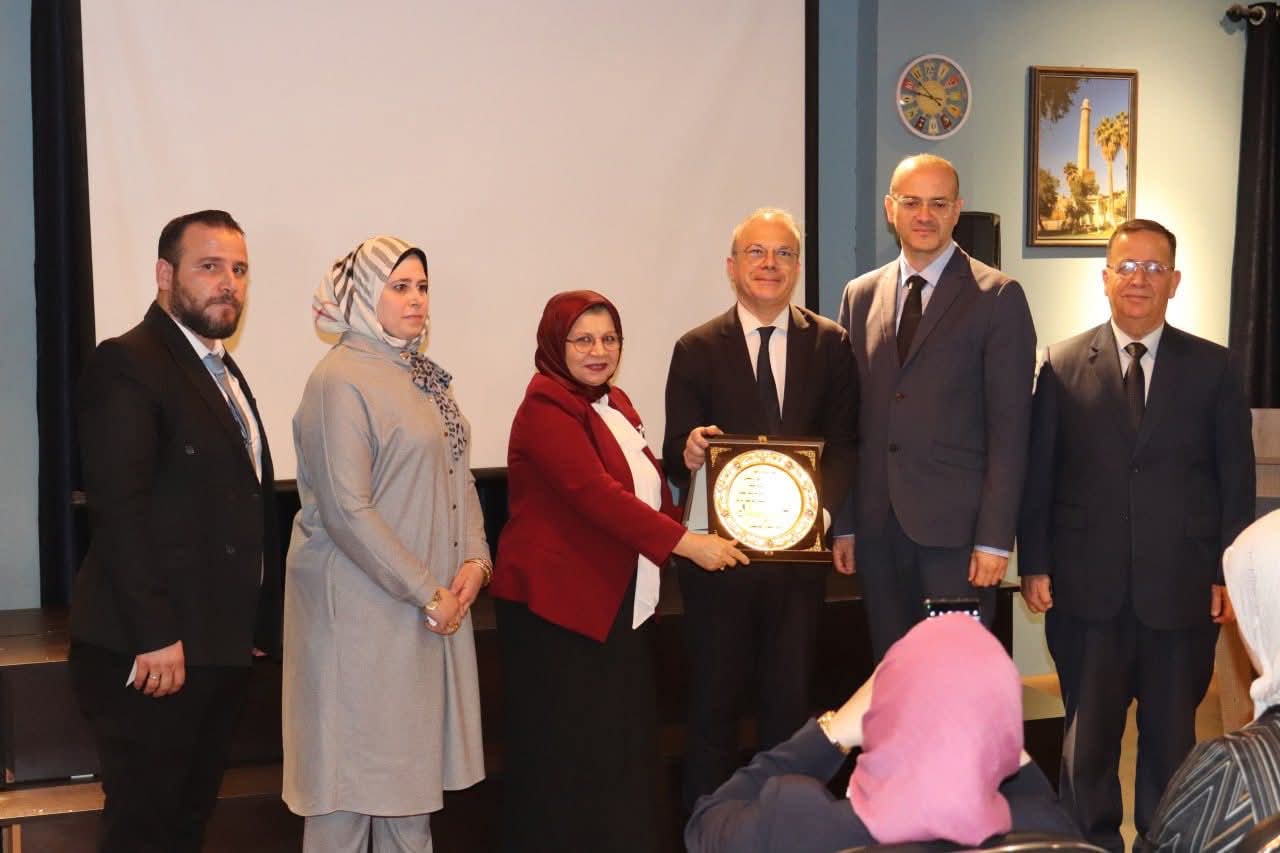
• Hosting foreign delegations and official visits, strengthening international partnerships.
• Celebration of French national events and cultural festivals, in addition to organizing academic competitions.
Through this wide-ranging programming, the institute has become an interactive platform that embodies the essence of true cultural exchange. It offers the people of Nineveh an open window onto the Francophone world, while simultaneously allowing French-speaking visitors and partners to engage with the rich intellectual and cultural heritage of Nineveh.