Sustainable Commuting Policy – University of Mosul
1. Title
Sustainable Commuting Policy – University of Mosul
2. Purpose
This policy aims to promote sustainable mobility practices across the University of Mosul by encouraging walking, cycling, electric vehicle use, and organized public transport. Its ultimate goal is to reduce dependence on private vehicles, lower carbon emissions, and enhance the overall quality of life on campus.
The policy also aligns with Iraq’s national vision for sustainable cities and climate action, contributing directly to SDG 11 (Sustainable Cities and Communities) and SDG 13 (Climate Action).
3. Scope
This policy applies to:
-
All colleges, research centers, and administrative units within the University of Mosul’s first and second campuses.
-
Students, faculty, staff, visitors, and vendors who commute within the university.
-
Infrastructure projects related to walkways, internal roads, and parking facilities.
4. Core Principles
-
Sustainability: Reduce emissions from commuting by promoting clean and renewable modes of transport.
-
Safety: Ensure safe environments for pedestrians and cyclists across all university areas.
-
Inclusivity: Guarantee accessible transportation options for persons with disabilities and limited mobility.
-
Continuous Improvement: Utilize digital monitoring tools to measure performance and regularly update plans based on real data.
5. Procedures and Implementation Mechanisms
A. Infrastructure Development
-
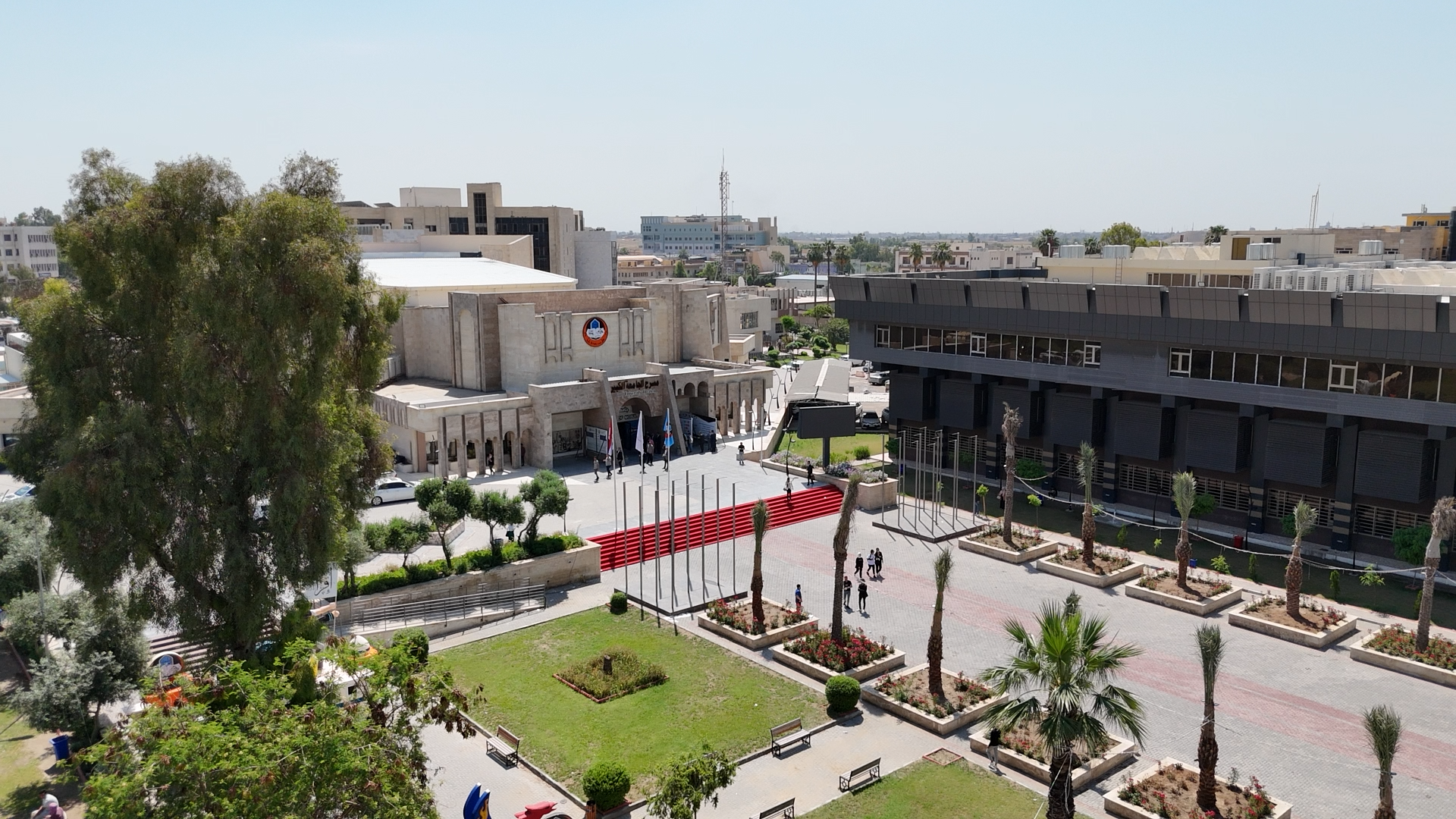
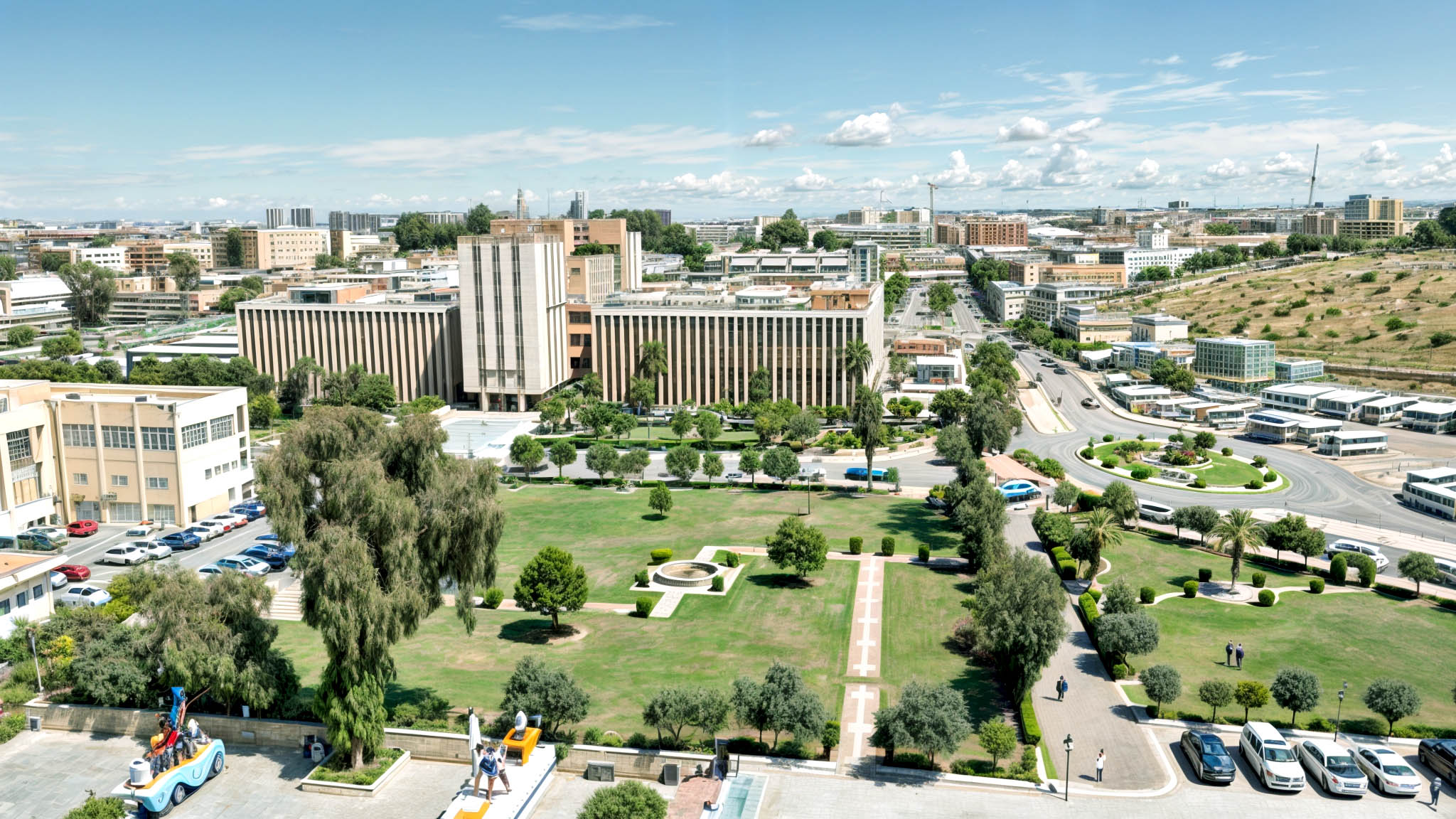
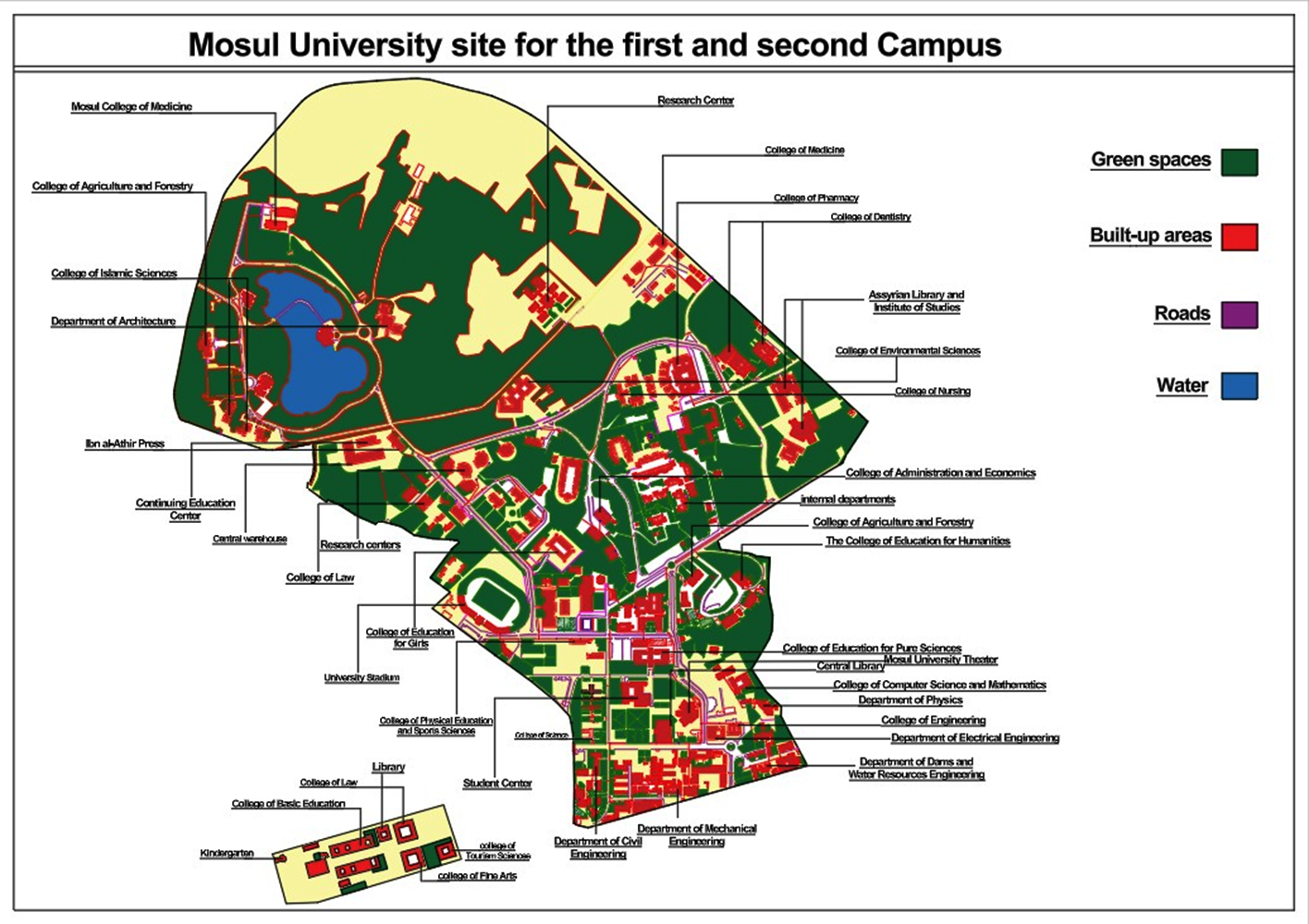
Adopt the official “Mosul University Site Map for the First and Second Campus” (published on the University website) as a reference for planning pedestrian paths, cycling routes, and green spaces, with regular updates.
-
Develop pedestrian walkways surrounding the University Lake and link them to nearby colleges to improve accessibility and safety (as outlined on the University Lake webpage).
-
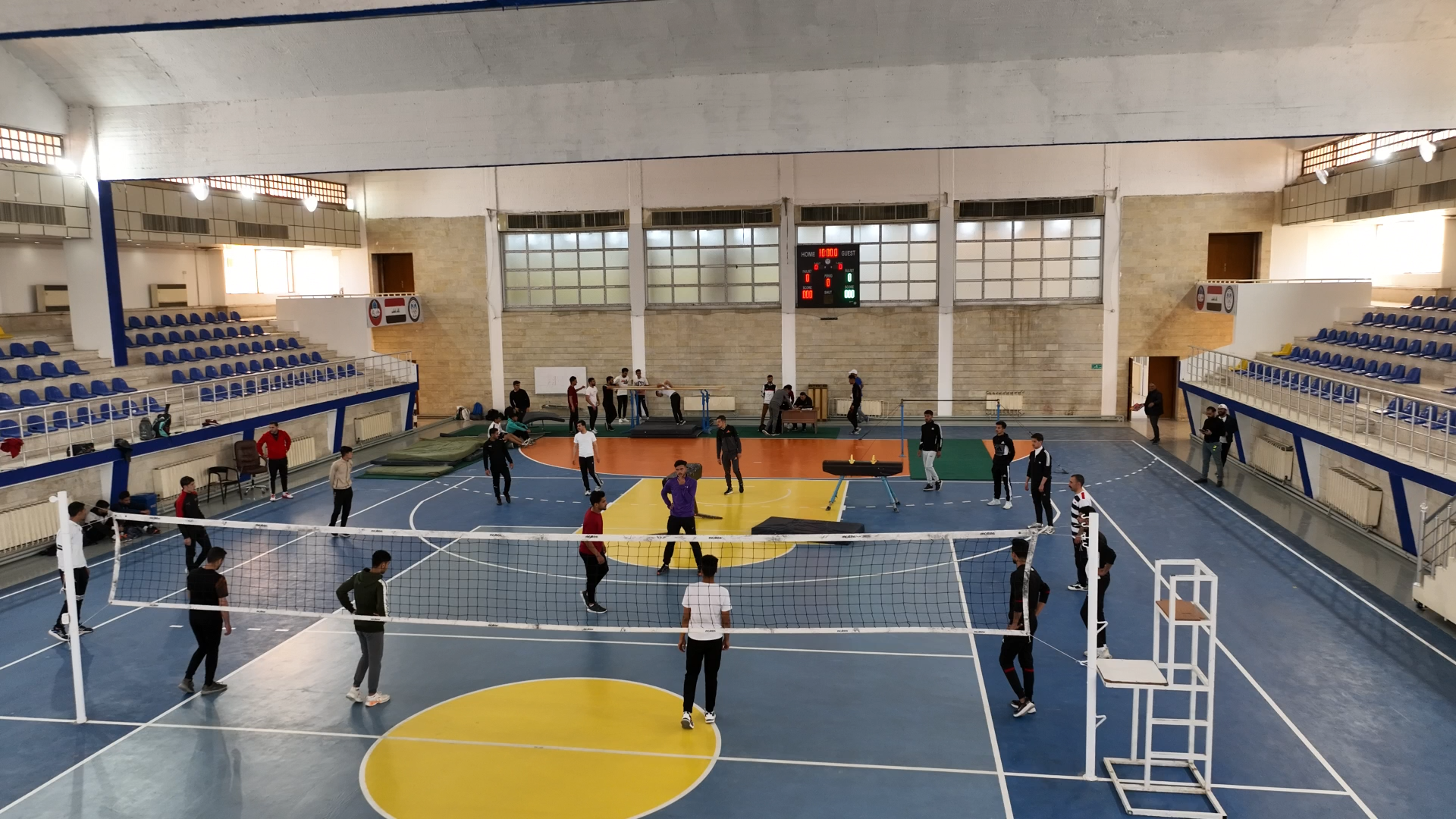
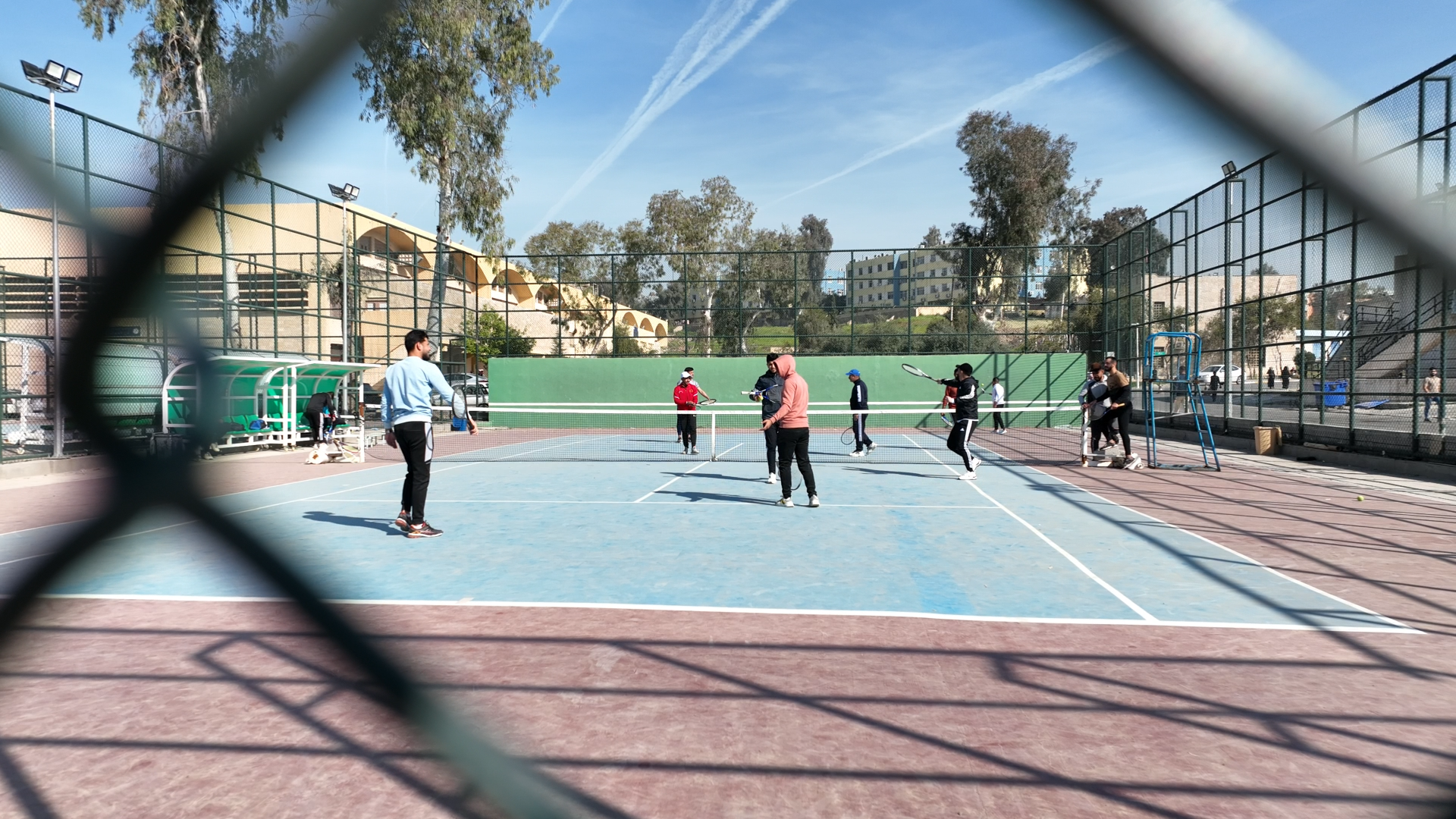
Designate organized bicycle parking areas near the College of Physical Education and Sports Sciences and other central colleges (as noted on the Sustainable Development page of the college).
B. Electric and Sustainable Transportation
-
Operate solar-powered electric vehicles to transport students and individuals with special needs within campus premises (as announced in the news published on December 9, 2024, by the College of Science on the official University website).
-
Gradually introduce electric and hybrid buses into the university’s transportation fleet by 2030.
C. Measurement and Monitoring
-
Conduct an annual commuting survey in collaboration with the University Sustainability Office to assess the proportion of different transport modes (walking, cycling, private vehicles, public transport).
-
Establish a digital database on the University website to record and analyze sustainable commuting indicators.
-
Publish an annual commuting report presenting usage data and progress against defined targets.
6. Responsibilities
| Entity | Responsibility |
|---|---|
| University Presidency | Approve the policy and allocate funding for related projects. |
| Department of Services and Maintenance | Develop walkways and parking areas; implement infrastructure for bicycles and electric vehicles. |
| Sustainability Office | Collect data, prepare annual monitoring reports, and track key objectives. |
| Colleges and Research Centers | Promote awareness and participation in sustainable transport initiatives among students. |
| Sustainable Mobility Committee | Supervise policy implementation and provide recommendations to the University Council. |
7. Monitoring and Evaluation
-
Conduct annual surveys for each user group to measure commuting patterns.
-
Submit a biannual report to the University Council outlining progress toward the goals.
-
Review key performance indicators (KPIs) every two years to assess milestone achievements.
-
Implement an early-warning mechanism if sustainable transport indicators fall below the targeted thresholds.
8. Periodic Review
This policy shall be reviewed every five years to ensure alignment with infrastructure advancements and smart transportation systems.
The current review cycle covers the period 2028–2030, and its findings will be published in the University Sustainability Report for 2030.
9. Alignment with the Sustainable Development Goals
This policy contributes directly to:
-
Goal 3: Promoting physical activity through walking and cycling.
-
Goal 9: Introducing smart electric transport systems within the campus.
-
Goal 11: Reducing private vehicle use and encouraging cleaner, people-centered mobility.
-
Goal 13: Lowering carbon emissions generated by daily commuting.
Approved by: The Presidency of the University of Mosul
Date of Update: December 24, 2024