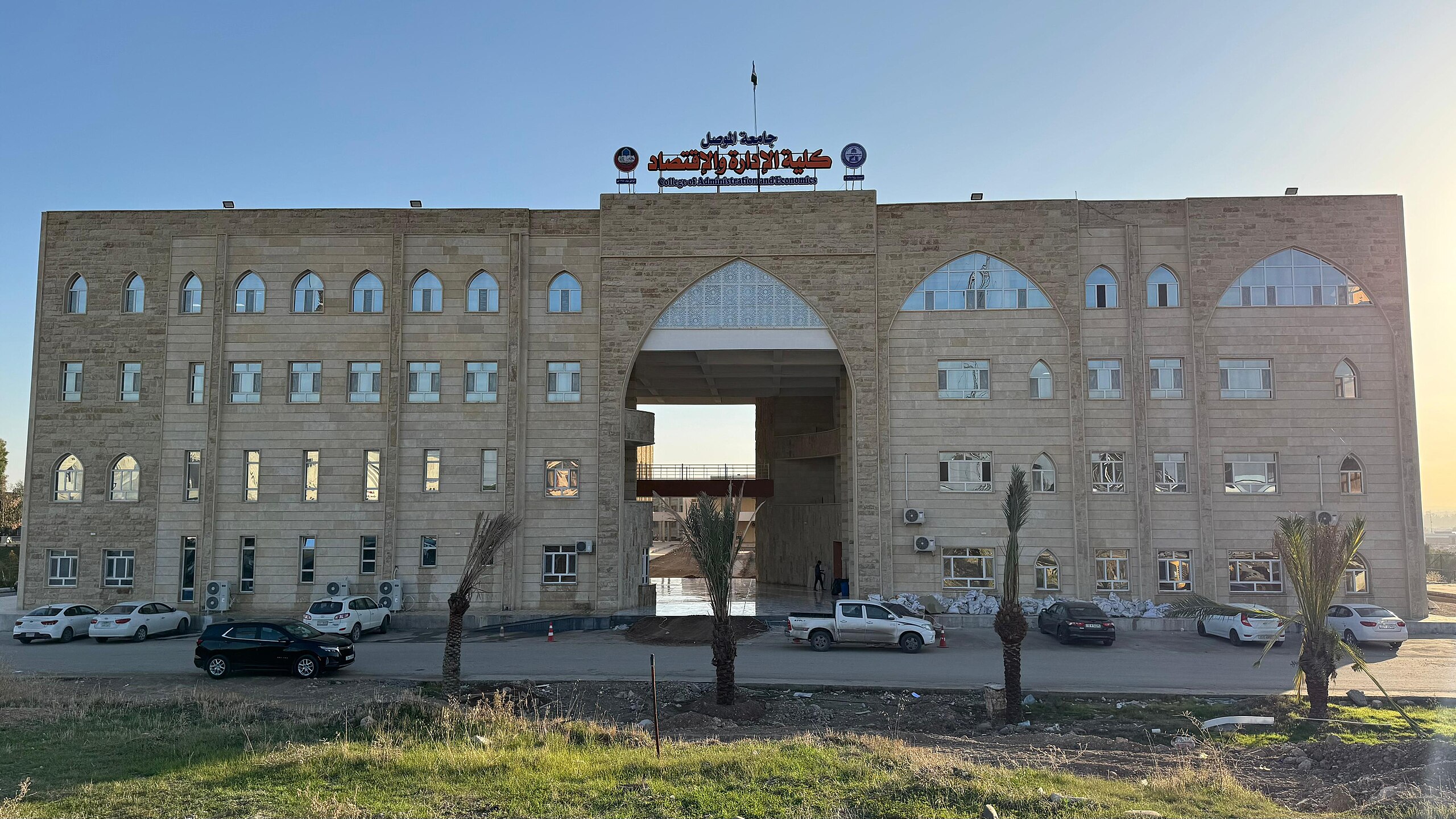

Mosul City
Nineveh Governorate
Nineveh Governorate is located in northern Iraq with Mosul as its capital. Mosul is the second-largest city in the country, situated about 402 km north of the capital, Baghdad. The governorate has an estimated population of around three million people. It comprises several prominent districts such as Mosul, Tal Afar, Al-Ba’aj, Tel Kaif, Sinjar, Al-Hamdaniya, Sheikhan, Al-Hadar, and Makhmur. It is bordered to the north by Duhok, to the south by Salah al-Din, and to the east by Erbil and Kirkuk, while its western borders connect with Syria. The Tigris River flows through the governorate for a distance of 214 km, in addition to the Mosul Dam Lake, which stretches for 47.5 km, as well as the Greater Zab River, the Khazir River, and its tributary, the Gomel.
Historical and Civilizational Dimension
The roots of Nineveh go back to the fifth millennium BCE, associated with the emergence of the first agricultural communities in the Hassuna region, where farming tools and grain storage facilities dating back to around 7500 BCE were discovered. Archaeological findings in Nineveh, Ashur, and Nimrud also revealed the refined craftsmanship of gold and silver jewelry—an artistic legacy that continues in Mosul, renowned across centuries for the skill of its goldsmiths.
Titles and Identity
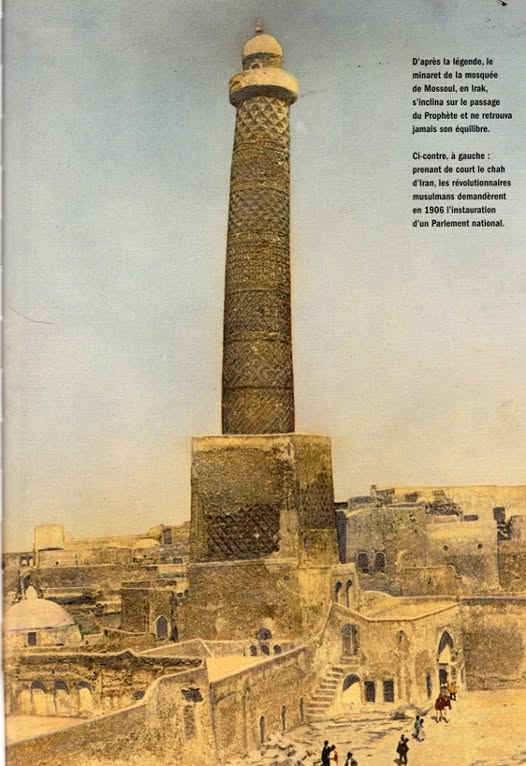
Throughout history, Nineveh has carried several titles. The Arabs called it “Al-Mawsil” (Mosul), meaning “the connector,” as it served as a link between East and West. It was also known as “Al-Hadbaa” (the Hunchback) due to the leaning minaret of the Great Mosque and the curve of the Tigris River within its boundaries. Another name, “Umm al-Rabi’ayn” (the Mother of Two Springs), refers to its mild climate that grants it two spring-like seasons, one of them in autumn.
The Significance of Nineveh
The governorate combines strategic geographic location, deep-rooted history, and cultural richness, making it a pivotal point in both ancient and modern Iraq. It stands as one of the most prominent governorates reflecting the enduring cultural and human heritage of the civilizations that flourished in Mesopotamia.