27 October، 2025
The Environmental Research Center at the University of Mosul continues to provide lectures for its training course as part of the Continuing Education Program
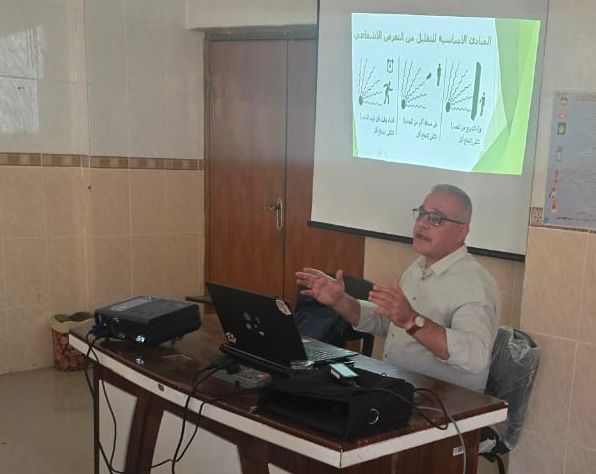
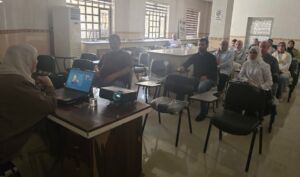
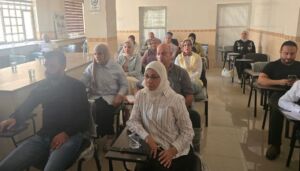
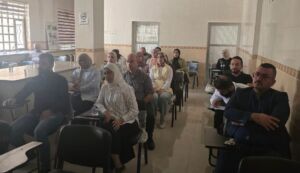
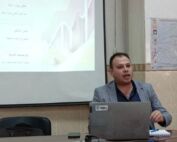
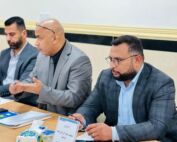
The Environmental Research Center at the University of Mosul continues its lectures as part of the training course titled “Environmental Problems in Iraq” on Monday, October 27, 2025. This course is part of its continuing education program, which aims to enhance environmental awareness and disseminate specialized scientific knowledge on contemporary environmental issues.
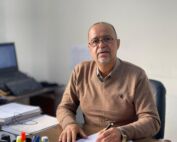
The second day of the course featured three scientific lectures. The first, titled “Methods of Radiation Protection,” was presented by Dr. Ali Bashir Aziz. He addressed the scientific foundations of radiation protection in the nuclear, medical, and industrial fields, with the goal of protecting humans and the environment from the harmful effects of exposure to ionizing radiation. He also explained the principles of radiation protection, which are based on reducing exposure time, increasing distance from the radiation source, and using protective shields appropriate for each type of radiation.
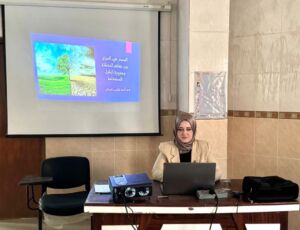
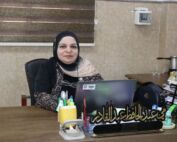
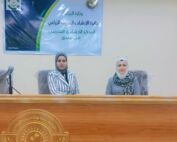
The second lecture, delivered by Assistant Professor Amina Faris Farhan, was titled “Desertification in Iraq: Between the Exacerbation of the Problem and the Need for Sustainable Solutions.” She addressed the worsening phenomenon of desertification in the country as a result of declining water resources, rising temperatures, and poor land management. She also presented a number of sustainable solutions to address the phenomenon, most notably enhancing vegetation cover, adopting modern irrigation systems, and land reclamation. She also highlighted regional cooperation in water resource management, spreading environmental awareness, and supporting scientific research to ensure the sustainability of natural resources and combat desertification in the long term.
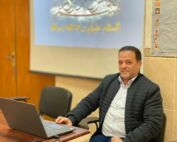
The second day concluded with a lecture by Assistant Professor Safwa Waleed Ahmed, titled “Radioactive Pollution and the Environmental Legacy of Wars in Iraq.” She addressed the effects of the use of depleted uranium weapons during wars and the resulting dangerous radioactive contamination that negatively impacted human health and the environment, causing increased rates of cancer and birth defects. She also emphasized the importance of strengthening environmental monitoring and treatment programs and establishing specialized stations to monitor radiation levels, as well as supporting community awareness and scientific research in this vital field.
This course comes within the framework of the Environmental Research Center’s efforts to achieve sustainable development goals, particularly:
Goal 3 (Good Health and Well-being), Goal 6 (Clean Water and Sanitation), Goal 9 (Industry, Innovation and Infrastructure), Goal 11 (Sustainable Cities and Communities), Goal 12 (Responsible Consumption and Production), Goal 13 (Climate Action), Goal 15 (Life on Land), and Goal 16 (Peace, Justice and Strong Institutions).