28 October، 2025
The Environmental Research Center at the University of Mosul continues to provide lectures for its training course as part of the Continuing Education Program.
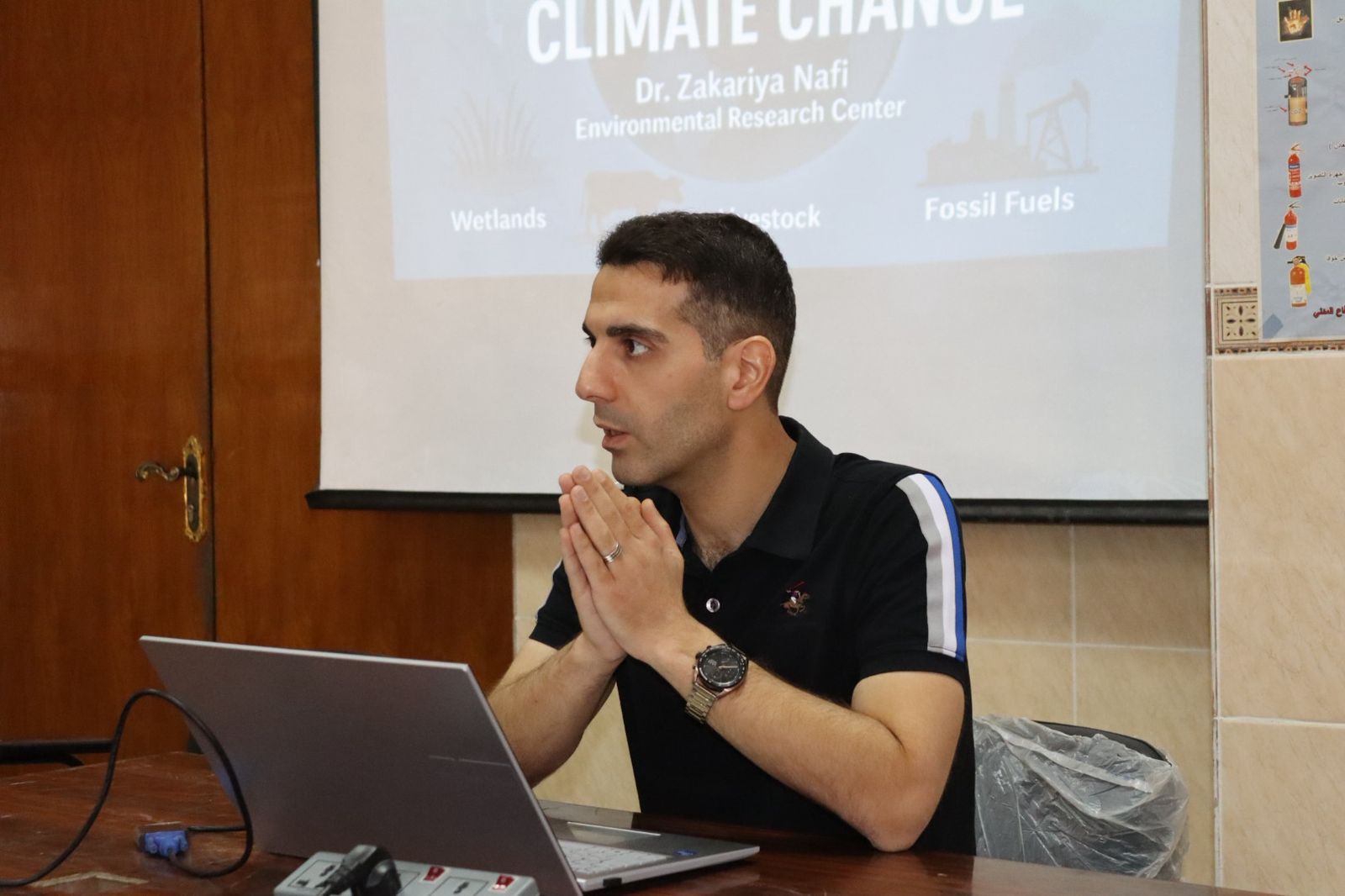
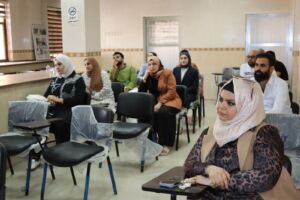
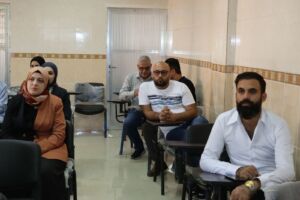
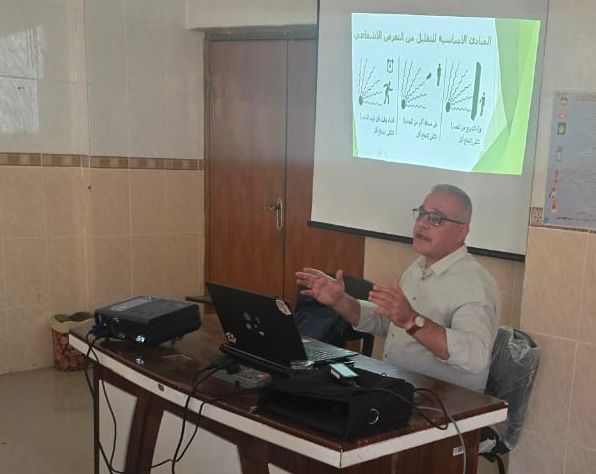
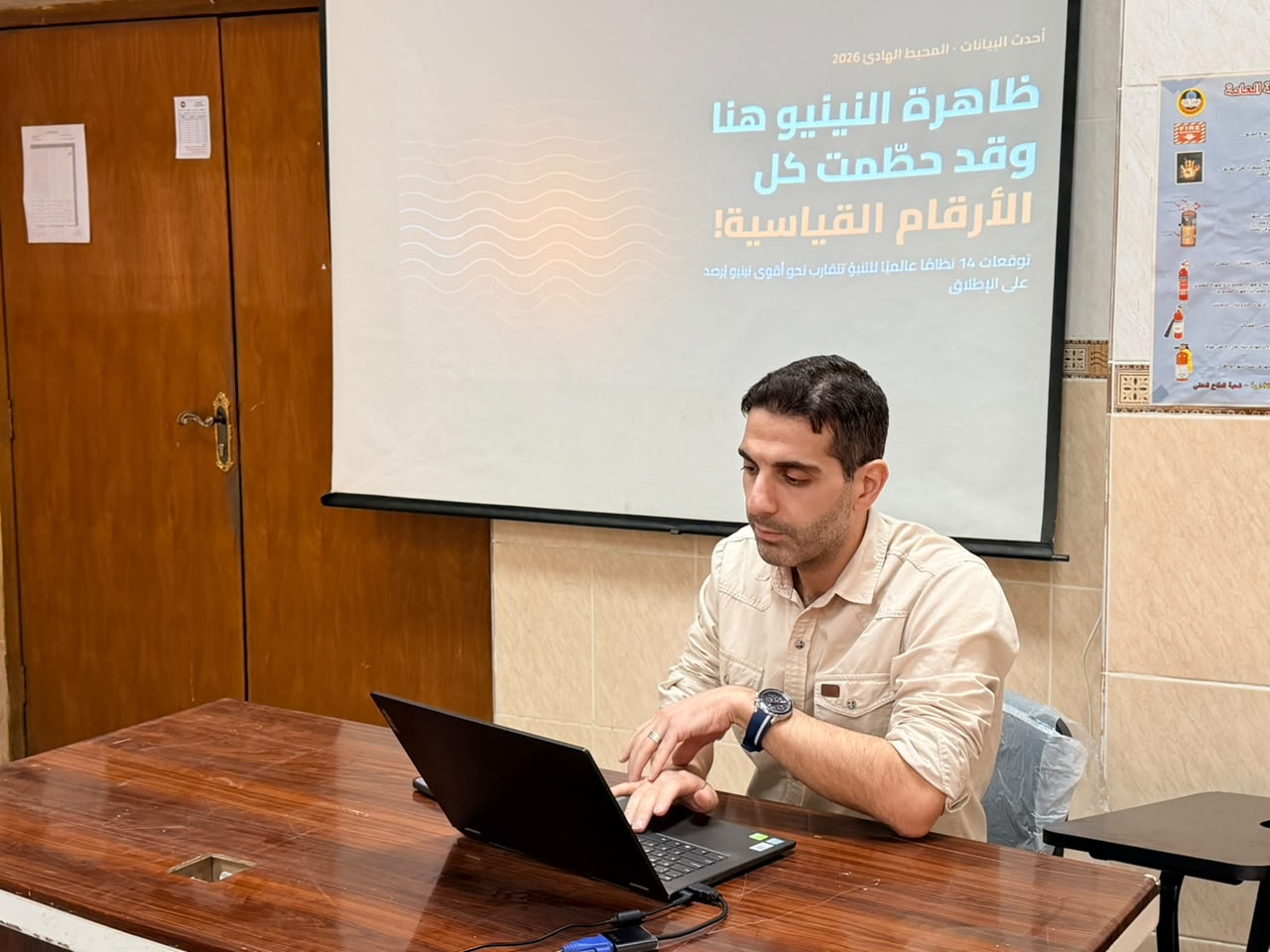
The Environmental Research Center at the University of Mosul continues to deliver its scientific lectures as part of the training course titled “Environmental Problems in Iraq,” which is being held as part of the Continuing Education Program, on Tuesday, October 28, 2025.
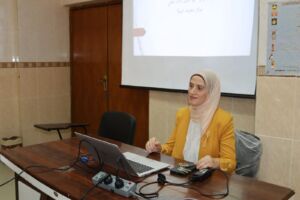
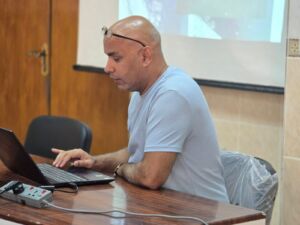
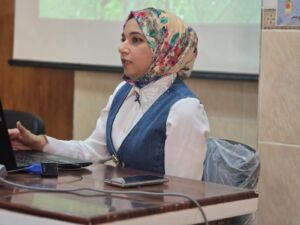
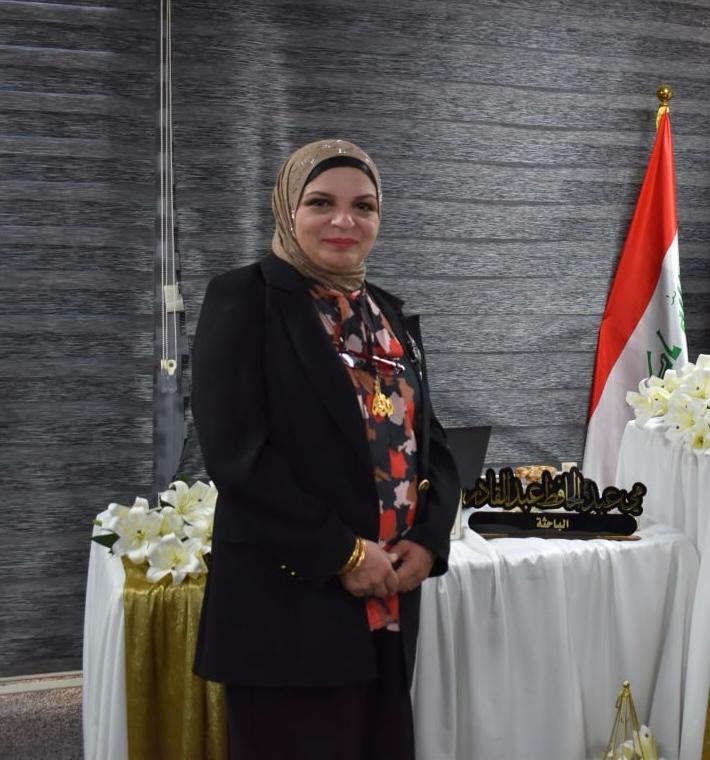
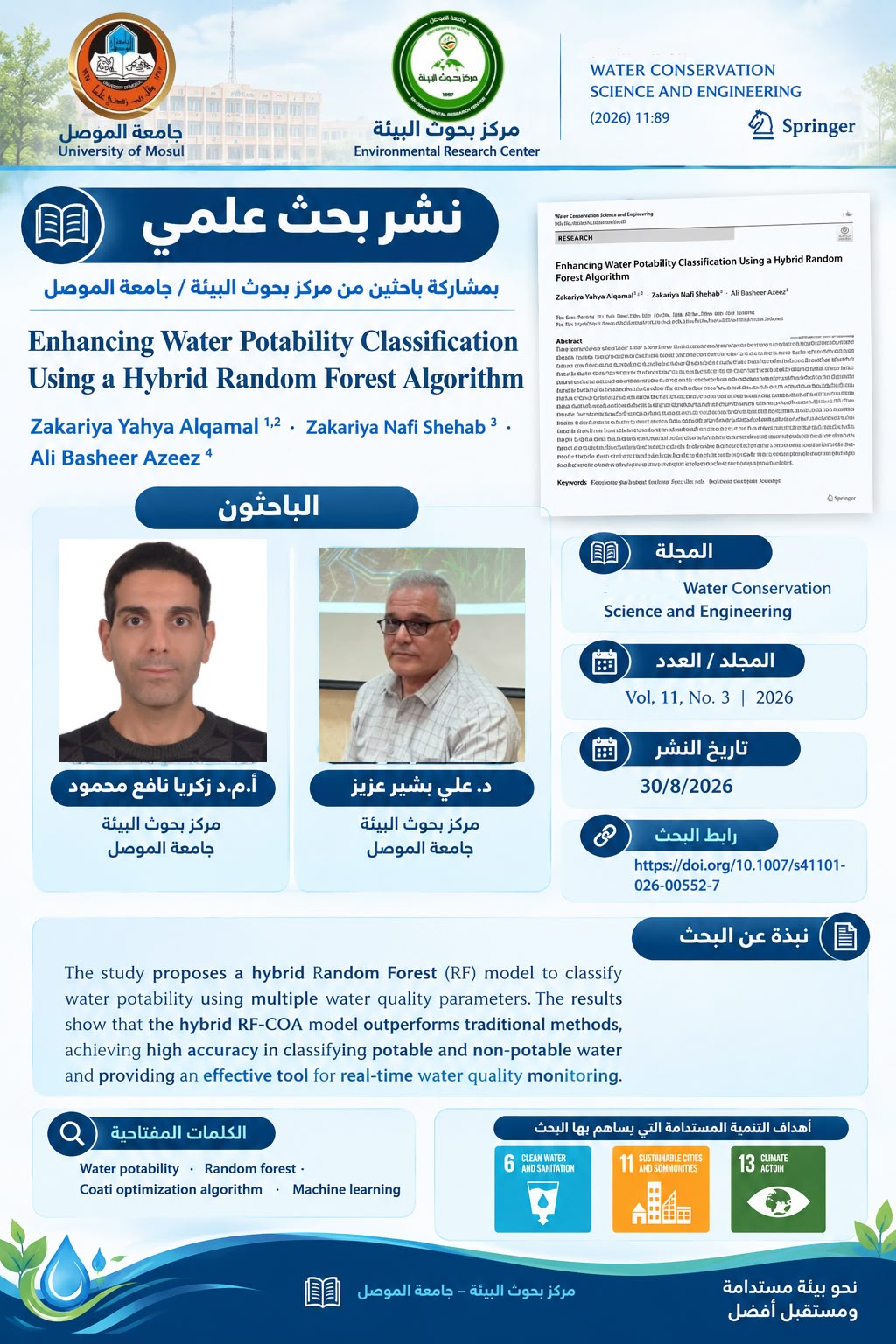
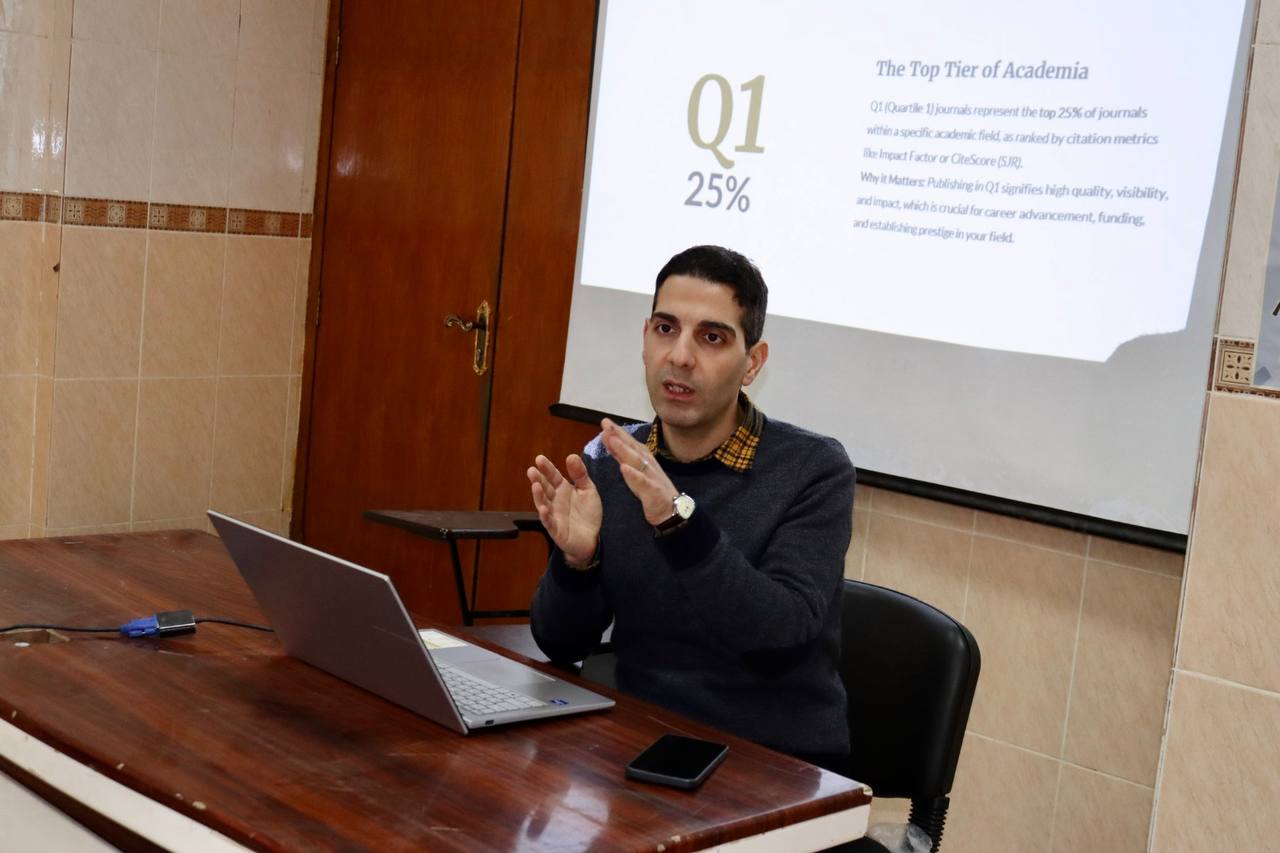
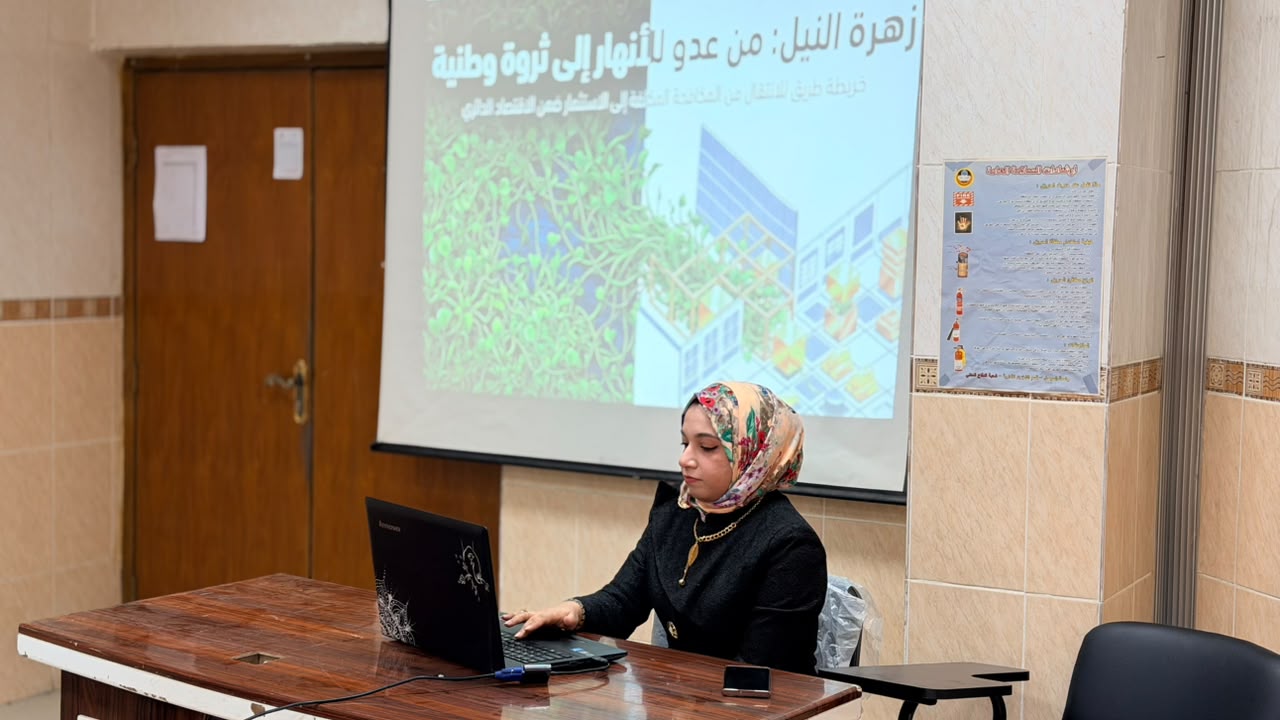
The third day of the course featured three specialized scientific lectures, addressing key current environmental issues and ways to address them. The first, titled “Methane and Its Role in Climate Change,” was presented by Dr. Zakaria Nafie Mahmoud and Dr. Zahraa Ezz El-Din Younes. It addressed the importance of reducing methane emissions as a pivotal step in combating climate change. The two researchers explained that methane is the second most important greenhouse gas after carbon dioxide, and is emitted primarily from the agricultural sectors, fossil fuels, landfills, and wetlands. They also emphasized that reducing its emissions is one of the fastest and most effective means of slowing the pace of global warming. The second lecture, titled “Problems of Wastewater Treatment in Nineveh,” was presented by Dr. Riyad Mahmoud Saleh. It addressed the reality of wastewater and sewage treatment in Nineveh Governorate and Iraq in general, highlighting the challenges and obstacles facing achieving sustainable environmental management that keeps pace with international standards in this field. The third lecture, titled “Biodiversity in the Face of Environmental Changes in Iraq,” was presented by Assistant Lecturer Reem Nawzat Ahmed. She reviewed the serious environmental threats currently facing Iraq, particularly water pollution, drought, air and soil pollution, and the resulting loss and deterioration of biodiversity.
This course comes within the framework of the efforts of the Environmental Research Center at the University of Mosul to enhance environmental awareness and support research and training in related fields, in line with the Sustainable Development Goals, particularly: Goal 2 (Zero Hunger), Goal 6 (Clean Water and Sanitation), Goal 12 (Responsible Consumption and Production), Goal 13 (Climate Action), Goal 14 (Life Below Water), and Goal 15 (Life on Land).