30 October، 2025
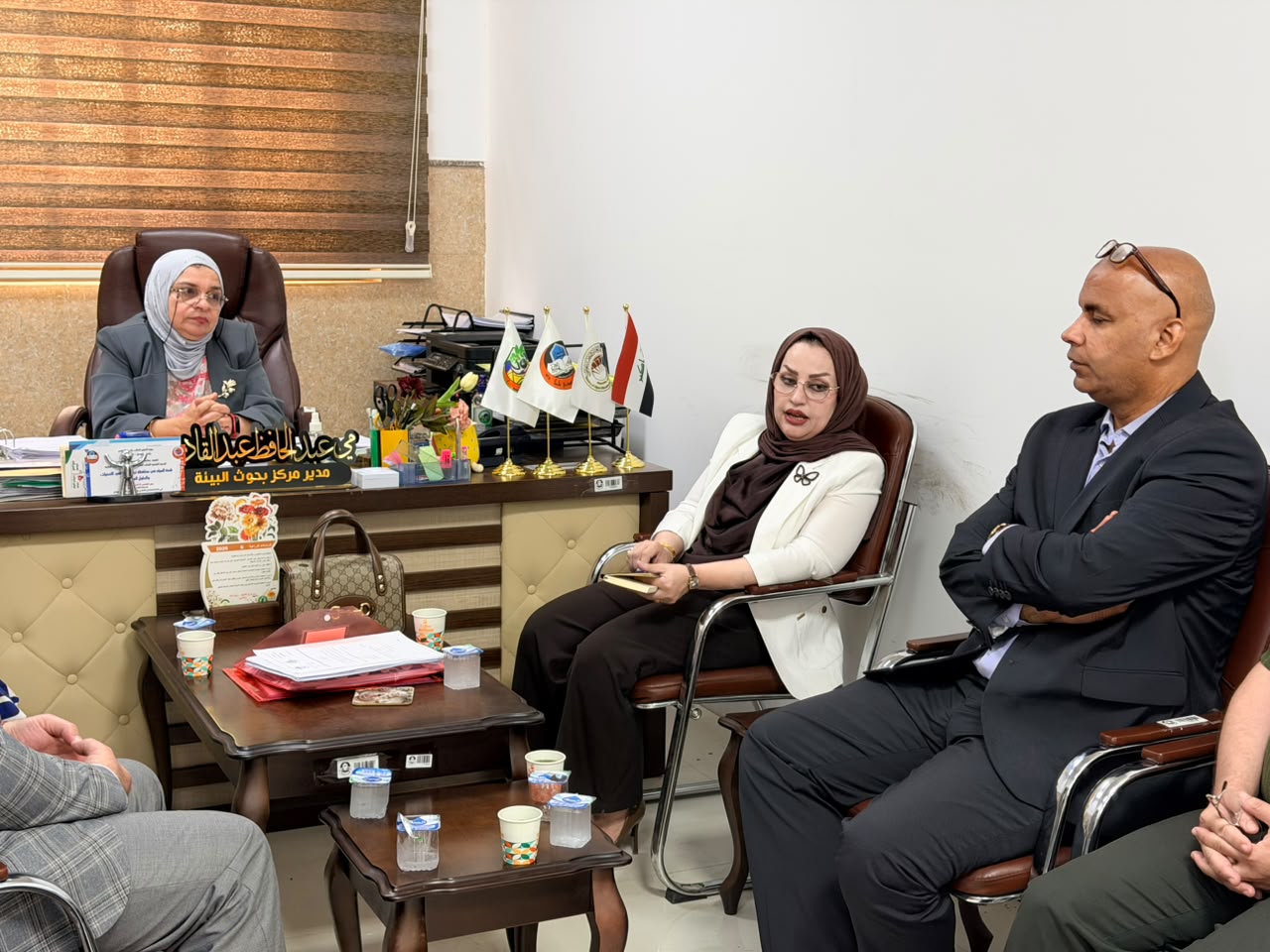
The Environmental Research Center at the University of Mosul continues its training course activities within the Continuing Education Program.
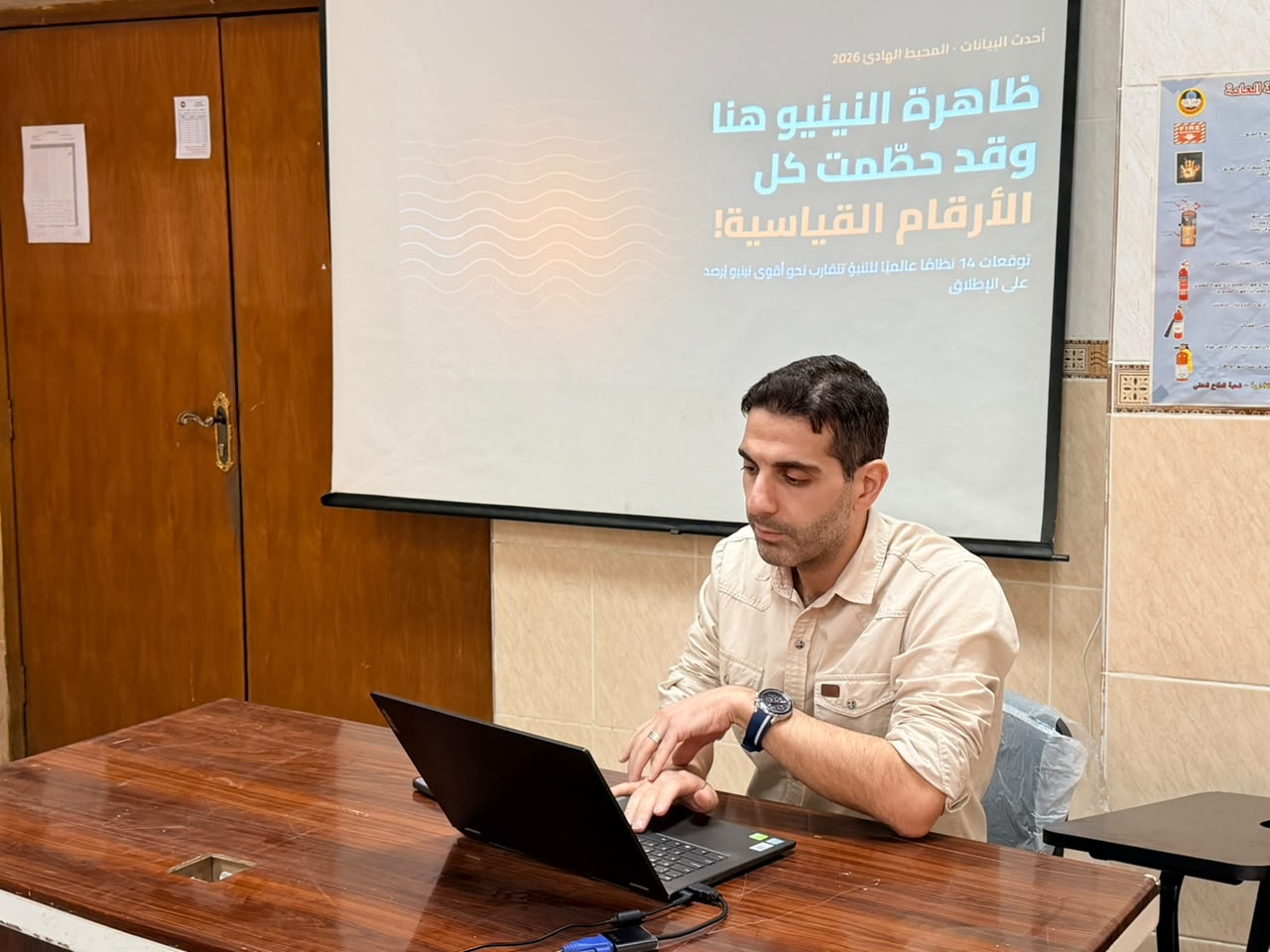
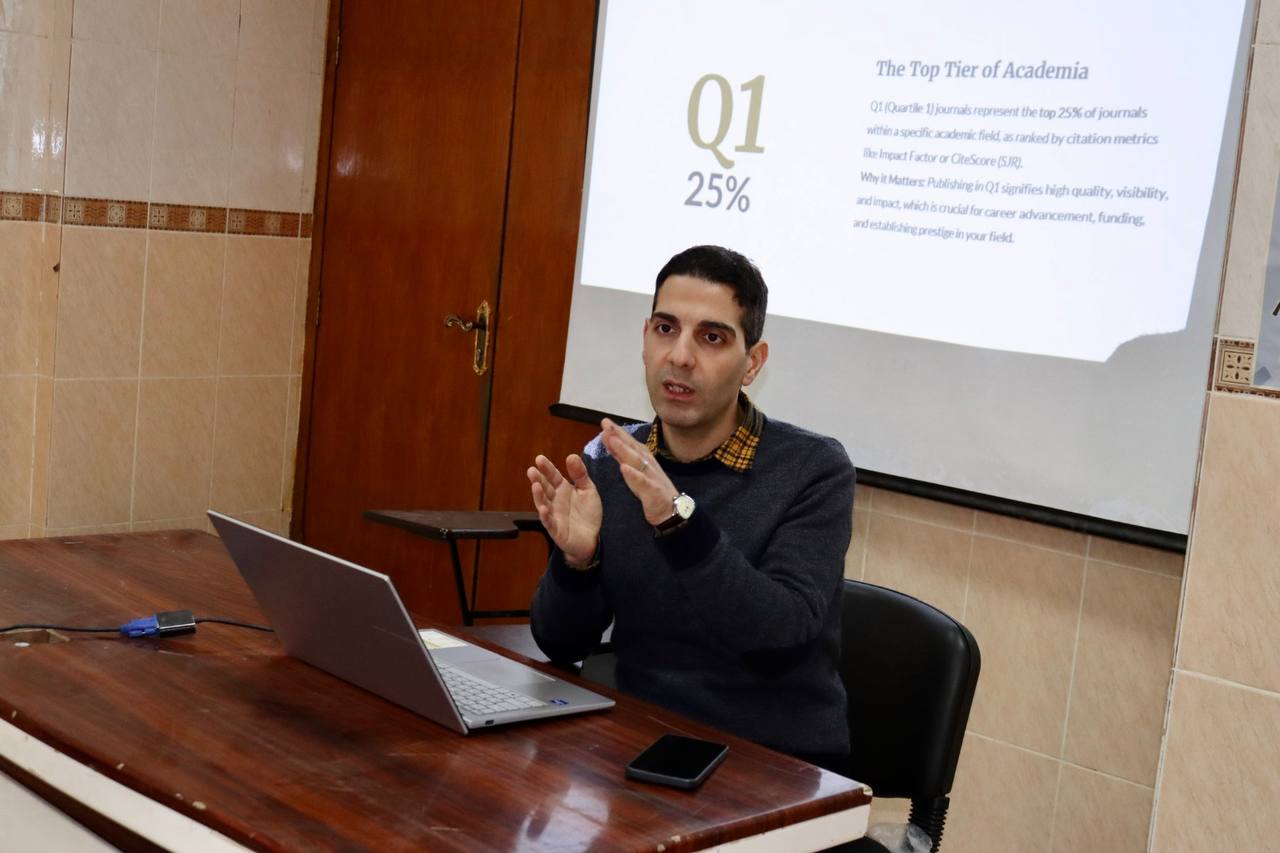
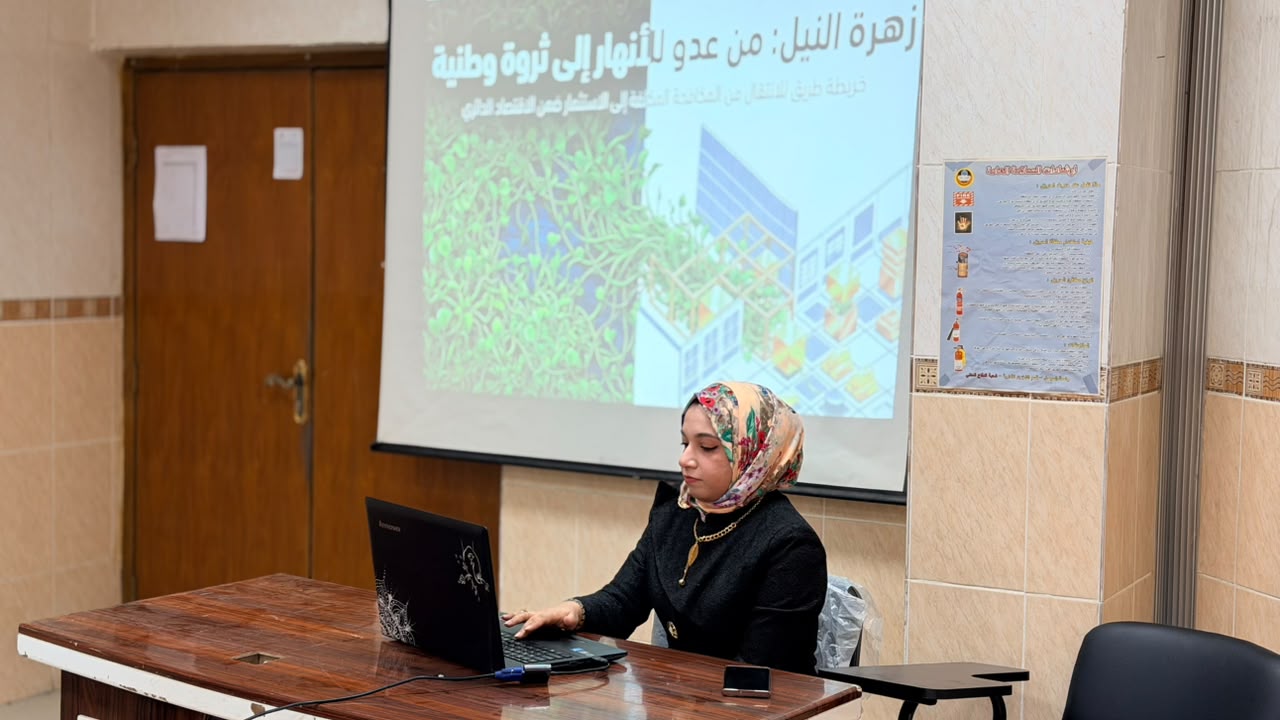
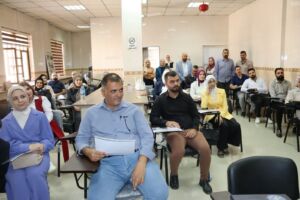
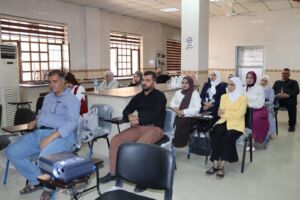
The Environmental Research Center at the University of Mosul continues to offer lectures for its training course entitled “Environmental Problems in Iraq”, which is held within the Continuing Education Program, on Wednesday, October 29, 2025. The curriculum for the fourth day of the course included three specialized scientific lectures that addressed the most prominent environmental issues facing Iraq and ways to reduce their effects.
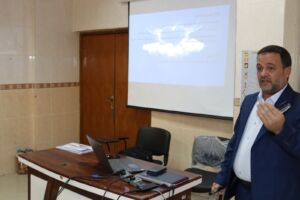
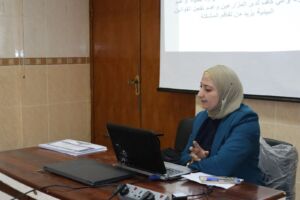
The sessions began with the first lecture, entitled “Environmental and Health Impacts of Random Waste Fires,” presented by Assistant Professor Dr. Mai Abdel Hafez Abdel Qader, in which she discussed the types of waste and their environmental and health risks, as well as reviewing recent statistics on this phenomenon, the reasons for its exacerbation, and a set of practical proposals to reduce it.
This was followed by the second lecture, entitled “The Impact of Medicines on the Iraqi Environment (Concern about Drug Pollution and its Impact on Public Health)”, delivered by Dr. Muhammad Salem Sheeth, in which he addressed the phenomenon of environmental pollution resulting from drug residues and their sources, while presenting ways and mechanisms to reduce this problem and modern methods for dealing with pharmaceutical waste in a way that preserves public health.
The third lecture, titled “The Impact of Neglect and Drought on the Agricultural Environment in Iraq,” was presented by Assistant Lecturer Nada Younis Taher. It focused on analyzing the causes of drought and the decline in agricultural activity, and their direct impact on the environment and national food security. She also emphasized the need to adopt sustainable solutions to support the agricultural sector, activate agricultural extension programs, and encourage the use of modern irrigation technologies to address climate change.
This course is part of the Environmental Research Center’s efforts to achieve the Sustainable Development Goals, particularly Goal 2 (Zero Hunger), Goal 3 (Good Health and Well-being), Goal 4 (Quality Education), Goal 6 (Clean Water and Sanitation), Goal 8 (Decent Work and Economic Growth), Goal 9 (Industry, Innovation and Infrastructure), Goal 11 (Sustainable Cities and Communities), Goal 14 (Life Below Water), Goal 15 (Life on Land), and Goal 17 (Partnerships for the Goals) .
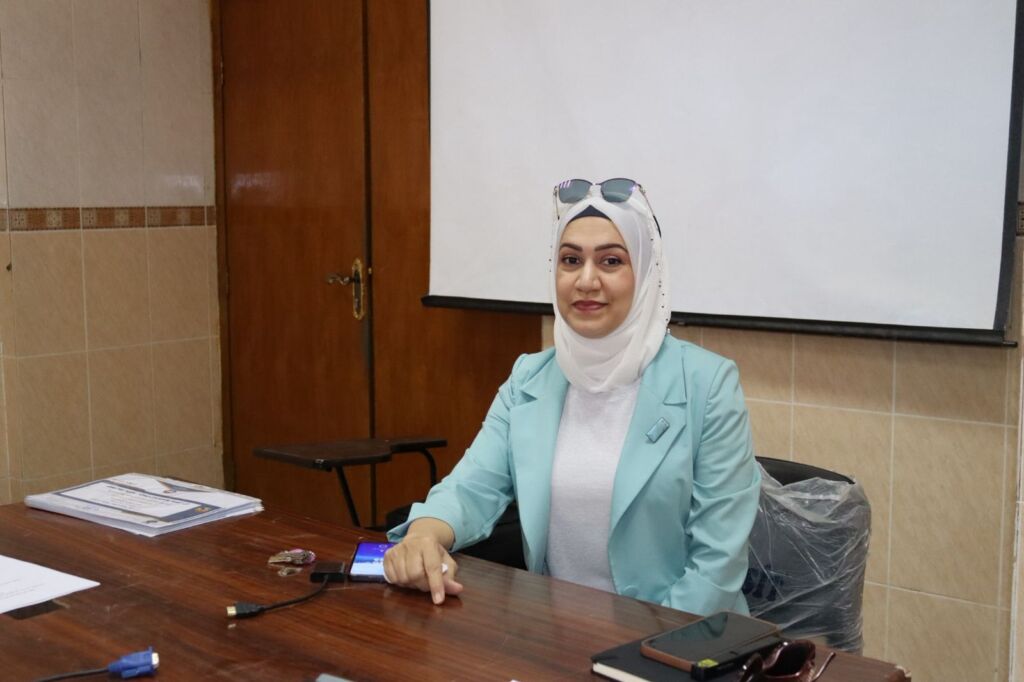 The Environmental Research Center at the University of Mosul concludes its training course within the Continuing Education Program and honors the participants.
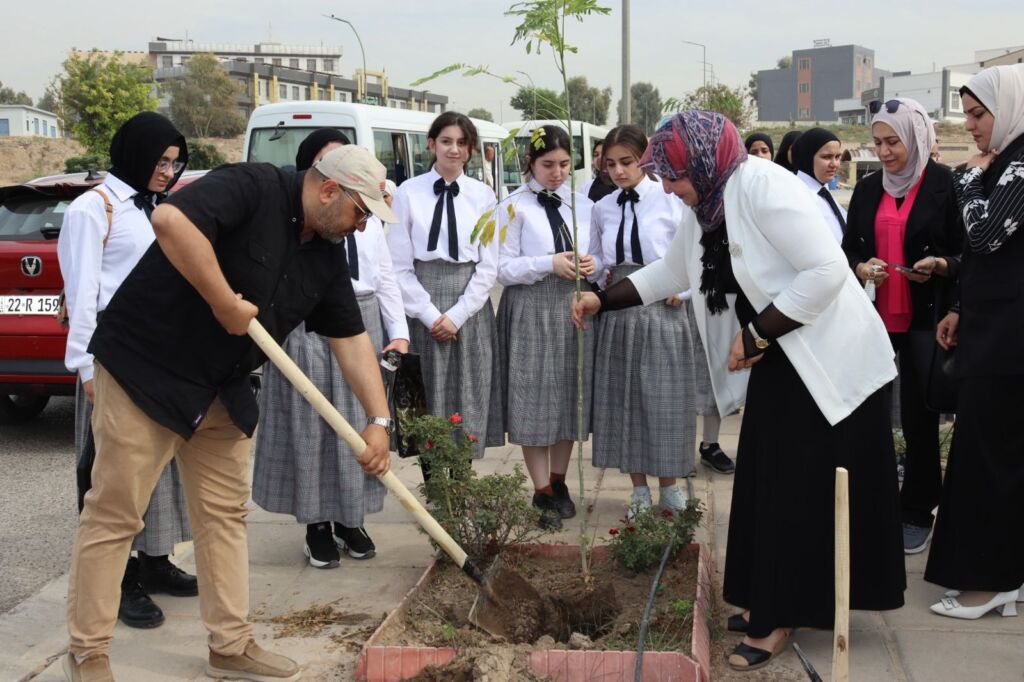 The Environmental Research Center at the University of Mosul Launches a Tree Planting Campaign as Part of the “Seeds of Mercy” Initiative