7 October، 2026
Regional Studies Center Discusses the Situation of Iraq’s Neighboring Regional States and Their Challenges in September
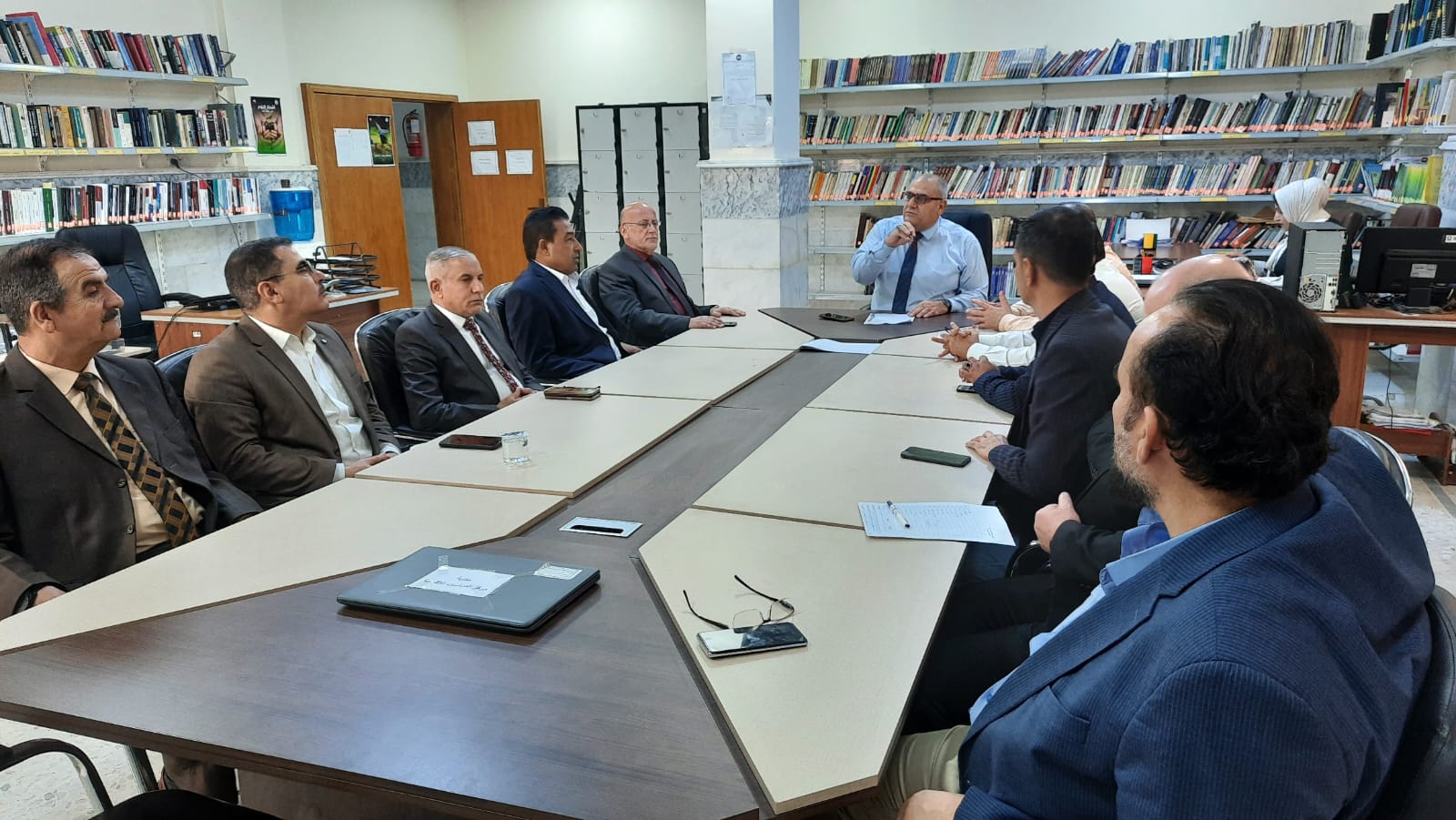
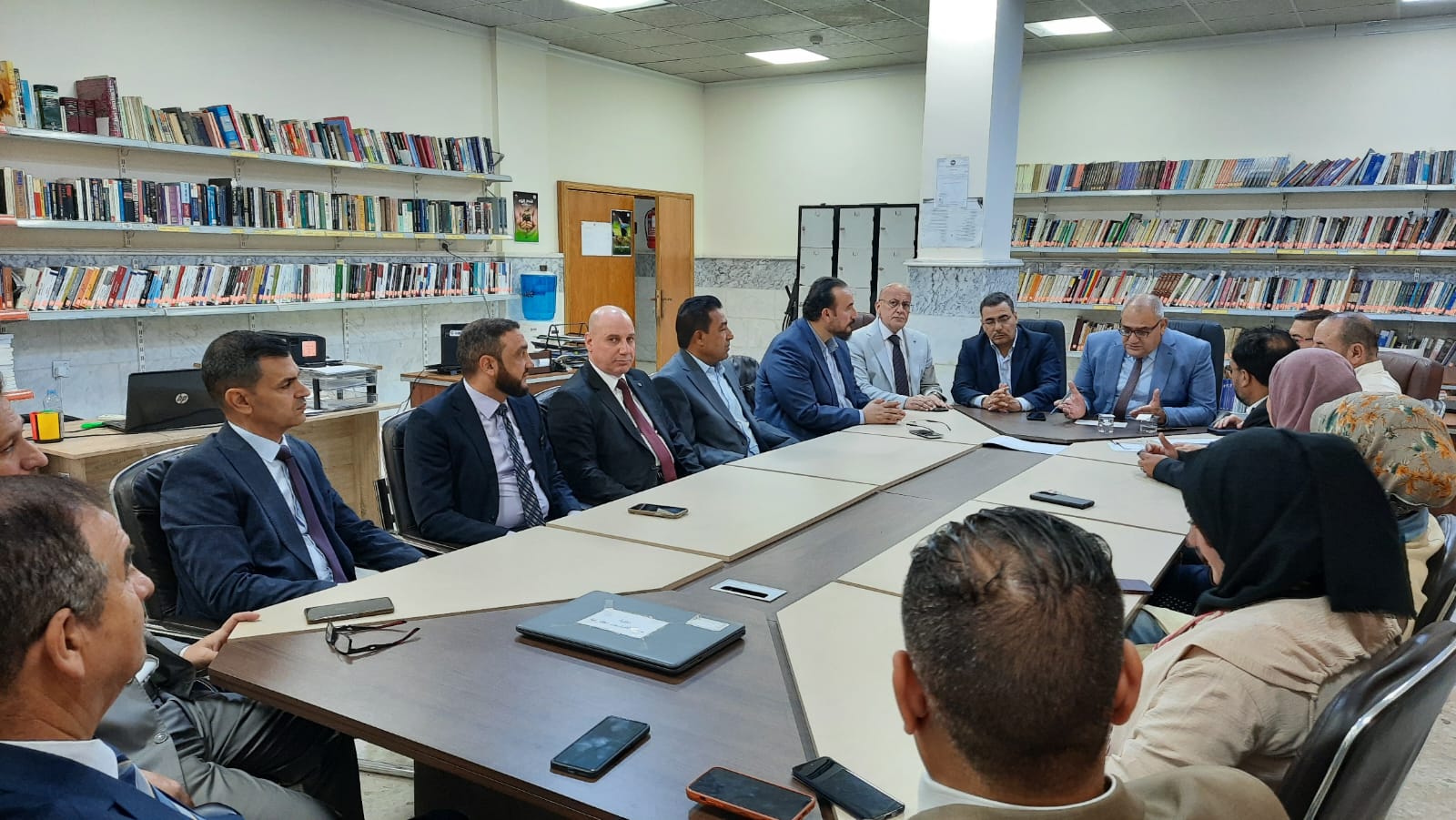
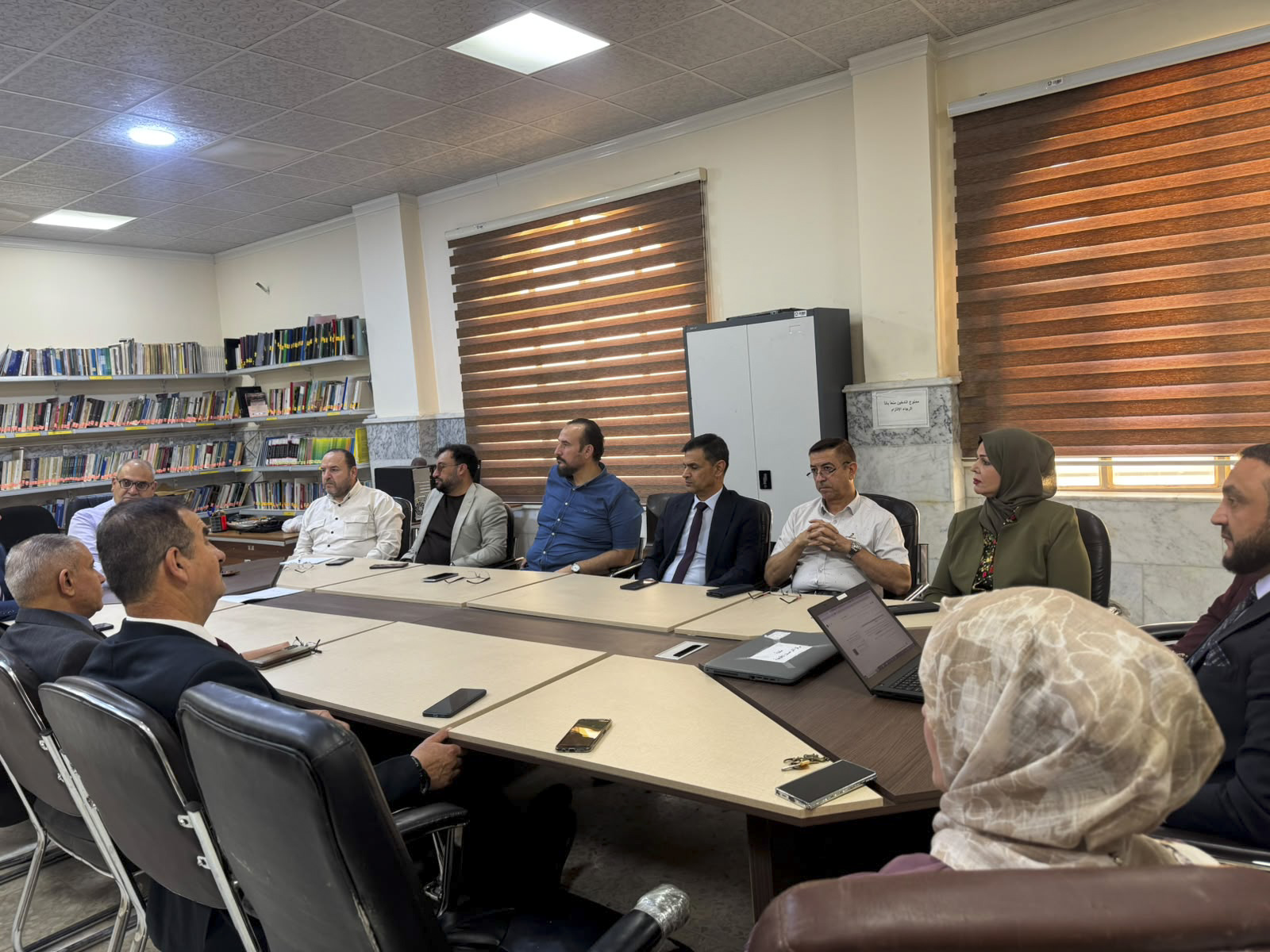
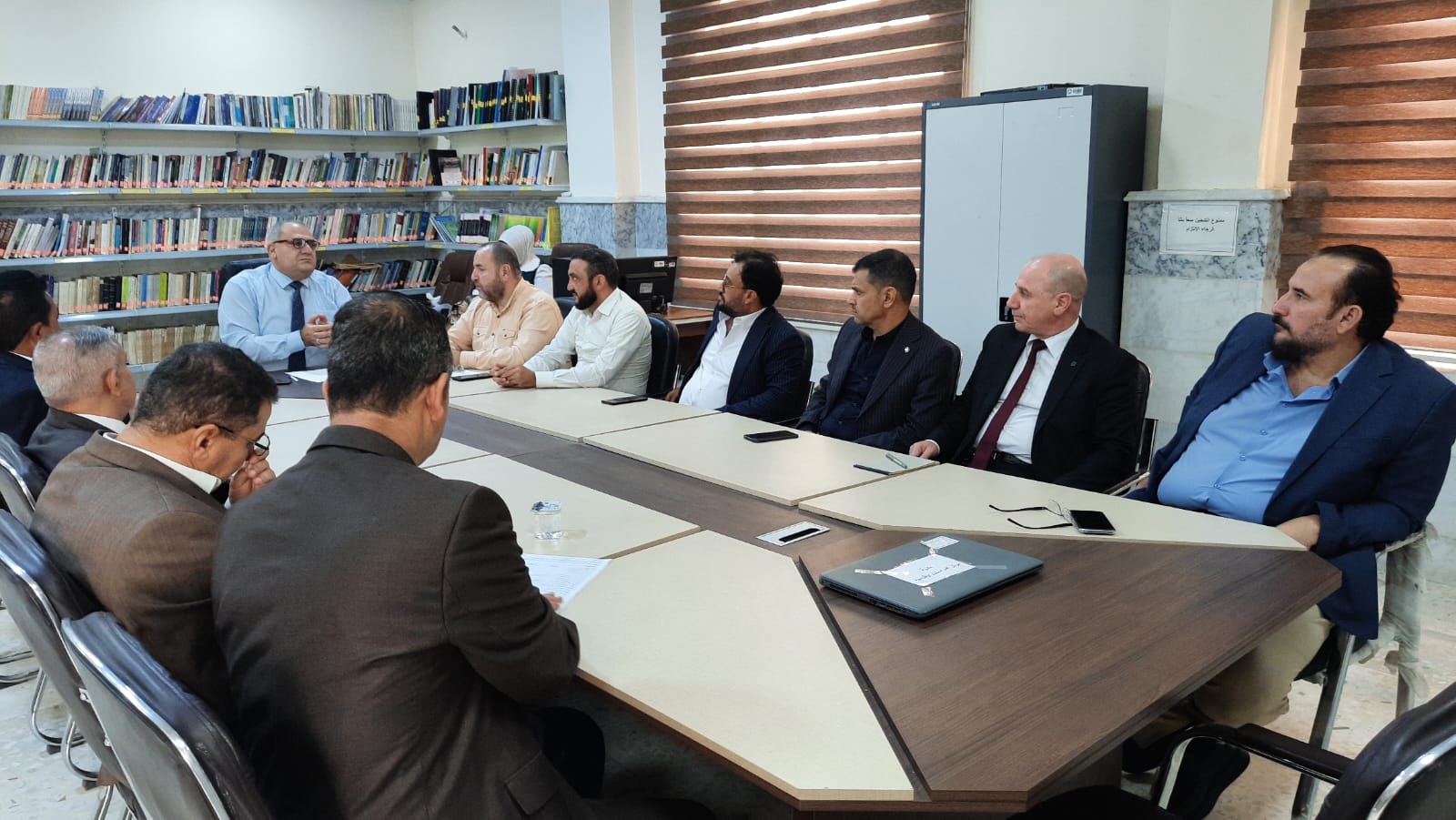
Regional Studies Center/Continuing Education Unit, in cooperation with the Studies and Planning Department/Sustainable Development Unit at the University Presidency, organized a seminar on Wednesday, October 7, 2026, entitled “The Situation of Iraq’s Neighboring Regional States: An Analysis of the Challenges during September”. The seminar examined the key political, security, and economic developments that shaped Iraq’s regional environment during September 2026 and their potential implications for Iraq’s national interests and security.
The seminar focused on the transformations witnessed in Iran, Türkiye, Syria, the Gulf states, and Jordan amid continuing regional tensions, the repercussions of the Iranian-American conflict, and developments related to Gulf security and the Strait of Hormuz. It also addressed ongoing developments in Syria and their implications for Iraqi border security.
The discussions examined the nature of the challenges facing Iraq in its relations with neighboring countries, particularly in the areas of security, the economy, energy, water, trade, and strategic corridors. Emphasis was placed on the importance of regularly monitoring regional developments and anticipating their direct and indirect impacts on Iraq.
The seminar also addressed Iraqi-Turkish relations and the importance of the Development Road Project in strengthening Iraq’s geographic and economic position. Participants discussed the repercussions of security developments in Syria on the Iraqi border, as well as the importance of enhancing regional cooperation mechanisms to counter terrorism, organized crime, and threats to border security.
The participants further examined the impact of developments in the Gulf region on Iraq’s energy security and trade, highlighting the importance of diversifying trade and transport corridors and leveraging Iraq’s geographic position to strengthen its role as a link between countries across the region and their economic centers.
The seminar emphasized that the transformations witnessed in the region during September underscore the need for regular monthly assessments of the regional environment. Such assessments can help monitor developments, understand emerging trends, and anticipate their implications for Iraq.
The seminar concluded by stressing the importance of moving beyond treating regional developments as isolated crises and instead viewing them as part of an interconnected regional system in which security, energy, water, economic interests, and strategic corridors overlap. This approach would strengthen Iraq’s capacity to manage its regional environment and capitalize on its geographic position in advancing its national interests.
The seminar forms part of the Regional Studies Center’s ongoing efforts at the University of Mosul to monitor transformations in Iraq’s regional environment and provide analytical perspectives that contribute to a deeper understanding of the challenges and opportunities arising from Iraq’s relations with its regional surroundings.
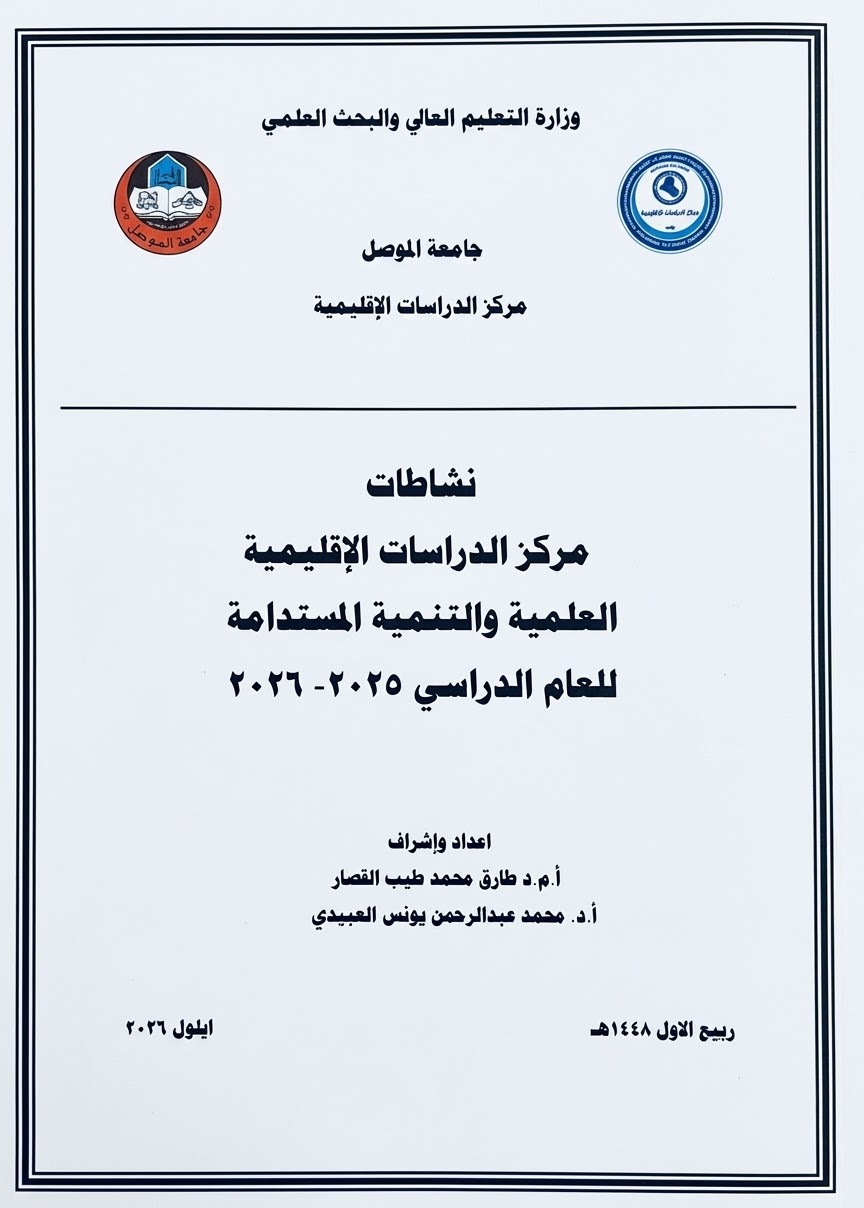
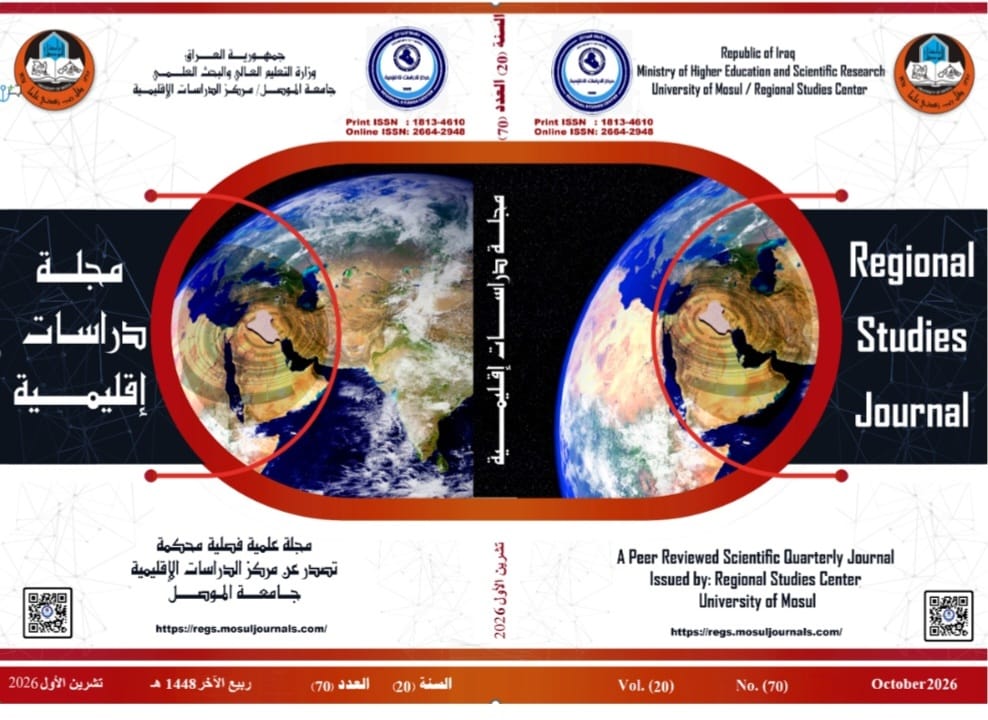
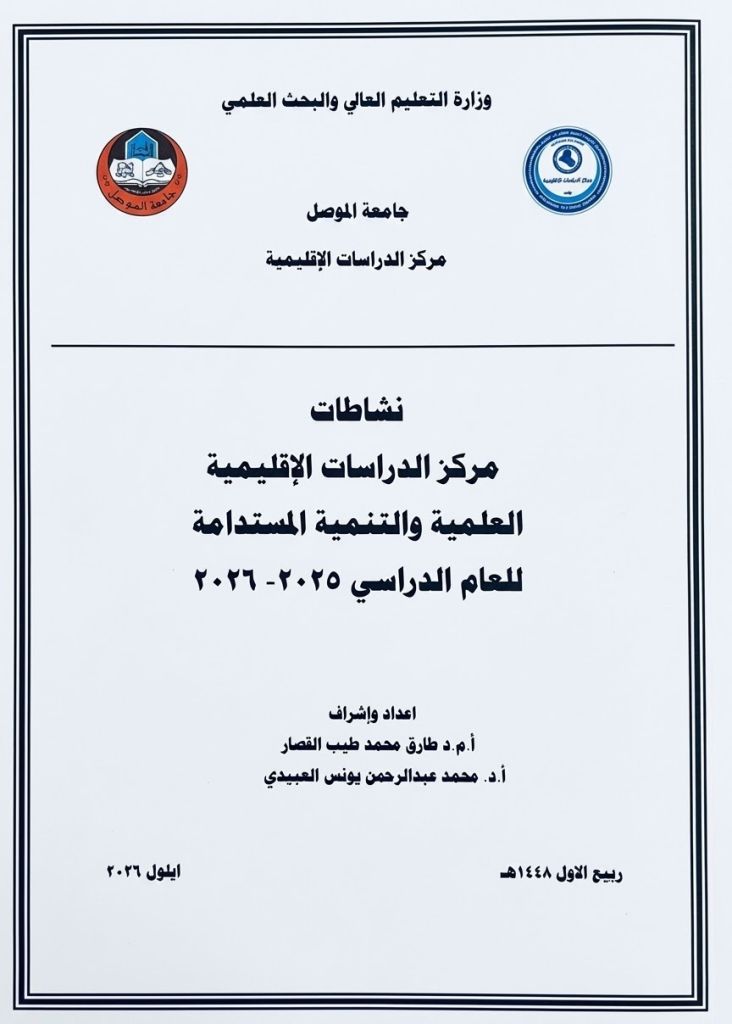 Regional Studies Center Publishes Book on Scientific Activities and Sustainable Development