21 October، 2026
Regional Studies Center Holds a Seminar on the Middle East and the Future of Regional Security
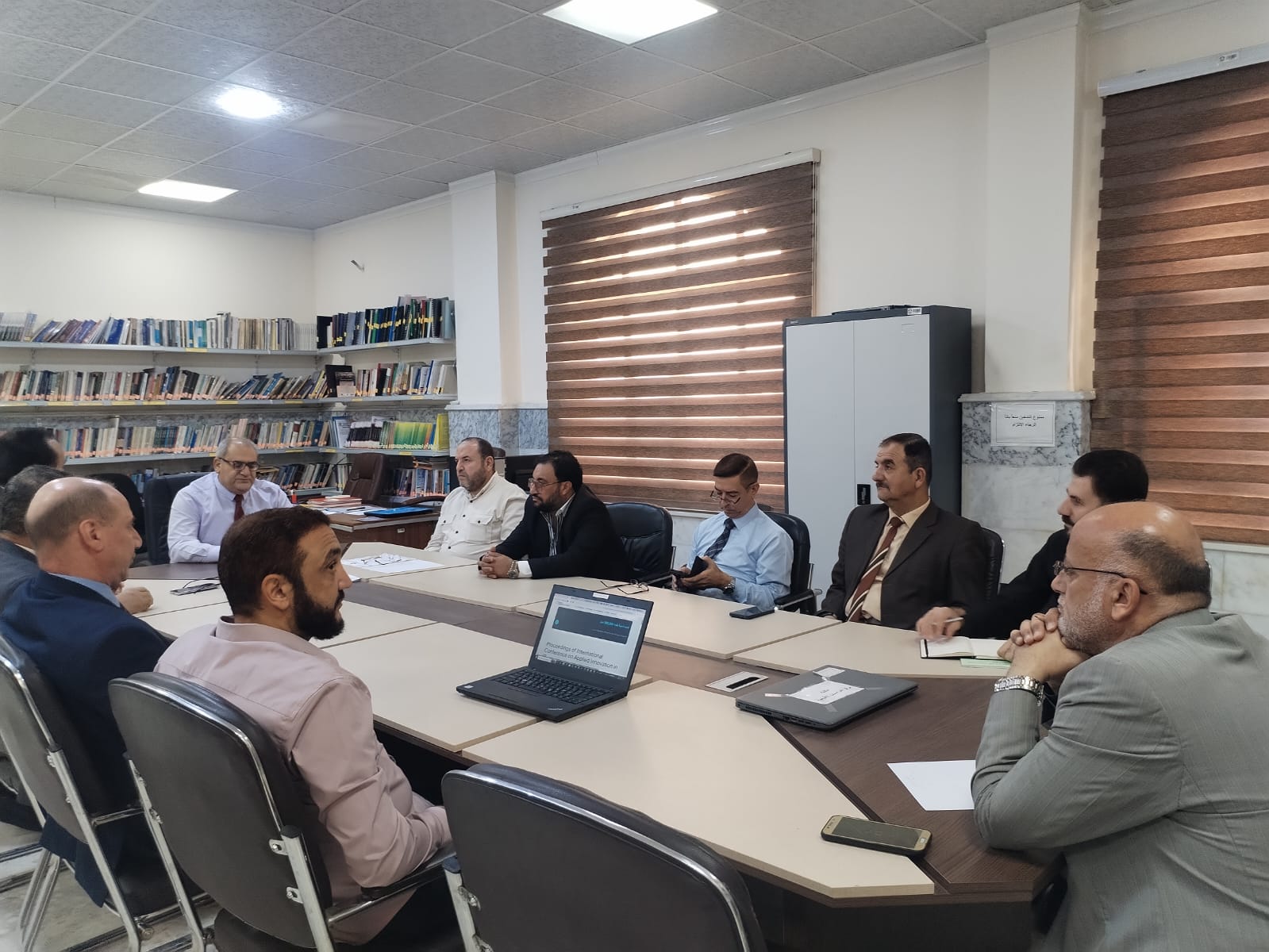
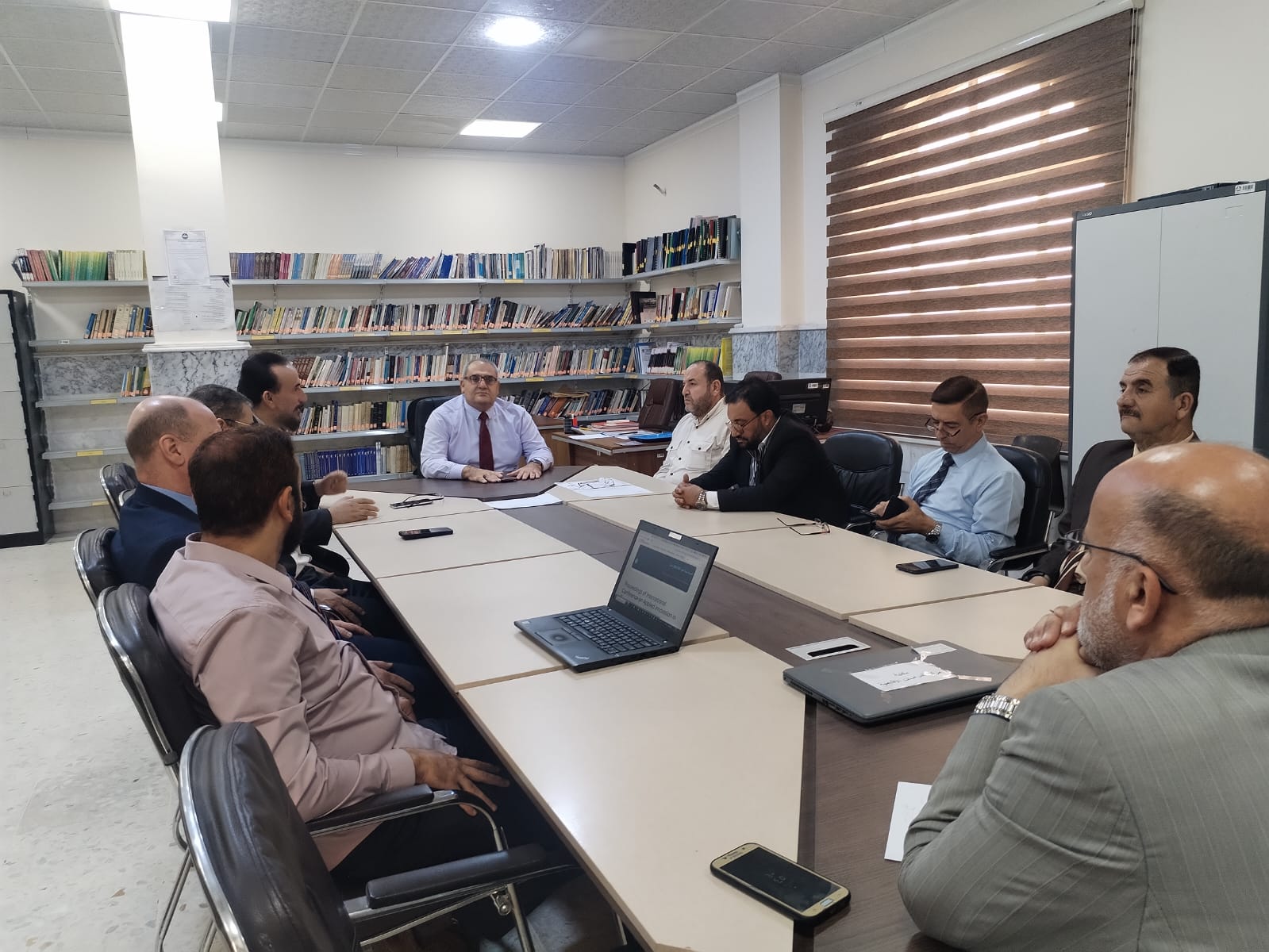
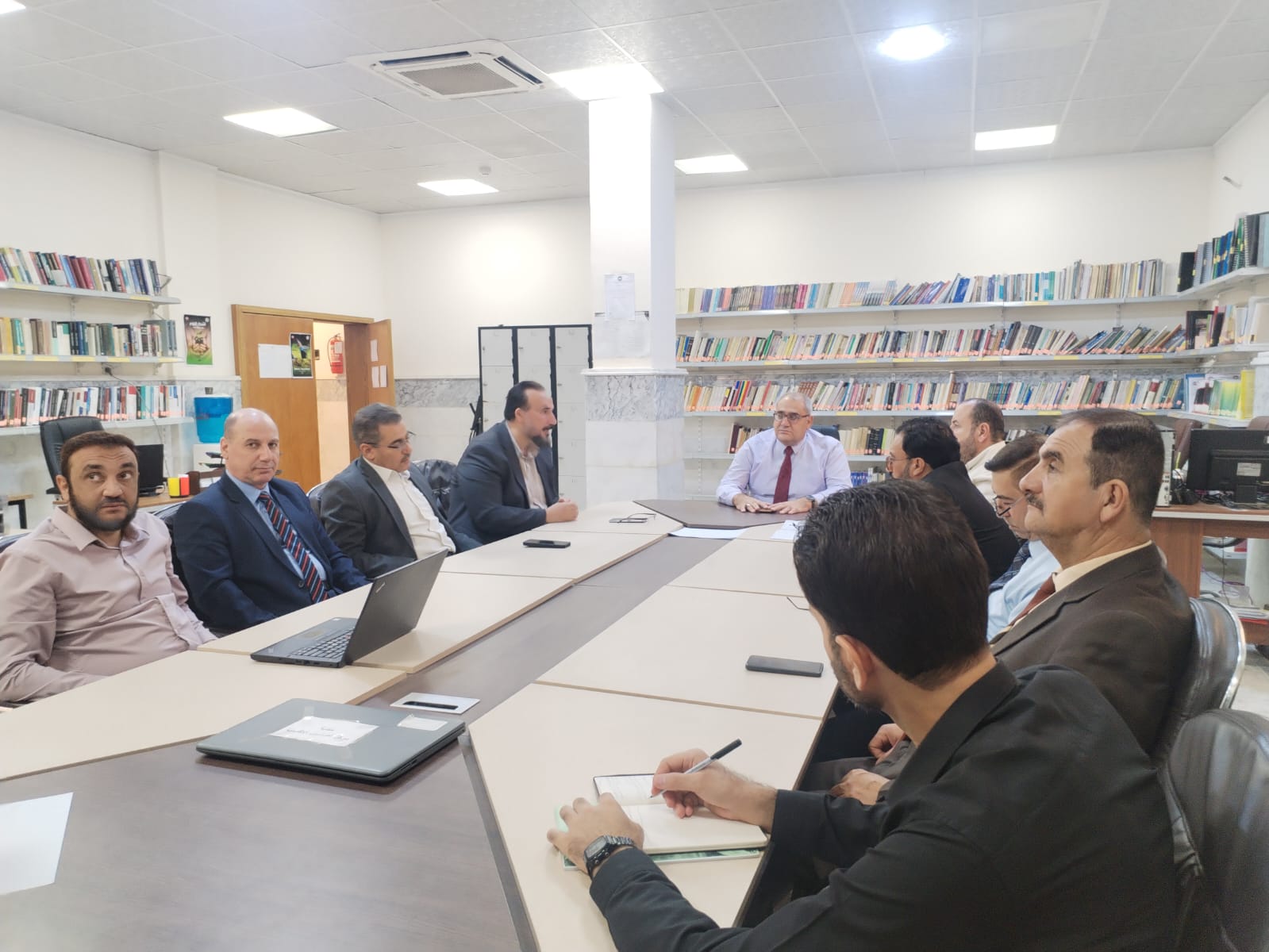
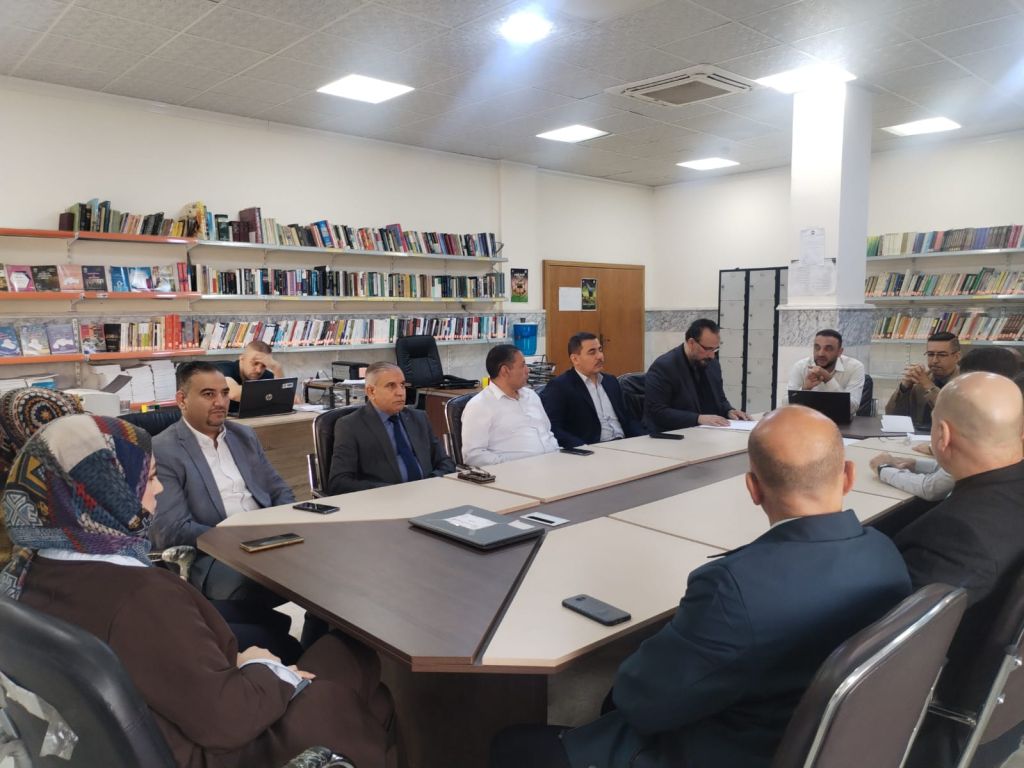
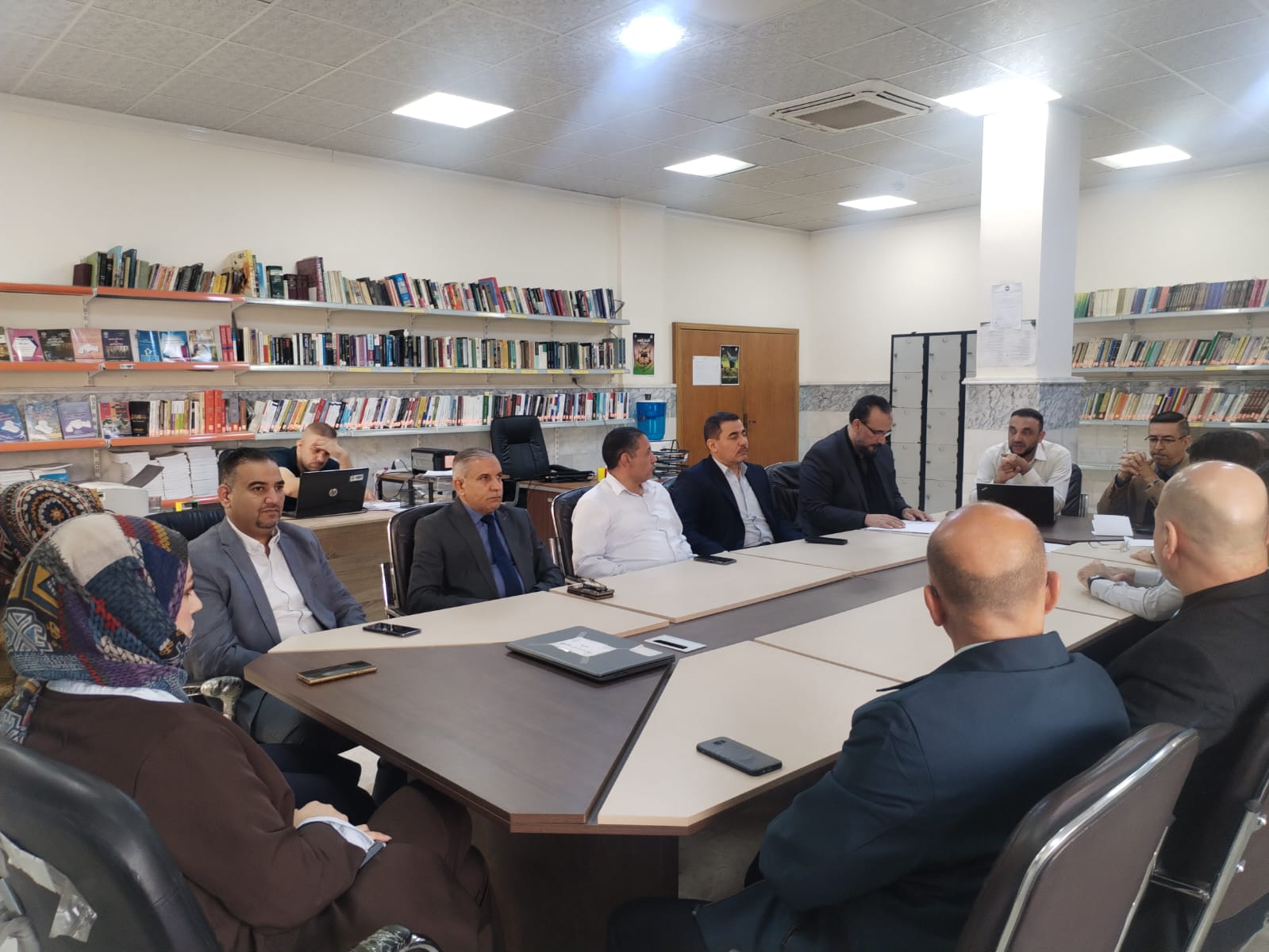
On Wednesday, 21 October 2026, the Regional Studies Center, represented by its Continuing Education Unit, in cooperation with the Sustainable Development Unit of the Department of Studies and Planning at the University Presidency, held a seminar entitled “The Middle East and the Future of Regional Security”. The seminar examined the rapid geopolitical transformations unfolding across the region and their implications for the regional security architecture amid escalating conflicts, intensifying competition among regional and international powers, and mounting security, political, and economic challenges.
The seminar addressed several key themes, foremost among them the future of regional power balances, changing patterns of conflict and sources of threats, and the future of relations among key actors in the Middle East. Discussions also explored the impact of regional and international competition on the stability of the region, as well as the implications of these transformations for Iraq’s national security and its position within the regional environment.
The discussions further highlighted the importance of adopting comprehensive analytical approaches to regional security that go beyond traditional approaches to conflict resolution and take into account the interconnected dimensions of political, military, economic, and water security. The importance of dialogue, diplomacy, and regional cooperation in reducing tensions and establishing more stable and sustainable security arrangements was also emphasized.
The seminar underscored the importance of strengthening the Regional Studies Center’s research role in providing strategic analyses of regional developments and anticipating their future trajectories. Such efforts contribute to supporting decision-makers and developing a sound scientific understanding of the challenges and opportunities facing Iraq within its regional environment.
The seminar forms part of the Regional Studies Center’s ongoing efforts to promote academic dialogue and generate strategic knowledge on regional affairs in ways that support prospects for stability and peace. It also aligns with the United Nations Sustainable Development Goals (SDGs), particularly Goal 16: Peace, Justice and Strong Institutions, and Goal 17: Partnerships for the Goals. It also contributes to Goal 6: Clean Water and Sanitation, by highlighting water security as a key dimension of regional security; Goal 8: Decent Work and Economic Growth, by emphasizing the importance of regional stability in supporting economic development; and Goal 4: Quality Education, by promoting academic dialogue and disseminating scientific and strategic knowledge.