23 June، 2025
Training Course on the Negative Impacts of Corruption on Academic and Professional Activities in Light of the Sustainable Development Goals
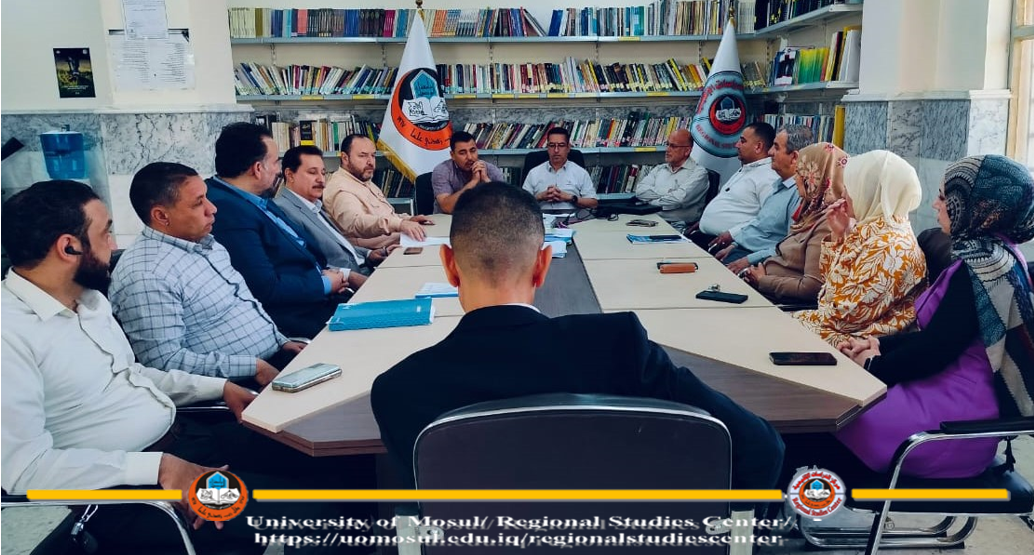
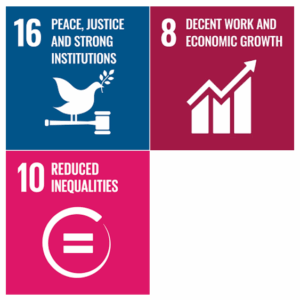
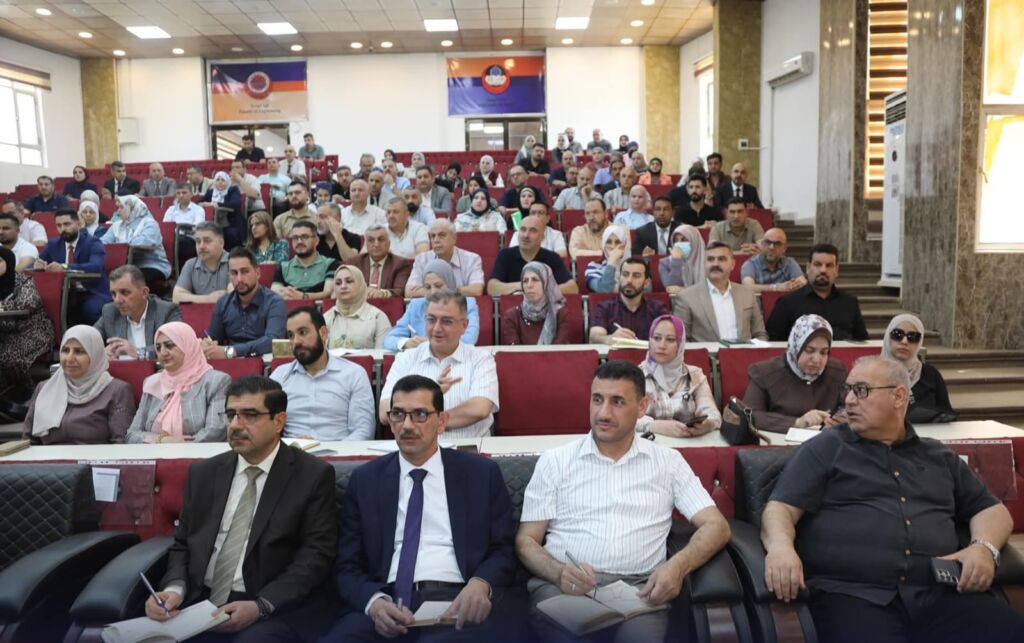
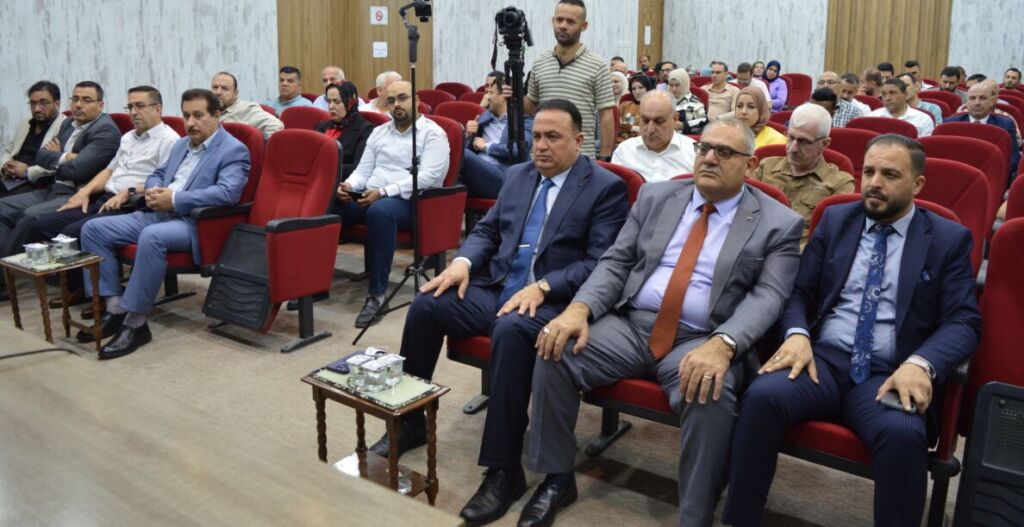
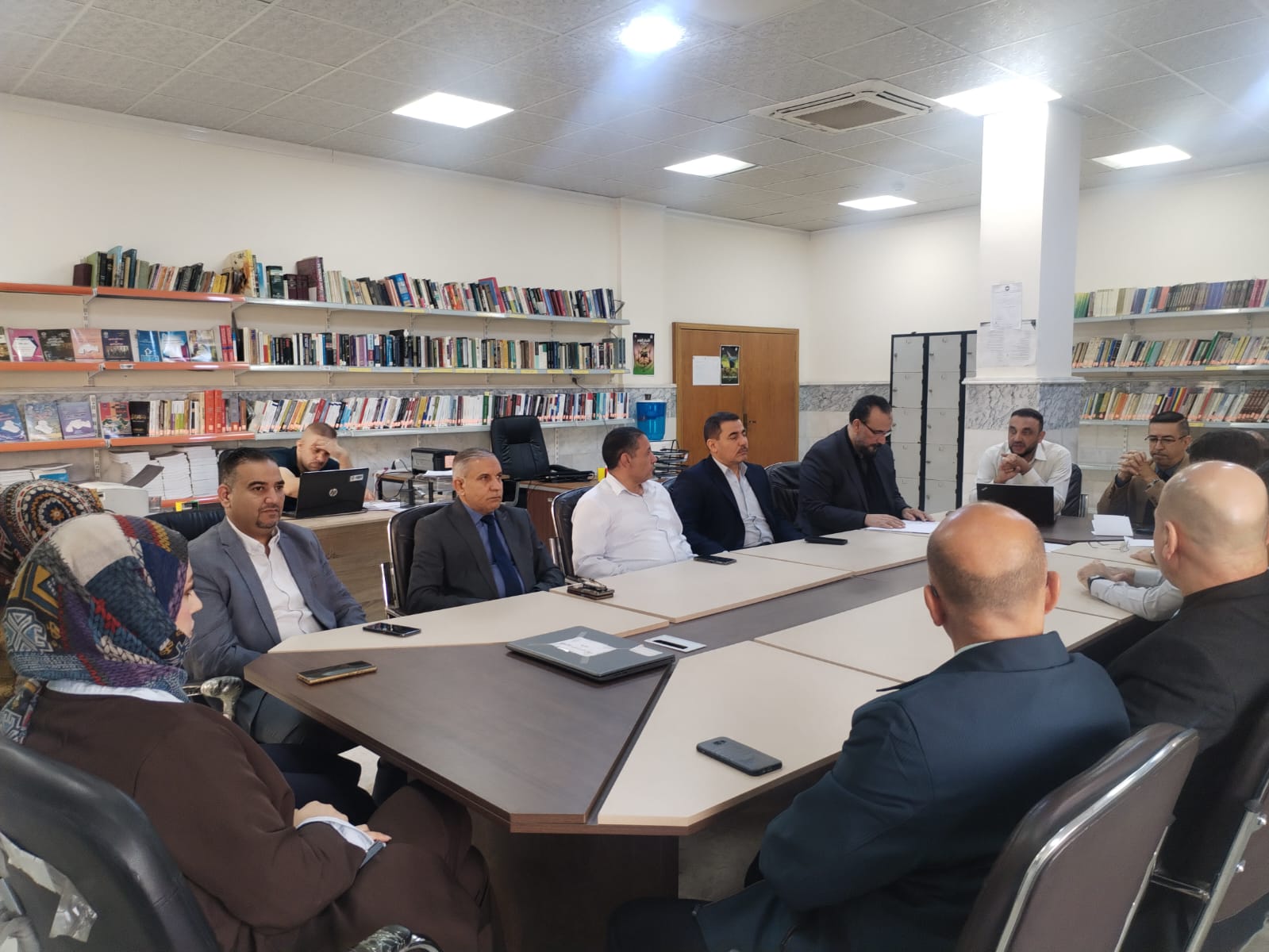
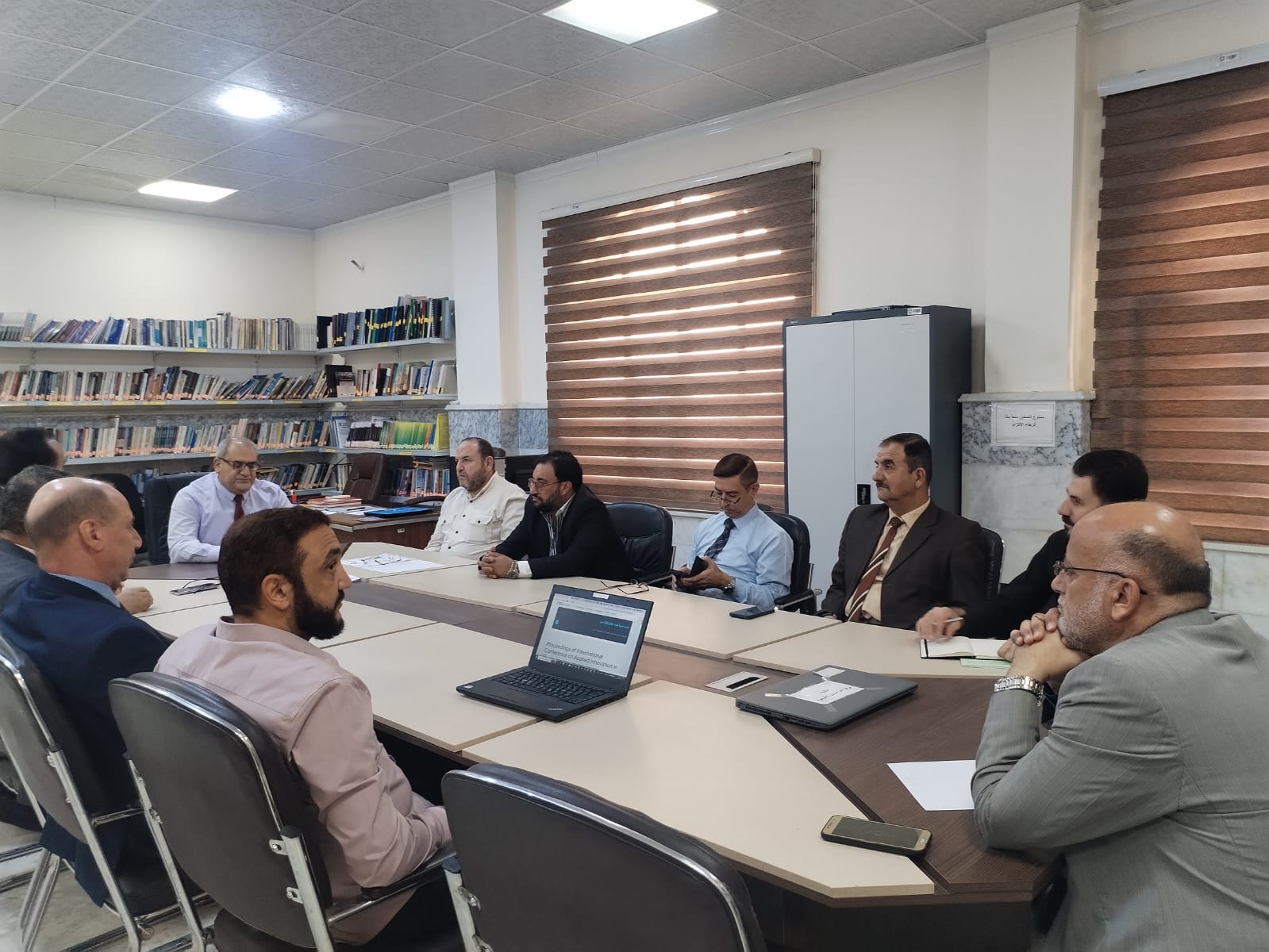
In pursuit of the Sustainable Development Goals (SDGs), particularly Goal 16 (Peace, Justice, and Strong Institutions), Goal 10 (Reduced Inequalities)—where corruption exacerbates economic disparity—and Goal 8 (Decent Work and Economic Growth)—where corruption undermines inclusive economic growth—the Regional Studies Center, in collaboration with the In cooperation with the Sustainable Development Unit at the University Presidency, organized a training course titled “Manifestations of Corruption, Its Risks, and Effective Strategies to Combat It”, the course was held from 22 to 23 June 2025.
The course aimed to raise participants’ awareness about the profound negative effects of corruption on academic and institutional environments, highlighting its multifaceted risks that threaten justice, weaken transparency, and erode public trust in institutions. Additionally, the course sought to promote the values of integrity and good governance by fostering a culture of accountability and legal awareness.
The course commenced with an opening lecture on the first day delivered by Assist. Prof. Dr. Faris Turki Mahmood, who addressed the manifestations of administrative and academic corruption—ranging from manipulation in appointments and promotions to favoritism in awarding academic degrees and handling financial resources. He emphasized that corruption is not limited to individual practices but extends to systems and institutions, requiring collective efforts to combat it through stringent legislation and strengthened oversight bodies.
The course concluded with recommendations stressing the importance of ethical and institutional commitment to integrity principles and the necessity of engaging various stakeholders in the academic and professional communities in anti-corruption efforts. This supports the path toward sustainable development and the establishment of strong institutions founded on justice and transparency.