28 June، 2026
Regional Studies Center Holds Seminar on the Role of Historical Figures and Events in Shaping Nations’ Historical Memory and their Connection to Sustainable Development
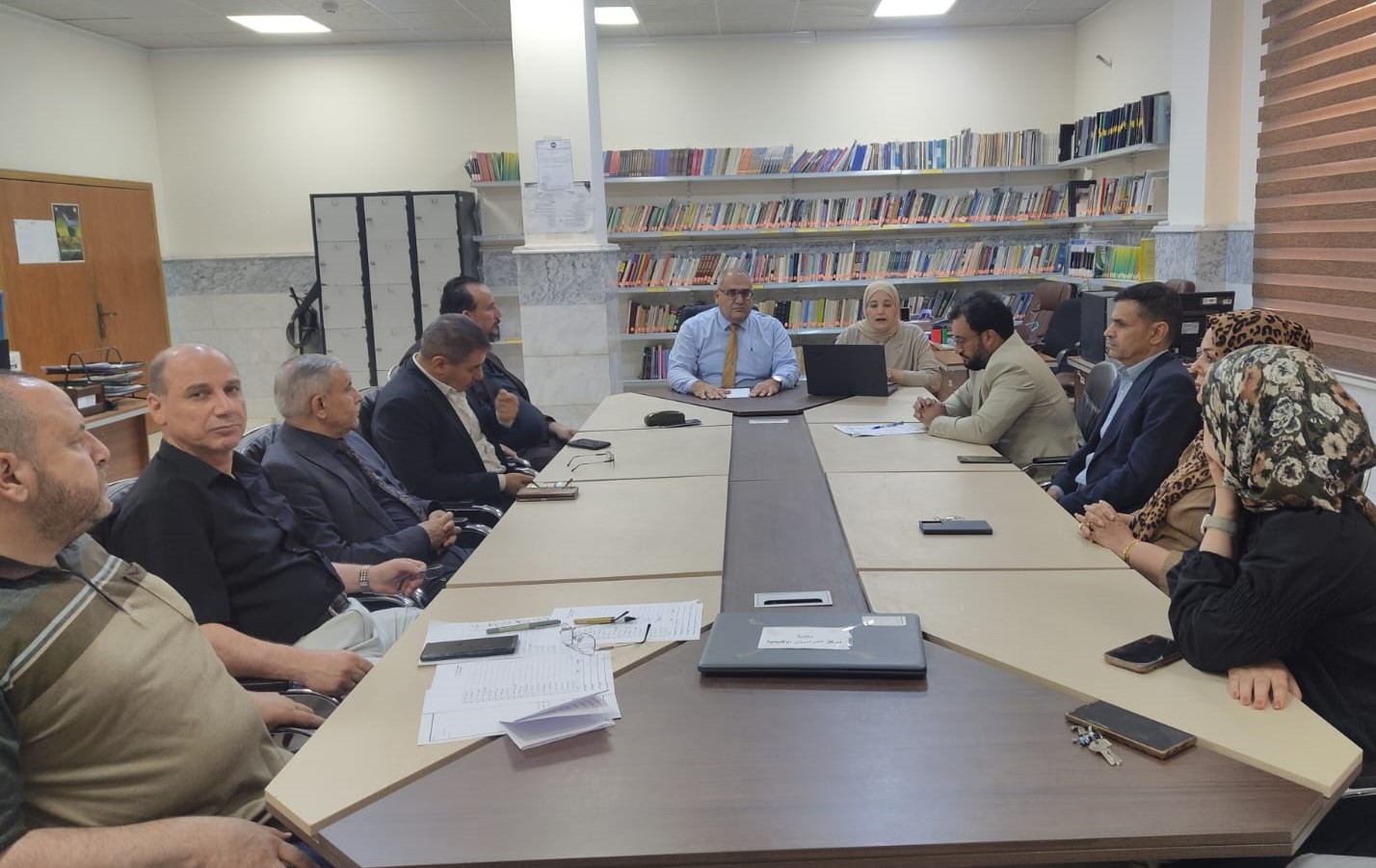
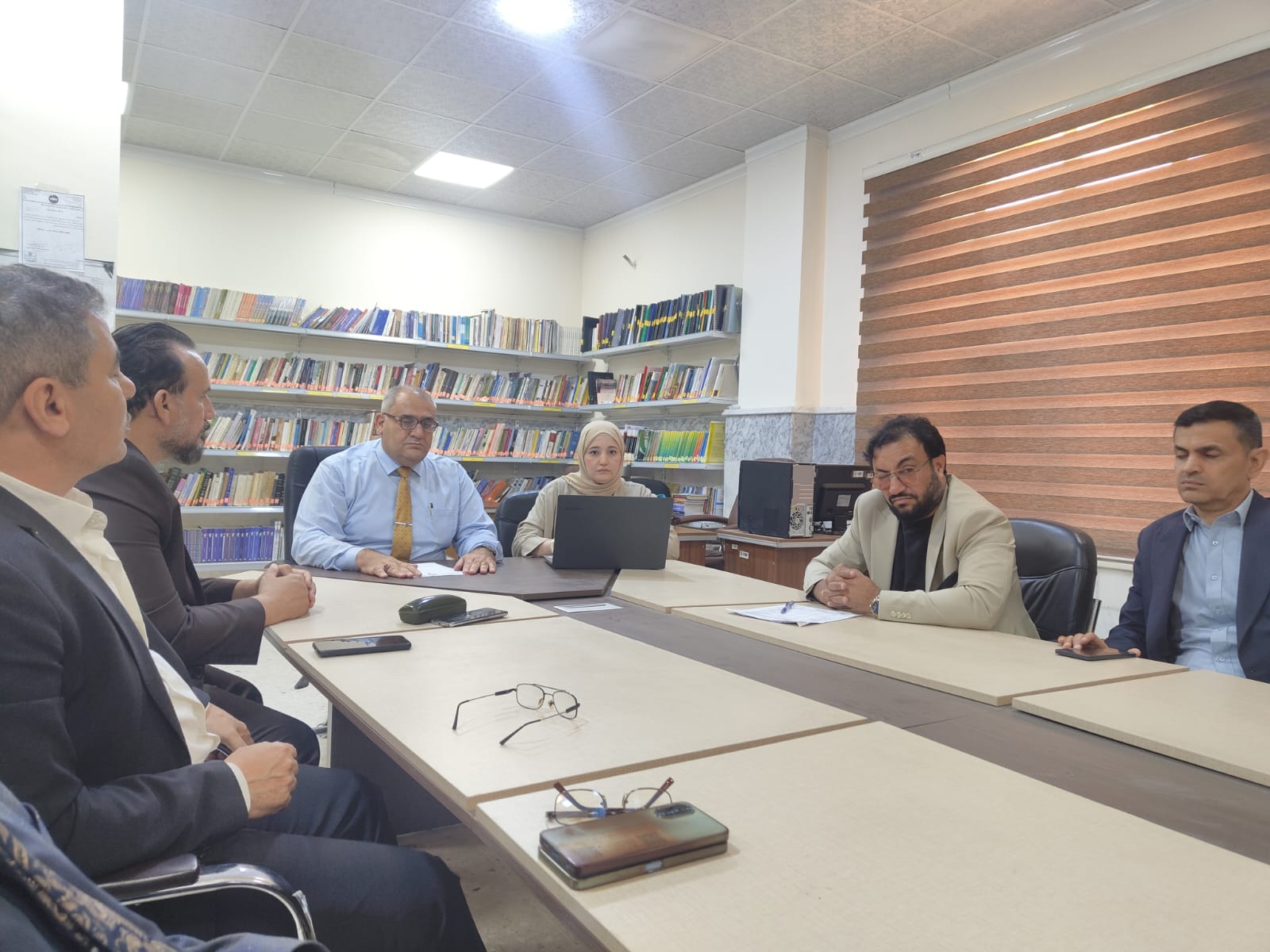
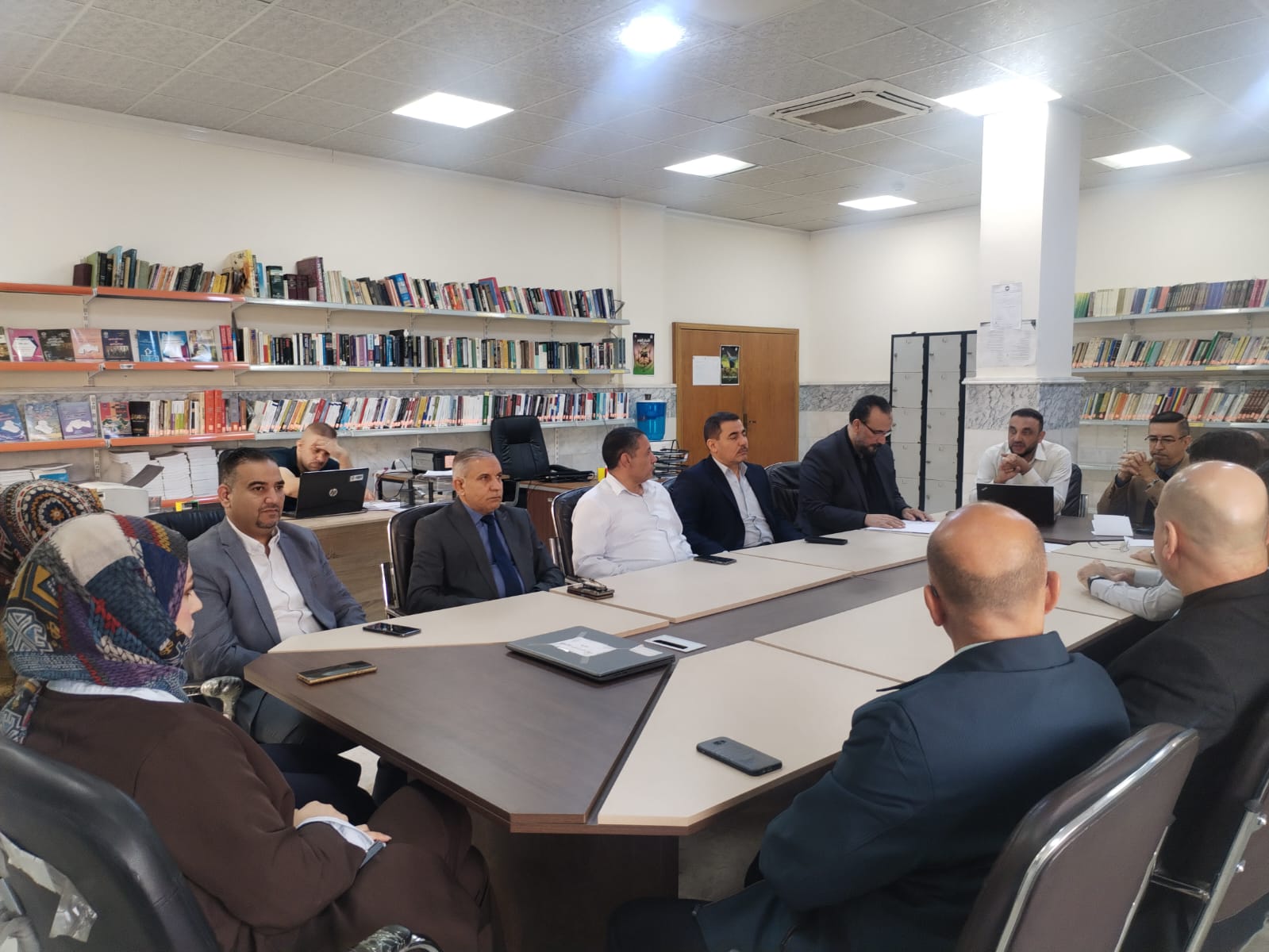
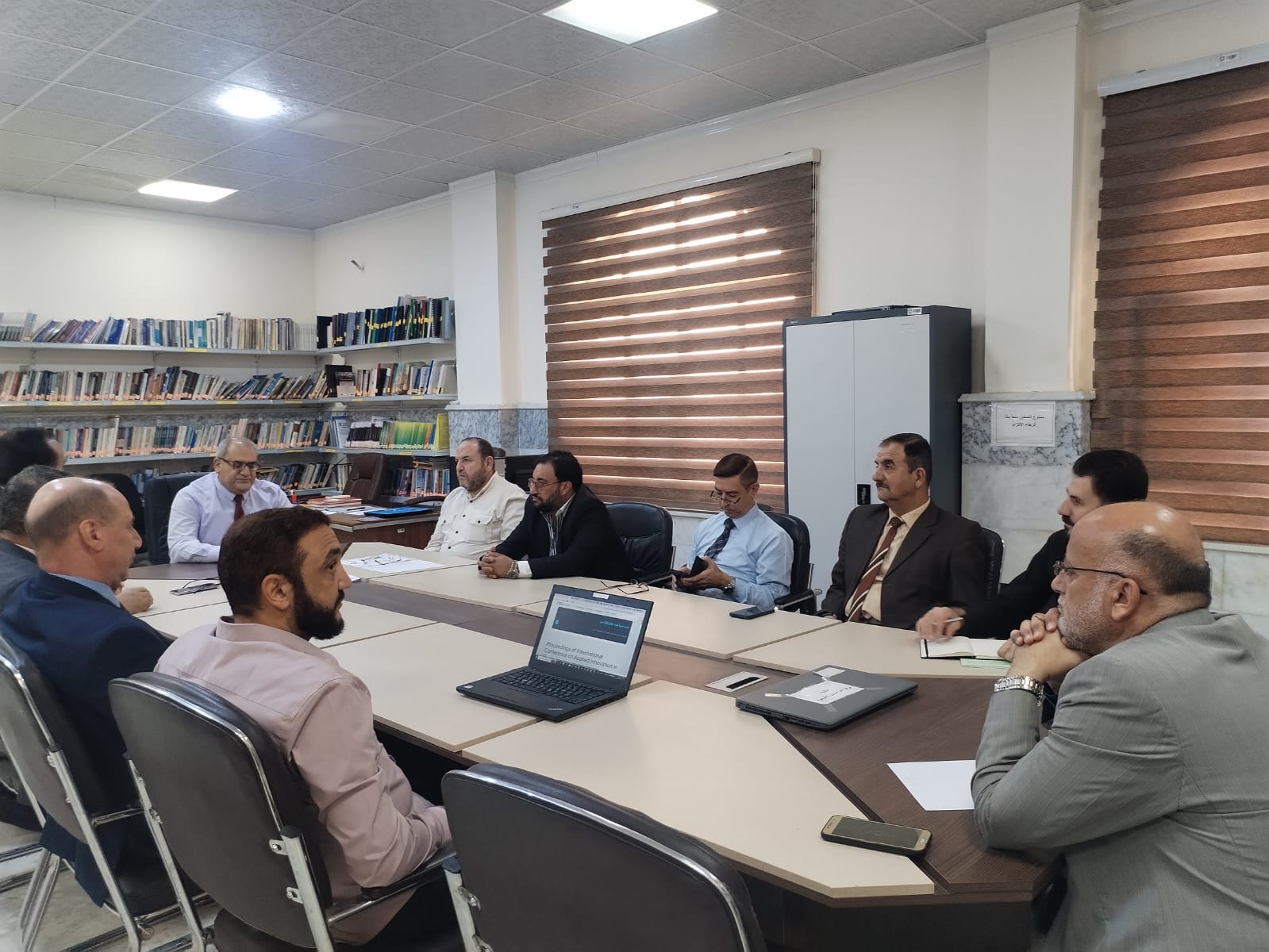
Regional Studies Center at the University of Mosul held a seminar on 28 June 2026 entitled “The Role of Historical Figures and Events in Shaping Nations’ Historical Memory”, by researcher Hind Fakhri Saeed and attended by a number of academics, researchers, and individuals interested in historical and cultural affairs.
The seminar examined the role of historical figures and pivotal events in shaping the collective memory of nations, highlighting their contribution to strengthening national identity, promoting social cohesion, and preserving the cultural and civilizational heritage of societies. It also emphasized the importance of the scientific documentation of history as a vital means of preserving knowledge and transmitting experiences and values across generations.
Furthermore, the seminar explored the relationship between historical memory and the United Nations Sustainable Development Goals (SDGs), particularly 4 (Quality Education) through the promotion of historical awareness and knowledge,11 (Sustainable Cities and Communities) by safeguarding cultural heritage and preserving civilizational identity, and 16 (Peace, Justice and Strong Institutions) through drawing lessons from history to foster a culture of peace, coexistence, and greater trust in institutions.
The presenter stressed that historical memory is not merely a recollection of the past; rather, it is a strategic intellectual resource that contributes to building more informed and resilient societies capable of addressing contemporary challenges. She noted that drawing inspiration from the experiences of historical figures and significant events can support sustainable development efforts while reinforcing the values of citizenship and social responsibility.
The seminar concluded by underscoring the importance of encouraging scholarly research dedicated to documenting historical memory and linking it to sustainable development issues. Such efforts, participants noted, contribute to building a knowledge-based society that preserves its cultural identity while investing its rich civilizational heritage in the service of both present and future generations.