23 September، 2026
Regional Studies Center Holds a Seminar on the Role of Green Spaces in Addressing Climate Change
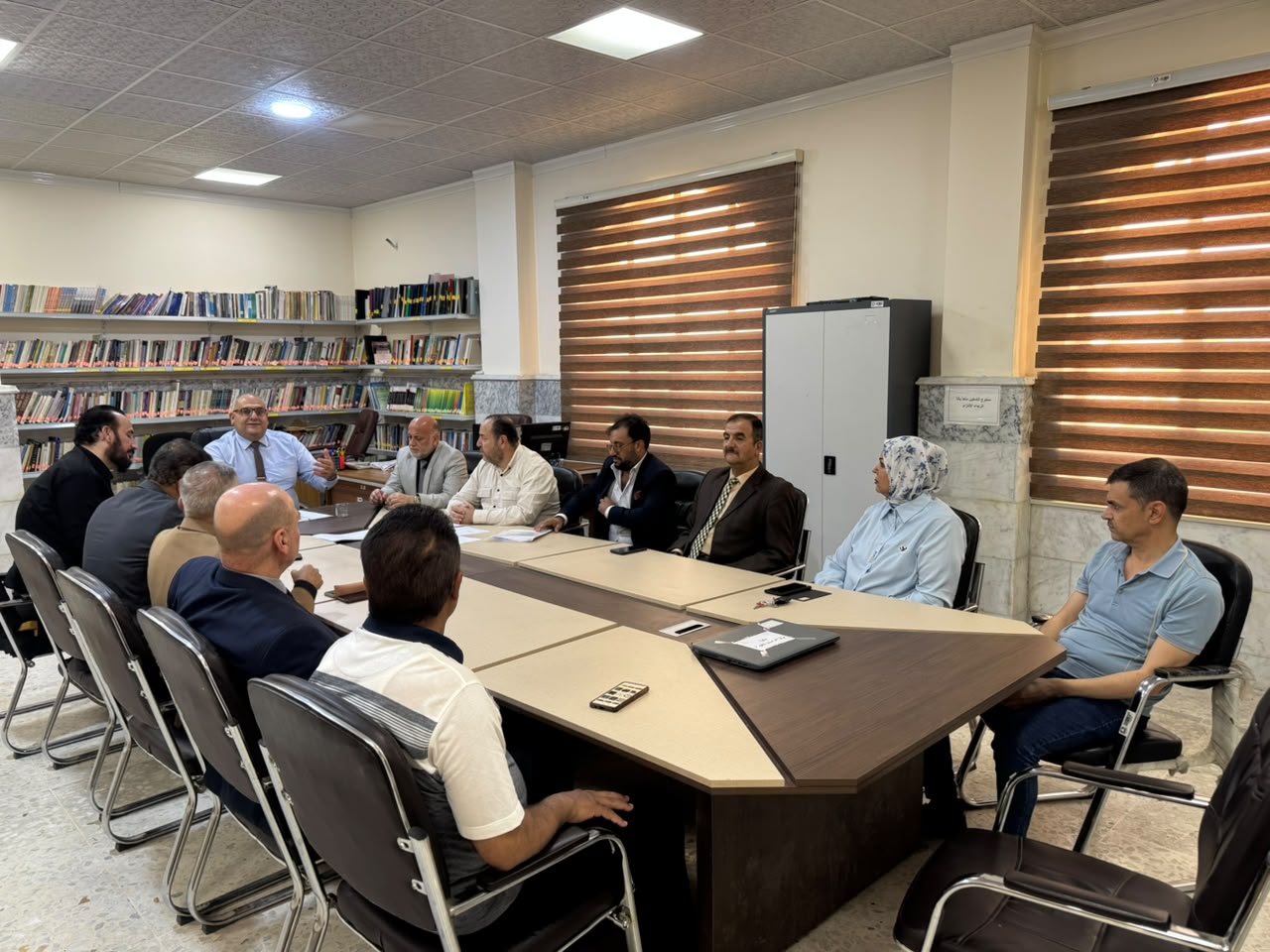
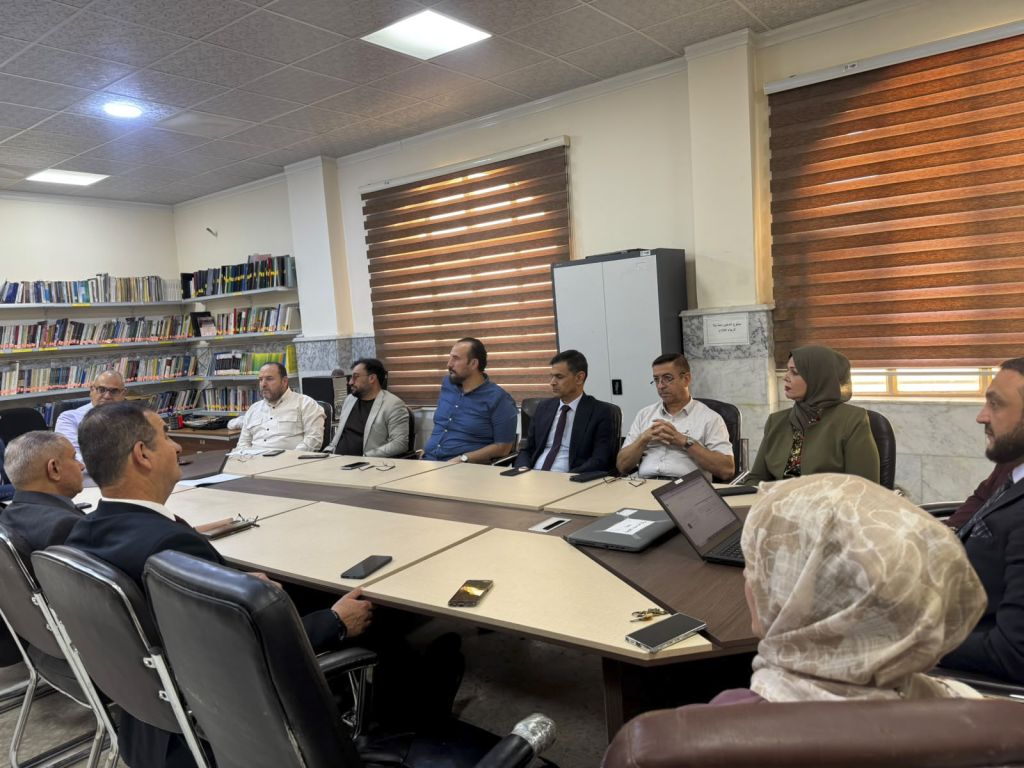
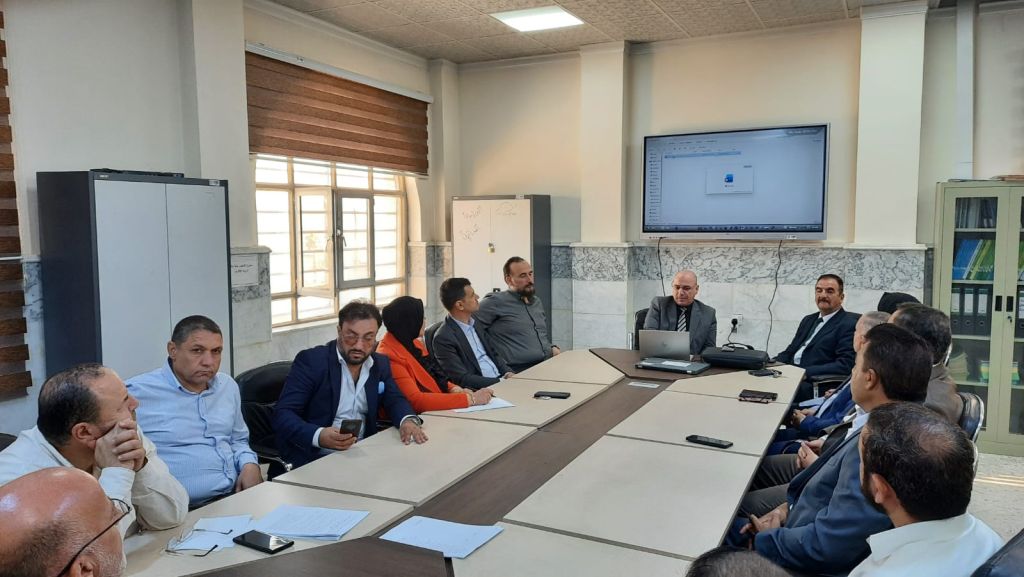
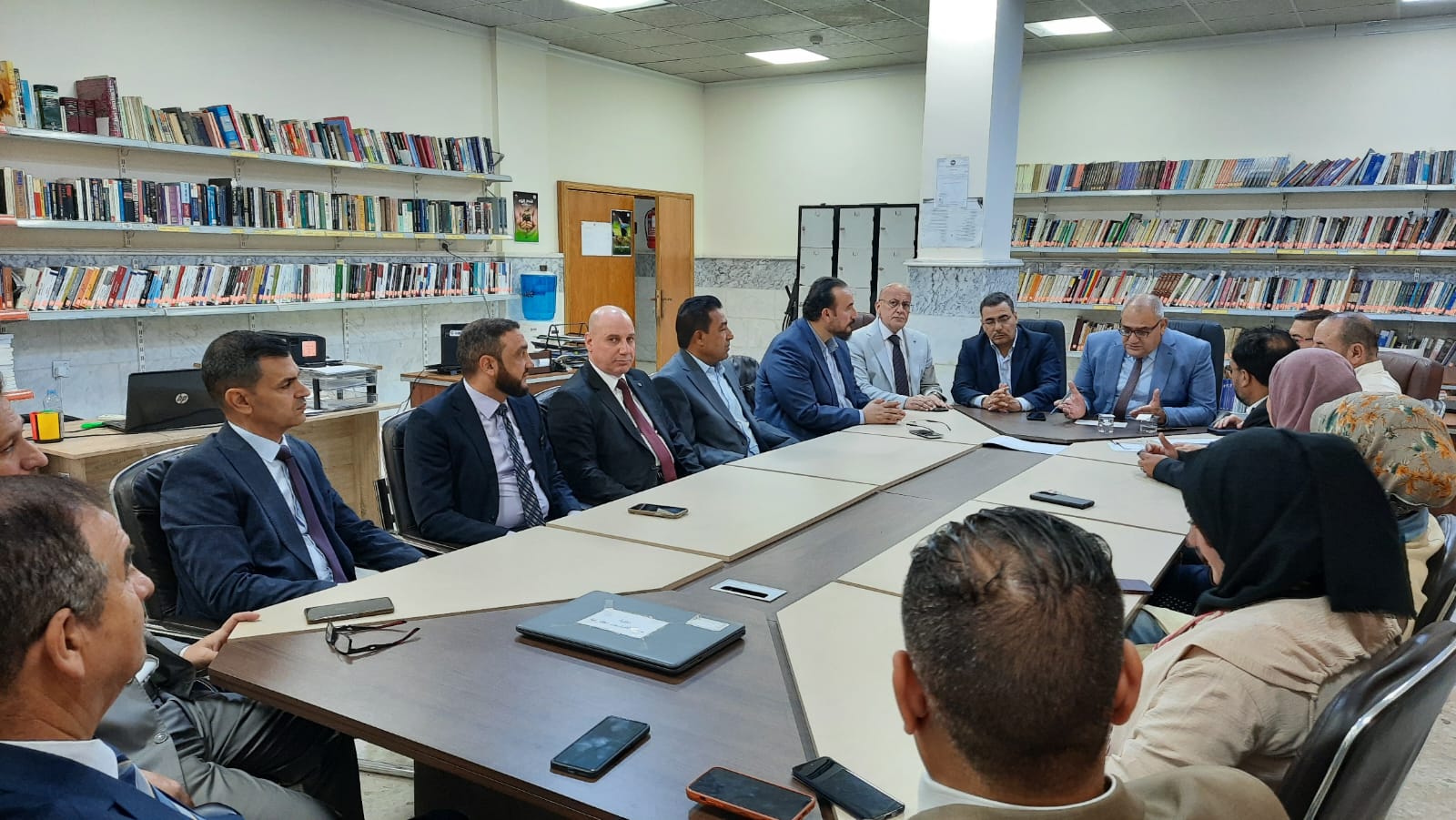
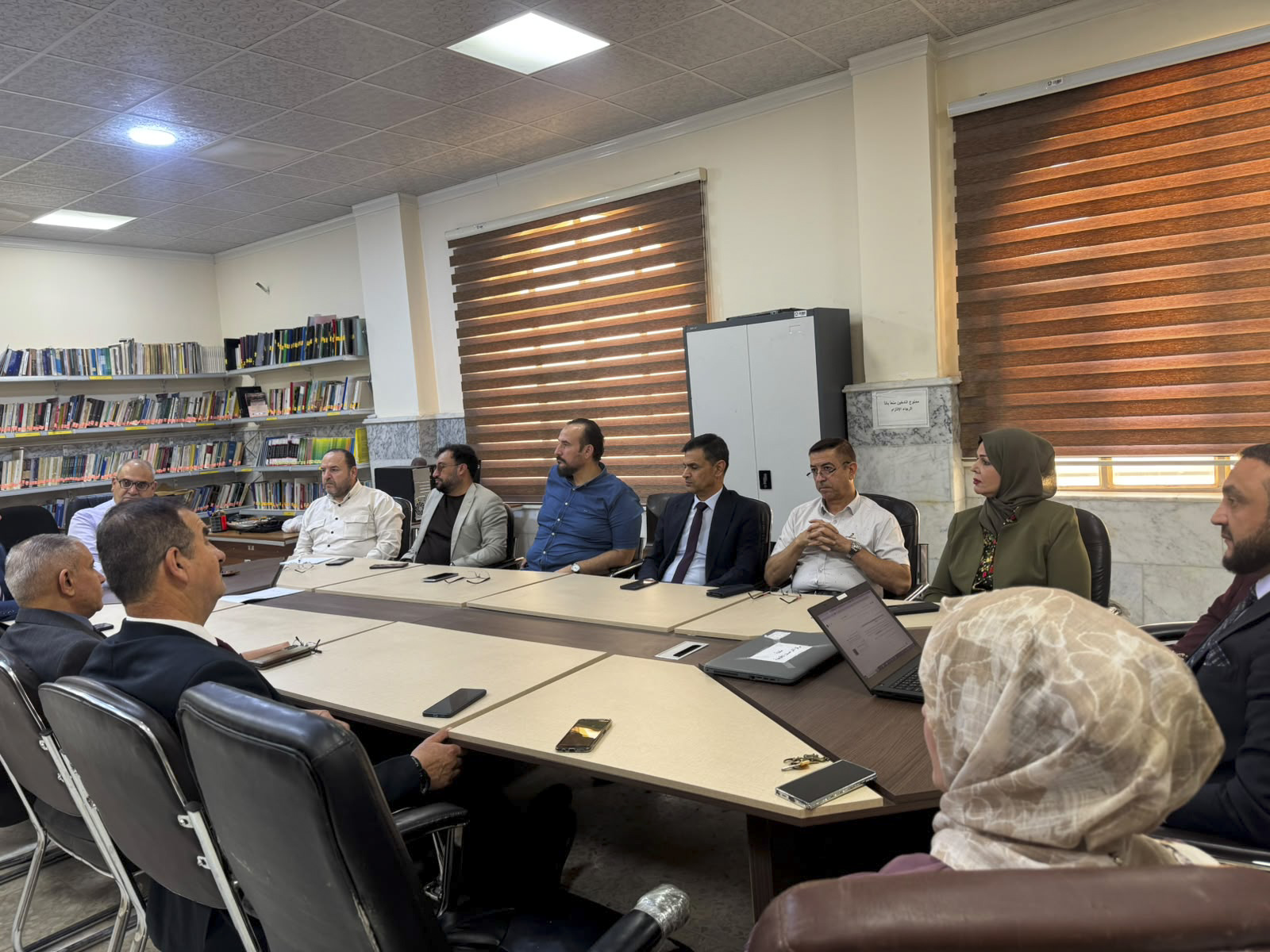
Regional Studies Center at the University of Mosul held a seminar today, Wednesday, September 23, 2026, entitled “Green Spaces and Climate Change in the Regional Environment”. The seminar was moderated by Assistant Professor Dr. Tareq Mohammad Tayeb Al-Qassar, with the participation of a number of researchers and specialists interested in environmental and climate-related issues.
The seminar addressed the importance of green spaces as a key component of the response to the growing environmental and climate challenges facing Iraq and the Middle East. Particular emphasis was placed on the need to move beyond limited local initiatives toward shared regional approaches to afforestation, environmental protection, and combating desertification.
The seminar focused on three main pillars. The first examined the role of green spaces in improving air quality and mitigating the effects of pollution by increasing vegetation cover and enhancing the capacity of trees and plants to absorb certain pollutants and carbon dioxide.
The second pillar addressed combating desertification and protecting soil and natural resources. It examined the importance of afforestation projects and the restoration of vegetation cover in mitigating land degradation and strengthening the capacity of ecosystems to withstand drought and climate-related changes.
The third pillar focused on regional cooperation in addressing climate change through drawing on regional experiences and exchanging expertise, technologies, and policies related to afforestation, natural resource management, and the expansion of green spaces in cities and areas affected by desertification.
The seminar was aligned with the United Nations Sustainable Development Goals, particularly the following:
Goal 6: Clean Water and Sanitation, by emphasizing the importance of protecting water resources and the ecosystems associated with them.
Goal 11: Sustainable Cities and Communities, by promoting green spaces and improving the urban environment and quality of life in cities.
Goal 13: Climate Action, by supporting measures aimed at adapting to the impacts of climate change and mitigating its consequences.
Goal 15: Life on Land, by protecting terrestrial ecosystems, combating desertification, restoring vegetation cover, and preserving biodiversity.