6 May، 2025
The twenty-fourth symposium, titled “Protection Systems Against Earthquake”
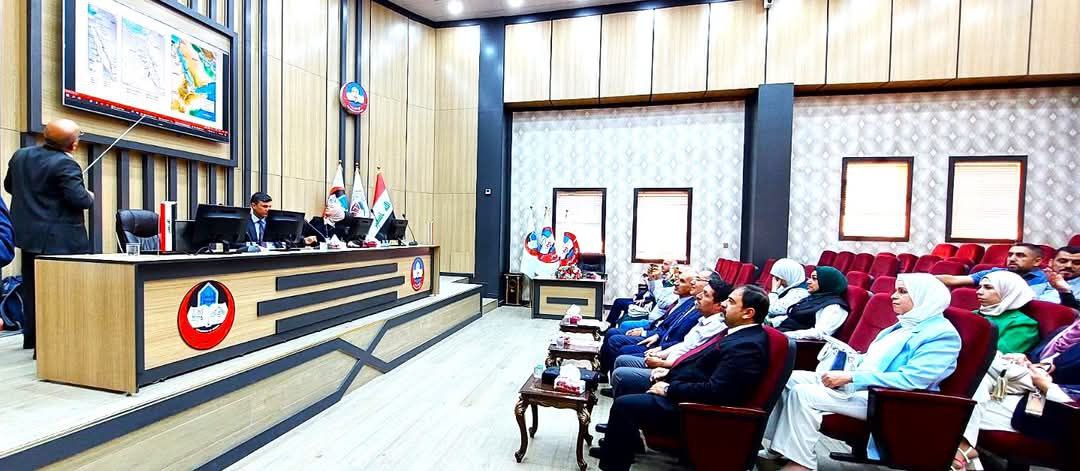
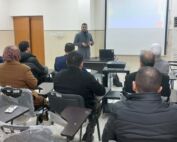
The twenty-fourth symposium, titled “Protection Systems Against Earthquake,” The twenty-fourth symposium, titled “Protection Systems Against” was attended by a select group of academics, researchers, and specialists in the field of natural disaster management.
This symposium comes as part of the center’s ongoing efforts to keep pace with global events and changes. It highlighted the importance of strengthening protection and early warning systems, especially after the recent devastating earthquake that struck Istanbul, which raised widespread concern about the preparedness of cities and facilities to confront such disasters.
In his opening remarks, the Director of the Remote Sensing Center emphasized that organizing this symposium is part of the center’s strategy to keep pace with global developments. He pointed out that the center has researchers specializing in developing scientific research in the field of monitoring natural disasters and providing practical solutions to mitigate their impact.
Assistant Professor Dr. Alaa Nabil Hamdoun, Head of the Disaster Risk Reduction Unit at the Center, delivered an opening lecture in which he reviewed the most prominent seismic risks currently facing the world and the latest global technologies in protection systems.
This was followed by a lecture by Mr. Sufyan Idris Muhammad, Head of the Civil Defense Division at the University Presidency, who addressed the most important points to be taken in the event of an earthquake.
The symposium also included a series of scientific lectures and discussion sessions that addressed the latest technologies used in earthquake monitoring and mitigating their effects, in addition to reviewing earthquake epicenters and their impact on Iraq. The symposium also discussed the measures to be taken to enhance the efficiency of civil defense systems and increase community awareness of the importance of preparedness to respond to natural disasters.
The symposium concluded with recommendations that emphasized the need to adopt integrated national plans to reduce earthquake risks, enhance cooperation between scientific institutions, and produce seismic maps and logs to benefit stakeholders in the field of natural disaster management.