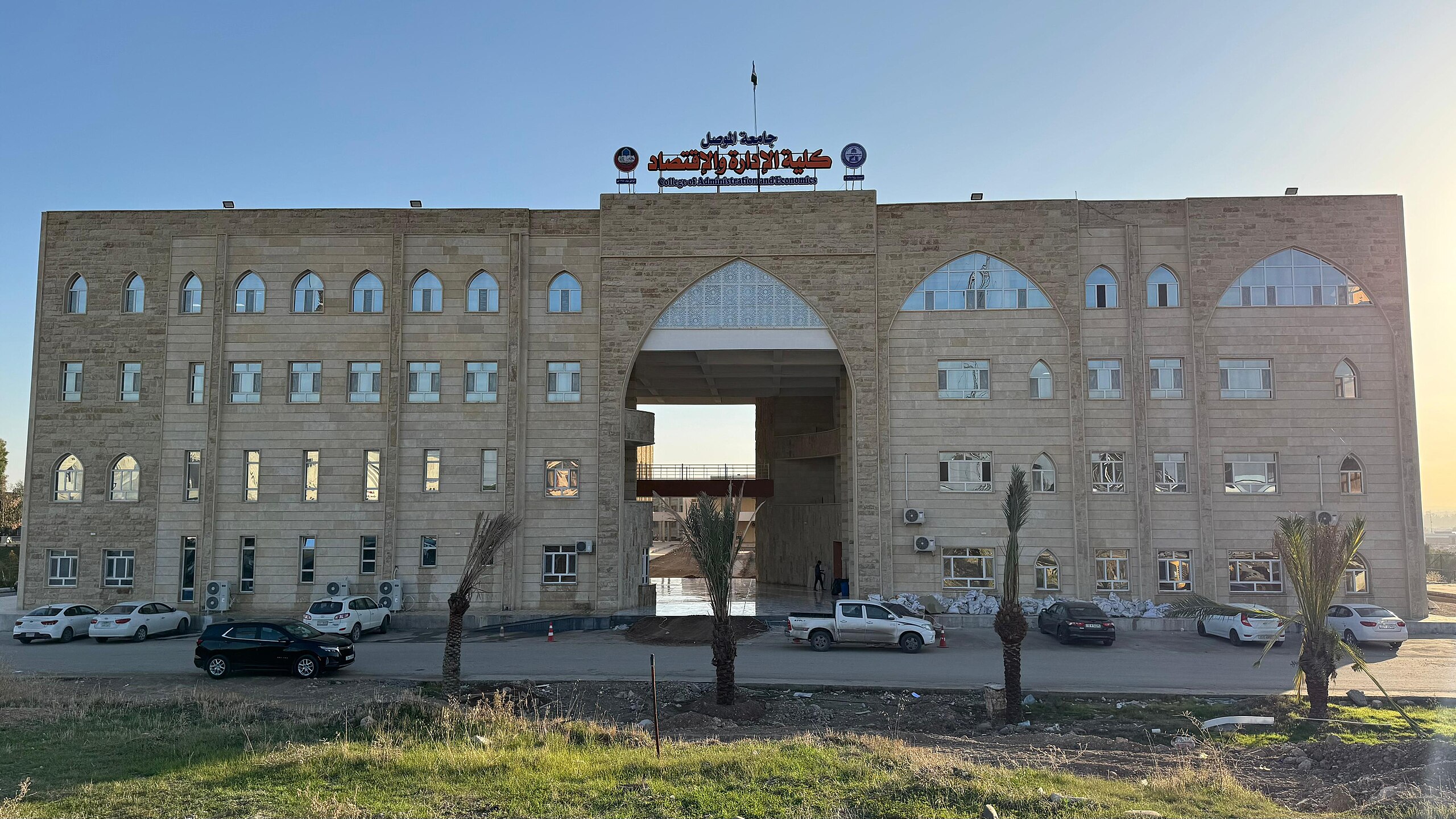

University of Mosul Policy on Ensuring Sustainability in Aquatic Food Sources
University of Mosul Policy on Ensuring Sustainability in Aquatic Food Sources
1. Title
University of Mosul Policy on Ensuring Sustainability in Aquatic Food Sources
2. Purpose / Objective
This policy aims to ensure that all seafood provided within the University of Mosul campus is sourced from sustainable and responsible practices. The ultimate goal is to protect aquatic ecosystems and raise awareness within the University community about the importance of environmentally friendly seafood consumption.
3. Scope
This policy applies to all food service activities within the University, including:
-
University cafeterias and dining halls.
-
University events and functions.
-
External contractors supplying aquatic food products to the University.
4. Principles / Commitments
-
Protection of Aquatic Environments: avoiding seafood products linked to overfishing or endangered sources.
-
Ethical Responsibility: supporting responsible fishing and sustainable aquaculture practices.
-
Transparency: disclosing the sources of seafood provided at the University.
-
Diversity: offering plant-based alternatives to reduce reliance on high-impact seafood products.
5. Procedures / Implementation Mechanisms
-
Supplier Selection:
-
Contracting with suppliers certified by recognized organizations such as MSC (Marine Stewardship Council) or ASC (Aquaculture Stewardship Council).
-
Prohibiting engagement with suppliers practicing methods harmful to aquatic ecosystems.
-
-
Sustainable Menu Development:
-
Establishing and regularly updating a list of permitted and sustainable seafood species.
-
Excluding endangered species or those associated with irresponsible fishing practices.
-
-
Encouraging Alternatives:
-
Including locally sourced aquatic products harvested through sustainable practices in Iraq.
-
Offering plant-based alternatives as a permanent option.
-
6. Responsibilities
-
University Services Administration: monitoring supplier contracts and ensuring compliance with this policy.
-
University Environmental Committee: reviewing seafood menus and assessing supplier practices.
-
Suppliers: providing transparent reports on fishing methods and product origins.
7. Monitoring and Evaluation
-
Conducting periodic audits of suppliers to verify compliance with sustainability standards.
-
Using performance indicators such as:
-
Percentage of sustainable seafood from the total seafood supply.
-
Number of suppliers holding recognized environmental certifications.
-
8. Periodic Review
This policy will be reviewed every three years, or whenever updates occur in local or international aquatic sustainability standards, to ensure its continued effectiveness.
9. Link to Global Goals
-
Goal 12: Responsible Consumption and Production.
-
Goal 14: Life Below Water, by safeguarding marine ecosystems.
-
Goal 15: Life on Land, through biodiversity protection.

Approved by: Presidency of the University of Mosul.
Last updated: 24-12-2024.