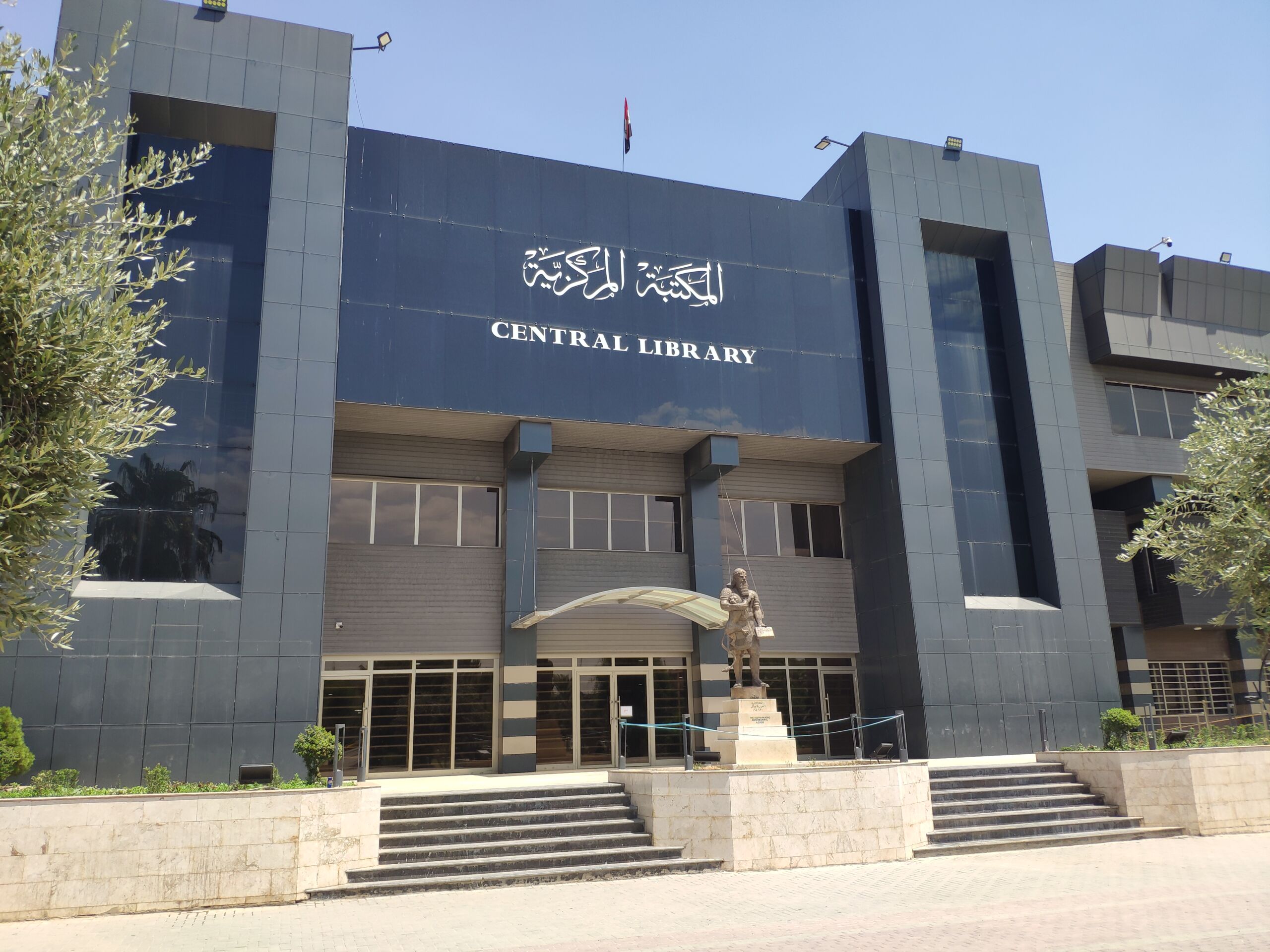

University of Mosul Policy on Identifying and Engaging Local Stakeholders
University of Mosul Policy on Identifying and Engaging Local Stakeholders
1. Title
University of Mosul Policy on Identifying and Engaging Local Stakeholders
2. Purpose / Objective
This policy aims to strengthen strategic ties between the University and the local community by building sustainable partnerships with a wide range of stakeholders. Through this approach, the University seeks to ensure that its educational, research, and service activities act as drivers of community development and as avenues for positive engagement that generate mutual benefits, while ensuring the integration of the University’s role with its social, economic, and cultural environment.
3. Scope
This policy applies to all University departments and units, covering all activities that require engagement with external local stakeholders, such as:
-
Academic and research collaboration.
-
Community and cultural activities.
-
Joint projects with governmental bodies and the private sector.
-
Awareness and development initiatives in Nineveh Province and surrounding areas.
4. Principles / Commitments
-
Social Responsibility: commitment to ensuring the University remains an active institution serving the community.
-
Participation: involving stakeholders in formulating joint solutions to local issues.
-
Transparency: ensuring clarity in all collaborative processes and guaranteeing access to information.
-
Sustainability: building long-term partnerships that contribute to sustainable development.
-
Mutual Respect: recognizing the role of each party in advancing shared objectives.
5. Procedures / Implementation Mechanisms
-
Stakeholder Identification: developing and regularly updating a database that includes governmental entities, civil society organizations, businesses, and educational institutions.
-
Communication Channels: establishing formal avenues of interaction, such as regular meetings, workshops, and joint seminars.
-
Official Focal Points: designating University representatives to directly engage with each stakeholder category.
-
Inclusive Decision-Making: organizing consultative sessions to capture stakeholders’ needs and aspirations and integrating them into the University’s planning.
-
Joint Initiatives: implementing developmental and cultural projects in collaboration with the local community.
6. Responsibilities
-
University Presidency: overall supervision of policy implementation and evaluation of its effectiveness.
-
Public Relations and Community Service Unit: direct coordination with external stakeholders.
-
Academic Departments: integrating local community participation into research projects and field activities.
-
Students and Staff: active involvement in community activities and joint initiatives.
7. Monitoring and Evaluation
-
Preparing semi-annual reports on stakeholder engagement, including an assessment of the impact of collaborations on both the University and the community.
-
Evaluating the quality of existing partnerships and identifying areas for improvement.
-
Using specific performance indicators, such as the number of partnerships, the type of initiatives, and the level of mutual satisfaction.
8. Periodic Review
This policy will be reviewed at least every two years, or as needed, based on stakeholder feedback and the results of regular evaluations, ensuring it remains aligned with social and economic changes.
9. Link to Global Goals
-
Goal 4: Quality Education, through educational and research partnerships with the community.
-
Goal 8: Decent Work and Economic Growth, by collaborating with the private sector to support the local labor market.
-
Goal 11: Sustainable Cities and Communities, by contributing to initiatives that improve the urban and social environment.
-
Goal 17: Partnerships for the Goals, by building local and international cooperation networks.

Approved by: Presidency of the University of Mosul.
Last updated: 24-12-2024.