22 August، 2025
Taxes and the Quality of Government Performance… A Master’s Thesis in the Department of Economics – College of Administration and Economics – University of Mosul Reveals Differences Between Developing and Developed Countries

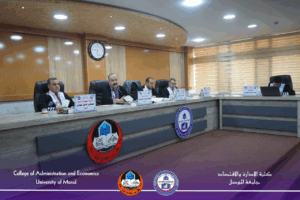
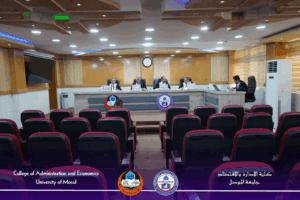
On Thursday, August 21, 2025, the Department of Economics at the College of Administration and Economics – University of Mosul held a master’s thesis defense by the student Muad Muwafaq Ali, entitled:
“Measuring the Relationship Between Taxes and the Quality of Government Performance for a Sample of Developing and Developed Countries with Reference to Iraq.”
The defense took place in Discussion Hall No. (1).
The study aimed to measure the relationship between taxes, as a major source of revenue, and the quality of government performance, analyzing this impact in a comparative economic and institutional context between developing and developed countries.
The results concluded that in developing countries there exists a long-term, statistically significant relationship between tax revenues and per capita GDP, inflation rate, and control of corruption. In developed countries, the findings revealed a strong, long-term, statistically significant relationship between tax revenues and government effectiveness, political stability, and per capita economic growth.
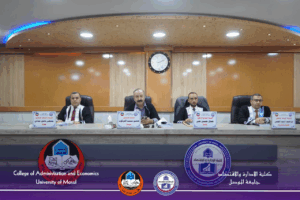
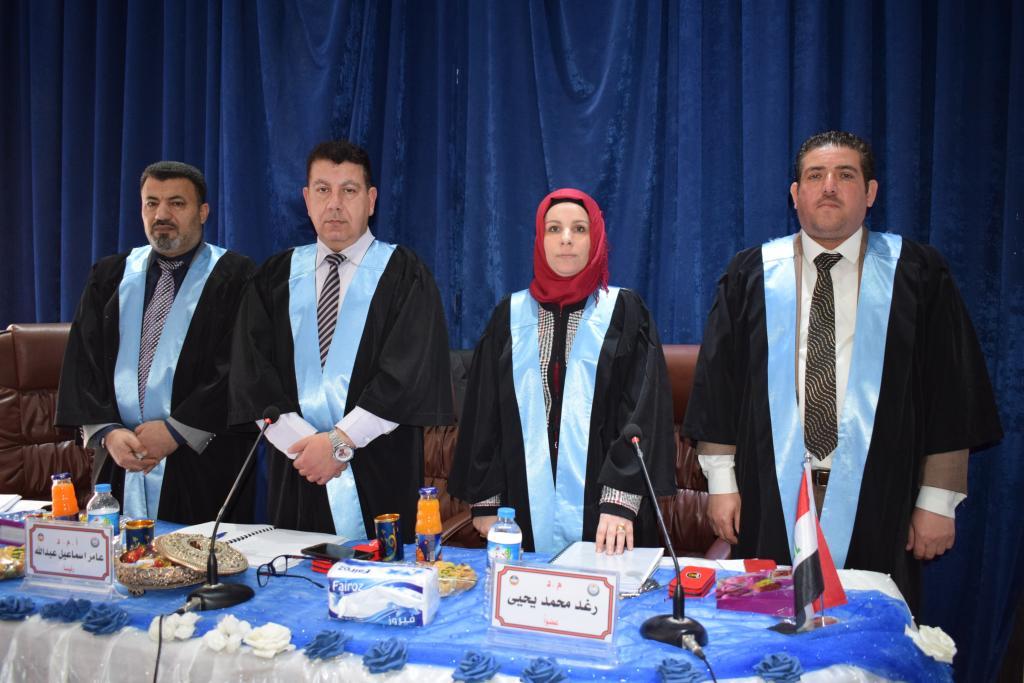
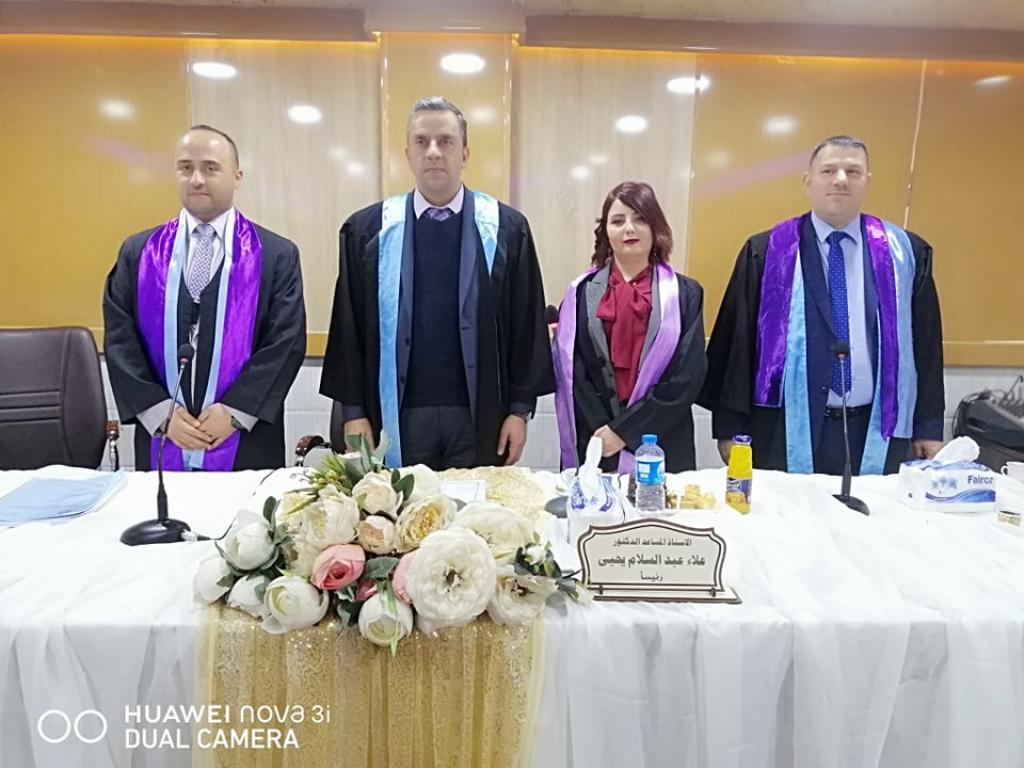
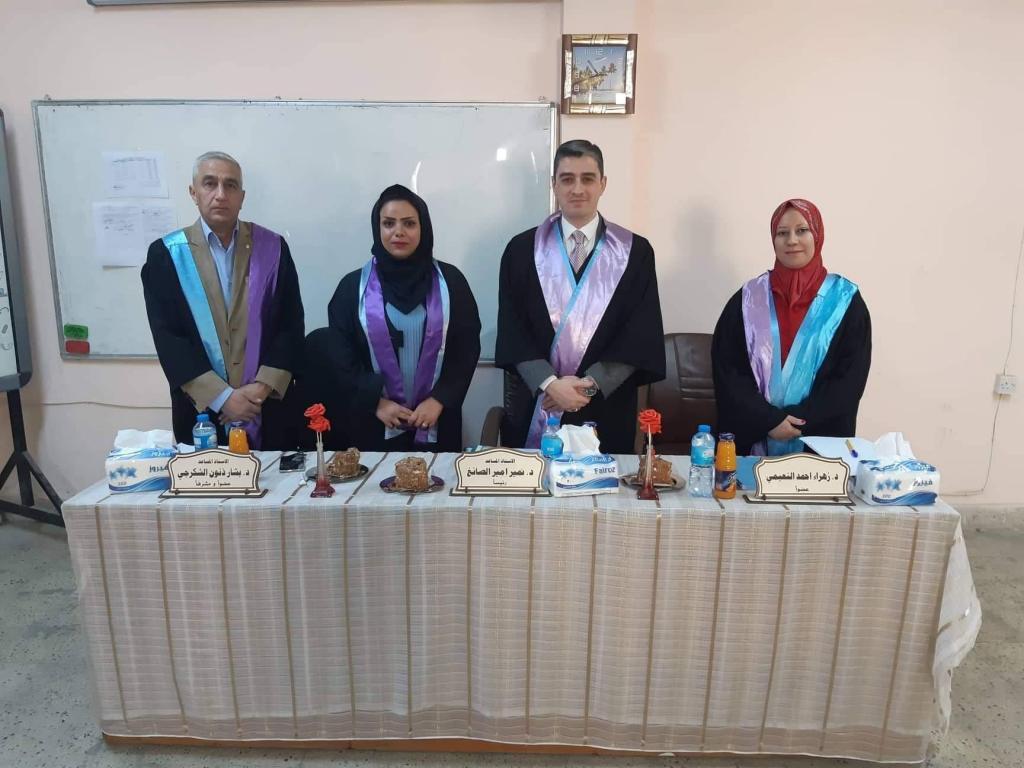
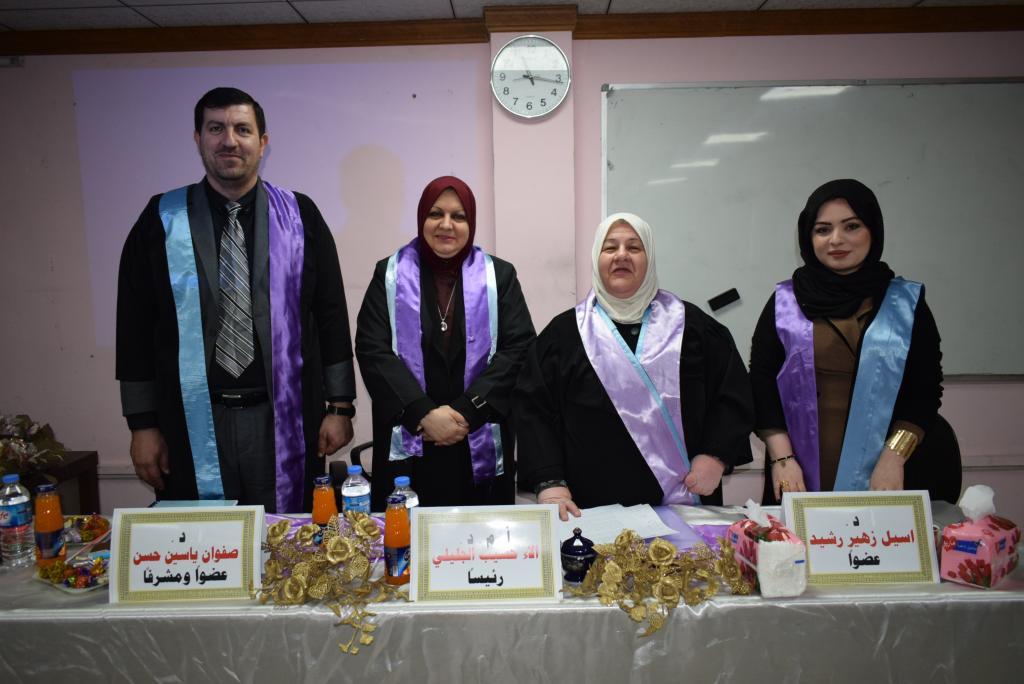
The examination committee consisted of:
Prof. Dr. Hashim Mohammed Abdullah – College of Administration and Economics / University of Mosul – Chair
Asst. Prof. Dr. Mustafa Fadil Hammadi – College of Administration and Economics / University of Mosul – Member
Asst. Prof. Dr. Jamal Hussein Ali – College of Administration and Economics / University of Tikrit – Member
Asst. Prof. Dr. Ibrahim Adeeb Ibrahim – College of Administration and Economics / University of Mosul – Member and Supervisor
This study aligns with the 16th Sustainable Development Goal (Peace, Justice, and Strong Institutions), as it highlights the pivotal role of tax revenues in enhancing government effectiveness, reducing corruption, and supporting institutional and economic stability.