26 May، 2025
University of Mosul – College of Administration and Economics Organizes an International Scientific Conference on Contemporary Trade Strategies and Global Experience Simulation Monday, May 26, 2025
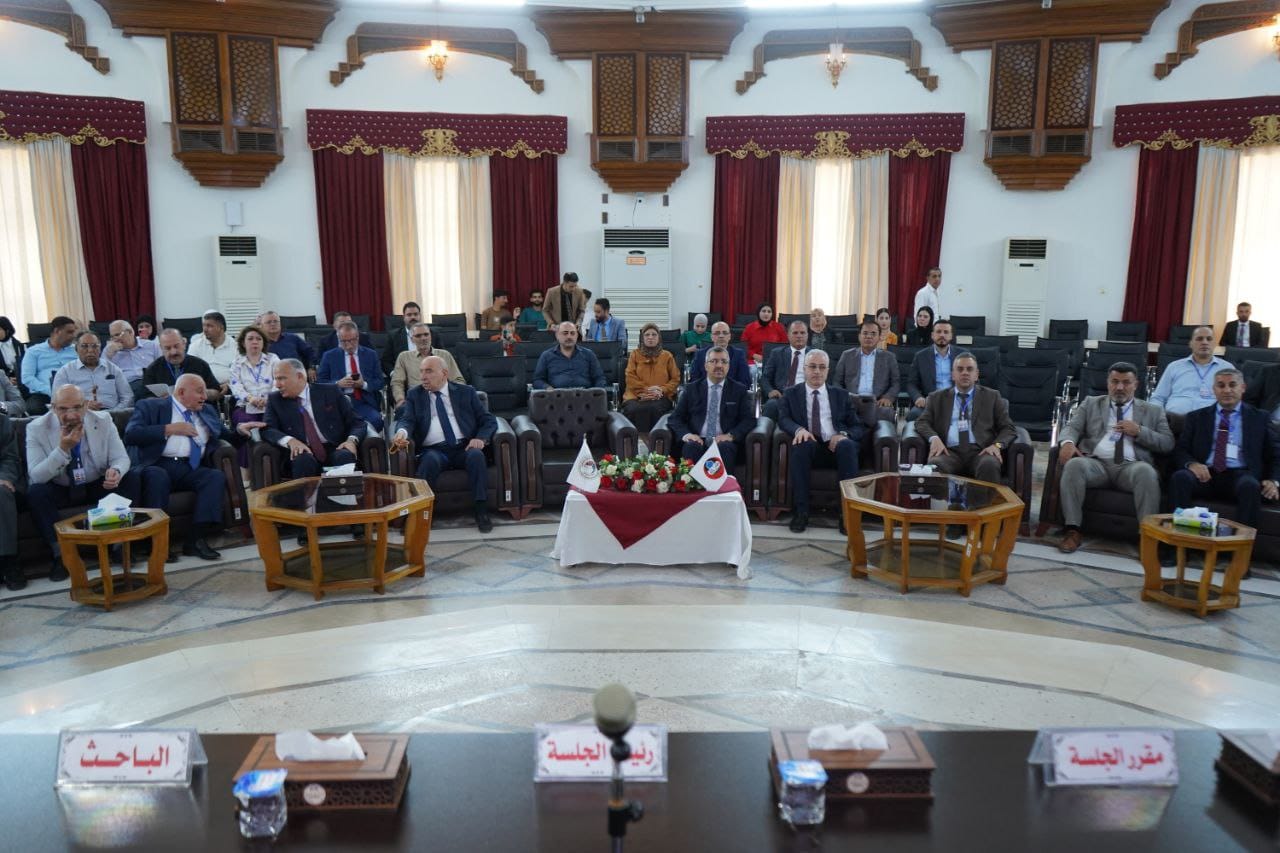
Under the patronage of His Excellency Dr. Naeem Al-Aboudi, Minister of Higher Education and Scientific Research, and under the supervision of Professor Dr. Waheed Mahmoud Al-Ibrahimi, President of the University of Mosul, and with the follow-up of the Dean of the College of Administration and Economics, Professor Dr. Sinan Zuhair Mohammed Jameel, the Department of Economics at the College of Administration and Economics – University of Mosul – in cooperation with the Mosul Chamber of Commerce and Al-Rasheed Academy for Blended Learning – Istanbul, Turkey, organized the International Scientific Conference titled:
“Contemporary Trends in the Ministry of Trade’s Strategies: Simulation of International Experiences,” held on Monday, May 26, 2025.
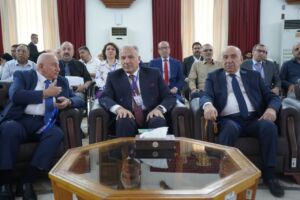
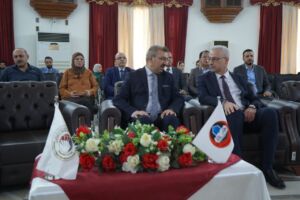
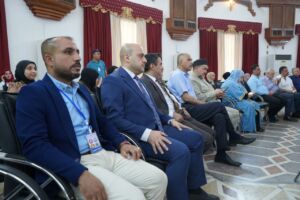
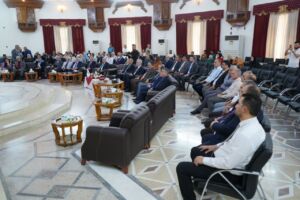
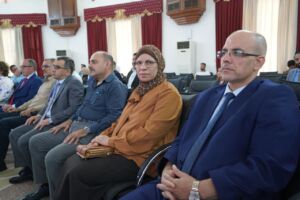
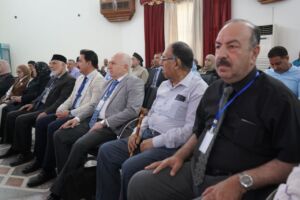
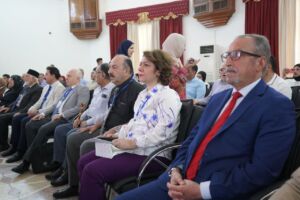
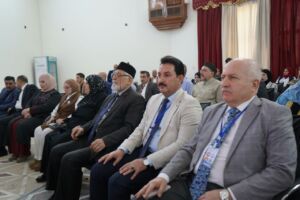
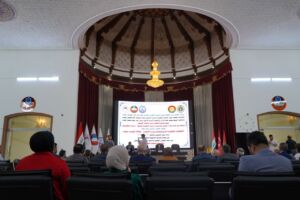
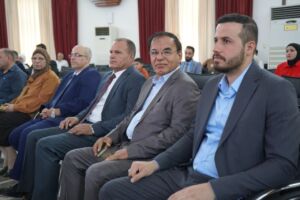
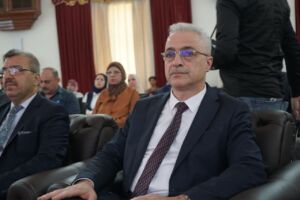
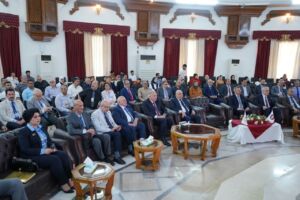
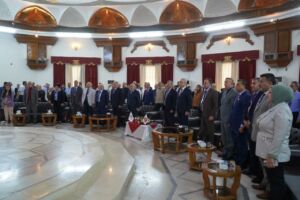
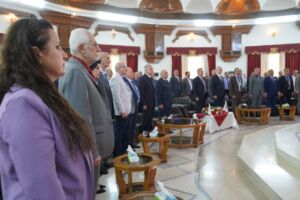
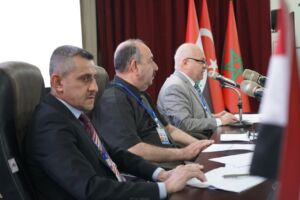
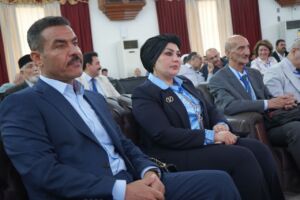
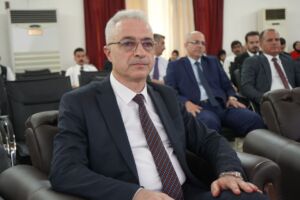
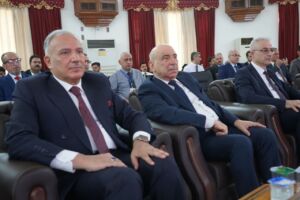
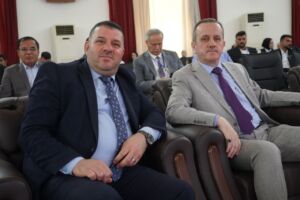
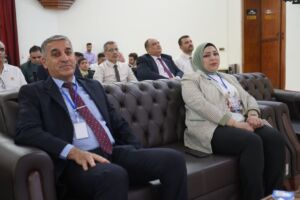
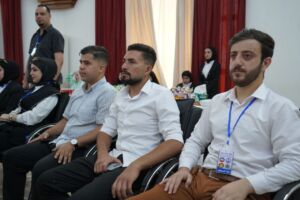
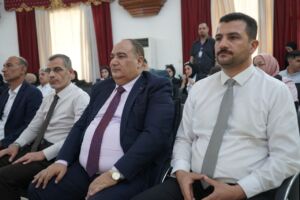
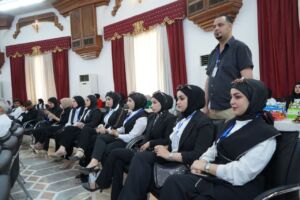
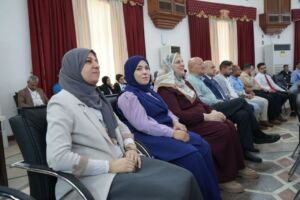
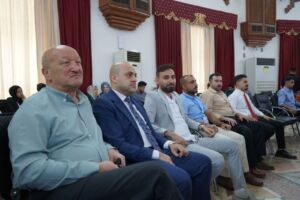
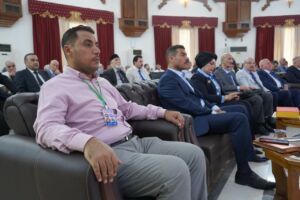
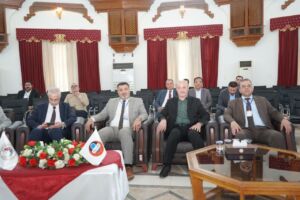
The opening ceremony and the first proceedings of the conference took place in the Hall of the Scientific and Literary Forum at the University of Mosul, in the presence of Professor Dr. Abdul Rahim Ibrahim Jassim, Assistant President of the University for Scientific Affairs, representing the University President; Dr. Ban Faisal, representing the Ministry of Trade; Mr. Moqbel Sadeq Al-Dabbagh, President of the Mosul Chamber of Commerce; and Professor Dr. Jassim Mohammed Al-Tahhan, Dean of the College of Administration and Economics at Al-Rasheed Academy – Istanbul, along with several university council members, faculty, students, and academic and economic figures from inside and outside Iraq.
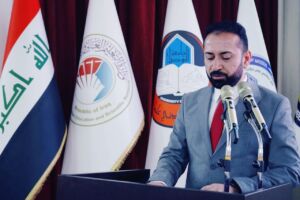
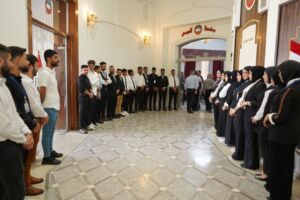
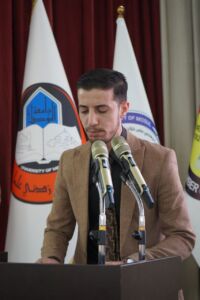
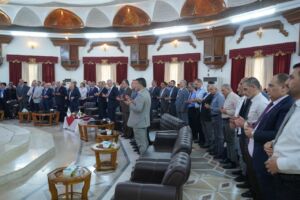
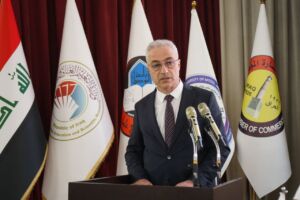
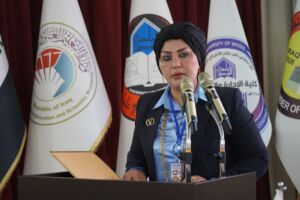
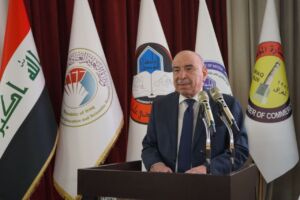
The ceremony began with a recitation from the Holy Qur’an, followed by the reading of Al-Fatiha in honor of the martyrs of Iraq, and the playing of the national anthem. Then, Professor Dr. Sinan Zuhair Mohammed Jameel delivered a speech on behalf of the college. Additional speeches were given by representatives of the Ministry of Trade and the Mosul Chamber of Commerce.
The opening also featured a video presentation introducing the College of Administration and Economics, followed by a visual presentation on the history of the Mosul Chamber of Commerce since its establishment in 1926.
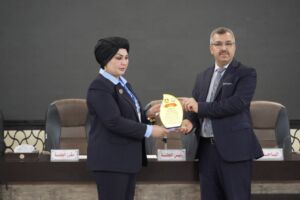
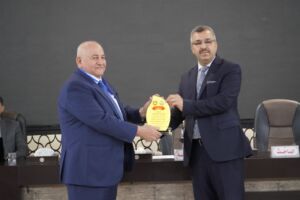
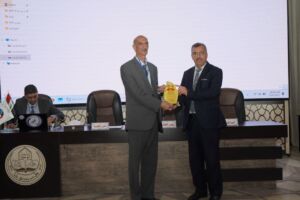
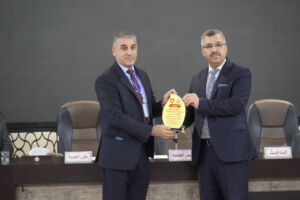
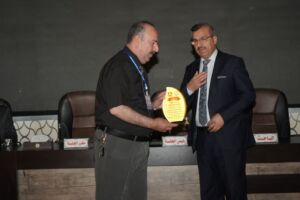
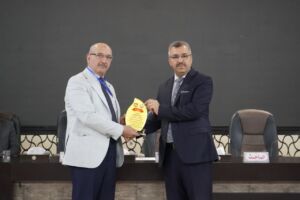
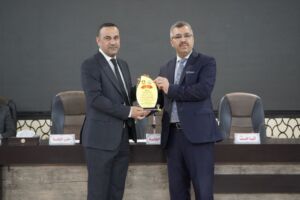
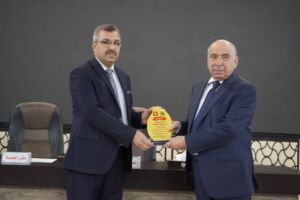
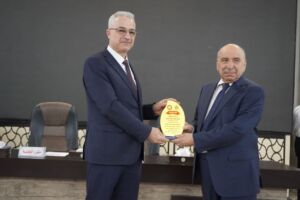
During the event, honorary shields were distributed to the supporting entities, which in turn presented appreciation plaques to the President of the University of Mosul and the Dean of the College of Administration and Economics, in recognition of their effective role in the success of this scientific gathering.
The conference included two scientific sessions that addressed advanced strategic themes:
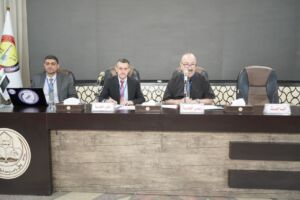
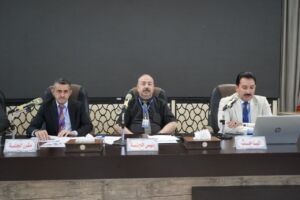
The first session was held in the Hall of the Scientific and Literary Forum, chaired by Professor Dr. Hashim Mohammed Al-Arkub and coordinated by Assistant Professor Dr. Alaa Wajeeh Mahdi.
The second session took place in Hall No. 2 at the college building, chaired by Professor Dr. Mufeed Thanoon Younis and coordinated by Assistant Professor Dr. Nizar Siddiqi Al-Qahwaji.
The sessions discussed a set of peer-reviewed research papers covering contemporary issues, most notably:
Entrepreneurship and small enterprises as a means of development,
Human resource development for competitiveness,
The impact of human capital on the trade sector,
Trade policies and their reflection on the Iraqi economy,
Electronic banking services,
In addition to presenting successful international experiences from countries such as Finland and Qatar.
As a scientific enhancement to the conference, it was decided that accepted research papers would be published in the Moroccan Journal of Legal and Economic Studies – Maghreb region – further boosting the Arab and international presence of the event.
The conference concluded with a set of recommendations, the most important of which were: the necessity of updating the Ministry of Trade’s strategies to keep pace with global changes, strengthening the entrepreneurial role of small projects, developing human capital, and deepening regional and international cooperation in the field of modern trade policies.
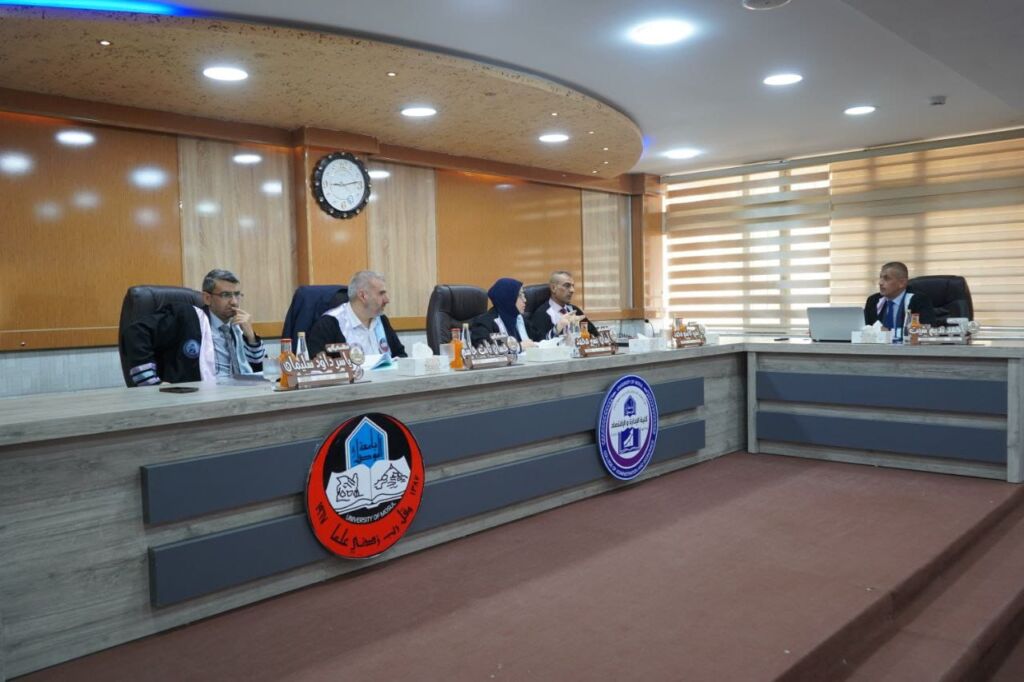 Master’s Thesis in the Department of Business Administration Discusses "The Role of Entrepreneurial Leadership in Enhancing Strategic Capabilities of Organizations: An Analytical Study of the Opinions of a Sample of Employees in the Nineveh Traffic Directorate" On Monday, May 26, 2025,