29 October، 2026
A Pioneering Field Achievement by the University of Mosul in Rainwater Harvesting and Rangeland Rehabilitation in Nineveh.
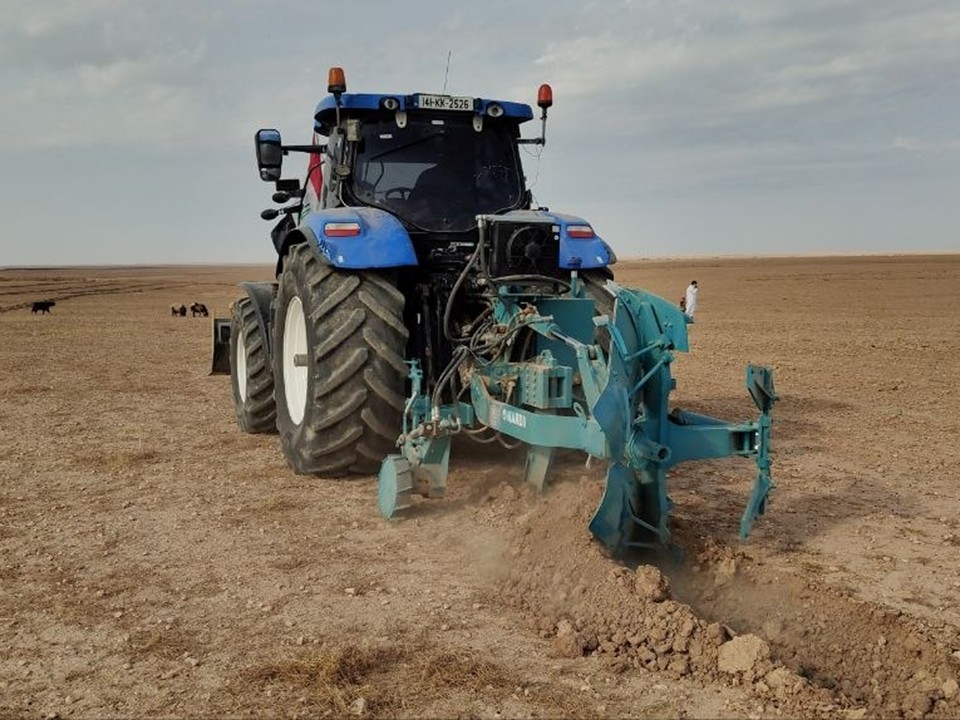
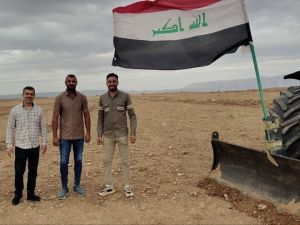
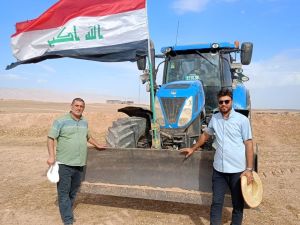
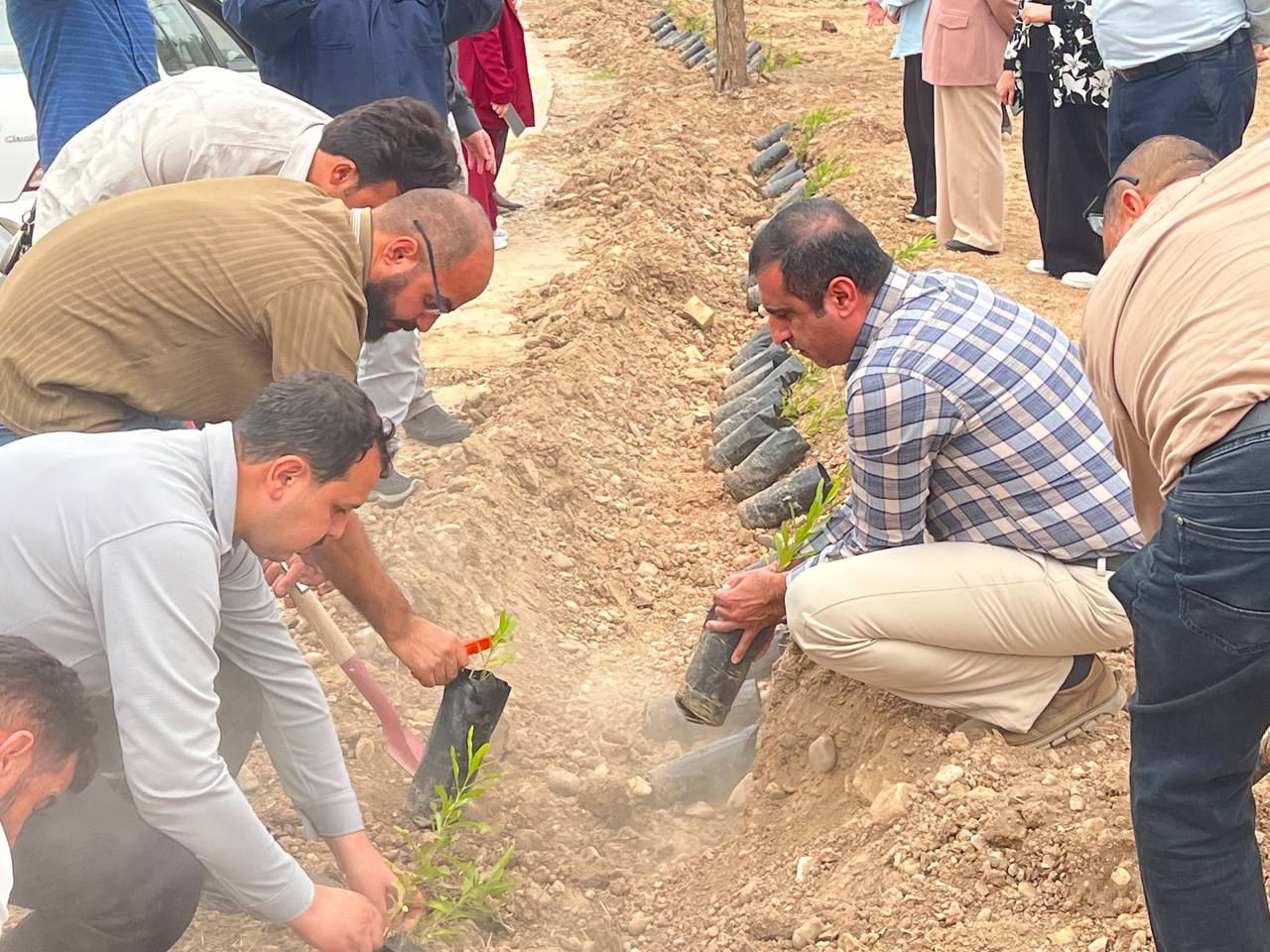
A team of researchers and engineers from the Center for Arid Farming and Conservation Agriculture Research at the University of Mosul has completed the first implementation phase of the strategic Nineveh Governorate Rangeland Restoration Project. This practical initiative aims to combat desertification, rehabilitate degraded rangelands, and promote the sustainable management of natural resources in Iraq.
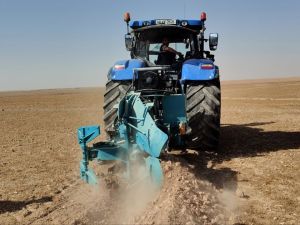
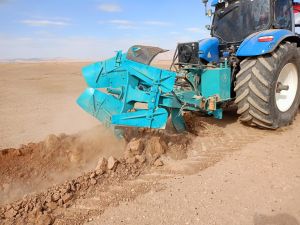
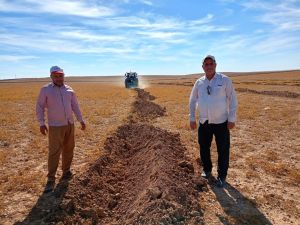
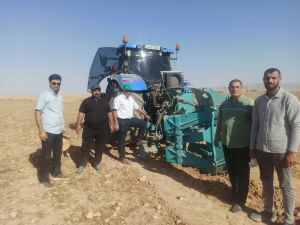
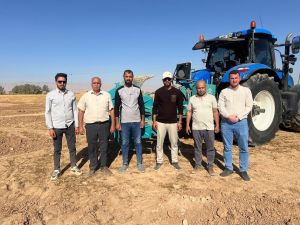
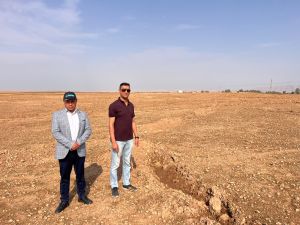
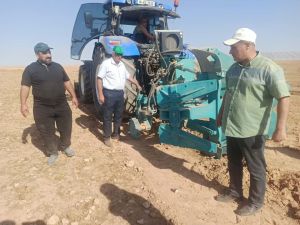
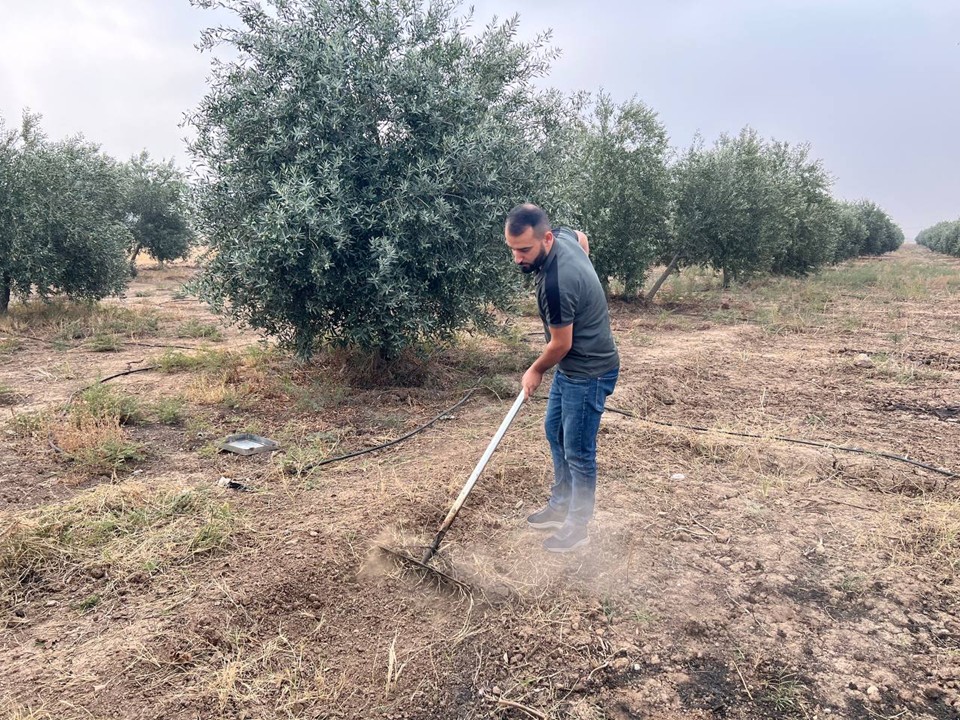
Over ten consecutive days of fieldwork, from 18 to 28 October 2026, the research team carried out rainwater harvesting operations using the Vallerani system. The work involved constructing micro-basins at the Al-Baaj Rangeland Station, affiliated with the Desertification Control Department of the Ministry of Agriculture, using the specialized Delfino S3 plough, which was donated to the Center by the World Food Program (WFP).
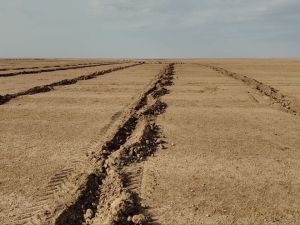
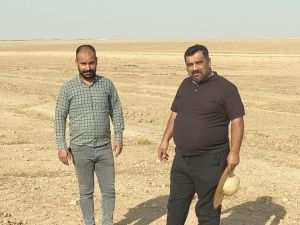
The work involved the construction of a large number of rainwater-harvesting micro-basins across hundreds of dunums. Each basin measures five metres in length, with a depth and width of approximately half a metre. These structures are designed to collect rainwater and reduce surface runoff, thereby helping to improve soil moisture, create favourable conditions for the recovery of natural rangeland vegetation, and enhance groundwater recharge.
This achievement represents an important step towards applying modern technologies and practical research to address the challenges of drought and desertification. It also provides an opportunity to evaluate the results of this field experience and use the findings to expand the rehabilitation of degraded rangelands across Iraq. In doing so, the project supports the sustainable management of natural resources and strengthens prospects for agricultural and pastoral development in arid and semi-arid regions.
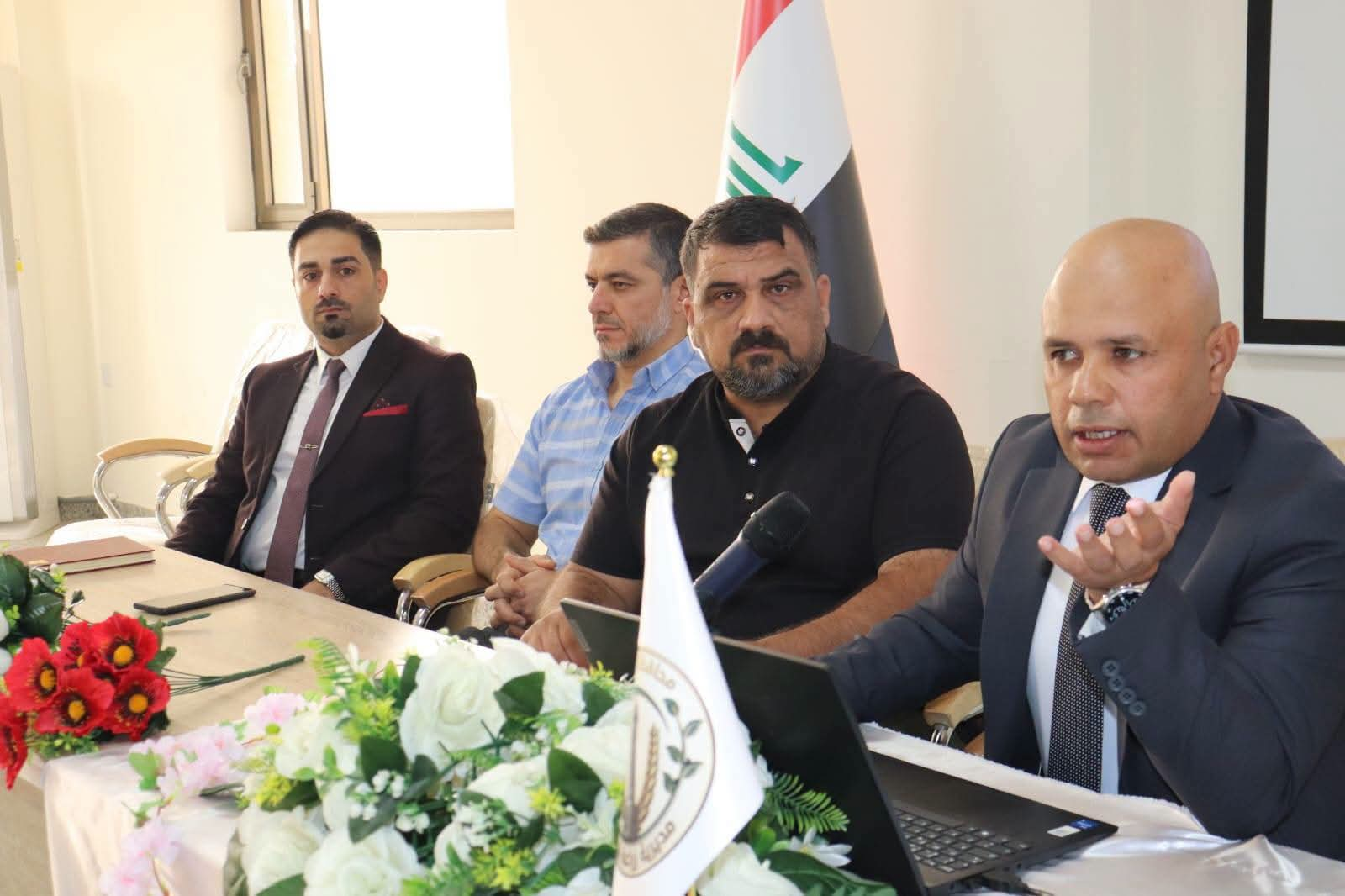
The Center for Arid Farming and Conservation Agriculture Research at the University of Mosul acknowledges the logistical support provided by the Nineveh Agriculture Directorate and the World Food Program (WFP) in implementing this project. Their cooperation highlights the importance of partnerships among research institutions, government agencies, and international organizations in advancing sustainable environmental and development initiatives.
The project contributes to several United Nations Sustainable Development Goals (SDGs), particularly SDG 2: Zero Hunger; SDG 6: Clean Water and Sanitation; SDG 8: Decent Work and Economic Growth; SDG 9: Industry, Innovation and Infrastructure; SDG 13: Climate Action; SDG 15: Life on Land; and SDG 17: Partnerships for the Goals.

#University_of_Mosul.
#Center_for_Arid_Farming_and_Conservation_Agriculture_Research’s.
#sustainable_development.