1 June، 2025
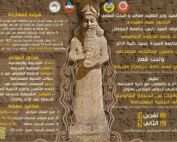
Environmental Scenes Executed on Assyrian Sculptures in a Master’s Thesis
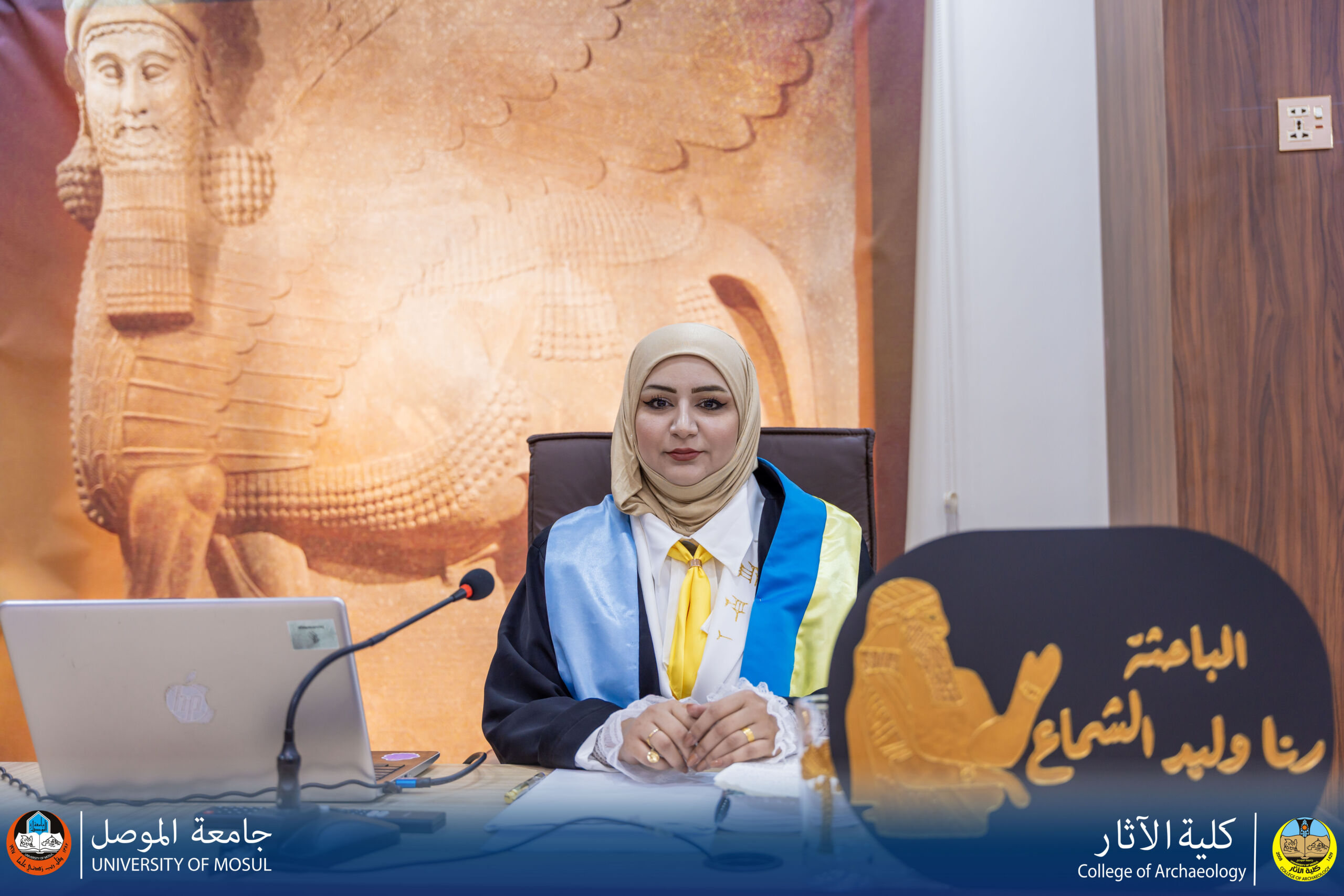
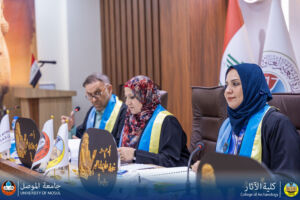
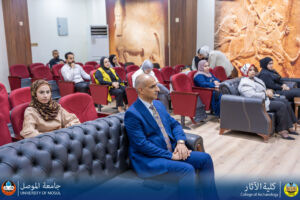
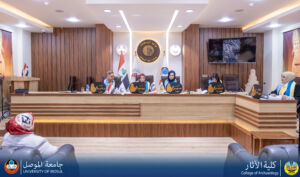
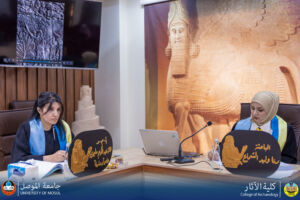
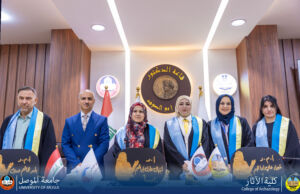
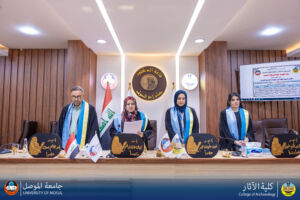
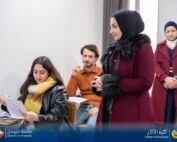
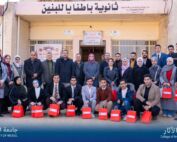
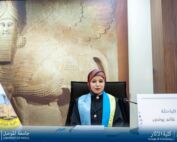
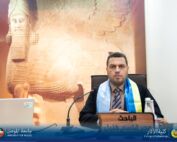
The master’s thesis, entitled “Environmental Scenes Executed on Assyrian Sculptures,” was discussed by student Rana Walid Abdul Razzaq from the Department of Civilization on Thursday, May 29, 2025, in Dr. Bahnam Abu Al-Souf Hall. The thesis addressed the environment throughout the ages as a source of inspiration for artists. Humans, by nature, interact with the environmental elements surrounding them. An artist’s connection to their environment is not superficial or fleeting, but rather a profound relationship reflected in their works, expressing their thoughts, feelings, and visual experience. In light of this interaction, the impact of the environment on artistic creativity is evident, both at the level of creative behavior and artistic production. This makes the artist’s achievements a living reflection of their interaction with their surroundings. The environment, with its characteristics and components, is not merely a natural framework surrounding humans; rather, it is a dynamic and active partner that participates in shaping culture and art as a product of human interaction with their surroundings. The environment serves as an incubator that nurtures talent, refines artistic expression, and leaves a clear mark on creative works, as it is the common space within which people interact despite their different circumstances and diverse appearances.
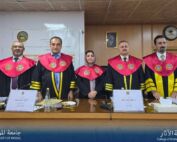
The viva committee consisted of the following professors:
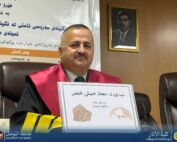
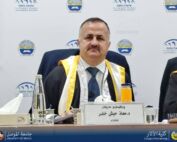
Prof. Dr. Ibtihal Adel Ibrahim, University of Kirkuk / College of Arts / Department of History, Chair
Assistant Professor Dr. Shaima Ali Ahmed, University of Mosul / College of Archaeology / Department of Ancient Iraqi Languages, Member
Assistant Professor Dr. Yasser Hashim Hussein, University of Mosul / College of Arts / Department of History, Member
Assistant Professor Dr. Hala Abdul Karim Suleiman, University of Mosul / College of Education for Humanities / Department of History, Member and Supervisor
The Deanship of the College of Archaeology wishes the supervising professor and the student success.