4 December، 2025
A Scientific Day at the College of Dentistry Focuses on Patient Safety and Advanced Diagnostics
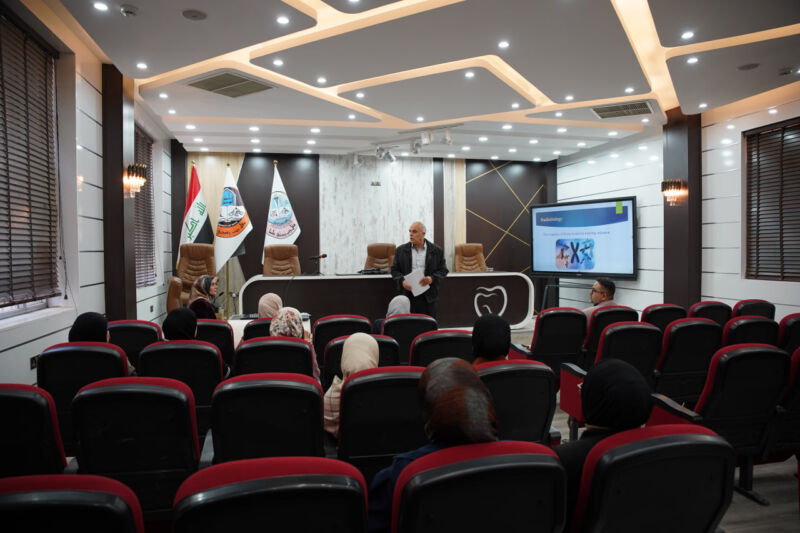
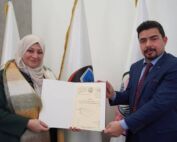
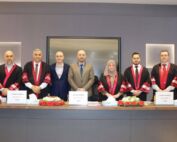
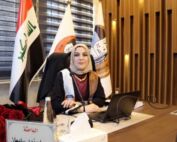
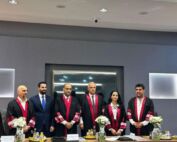
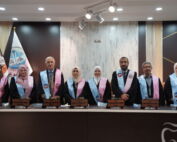
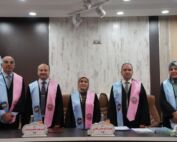
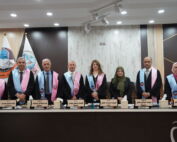
The Career Development, Employment, and Follow-up Unit at the College of Dentistry organized a Scientific Day on Wednesday, 3 December 2025, as part of the implementation of advisory board plans. The event aimed to strengthen the alignment between academic outputs and the needs of the labor market and advanced healthcare services.
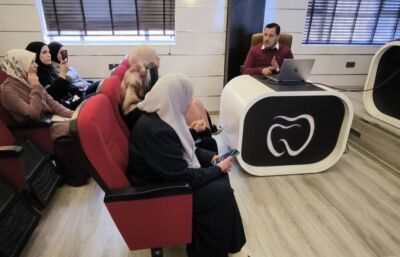
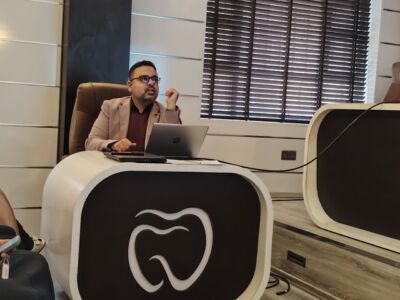
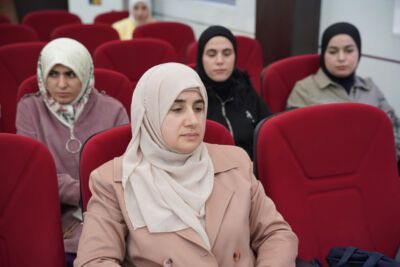
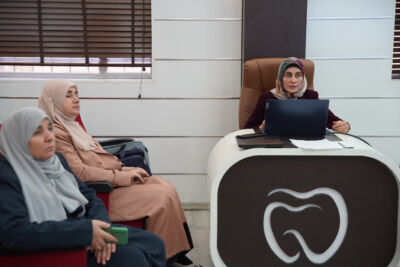
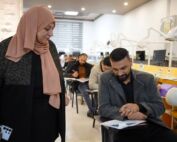
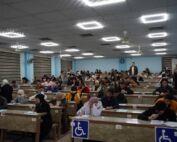
The Scientific Day, attended by a select group of faculty members, graduates, and fifth-stage students, featured specialized lectures highlighting the latest practices in the medical and healthcare fields. The program covered the following topics:
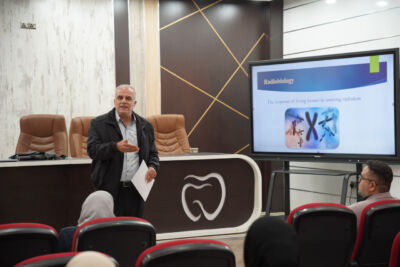
The Biohazards of Radiation:
Presented by Lecturer Dr. Shahrazad Sami, the lecture emphasized the importance of awareness of radiation safety standards within medical environments.
The Role of PET Scan in the Early Detection of Cancer:
Presented by Lecturer Dr. Asmaa Basheer Rasheed, the session addressed the significance of advanced technologies in the early diagnosis of diseases.
Advanced Trauma Life Support (ATLS):
Delivered by Lecturer Dr. Sufyan Hummadi Ahmed and Lecturer Rayan Mohammed Al-Mallah, the lecture focused on training participants in life-saving skills for managing emergency and severe trauma cases.
Workshop Outcomes Aligned with the Sustainable Development Goals (SDGs)
The activities and topics presented during the Scientific Day strongly align with two key United Nations Sustainable Development Goals:
1. Goal 3: Good Health and Well-Being
The Scientific Day contributes to enhancing healthcare and improving the competencies of medical personnel by:
Improving diagnosis and treatment:
The focus on PET scanning enhances the capability for early detection of critical diseases such as cancer, improving treatment outcomes.
Strengthening emergency skills:
ATLS training increases the preparedness of healthcare teams to manage traumatic injuries and emergencies, contributing to reduced mortality rates associated with trauma.
Occupational safety:
The discussion of radiation biohazards promotes awareness of safety standards, protecting both healthcare workers and patients and ensuring a safer clinical environment.
2. Goal 4: Quality Education
The Scientific Day serves as a practical model of high-quality higher education through:
Lifelong learning and professional development:
Targeting faculty members, graduates, and fifth-stage students fosters continuous training and keeps participants updated on recent scientific and medical advancements.
Aligning education with labor market needs:
Implementing advisory board plans ensures that academic and training content remains closely connected to the actual needs of society and the healthcare sector.