4 September، 2026
College of Dentistry Discusses PhD Dissertation on the Evaluation of Silicon Dioxide Nanoparticles and Hydroxyapatite for Bone Regeneration: An In Vivo Study
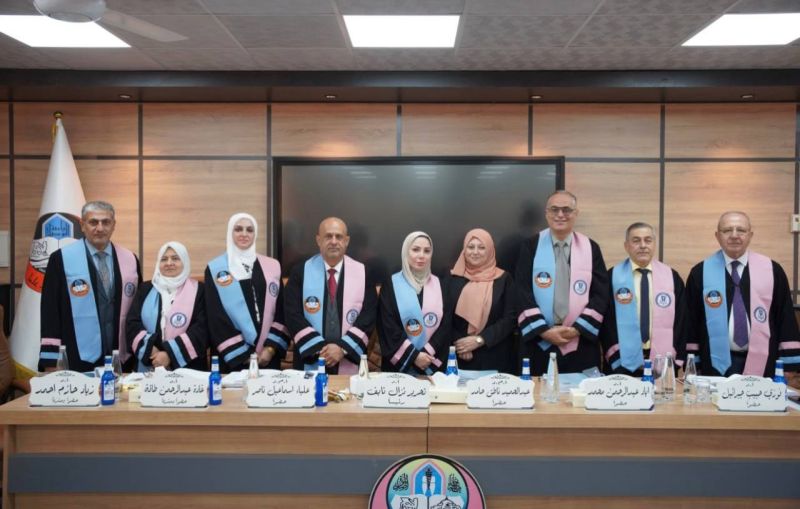
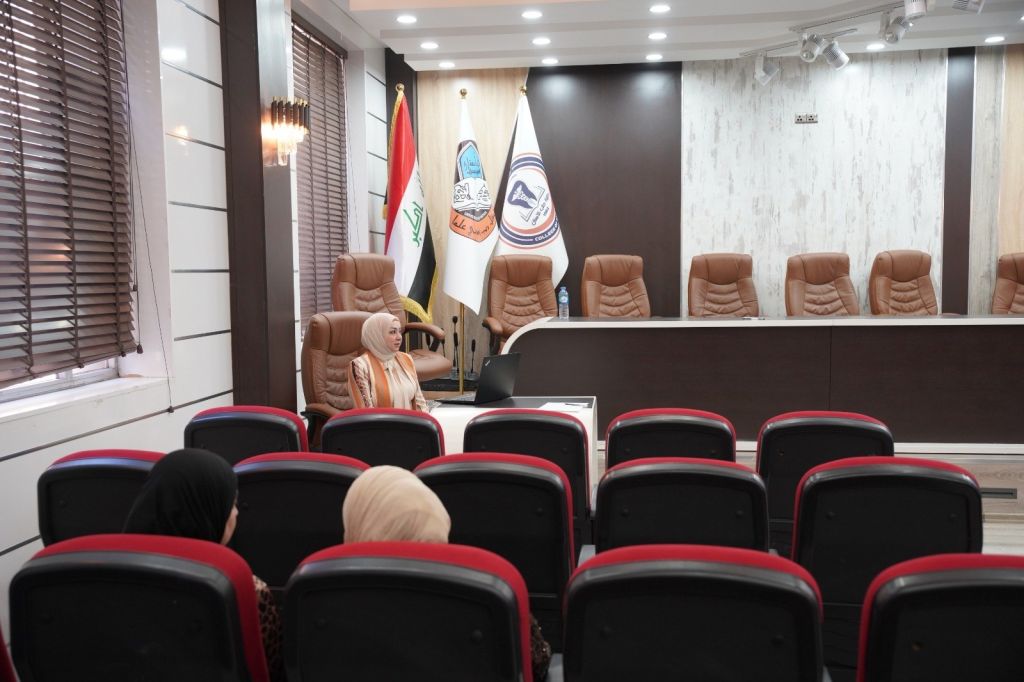
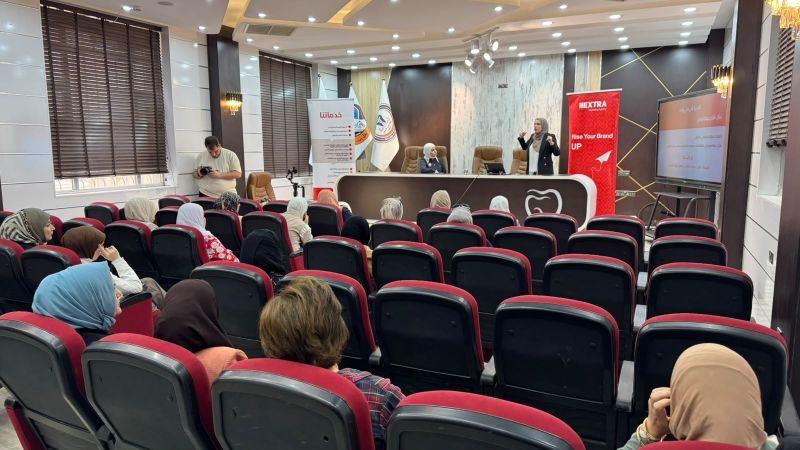
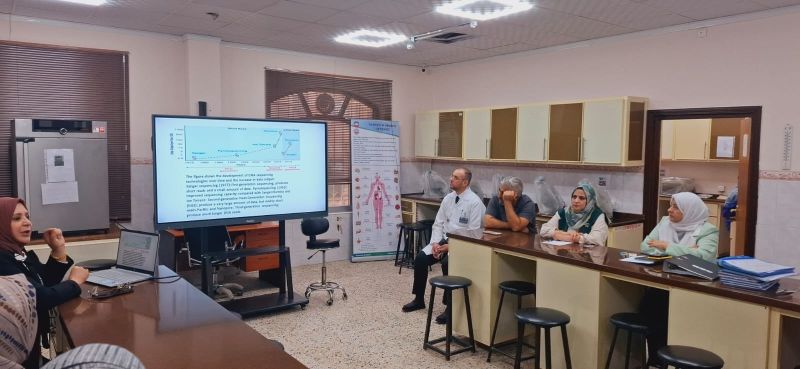
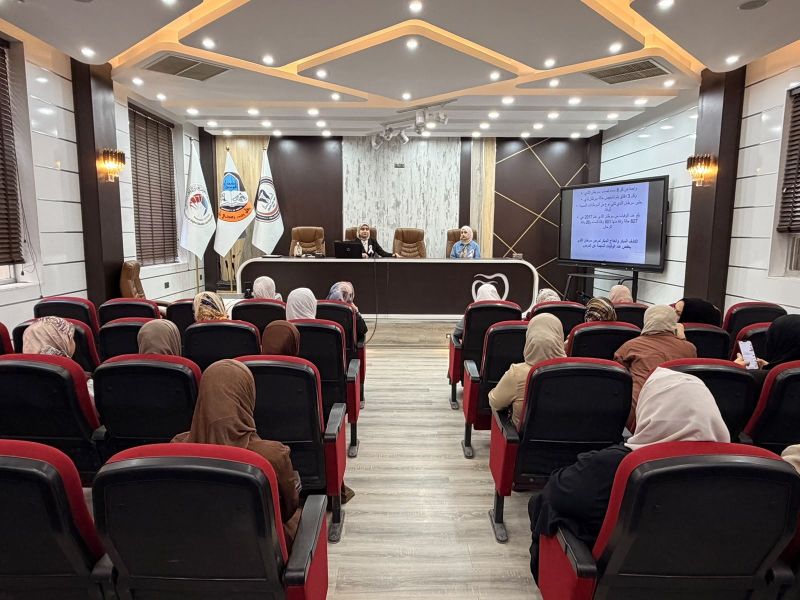
The Department of Oral and Maxillofacial Surgery at the College of Dentistry, University of Mosul, held a discussion of a PhD dissertation on Thursday, September 3, 2026, entitled:
“Evaluation of Silicon Dioxide Nanoparticles and Hydroxyapatite for Bone Regeneration: An In Vivo Study”
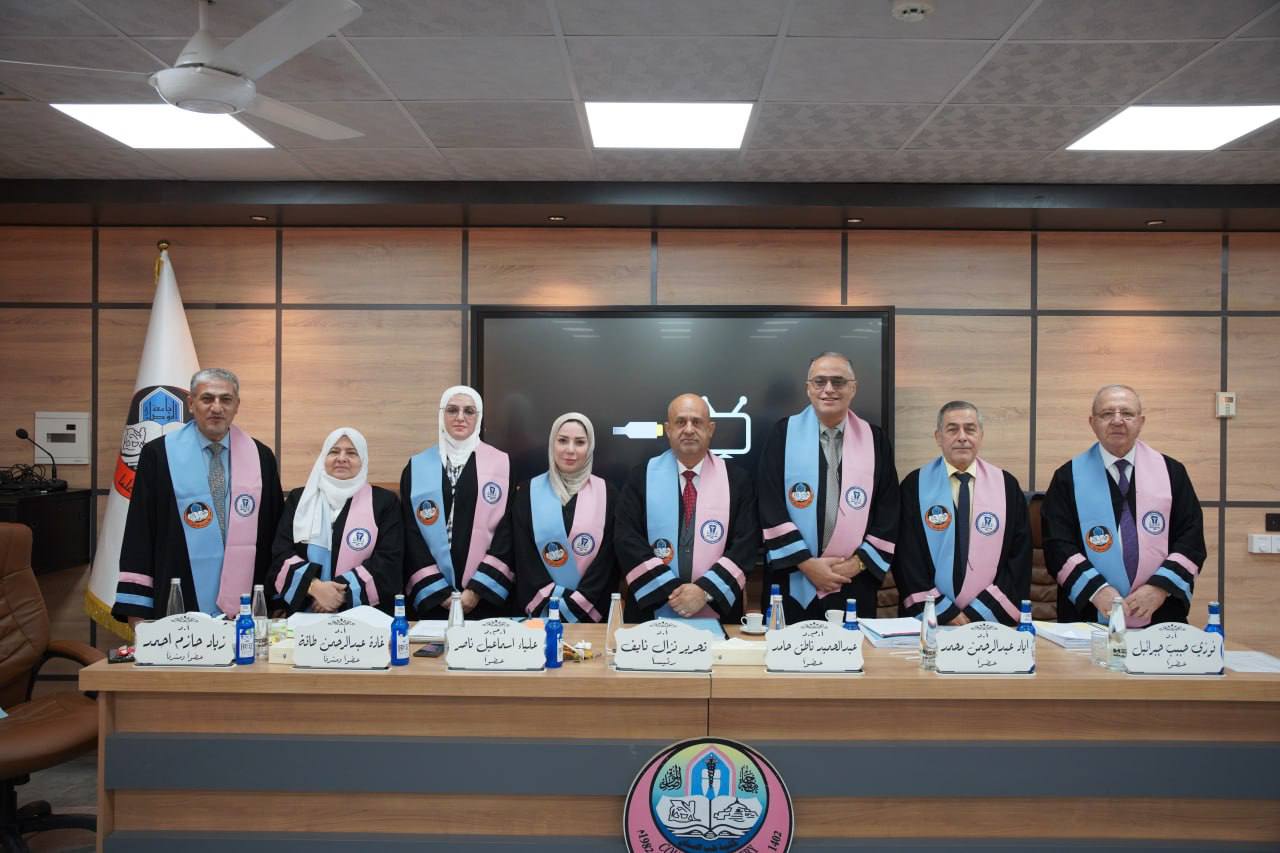
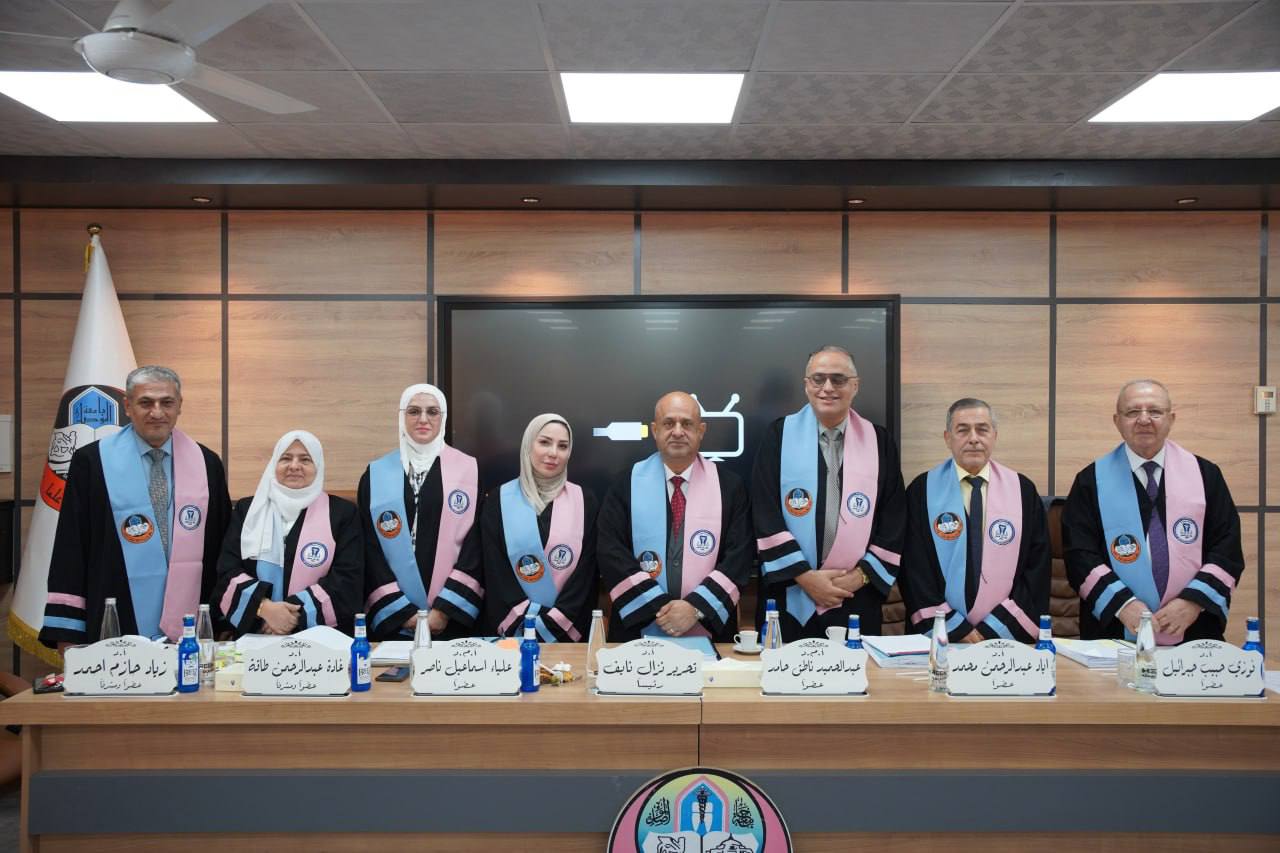
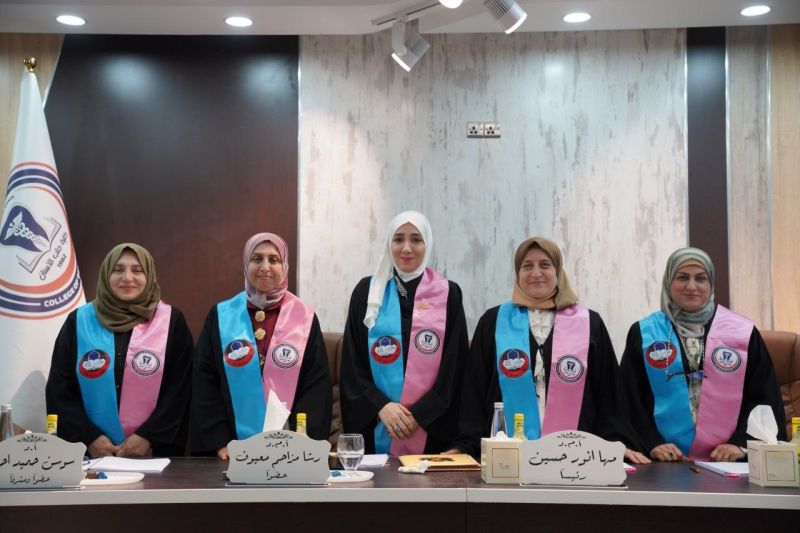
The dissertation was submitted by Nasma Muwafaq Abdullah. The discussion committee was chaired by Prof. Dr. Tahrer Nazzal Nayef, with Prof. Dr. Fawzi Habib Jabrael, Prof. Dr. Ayad Abdulrahman Mohammed, Assistant Professor Dr. Alia Ismail Nasser, and Assistant Professor Dr. Abdulhameed Natiq Hamed serving as members. The dissertation was supervised by Prof. Dr. Ziad Hazim Ahmed and Prof. Dr. Ghada Abdulrahman Taqa, who also served as members of the discussion committee.
The study, an in vivo study, aimed to compare the bone-regenerative efficacy among three groups of tibial defects in a sheep model. The groups included untreated defects, defects locally treated with silicon dioxide (SiO₂) nanoparticles biosynthesized using sumac plant (Rhus carinaria) extract, and defects filled with hydroxyapatite as a bone substitute material.
Bone healing was evaluated using a range of parameters, including histological examinations, histomorphometry measurements, radiographic assessments, biochemical analyses, oxidative stress and antioxidant markers, as well as immunohistochemical evaluation.
The results demonstrated that local treatment with silicon dioxide (SiO₂) nanoparticles biosynthesized using sumac plant extract, along with the use of hydroxyapatite, enhanced bone regeneration compared with untreated tibial defects. The biosynthesized SiO₂ nanoparticles also demonstrated regenerative efficacy comparable to that of hydroxyapatite during the early stages of bone healing and achieved notable regenerative outcomes compared with the untreated control group. Meanwhile, hydroxyapatite recorded the highest values across a number of biochemical and radiographic parameters, as well as histomorphometry measurements.
These findings suggest that green-synthesized silicon dioxide nanoparticles may represent a promising biomaterial for bone regeneration, opening up potential avenues for their application in oral and maxillofacial surgery and orthopedic surgery. However, given the limited number of animals evaluated at each time point of the study, these findings require confirmation through larger-scale experimental studies.
At the conclusion of the discussion, and after making the necessary modifications to the dissertation, the dissertation was approved and successfully accepted.