31 August، 2026
Remote Sensing Center Participates in the Discussion of a PhD Dissertation at the College of Science, University of Tikrit
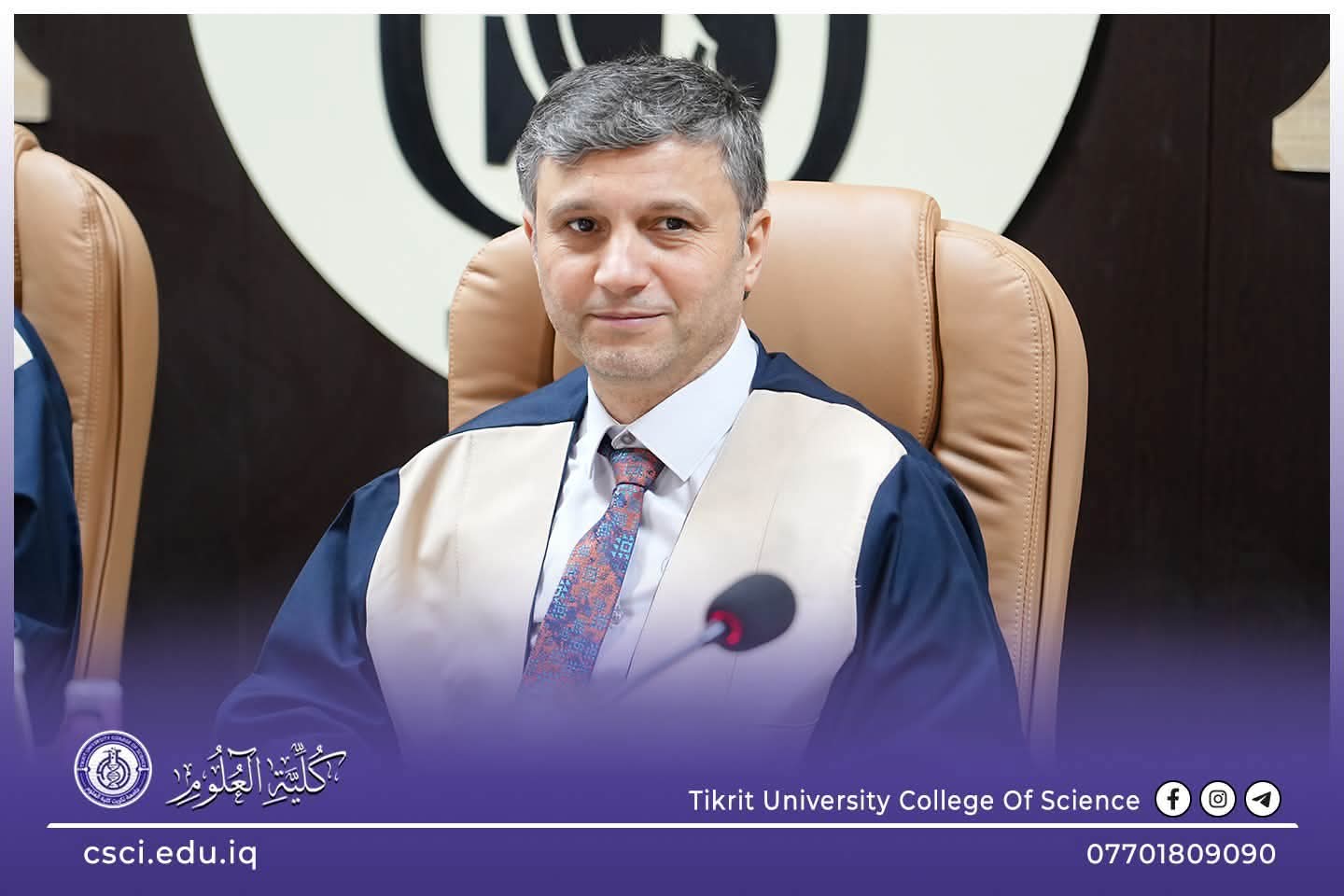
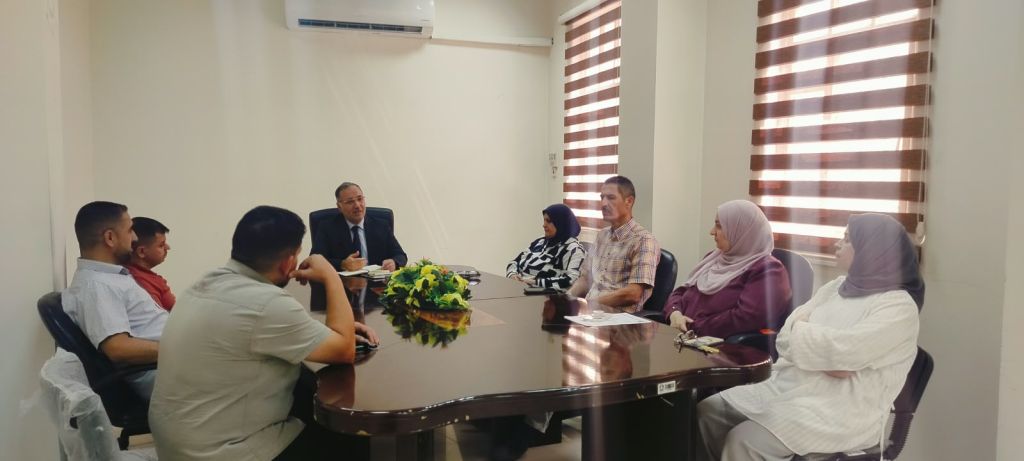
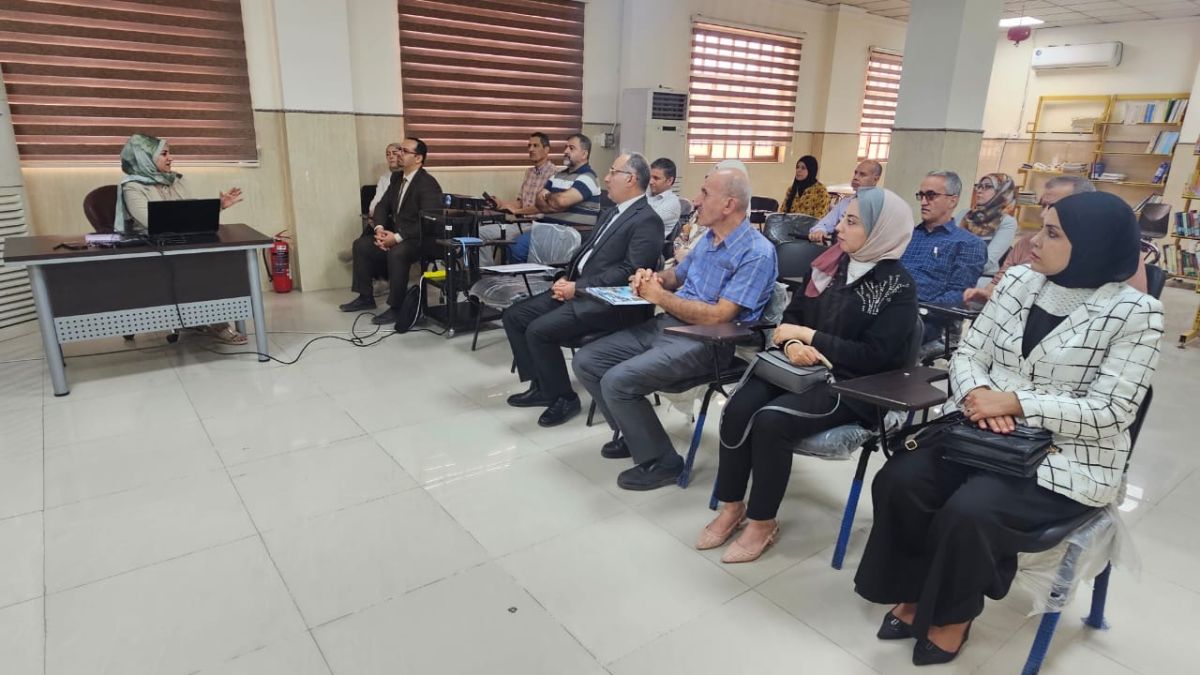
Assist. Prof. Dr. Mohammed Fawzi Omar, Head of the Department of Natural Resources and Engineering Sciences at the Remote Sensing Center, University of Mosul, participated as a member of the PhD dissertation discussion committee at the Department of Applied Earth Sciences, College of Science, University of Tikrit, on Thursday, August 27, 2026.
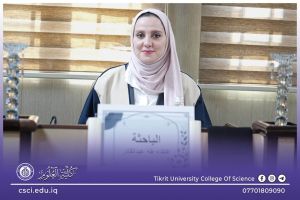
The dissertation, submitted by researcher Iktifa Taha Abdul Qader Al-Huwaiz, was entitled “A Hydrological and Geometrical Study of In-Stream Storage in the Tigris River Using a Series of Successive Weirs from Central Mosul to Al-Fatha Area”, under the supervision of Prof. Dr. Sabbar Abdullah Saleh Al-Qaisi.
The dissertation presented an integrated scientific methodology for addressing the growing water challenges in Iraq, particularly in light of climate change and declining water inflows. The study investigated the feasibility of adopting the concept of in-stream storage through the construction of 11 successive small weirs along approximately 180 km of the Tigris River, extending from the Old Bridge area in Mosul to Al-Fatha area in Salah Al-Din Governorate.
The study contributes to the achievement of several Sustainable Development Goals (SDGs), particularly Goal 6 (Clean Water and Sanitation) by supporting the sustainable management of water resources; Goal 9 (Industry, Innovation and Infrastructure) through proposing innovative scientific and engineering solutions for water management; and Goal 13 (Climate Action) by addressing the challenges posed by climate change and its impacts on water resources.
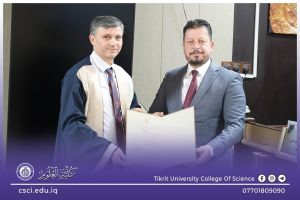
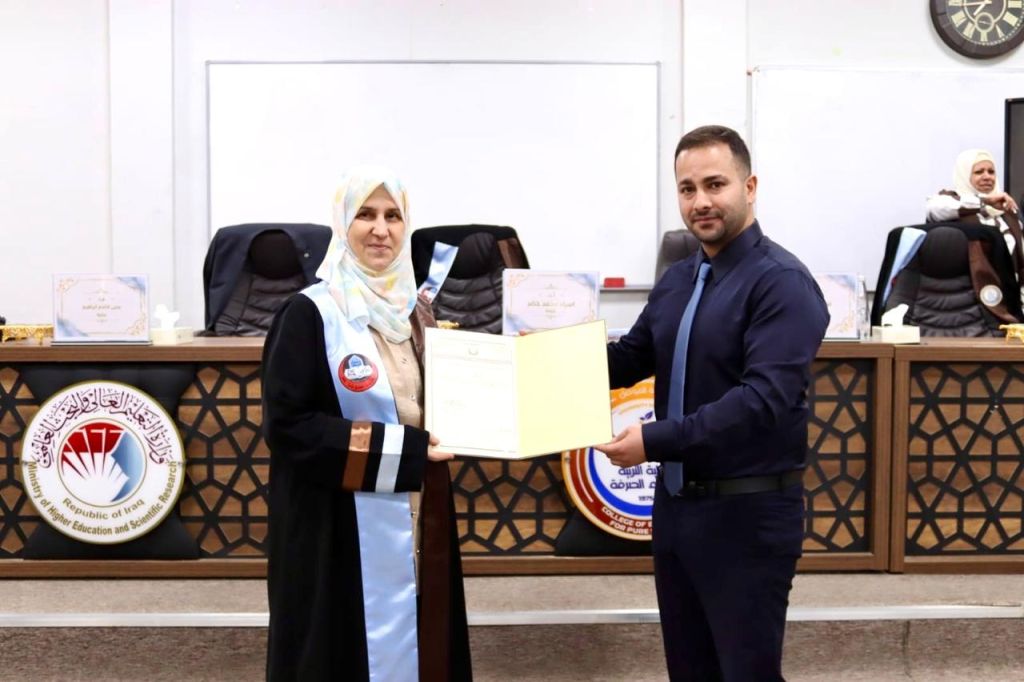
At the conclusion of the discussion, the committee recommended awarding the researcher a PhD degree in Applied Earth Sciences, specializing in Water Resources Hydrology, commending the scientific, field, and applied efforts undertaken in completing the dissertation. The committee also highlighted the dissertation’s scientific contribution and its potential to support water and hydrological planning and enhance the sustainable management of water resources in Iraq.
The participation of the Remote Sensing Center in this academic discussion reaffirms its academic and scientific role in supporting research, strengthening cooperation and communication among academic and research institutions, and contributing to the discussion of priority environmental and water-related issues at the national level.