6 October، 2026
The College of Dentistry Organizes an Updated Training Course on the Philosophy of Combating Administrative and Financial Corruption
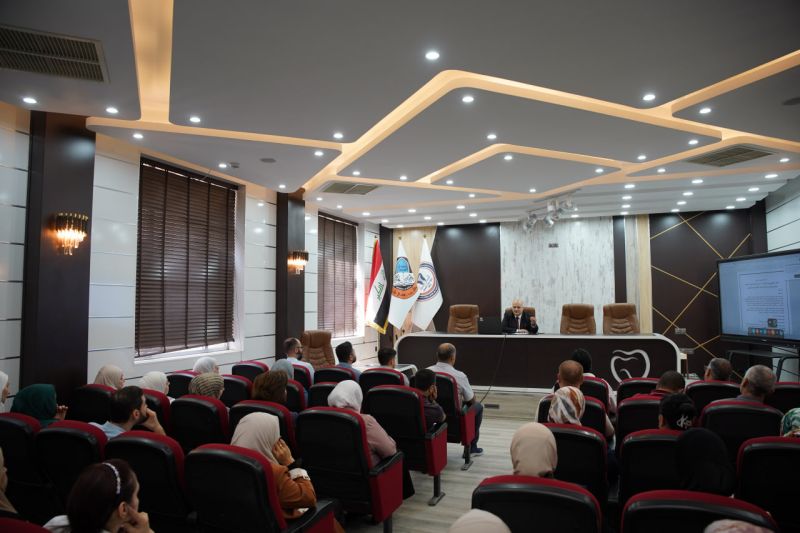
As part of its ongoing efforts to strengthen institutional integrity and uphold the principles of good governance, the College of Dentistry organized a new specialized training course aimed at developing and building the capacities of academic and administrative staff in combating administrative and financial corruption.
This initiative is grounded in a contemporary vision that recognizes institutional integrity as a fundamental pillar for establishing an effective and trustworthy educational environment. From this perspective, combating corruption is not merely a matter of regulatory procedures; rather, it represents an integrated system of ethical, moral, and legal values governing public administration.
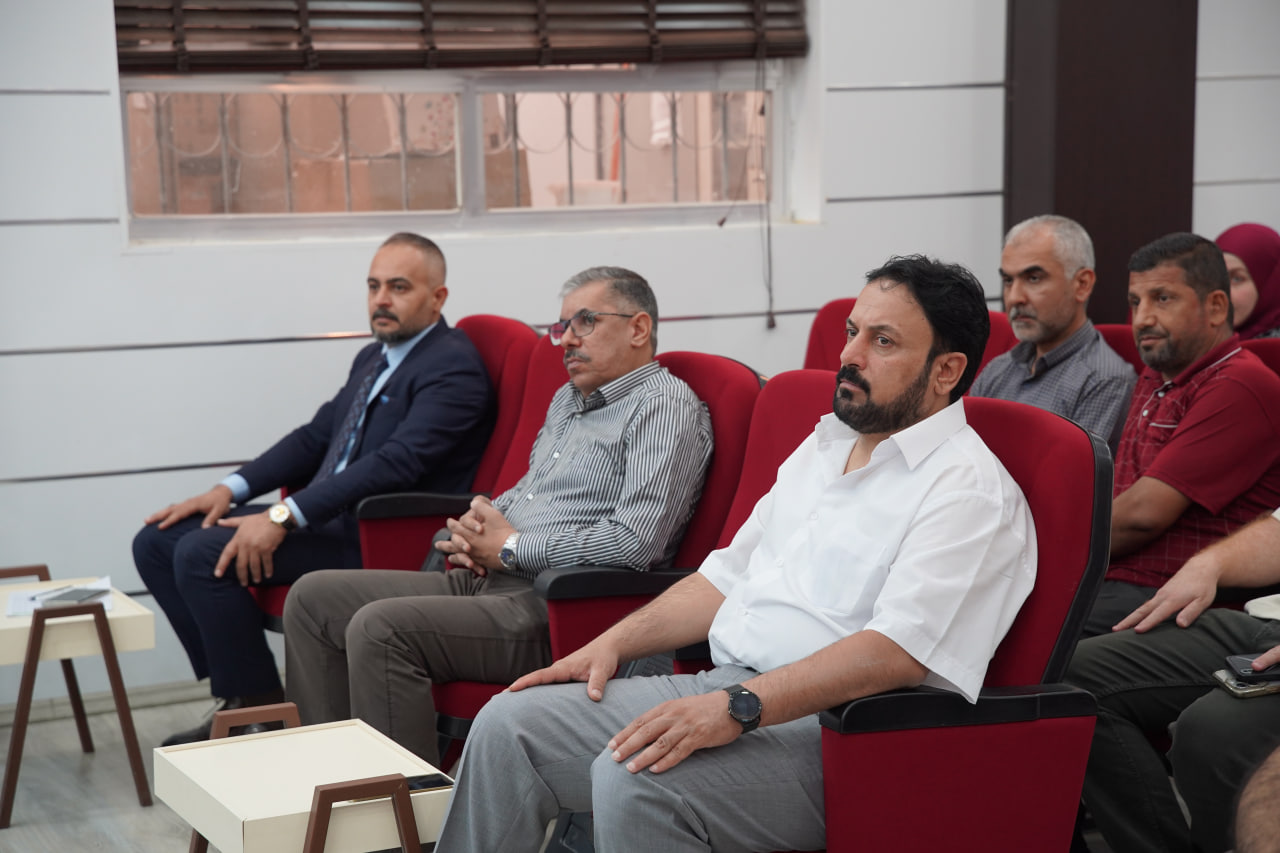
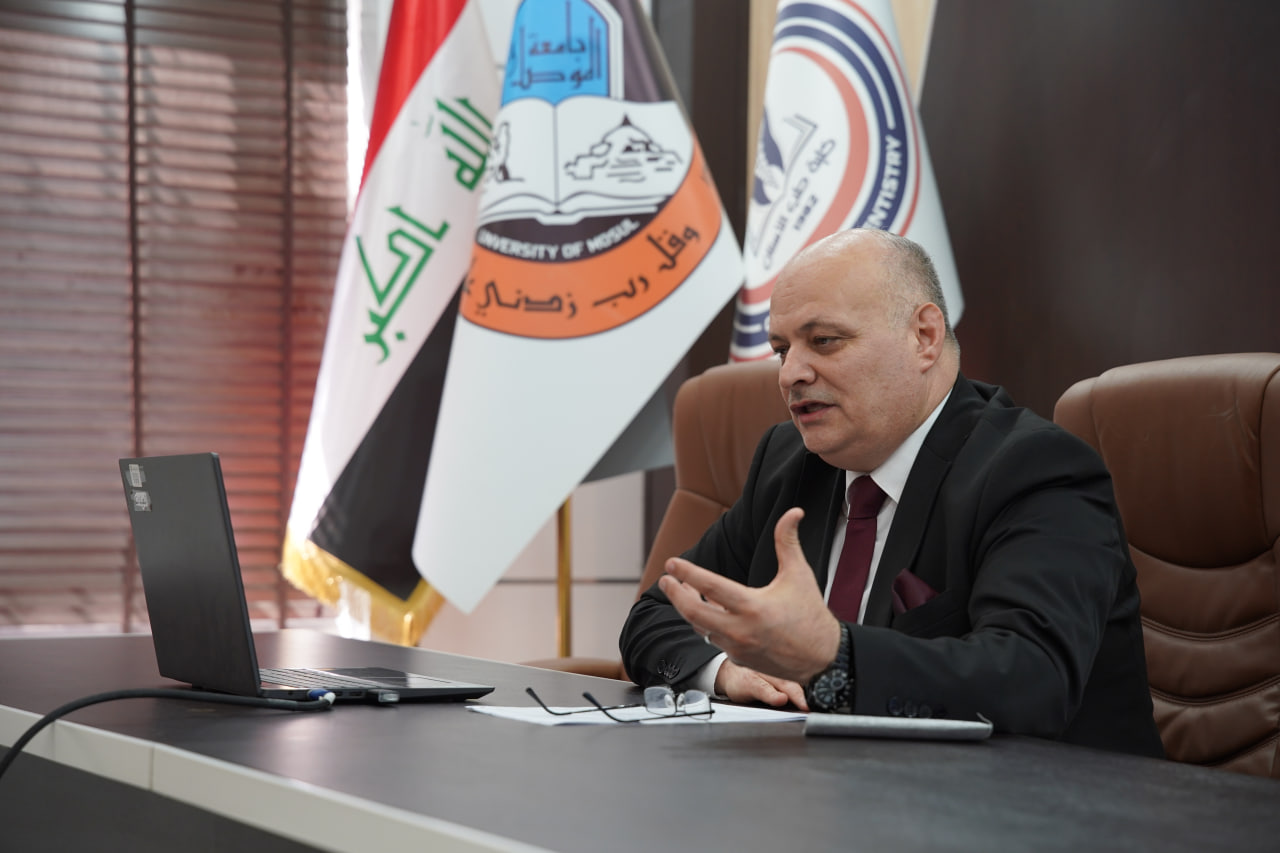
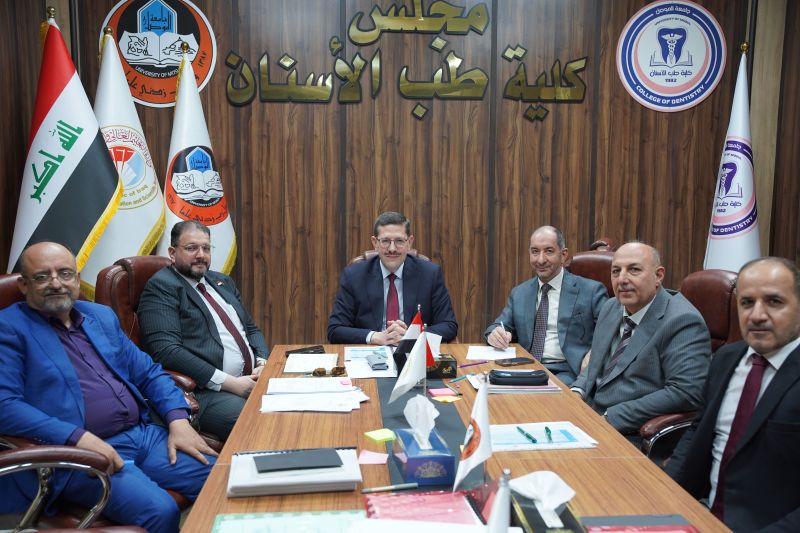
The course was held under the direct supervision of Professor Dr. Neam Riyadh Saleem, Dean of the College, and attended by the Assistant Deans. This reflects the College Administration’s commitment to fostering a culture of transparency and accountability across all levels of its administrative and academic structure, as well as reaffirming its commitment to the national programmes approved by the Ministry of Higher Education and Scientific Research.
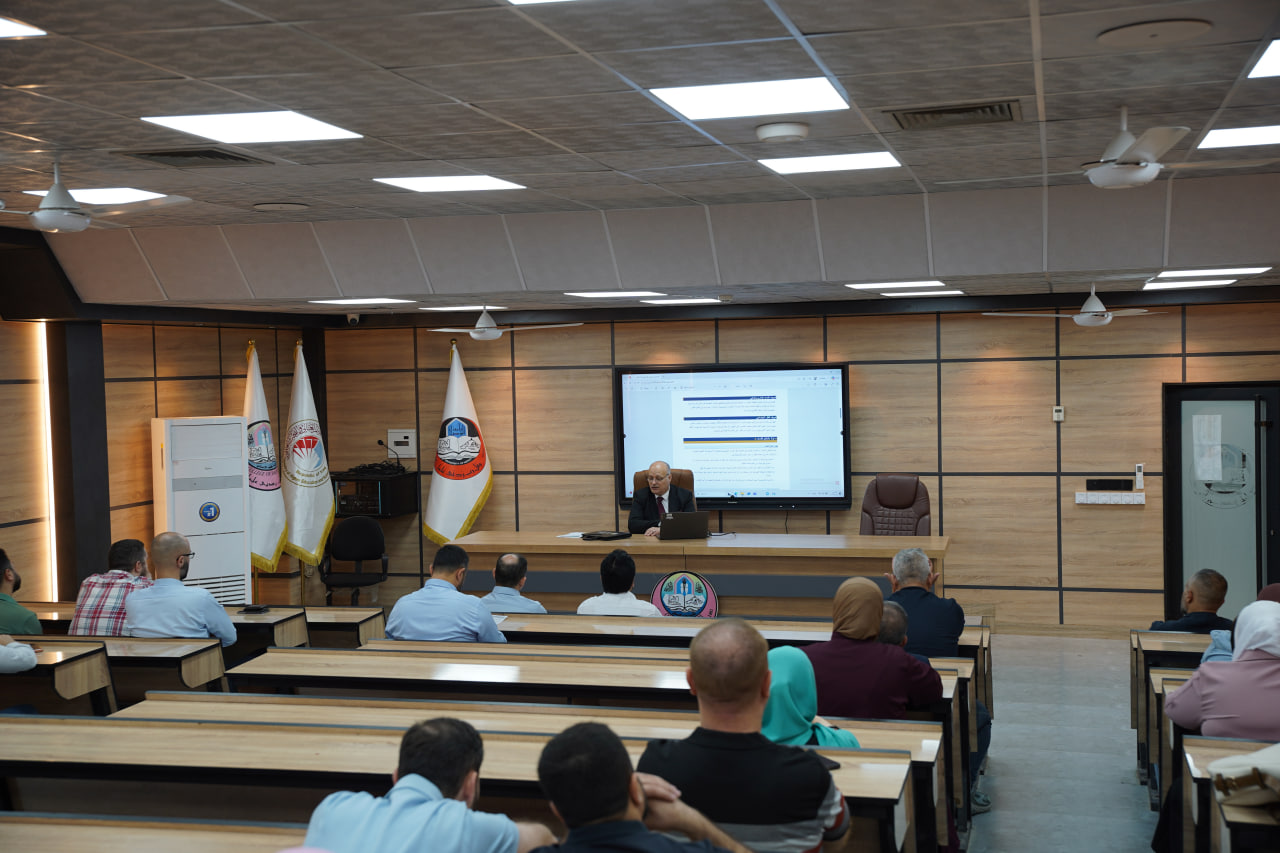
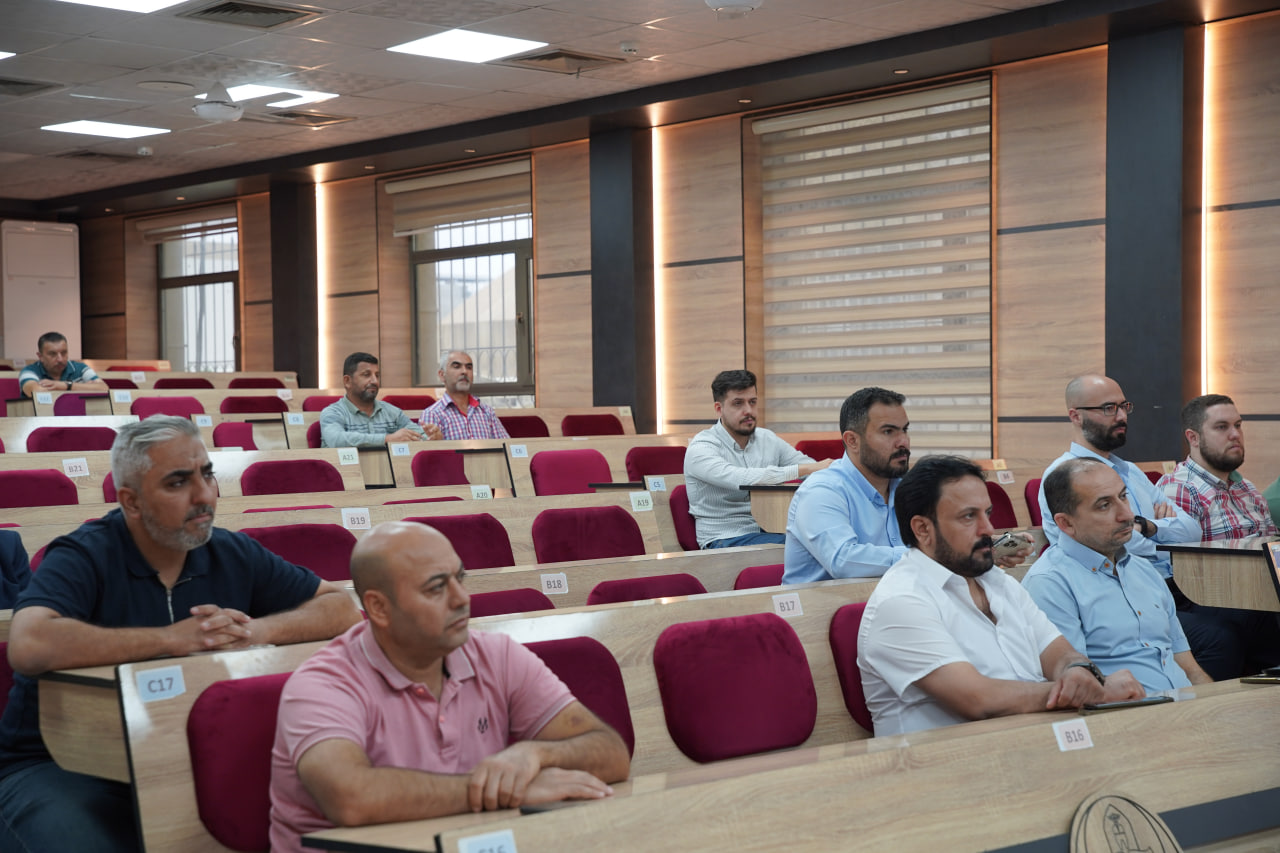
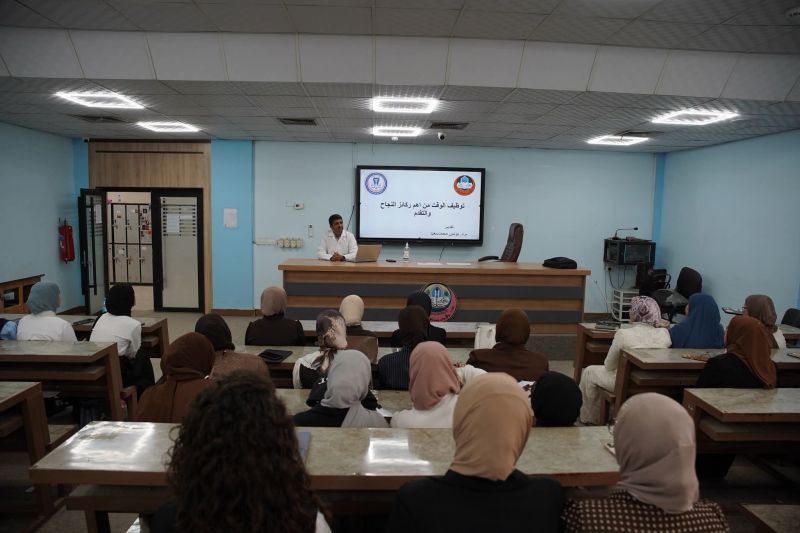
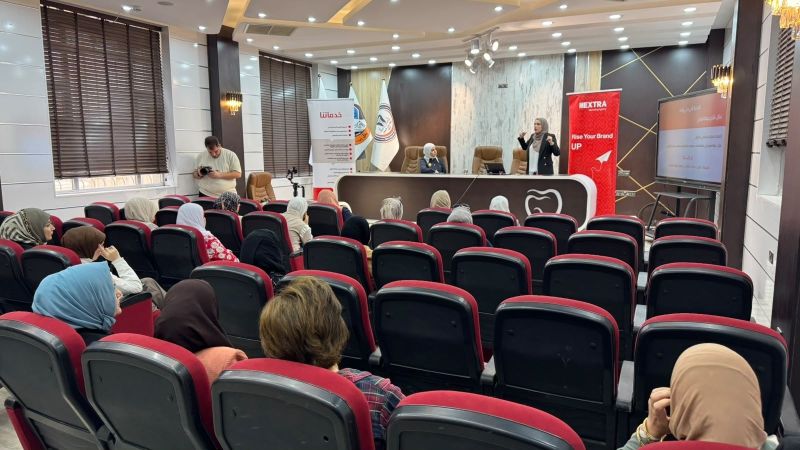
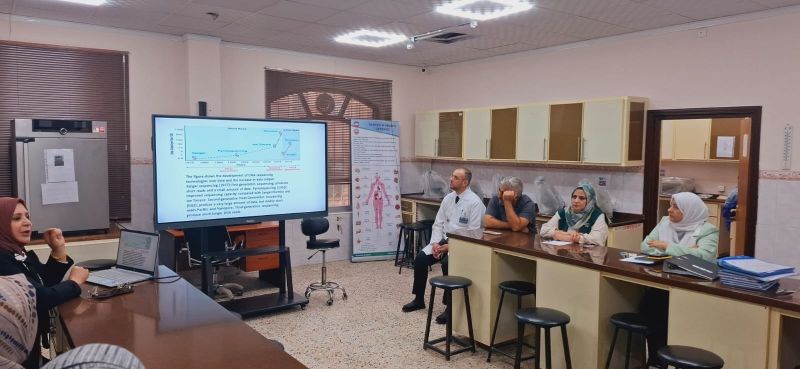
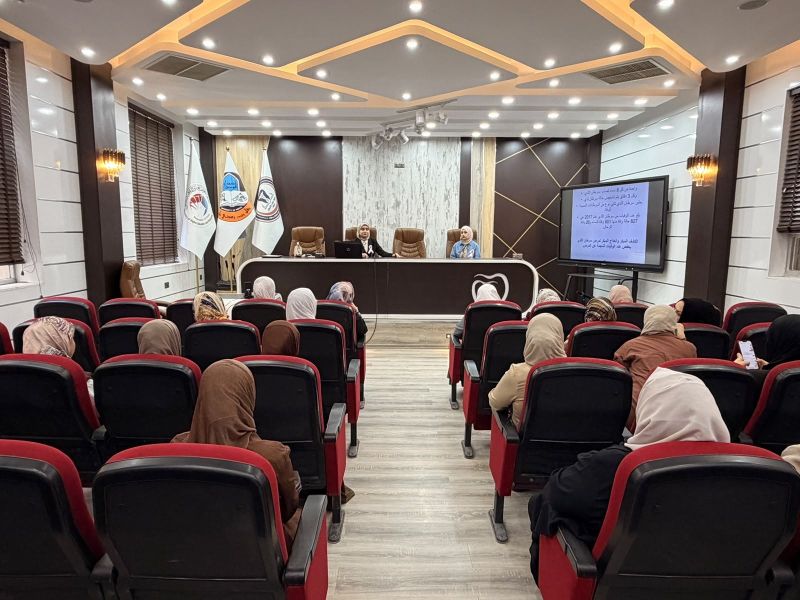
The course witnessed broad attendance and participation by academic staff and employees. Its sessions were held on Monday and Tuesday, 5–6 October 2026, with Professor Dr. Sadam Khazail Yahya from the College of Law, University of Mosul, serving as the trainer and academic supervisor. The sessions included a review of the key laws and administrative instructions currently in force, with particular emphasis on the mechanisms for their practical implementation within educational institutions. They also provided an opportunity for interactive dialogue and discussion to address participants’ questions and inquiries.
This updated edition of the course aims to further enhance institutional awareness of the risks of corruption and its adverse consequences, while equipping various administrative units with the legal knowledge and tools necessary to ensure efficient and equitable operations. These efforts serve the College’s mission and contribute to advancing higher education towards sustained excellence.