19 January، 2026
Master’s Thesis Defense on Evaluating the Efficacy of Novel Approach in the removal of Bio-ceramic Sealer in Endodontic Retreatment
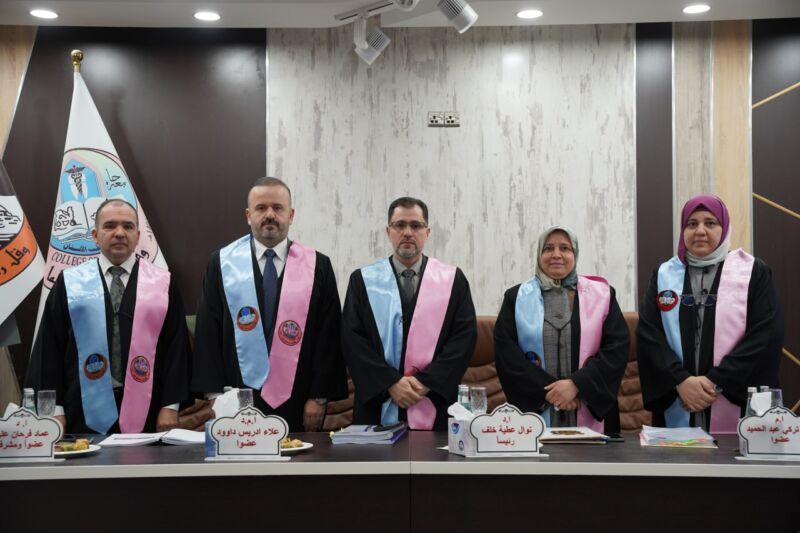
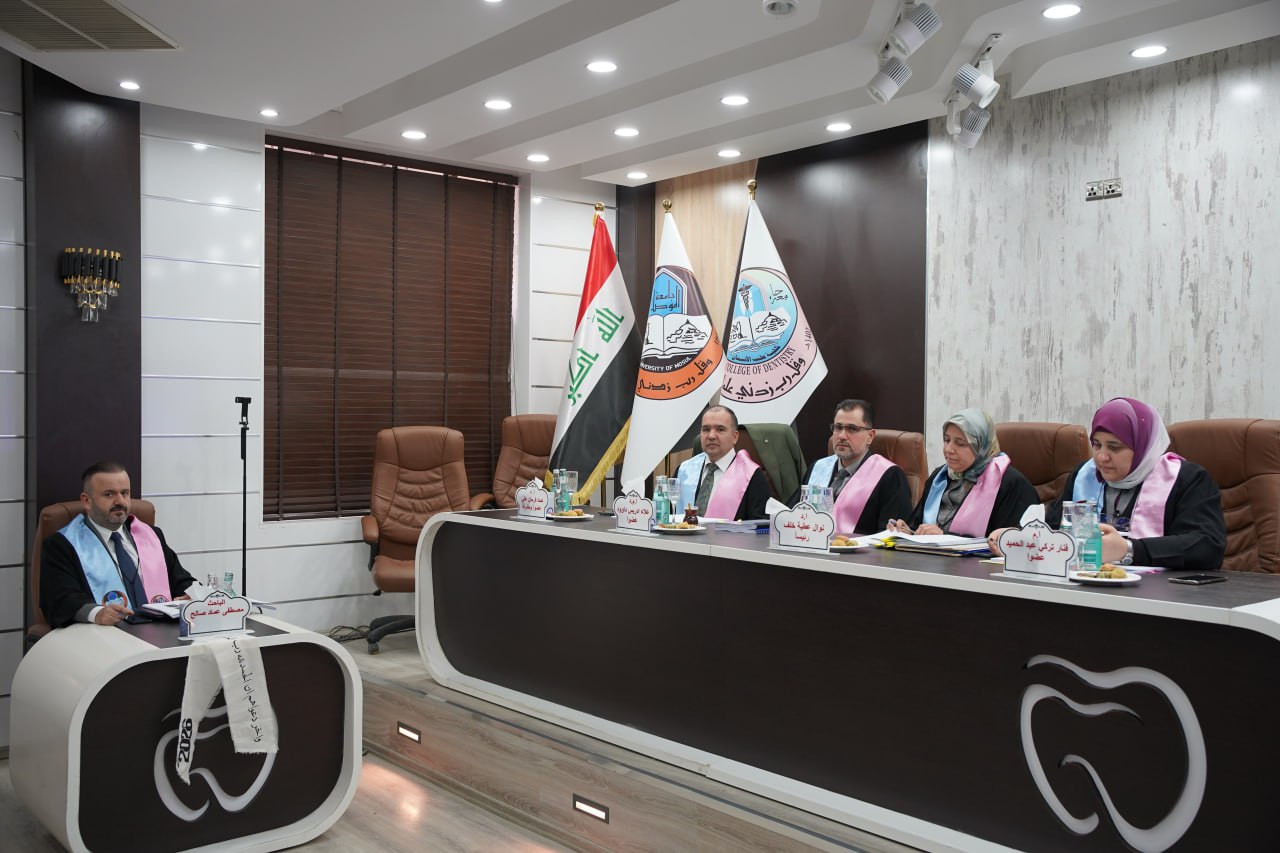
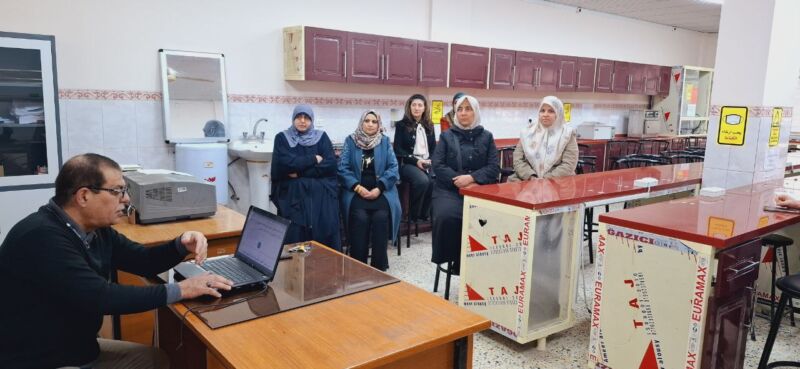
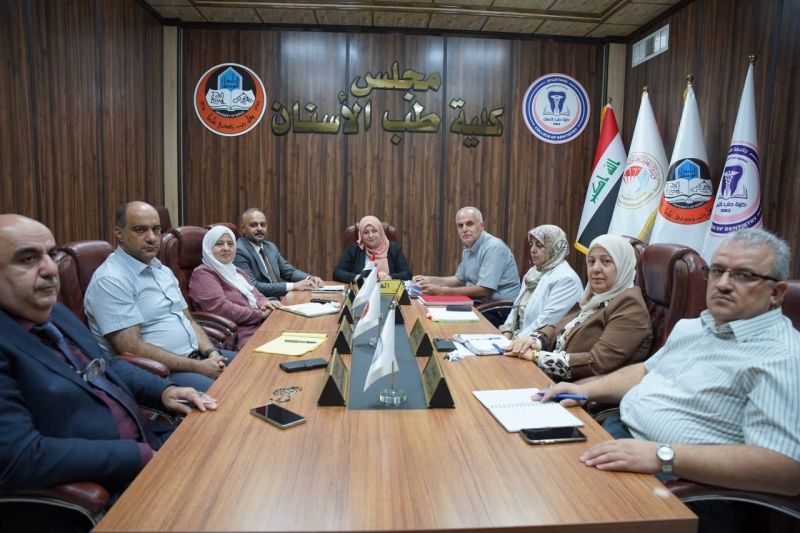
On Monday, 19 January 2026, the master’s thesis defense took place at the Department of Conservative Dentistry, College of Dentistry, University of Mosul. The thesis was entitled:
“Evaluating the Efficacy of Novel Approach in the removal of Bio-ceramic Sealer in Endodontic Retreatment.”
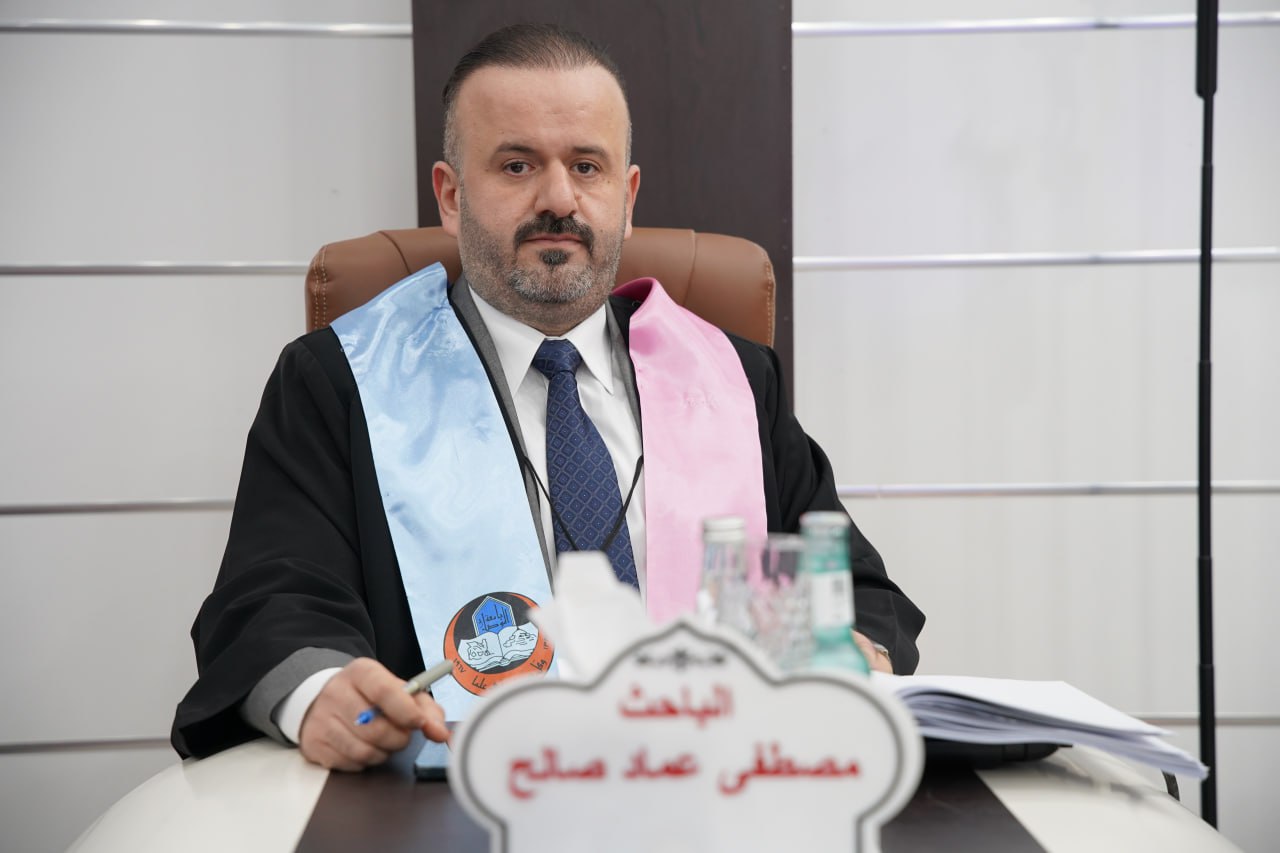
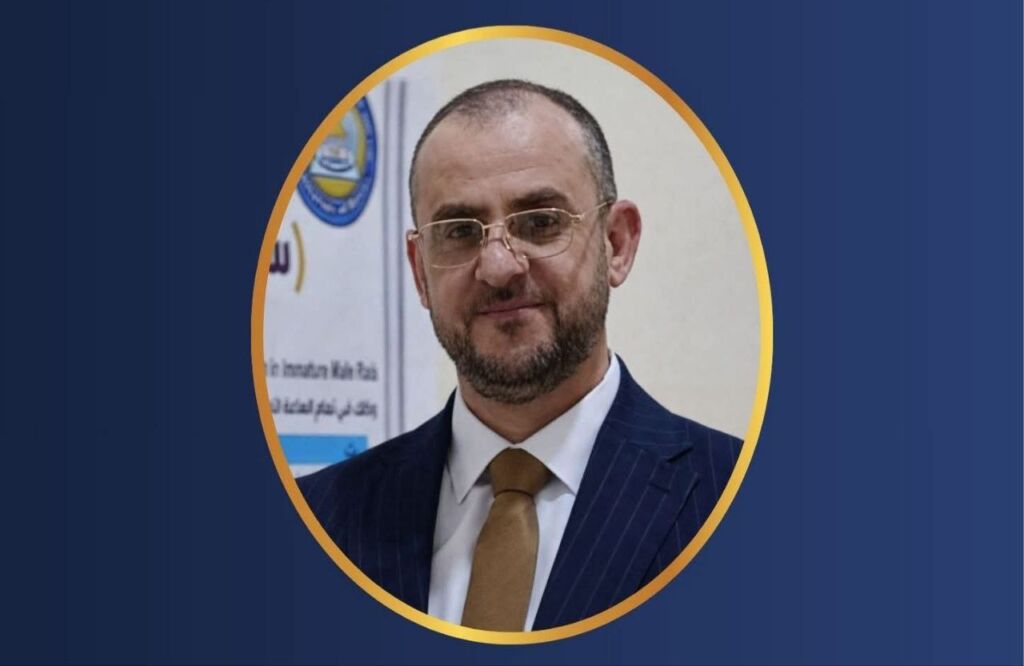
The thesis, submitted by the researcher Mustafa Emad Saleh, focused on evaluating the efficiency of a modern therapeutic approach for removing bio-ceramic root canal sealer during endodontic retreatment. This was achieved through a comparative analysis of several different treatment protocols, including the use of various irrigating solutions and multiple activation techniques.
The study relied on Scanning Electron Microscopy (SEM) to assess the amount of residual sealer material on the root canal walls at the coronal, middle, and apical levels. The results demonstrated statistically significant differences among the studied groups, with activation-based protocols—particularly laser activation—showing superior performance in enhancing sealer removal efficiency compared to mechanical instrumentation alone.
The findings further indicated that the type of irrigating solution, the method of its activation, and the specific root canal region all have a statistically significant impact on the effectiveness of bio-ceramic sealer removal. This underscores the importance of integrating chemical and physical factors to achieve optimal outcomes in endodontic retreatment.
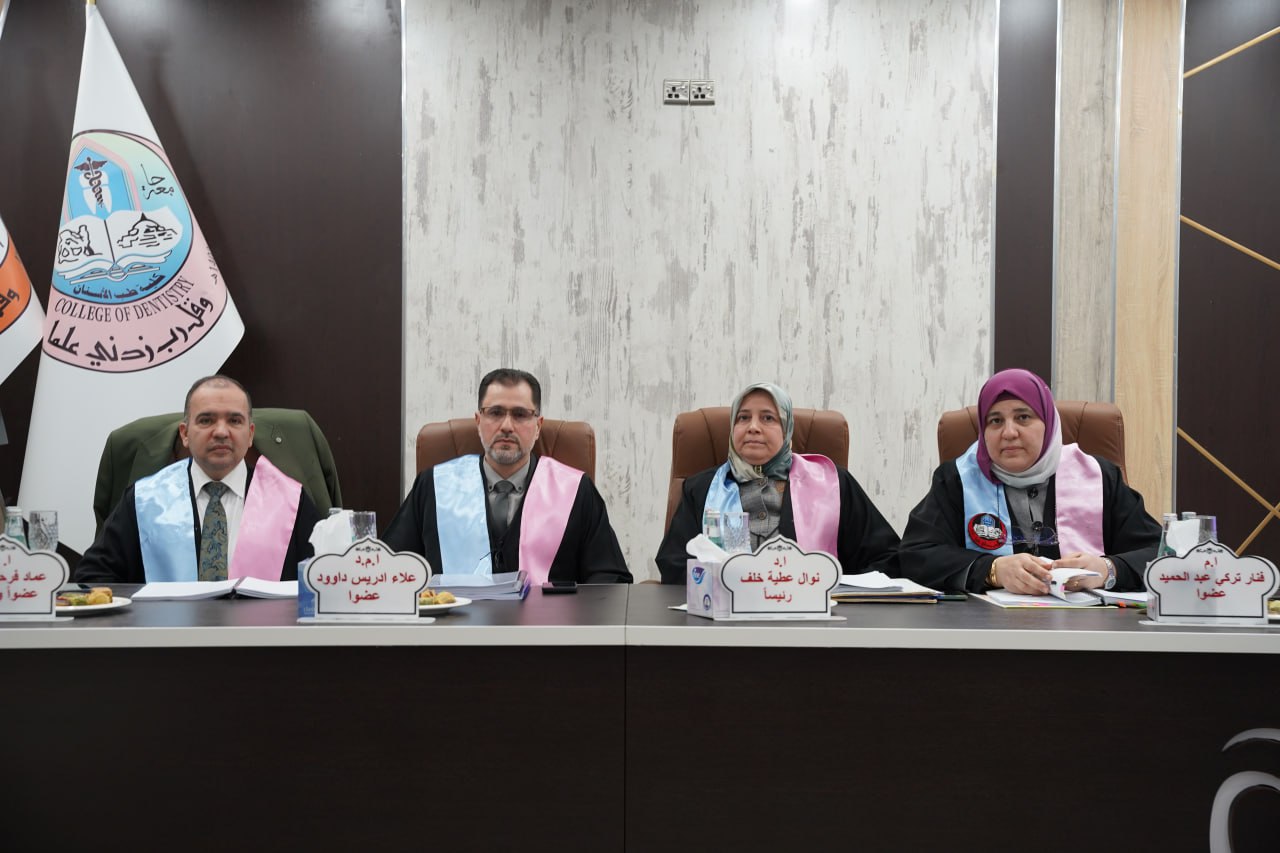
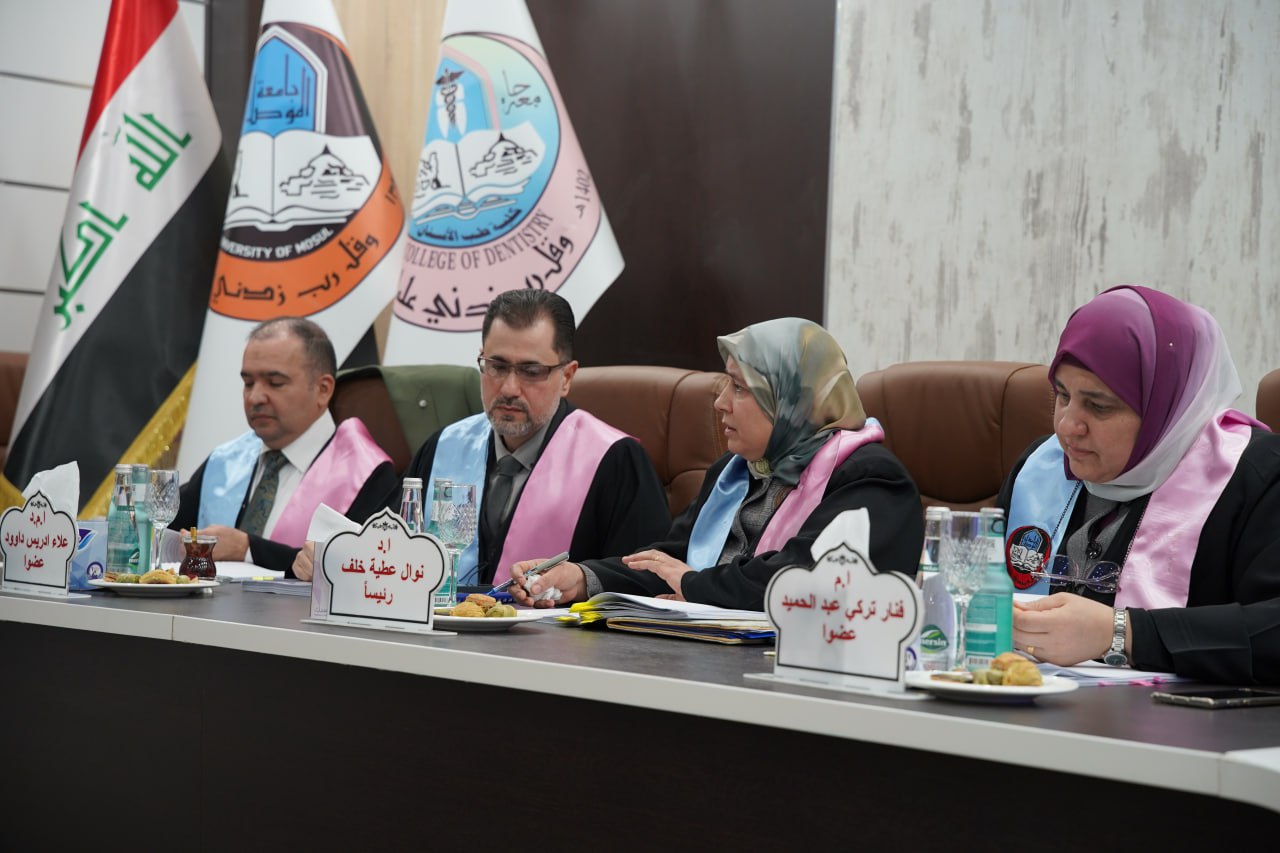
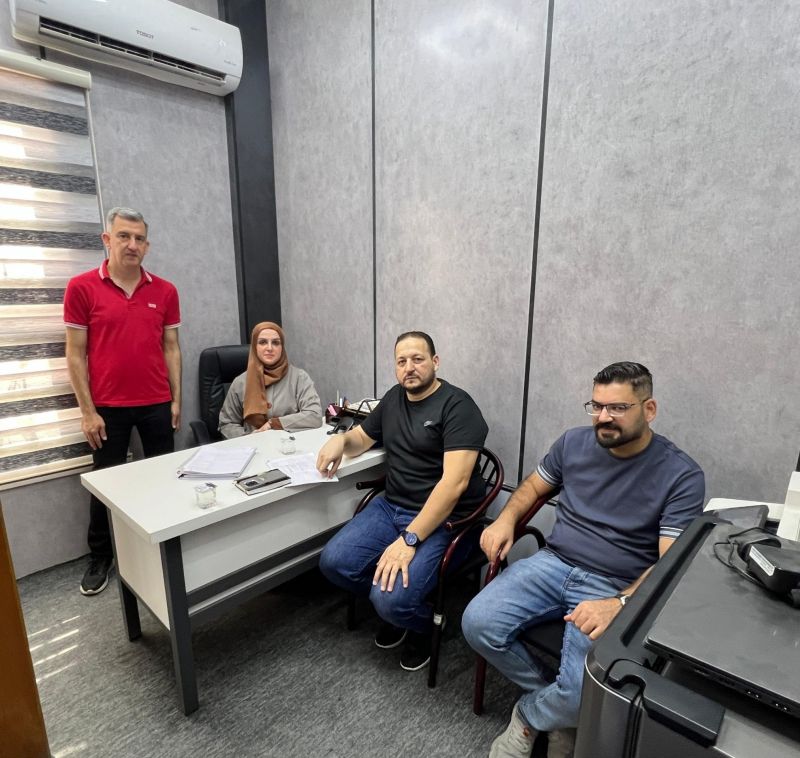
The examination committee was chaired by Professor Dr. Nawal Atiyah Khalaf, with membership of Assistant Professor Dr. Alaa Idrees Dawood and Assistant Professor Fanar Turki Abdulhamid, and under the supervision and membership of Professor Dr. Emad Farhan Ali.
The thesis was accepted after the required revisions were made.
Contribution to the Sustainable Development Goals (SDGs)
This research directly contributes to the achievement of the Sustainable Development Goals as follows:
1. Goal 3: Good Health and Well-Being
This study represents a core aspect of sustainable healthcare through:
Increasing the success rates of endodontic retreatment: The removal of bio-ceramic sealers is considered one of the most challenging procedures in dentistry; therefore, introducing a “new technique” reduces treatment failure and helps preserve patients’ natural teeth.
Reducing the need for surgical intervention: Enhancing the efficiency of chemical and mechanical cleaning minimizes reliance on complex surgical procedures or tooth extraction.
2. Goal 9: Industry, Innovation, and Infrastructure
Localization of technological innovation: The use of laser activation as a modern protocol represents a high level of innovation in medical equipment and therapeutic technologies.
Evidence-based scientific research: Employing scanning electron microscopy positions Iraqi research alongside high-quality international studies that rely on precise, tangible scientific evidence.
3. Goal 4: Quality Education
Updating clinical knowledge: The results of this study, which confirm the superiority of laser activation, are expected to be reflected in educational curricula and clinical practices for undergraduate and postgraduate students, ensuring education that keeps pace with technological advancement.