17 January، 2026
Training course entitled Methods of Analyzing Ottoman Documents
#Training_Course
…….
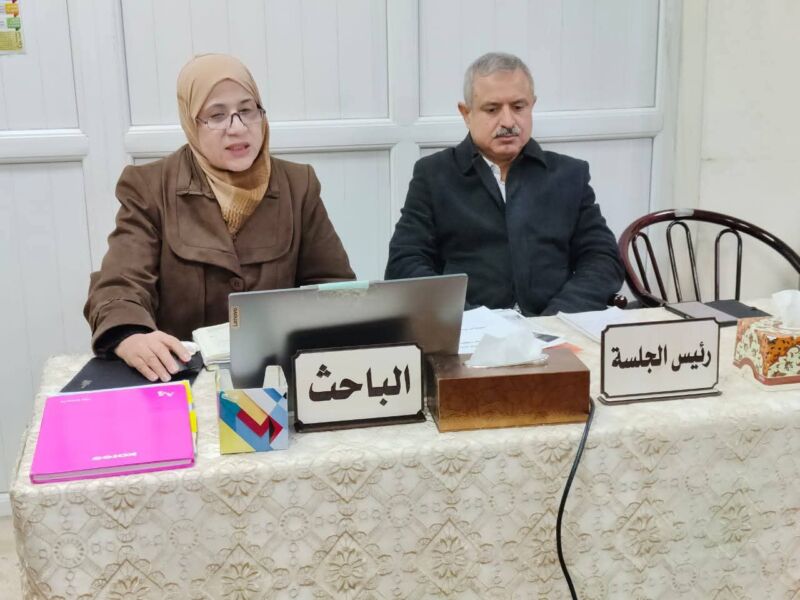
Under the patronage of Professor Dr. Waheed Mahmoud Al-Ibrahimi, President of the University of Mosul, and the supervision of Assistant Professor Dr. Mohammed Nizar Al-Dabbagh, Director of the Mosul Studies Center, the Mosul Studies Center, in cooperation with the Department of Studies and Planning – Sustainable Development Unit/University of Mosul, held a scientific training course entitled:
Methods of Analyzing Ottoman Documents.
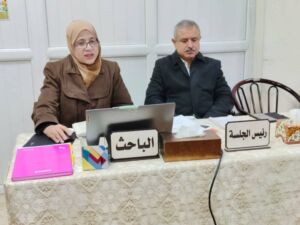
Presented by: Assistant Professor Dr. Arouba Jameel Mahmoud / Mosul Studies Center.
Course Management: Assistant Professor Dr. Suhaib Hazem Al-Ghadhanfari / Mosul Studies Center.
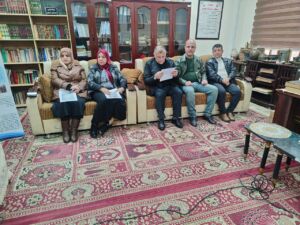
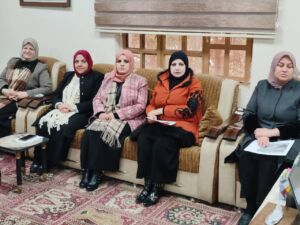
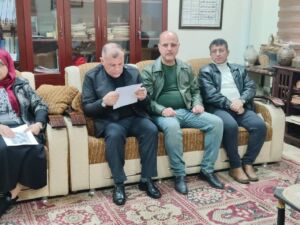
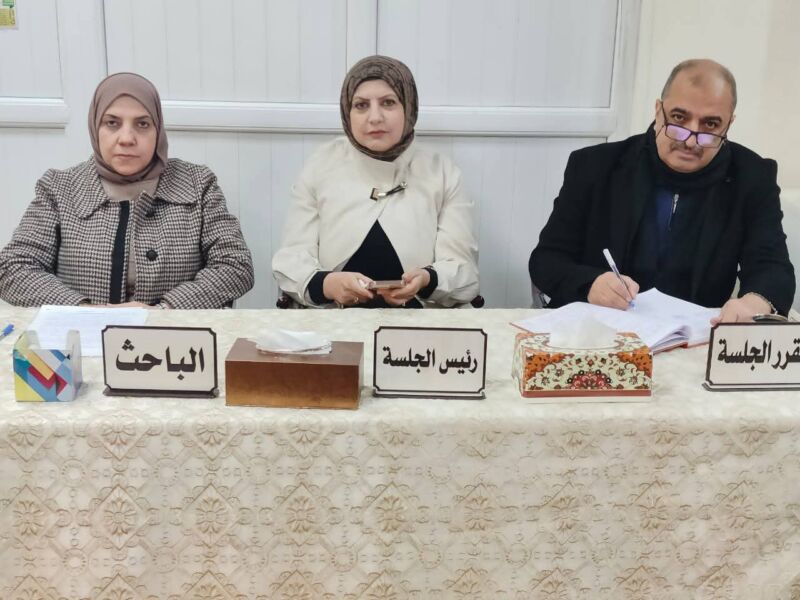
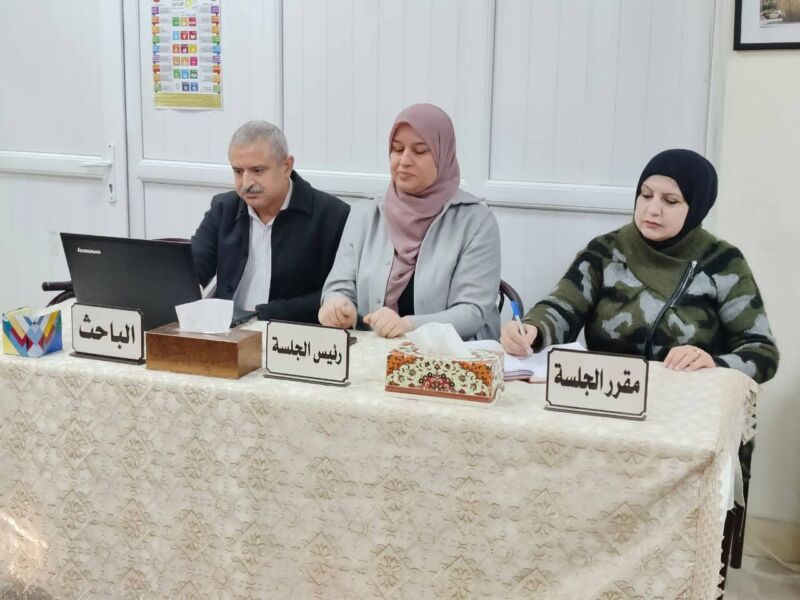
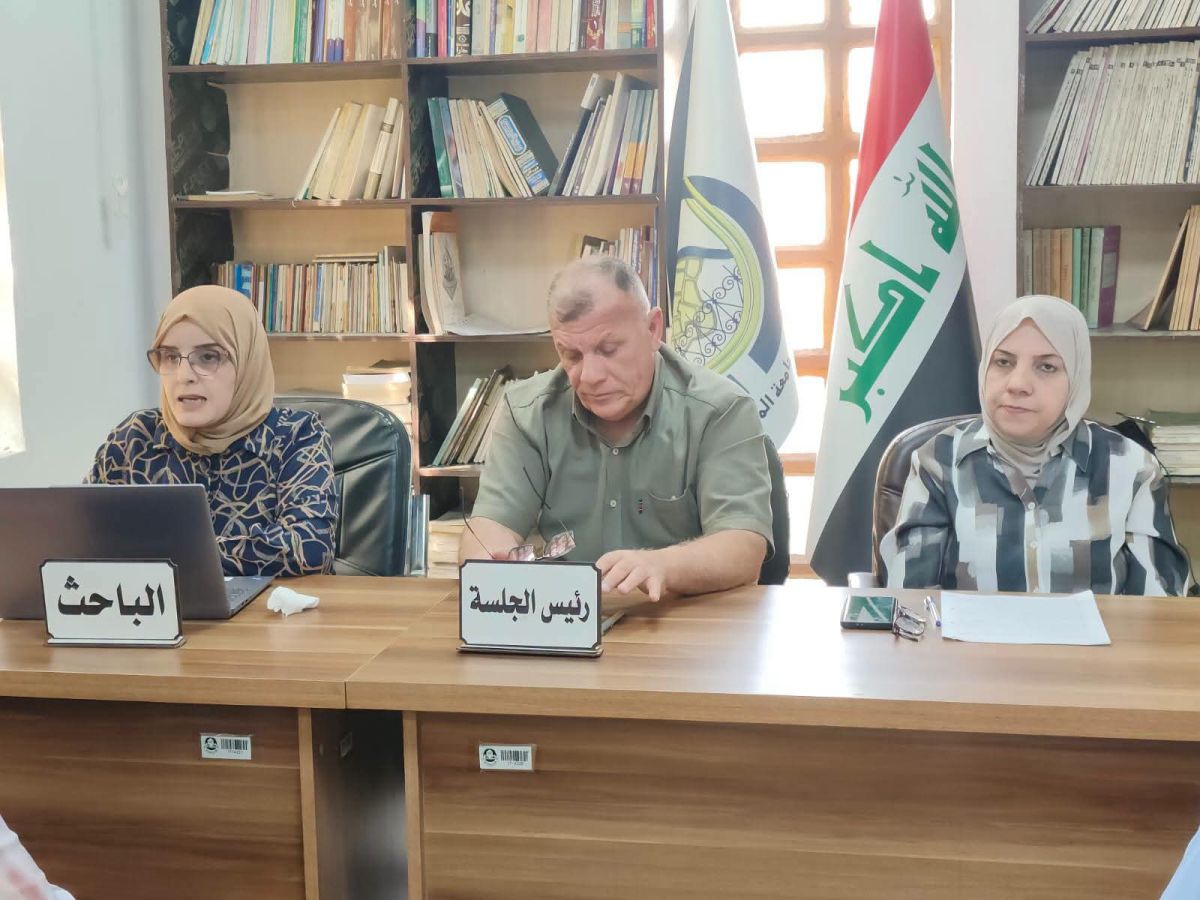
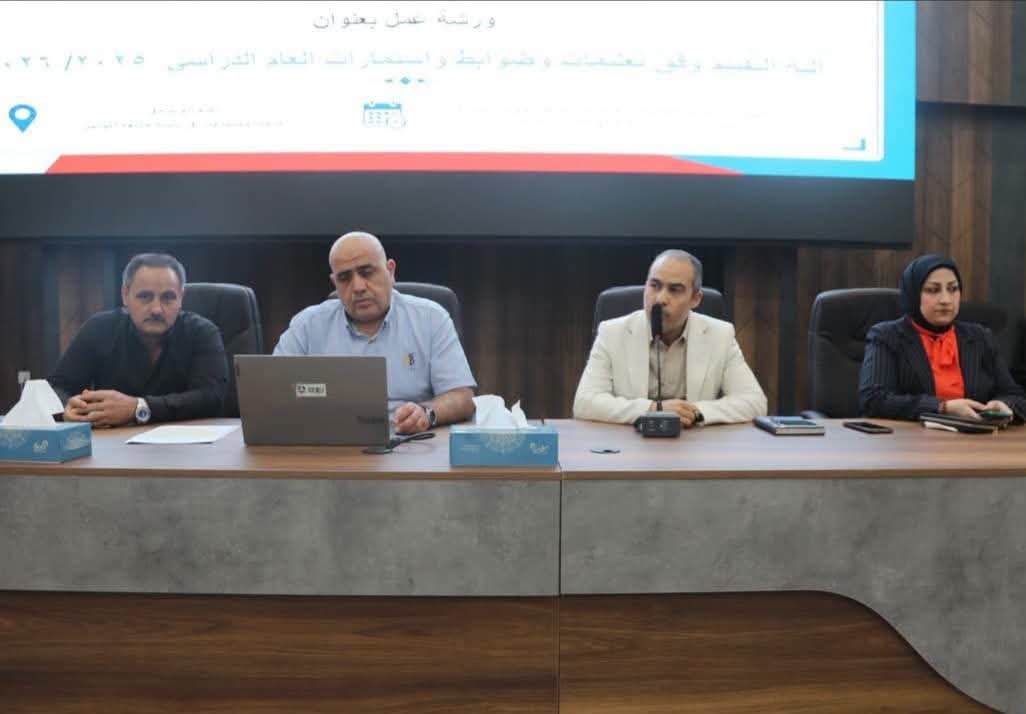
From December 28-30, 2025, at the Mosul Studies Center, a workshop was held with the participation of professors from the College of Arts/Oriental Studies Unit, the College of Basic Education/History Department, and the College of Education for Humanities/Syriac Language Department, as well as center staff. The workshop aimed to contribute to achieving the Sustainable Development Goals, particularly Goals 4, 5, 8, 11, and 17.
The workshop’s objective was to introduce the concept of a document, both linguistically and technically, and to explain and analyze its content and terminology. It also focused on how to read and analyze documents, especially Ottoman documents.
The workshop highlighted the cultural value of Ottoman documents in general, and Mosul documents in particular, as they constitute a source of knowledge. These documents contain information about individuals or biographies, as well as legal materials such as marriage contracts, commercial documents such as real estate sales and purchase contracts, and administrative documents related to Ottoman state institutions and organizations. These documents were issued by governors, state officials, local rulers, and influential figures within the Ottoman state. The training course consisted of three days, divided as follows:
Day 1: A theoretical presentation with explanations of selected Ottoman documents.
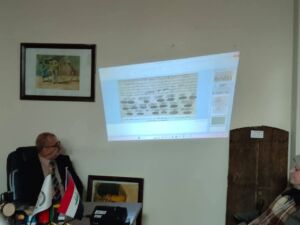
Day 2: A presentation of a collection of Ottoman documents in Arabic, Turkish, and Persian using a data projector, along with simplified explanations.
Day 3: A test on a sample Ottoman document distributed to the participants as part of the practical training on how to read Ottoman documents, specifically those from Mosul.
For more information:
https://uomosul.edu.iq/en/mosulstudiescenter/2026/01/17/training-course-…ttoman-documents/
#University_of_Mosul
#Mosul_Studies_Center