22 April، 2025
The relationship between the electrical activity (EMG) of the armed arm and a number of biomechanical variables of the stabbing movement and the speed of motor response and accuracy of foil fencers
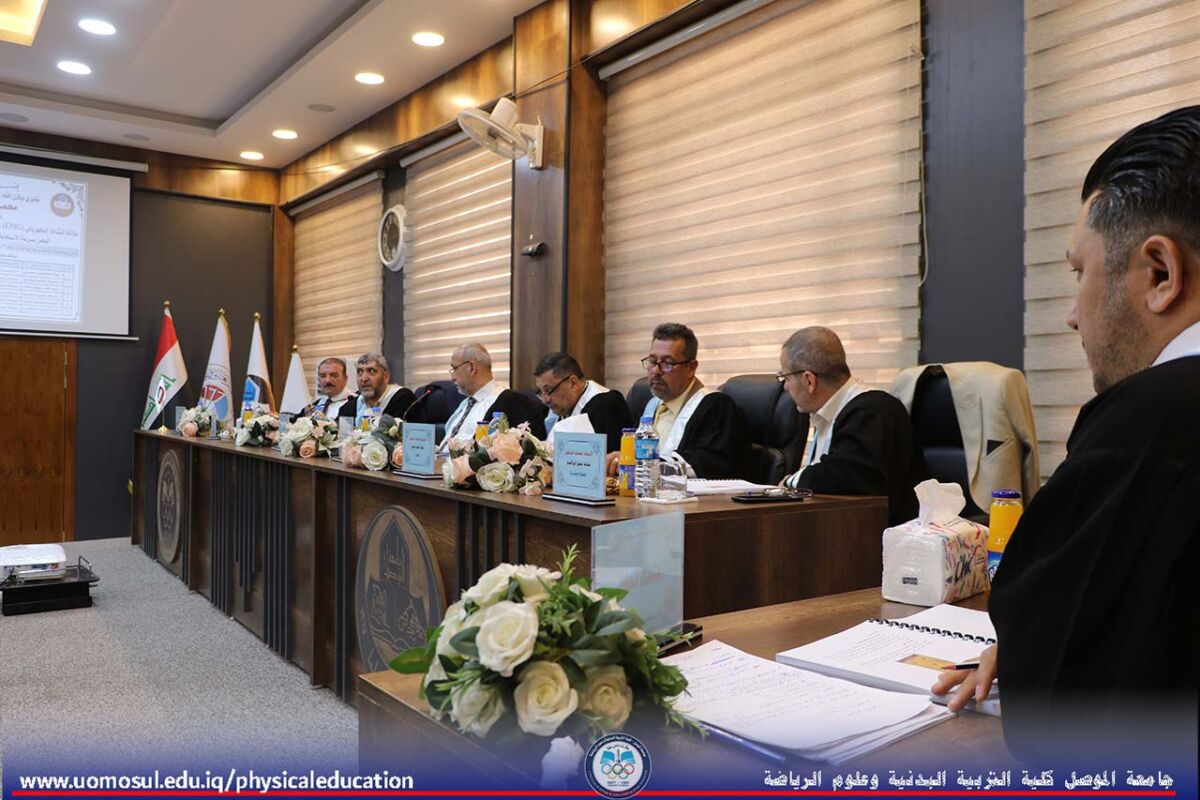
A PHD thesis on “The relationship between the electrical activity (EMG) of the armed arm and a number of biomechanical variables of the thrusting movement, motor response speed, and accuracy in foil fencers.”
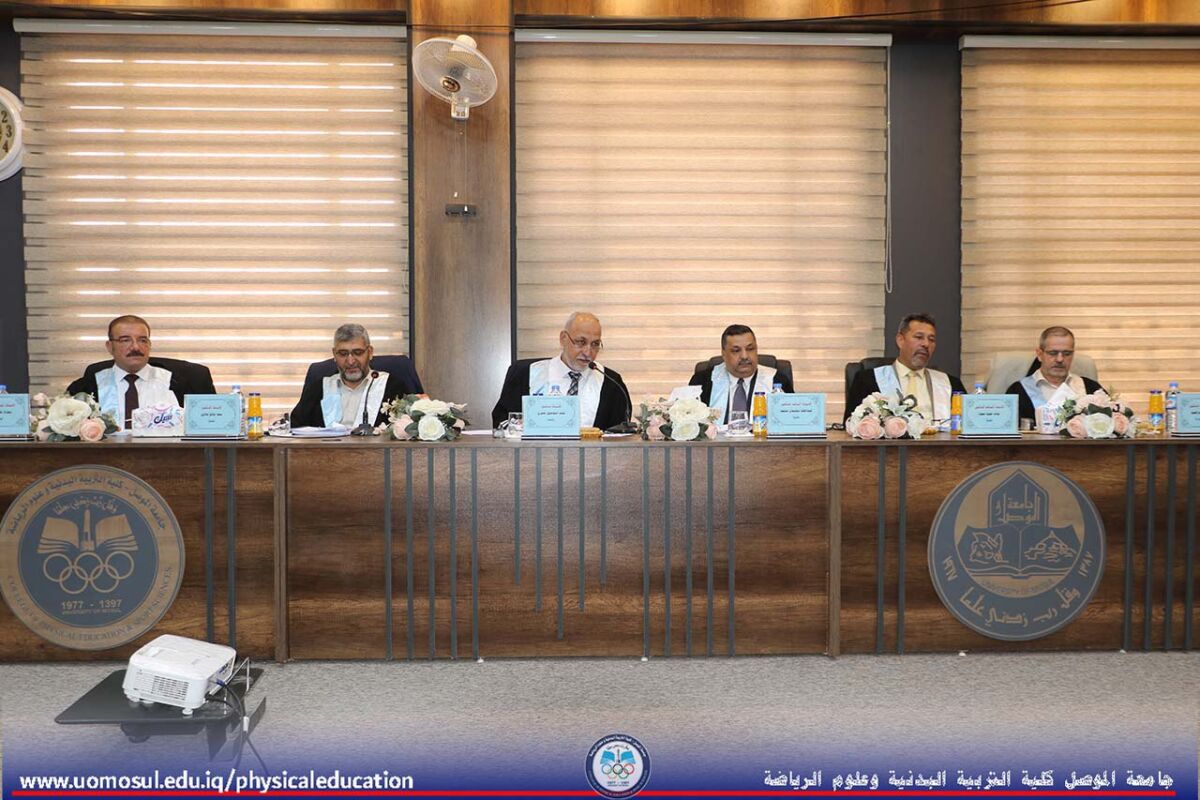
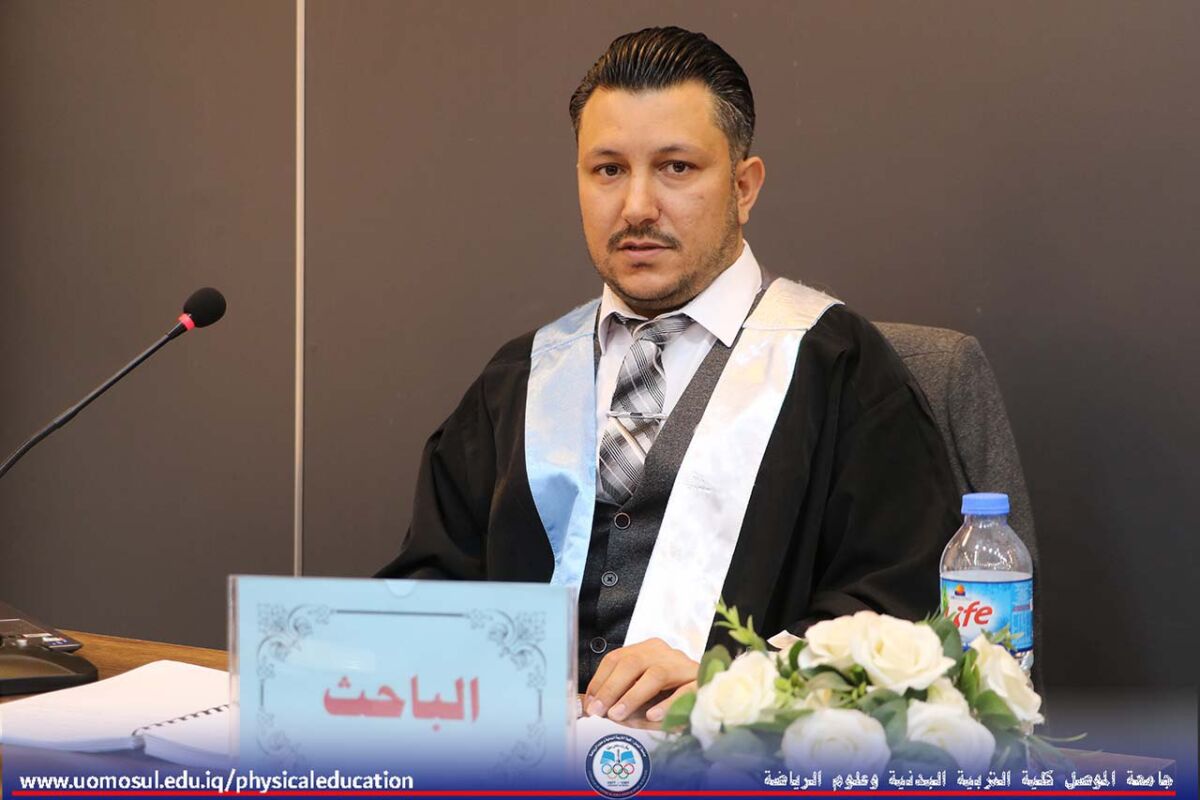
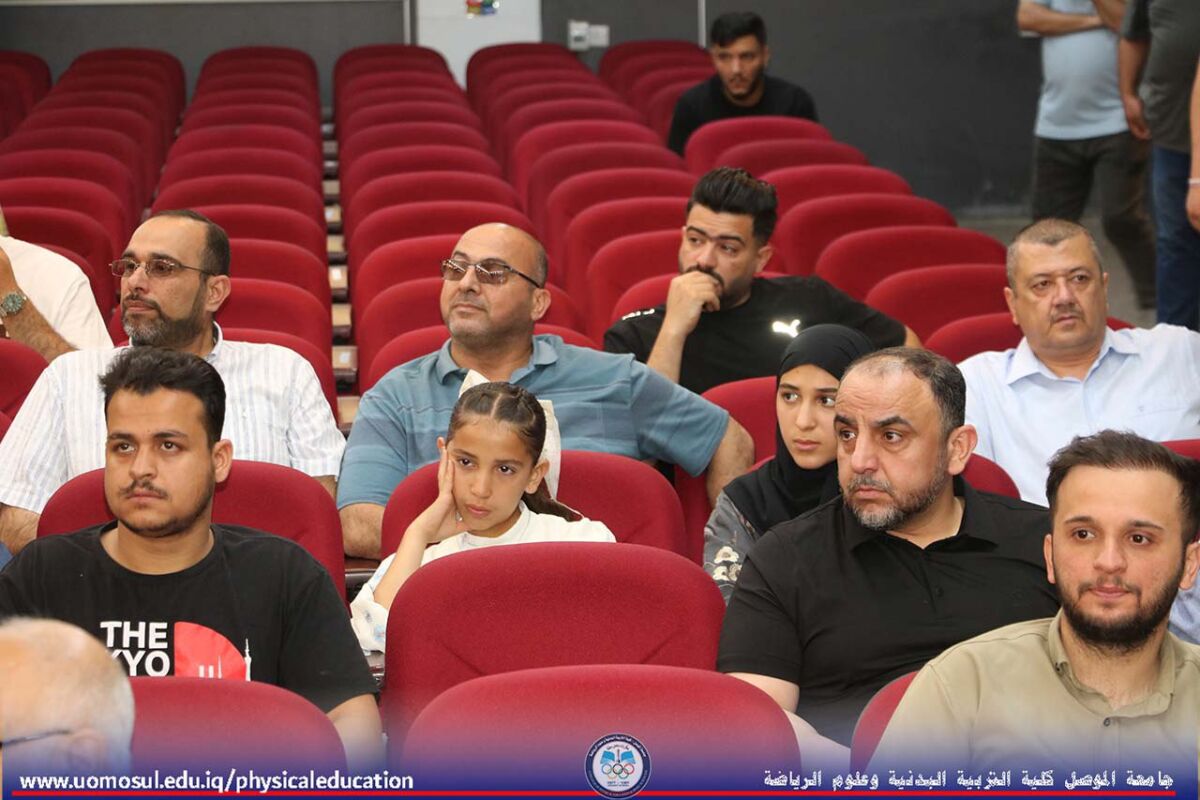
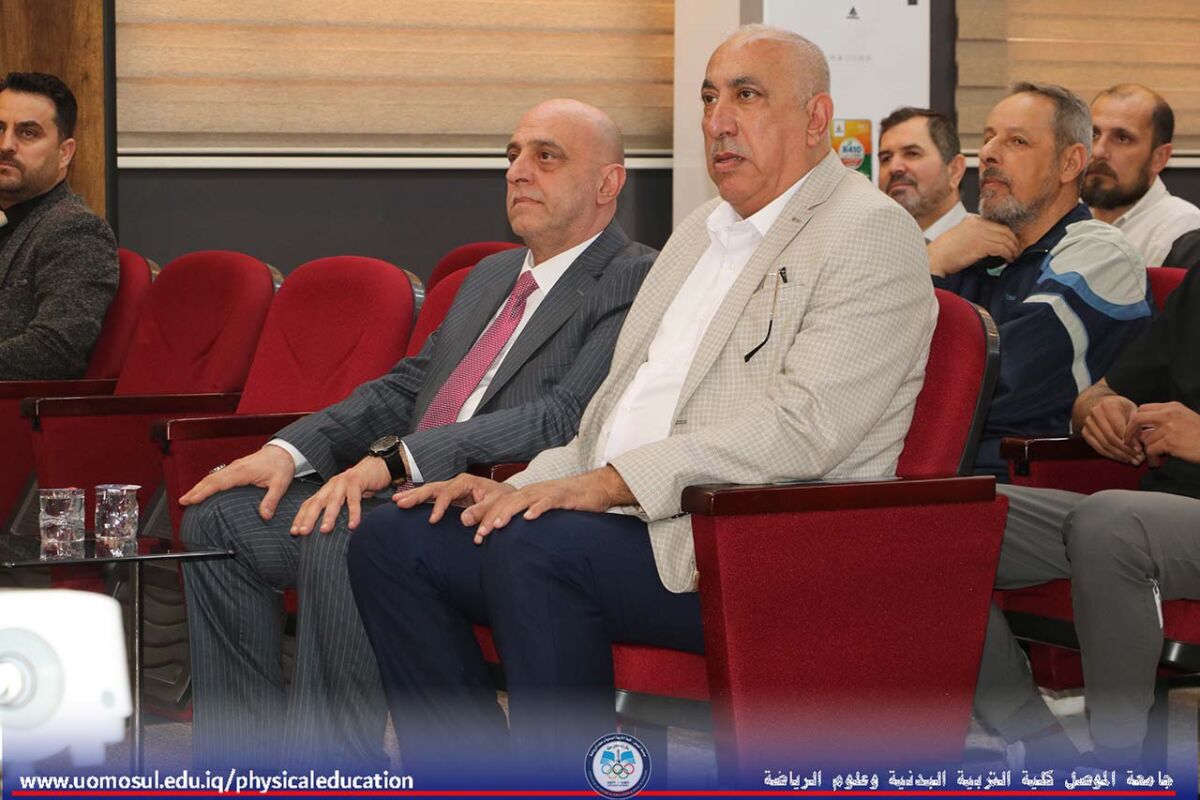
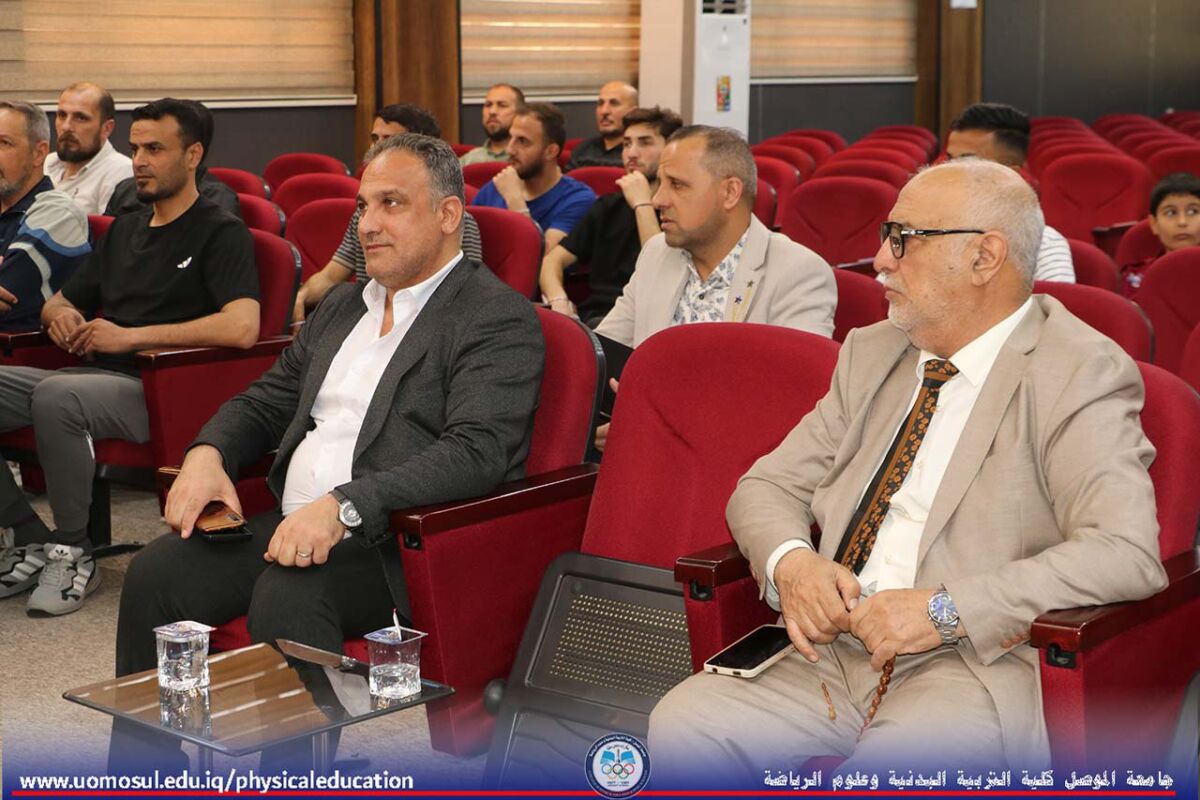
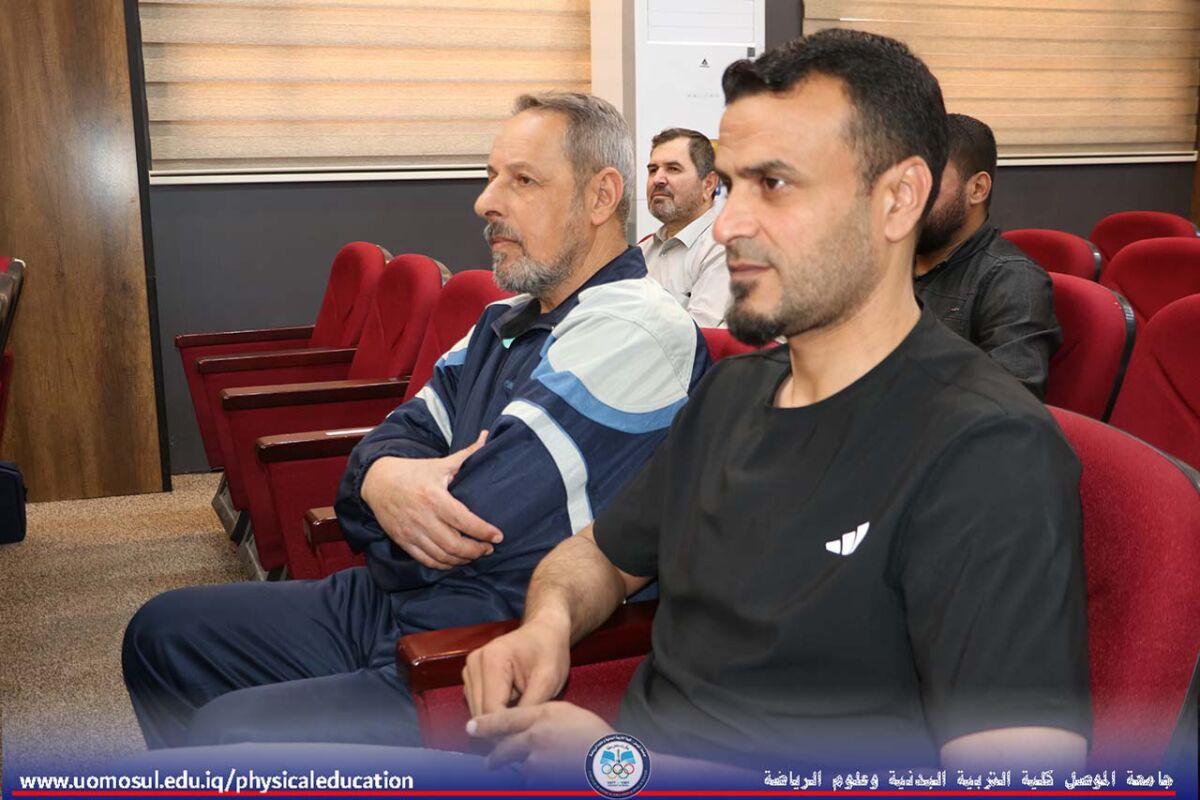
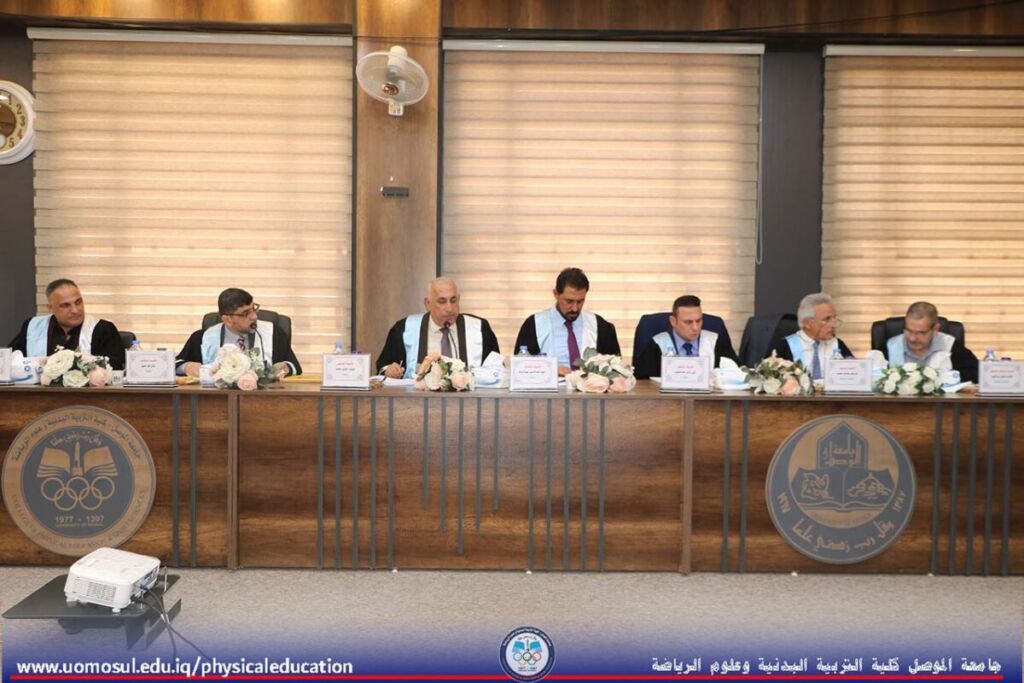
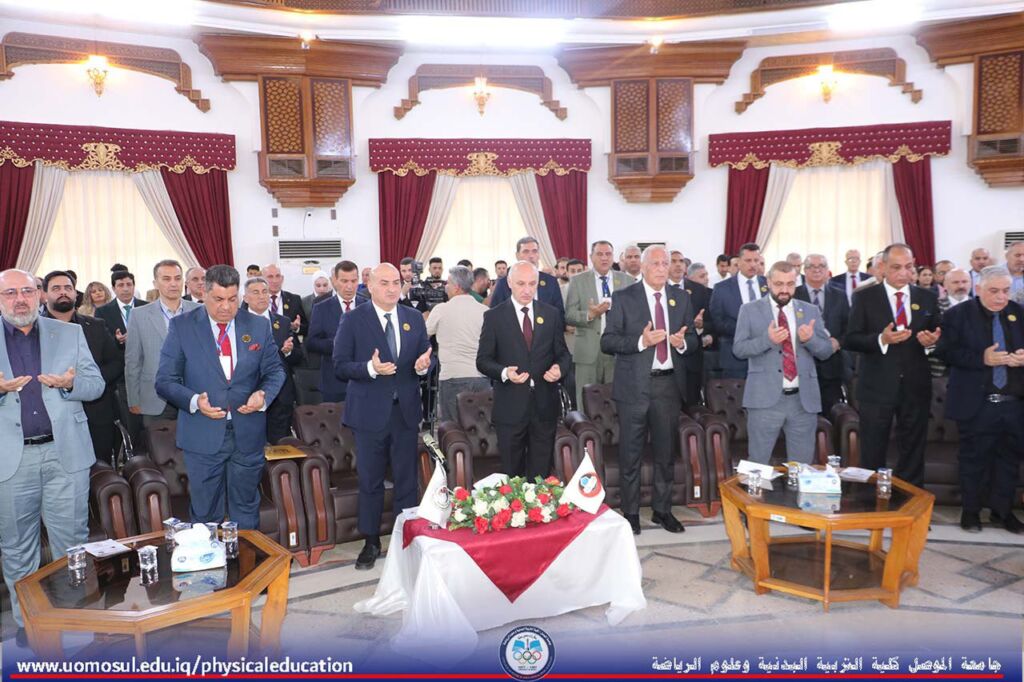
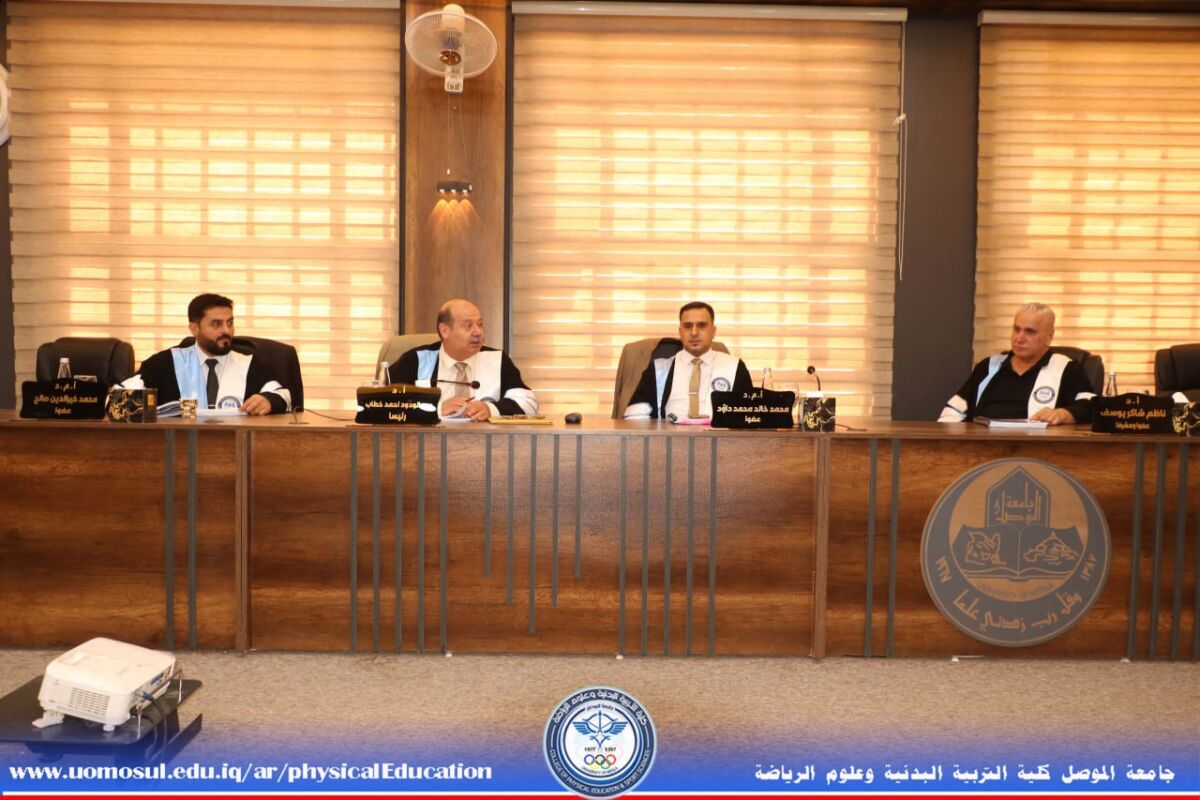
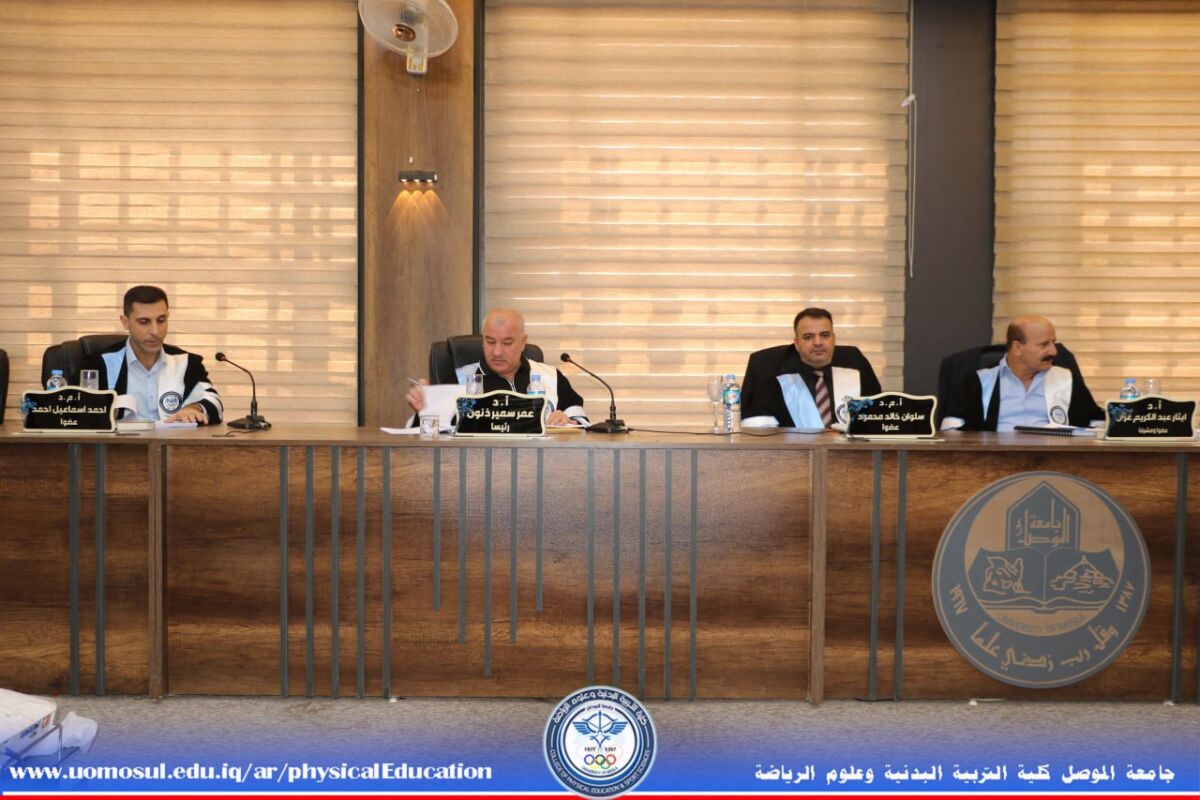
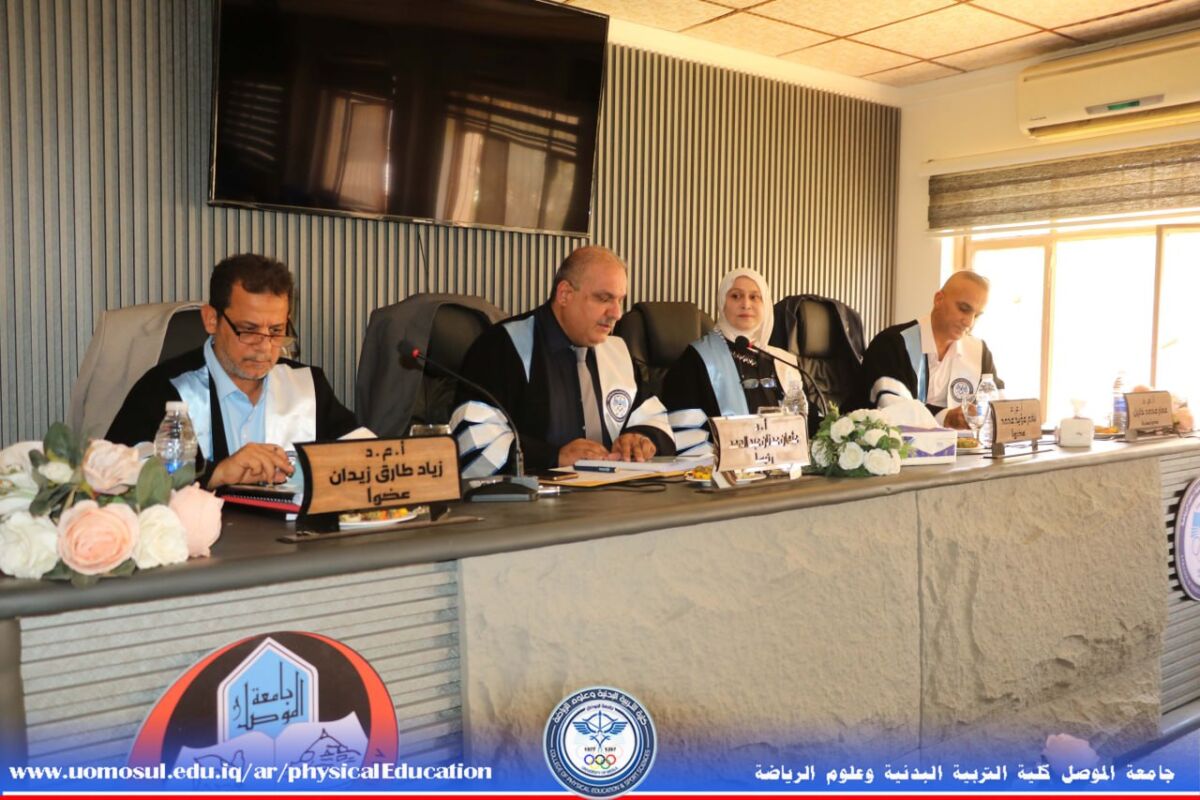
The College of Physical Education and Sports Sciences at the University of Mosul discussed a doctoral thesis on “The relationship between the electrical activity (EMG) of the armed arm and a number of biomechanical variables of the thrusting movement, motor response speed, and accuracy in foil fencers.” On Tuesday, April 22, 2025, the College of Physical Education and Sports Sciences discussed a doctoral thesis on “The relationship between the electrical activity (EMG) of the armed arm and a number of biomechanical variables of the thrusting movement, motor response speed, and accuracy in foil fencers.” The thesis was attended in part by Professor Dr. Nibras Younis Mohamed, Dean of the College of Physical Education and Sports Sciences, Professor Dr. Muhammad Khalil Muhammad, Assistant Dean for Administrative and Financial Affairs, and a number of faculty members. The thesis submitted by student Mohammed Muqdad Salem Al-Rubaie analyzed the lunge movement in fencing using advanced scientific methods, such as an EMG device to measure the electrical activity of the arm muscles, and a FAVERO device to measure motor response speed and accuracy. The study focused on biomechanical variables and provided solutions to improve performance, which contributes to developing players’ competitive levels and supporting coaches’ efforts scientifically.
The study aimed to identify the relationship between the values of the electrical activity (EMG) of the arm (the subject of the research) and the values of the motor response speed test and accuracy test values for the lunge movement among national team players in foil fencing. Furthermore, it aimed to identify the relationship between the values of several biomechanical variables (the subject of the research) and the values of the motor response speed test and accuracy test values for the lunge movement among national team players in foil fencing.
The discussion committee was chaired by Professor Dr. Laith Ismail Sabri and included Professor Dr. Maad Mani’ Alawi, Assistant Professor Dr. Nawaf Owaid Abboud, Assistant Professor Dr. Abdulmalik Suleiman Muhammad, and Assistant Professor Dr. Muqdad Tariq.