8 April، 2026
Regional Studies Center Organized a Seminar on the Ceasefire Between the United States, Israel, and Iran.
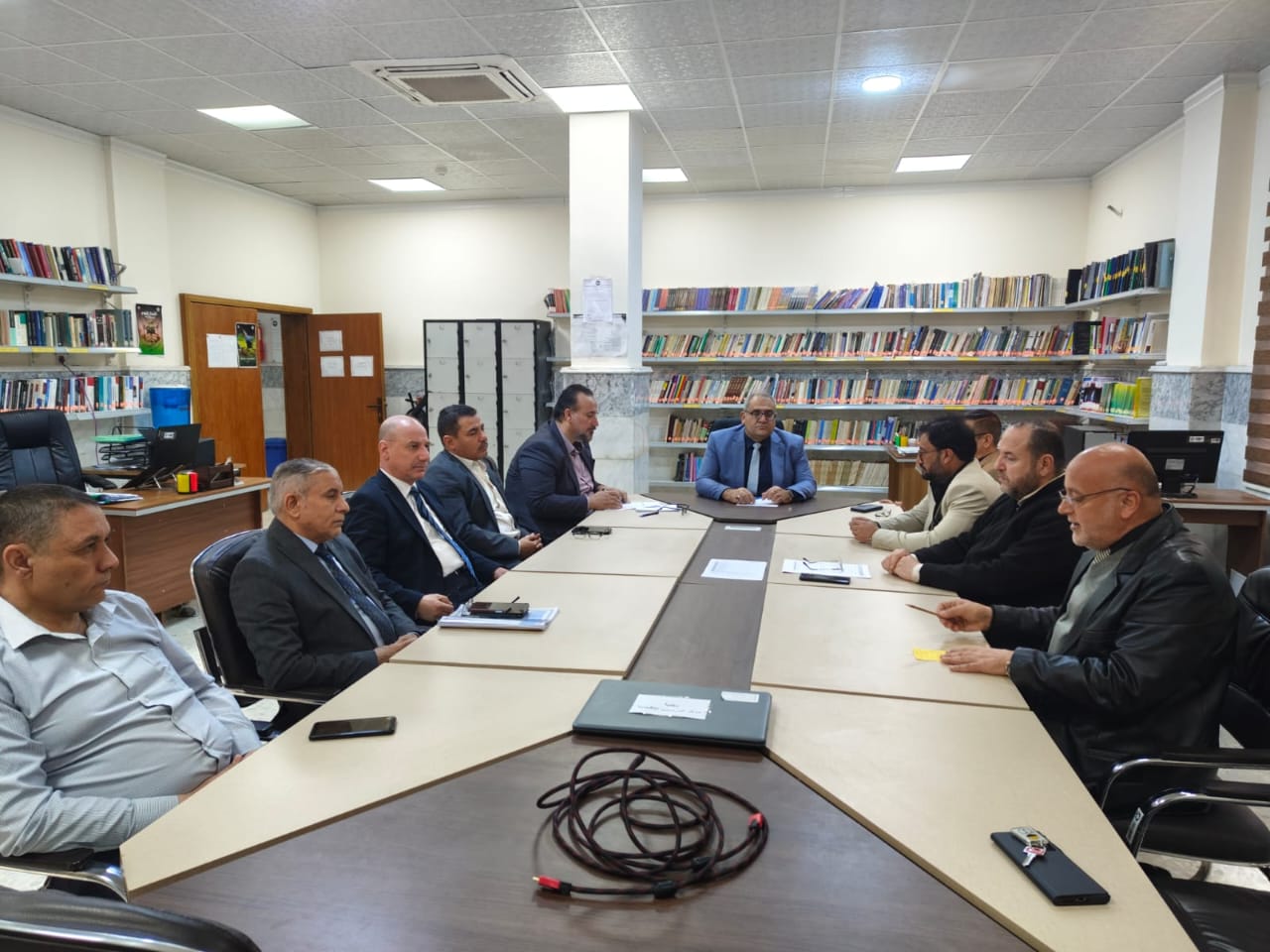
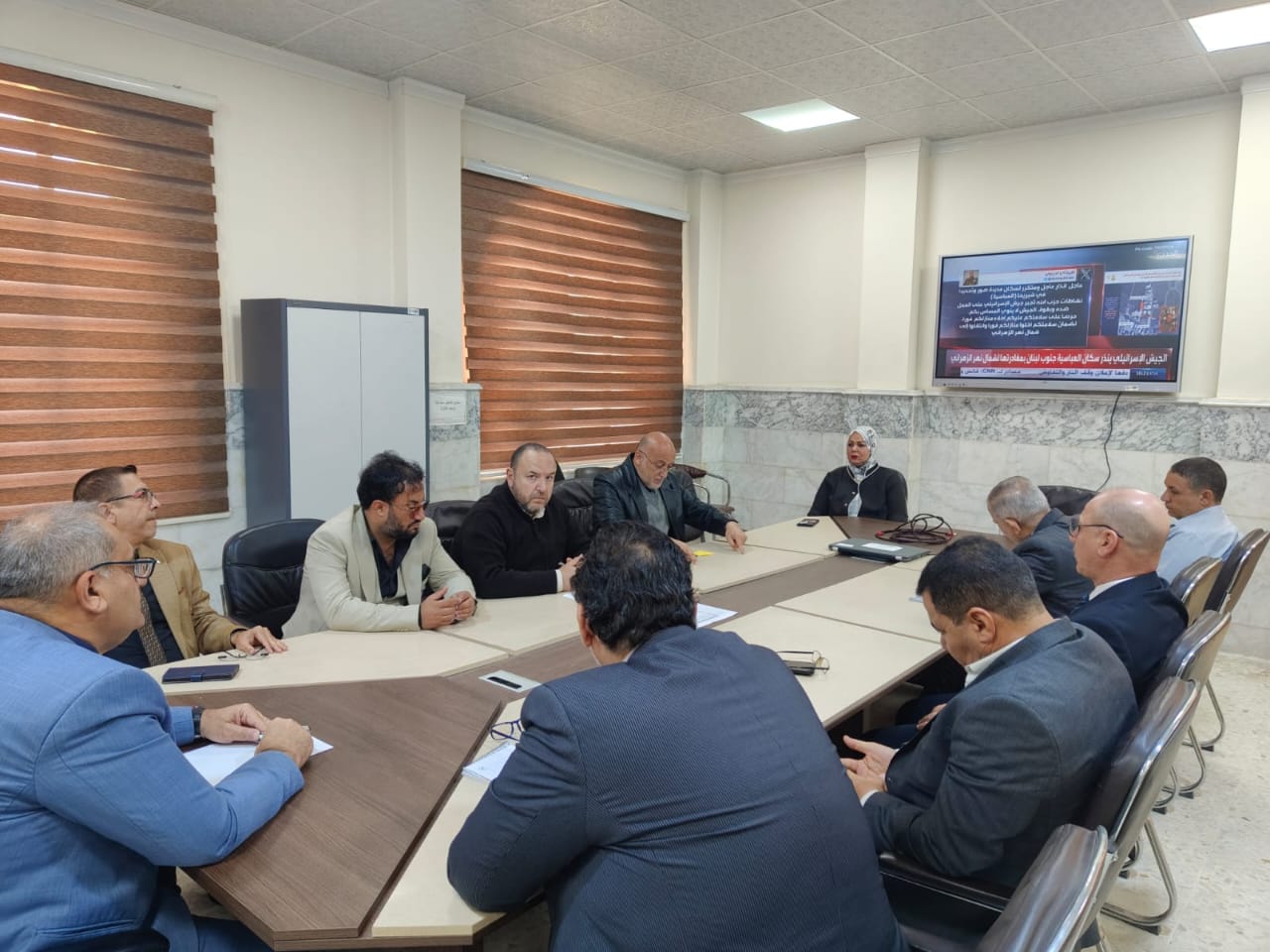
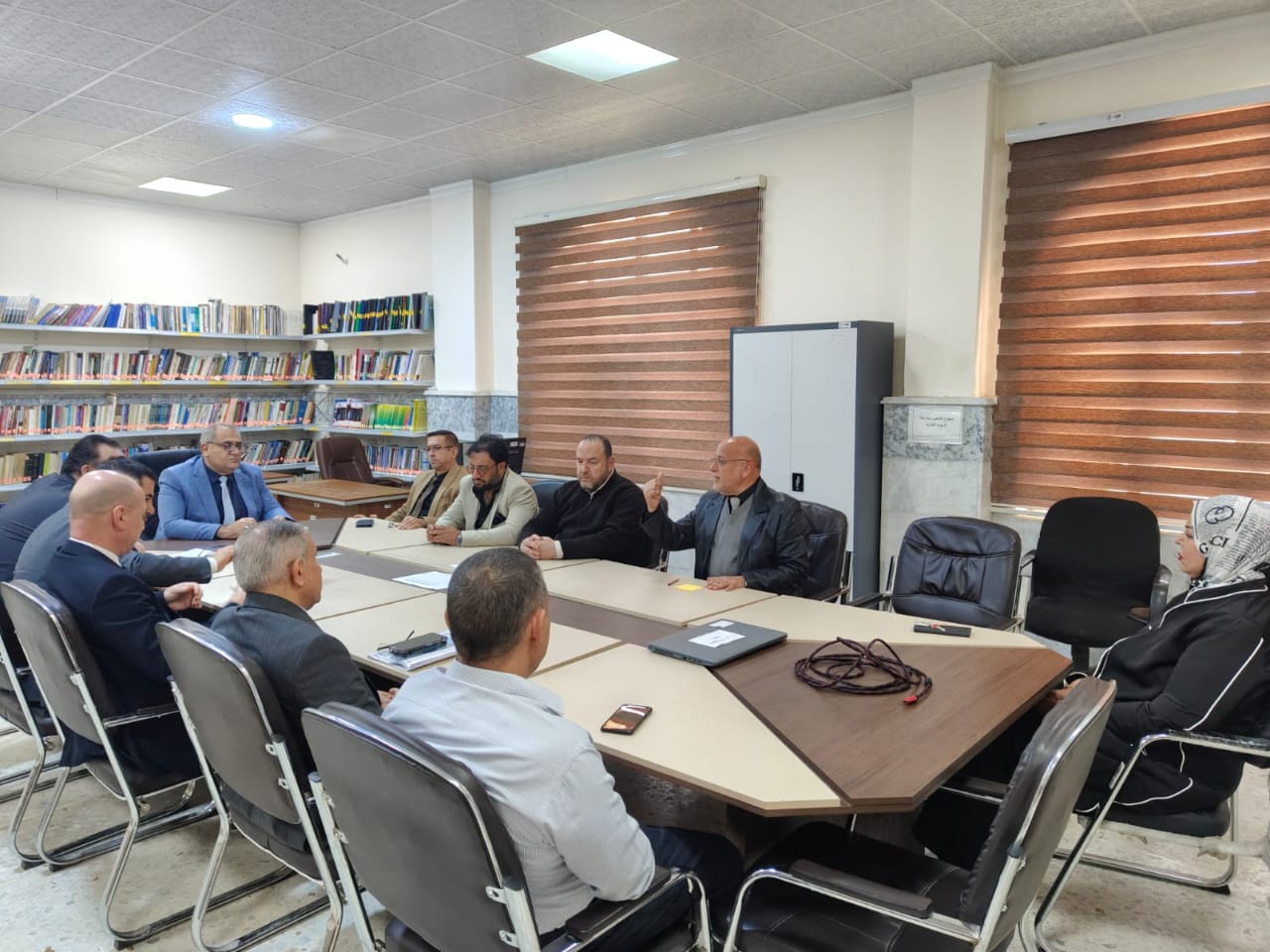
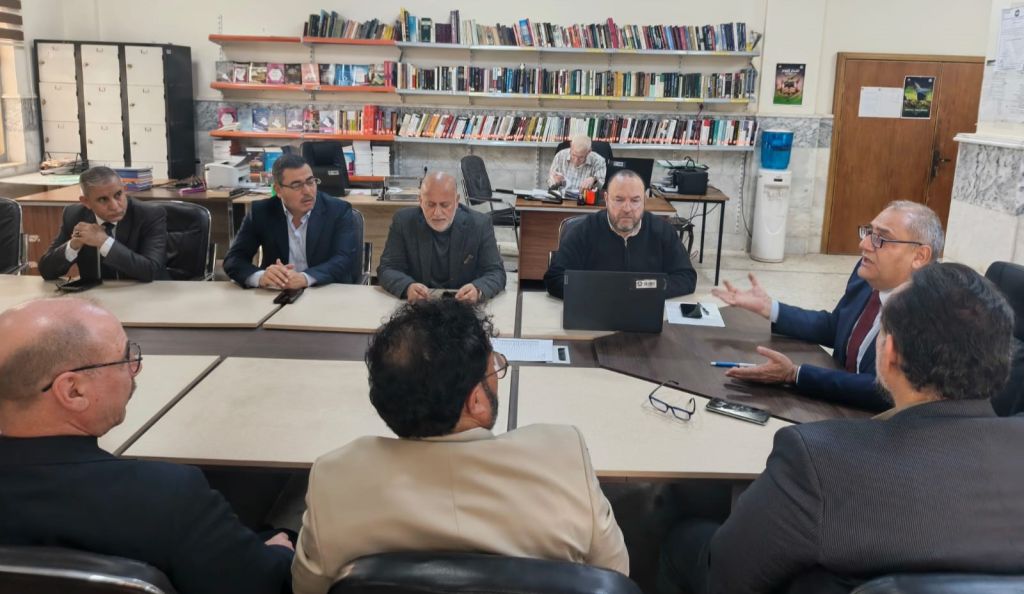
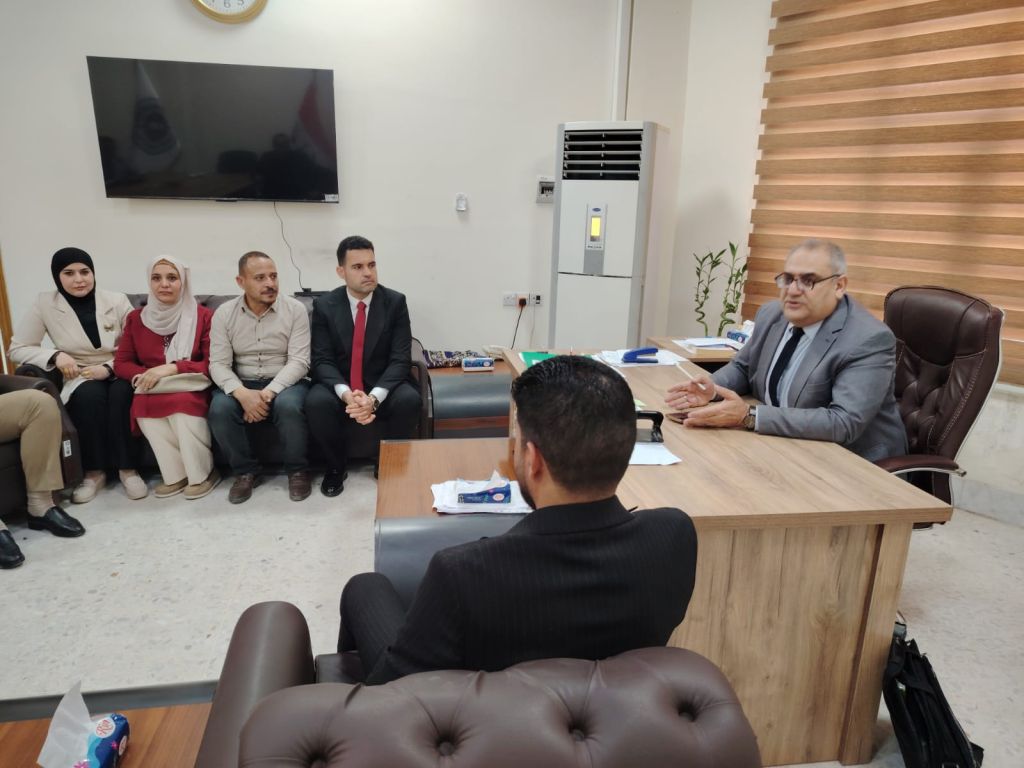
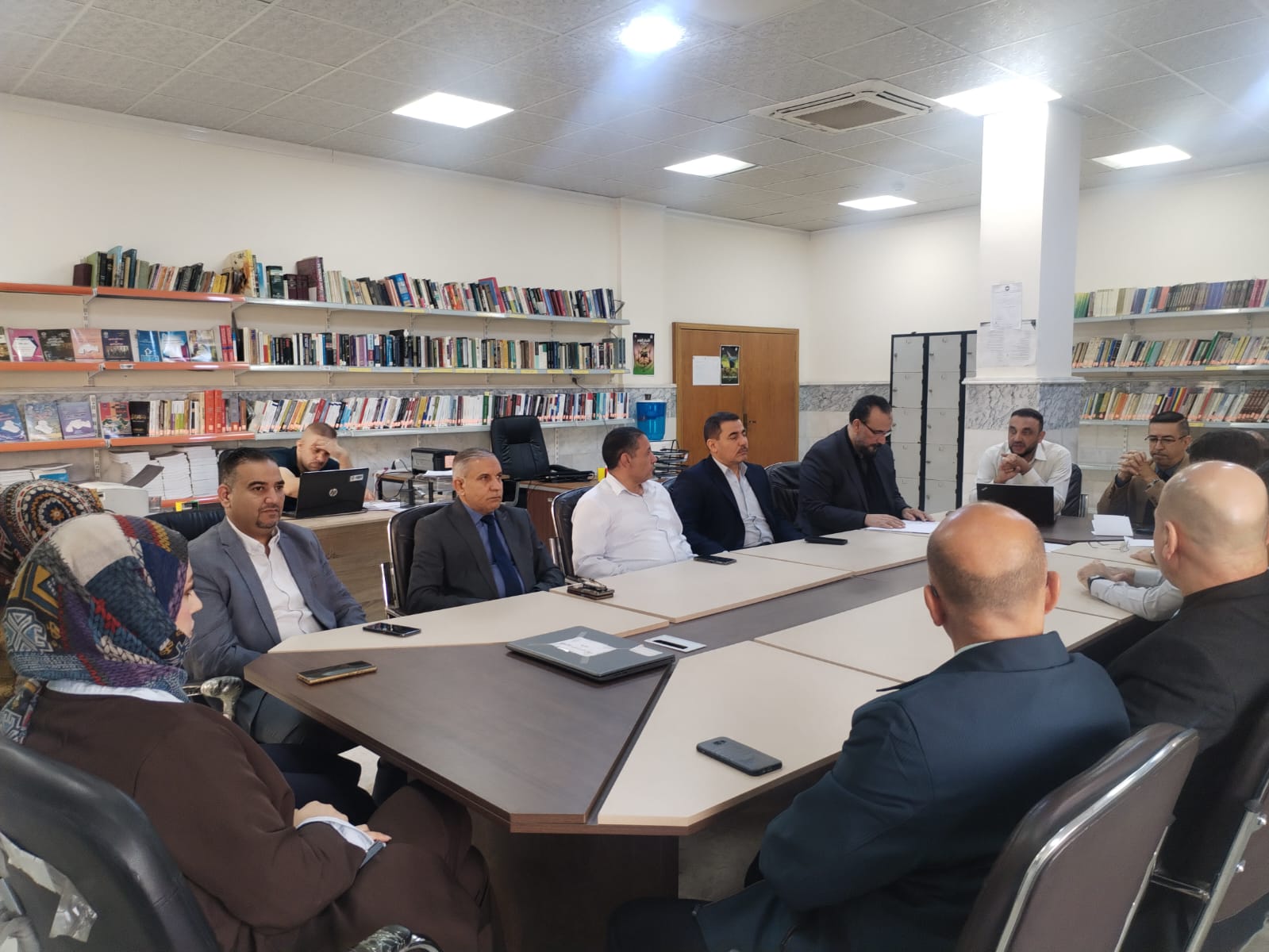
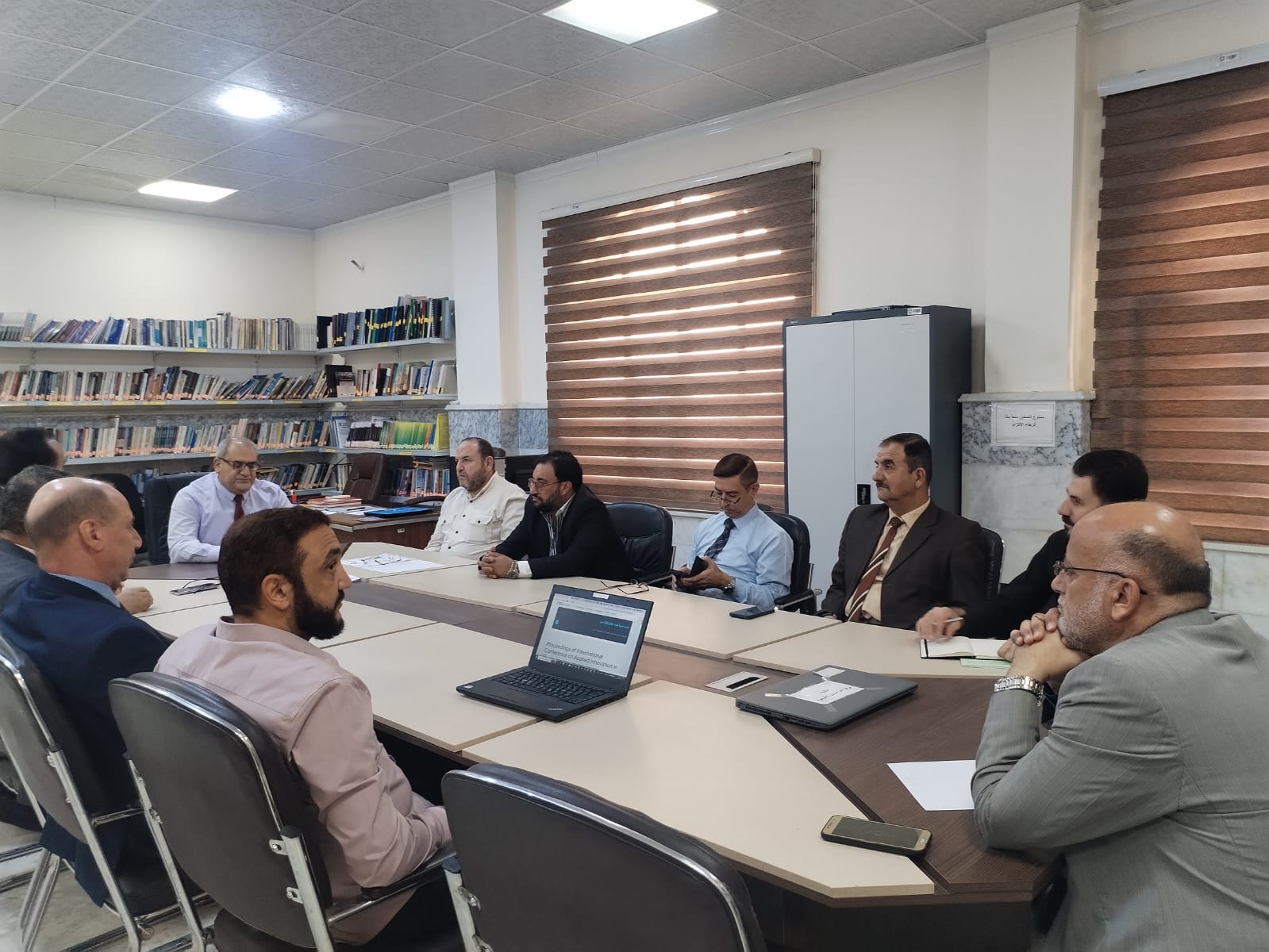
Regional Studies Center / Continuing Education Unit, in cooperation with the Presidency of the University of Mosul / Department of Studies and Planning / Sustainable Development Unit, held a seminar titled: “The Ceasefire Between the United States, Israel, and Iran: An Analysis of the Terms and Their Regional and International Implications”, on Wednesday, April 8, 2026, with the participation of a select group of professors and researchers specializing in international relations and regional security.
The seminar featured an analytical presentation of the ceasefire agreement’s provisions among the three parties. Participants focused on the political and military dimensions of the agreement, mechanisms for consolidating de-escalation, the limits of mutual commitment, as well as an assessment of each party’s position in terms of strategic gains and the constraints the agreement may impose on future actions.
Attendees also discussed the nature of the emerging balance of power resulting from these developments and their implications for regional security, particularly with regard to freedom of navigation, the stability of energy markets, and the possibility of the conflict shifting from direct confrontation to more complex and less intense forms.
In a related context, the seminar linked the ceasefire issue to the Sustainable Development Goals. Participants noted that de-escalation contributes to supporting Goal 16 (Peace, Justice, and Strong Institutions) by reducing levels of violence and promoting political solutions. It also supports Goal 7 (Affordable and Clean Energy) through stabilizing energy supplies, as well as Goal 8 (Decent Work and Economic Growth) due to the positive impact of security stability on trade and investment flows.
The interventions emphasized that, despite its importance, the ceasefire does not mark the end of the conflict, but rather represents a transitional phase that may open the door to new political and security arrangements in the region.