25 December، 2025
Scientific course entitled “obtaining clean water using biological treatment (solar energy and algae)”
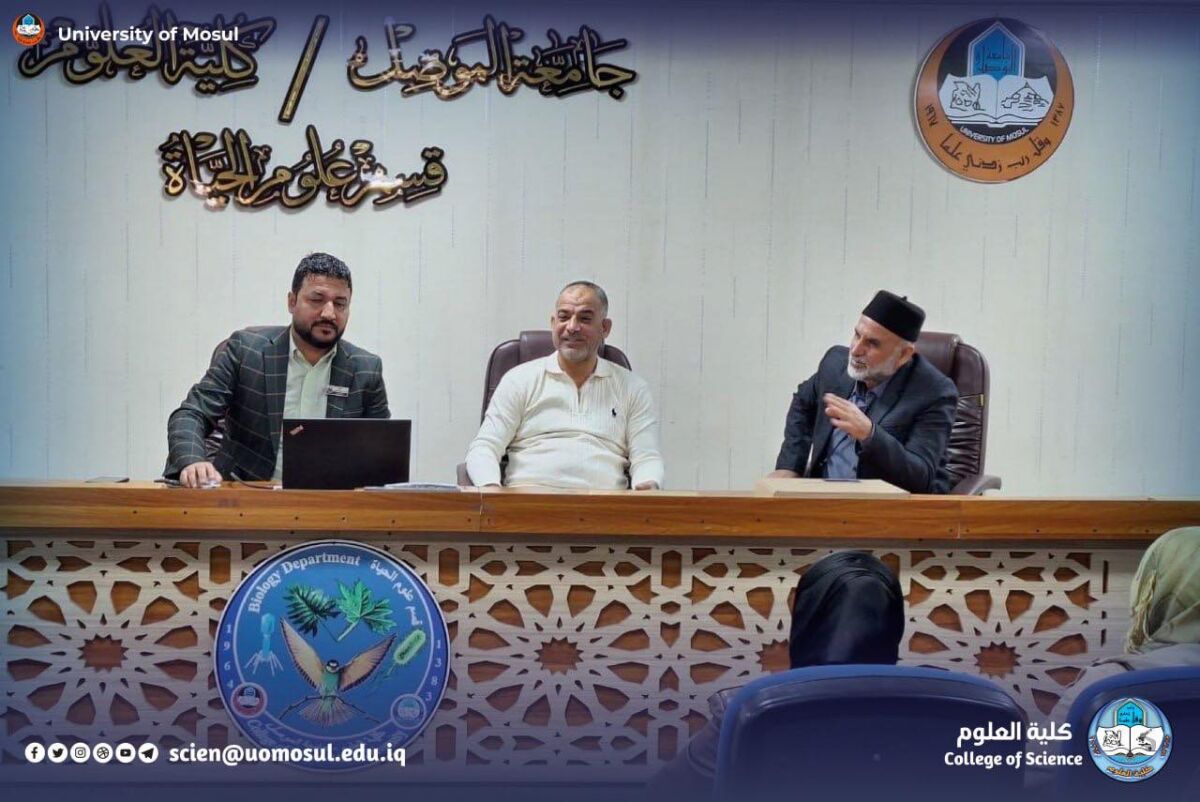
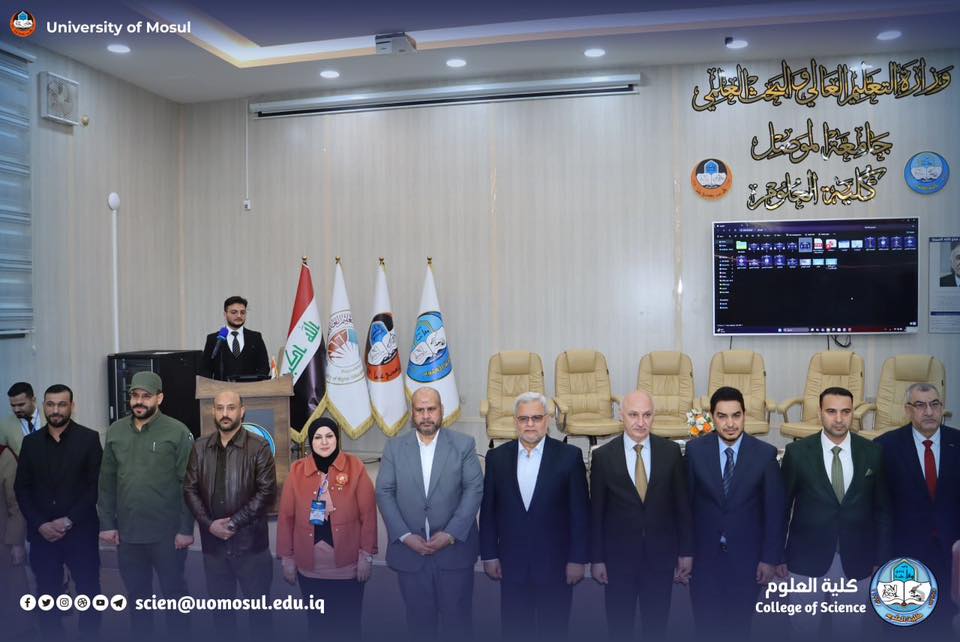
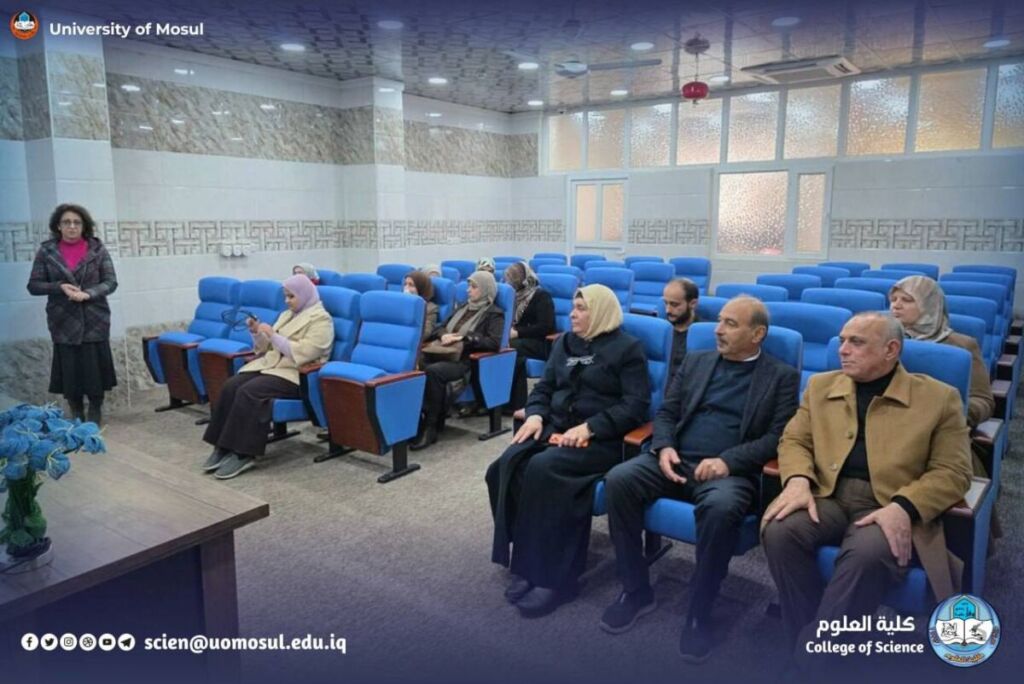
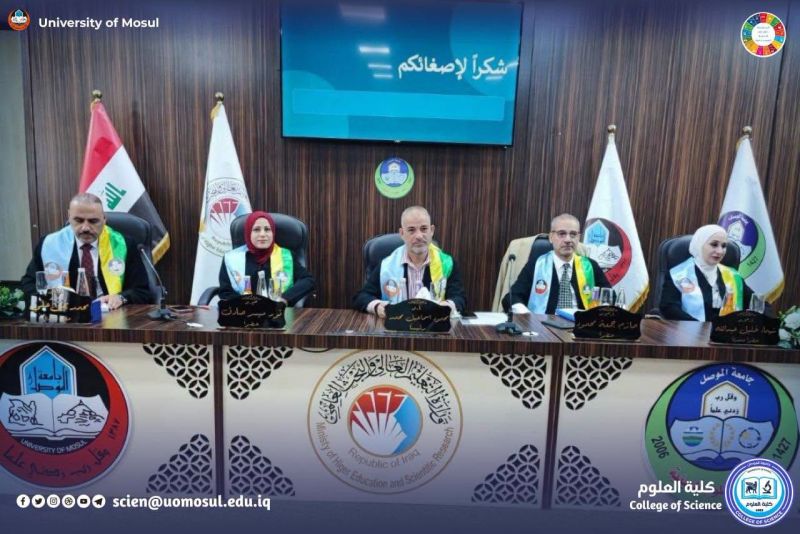
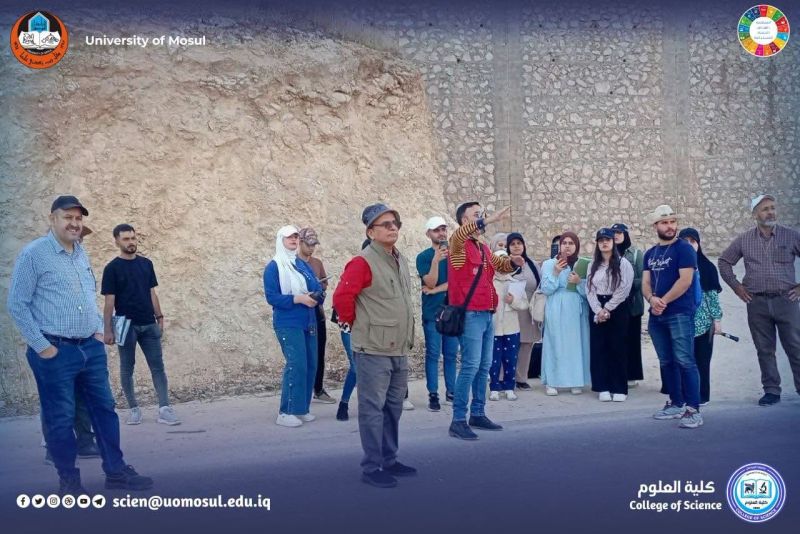
Under the patronage of the blessing of the president of Mosul University, professor Dr. Wahid Mahmoud Brahimi, and the supervision of the dean of the College of science, professor Dr. Hiyam Adel Ibrahim, and the follow – up and attendance of the head of the Department of Biology sciences, professor Dr. Amjad Abdul Hadi, and within the continuing education programs, a scientific course was held on obtaining clean water using biological treatment (solar energy and algae) for the period December 22-24, 2025 at the Hall of Dr. Mahmoud Haj Qasem, delivered by Prof. Dr. Mahmoud Ismail Mohamed and Assistant Prof. Dr. Abdul Moneim Muhammad Ali and L. Dr. Ahmed Khalil Mahmoud (from the open College of education / education of Nineveh), attended by the course master and a number of teachers and students of the department as well as a group of participants from within the University of Mosul.
The session dealt with the method of obtaining clean water using biological treatment as one of the sustainable solutions to meet the challenges of water scarcity and pollution, in line with the Sustainable Development Goals, in particular the sixth goal related to clean water and sanitation.
Algae are a central element in this system, as they have a high ability to absorb excess nutrients such as nitrogen and phosphorus, analyze organic pollutants, in addition to producing oxygen necessary to support the activity of beneficial bacteria in biodegradation processes. Solar energy also contributes to the operation of these systems with high efficiency and without carbon emissions, making it an environmentally friendly and low-cost technology in the long term.
Therefore, the biological treatment of water using solar energy and algae can be viewed as an integrated sustainable solution, whose role is not limited to water purification, but contributes to the protection of ecosystems, enhancing water security, and supporting human health and the environment together, making it a key focus for achieving sustainable development and the sustainability of natural resources for future generations, as this course comes in line with the directions of the Faculty of Science in supporting scientific research and spreading the culture of sustainable development.
We wish you to teach full-time and creatively in the service and enrichment of science.
Information and Government Communication Division
Thursday, December 25, 2025