7 June، 2026
Spring Maize Between Crowding and Competition: The Importance of Thinning and Weed Control.
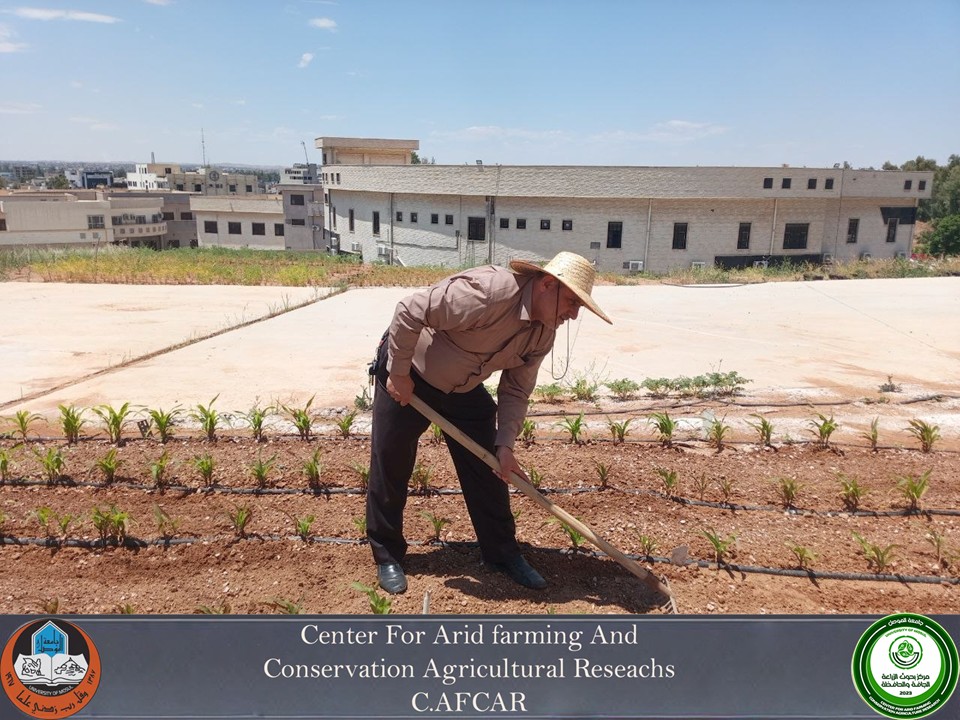
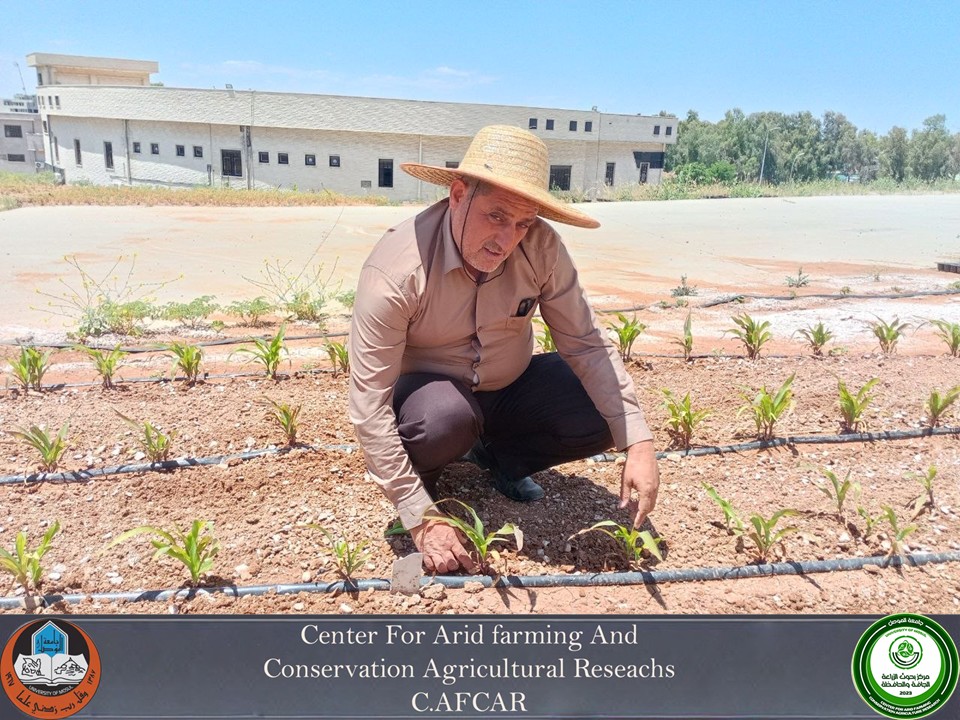
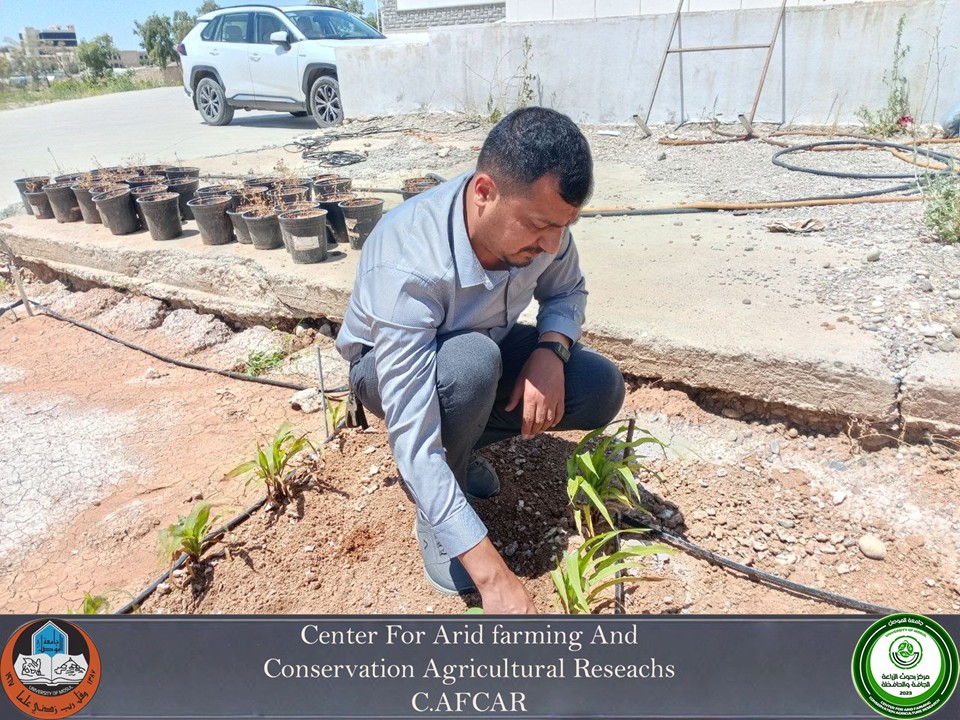
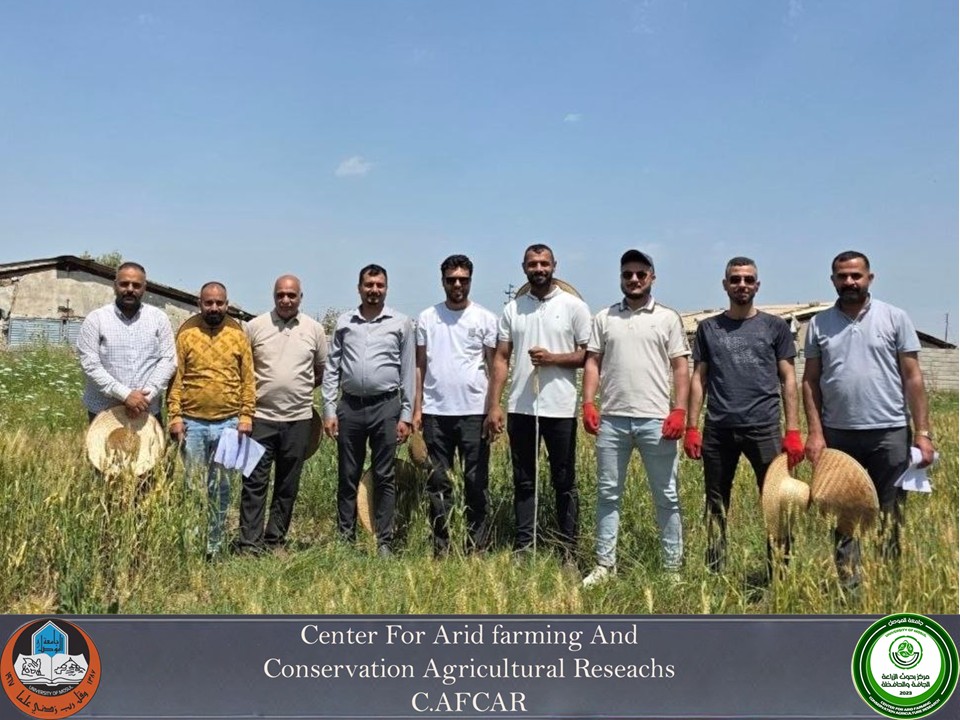
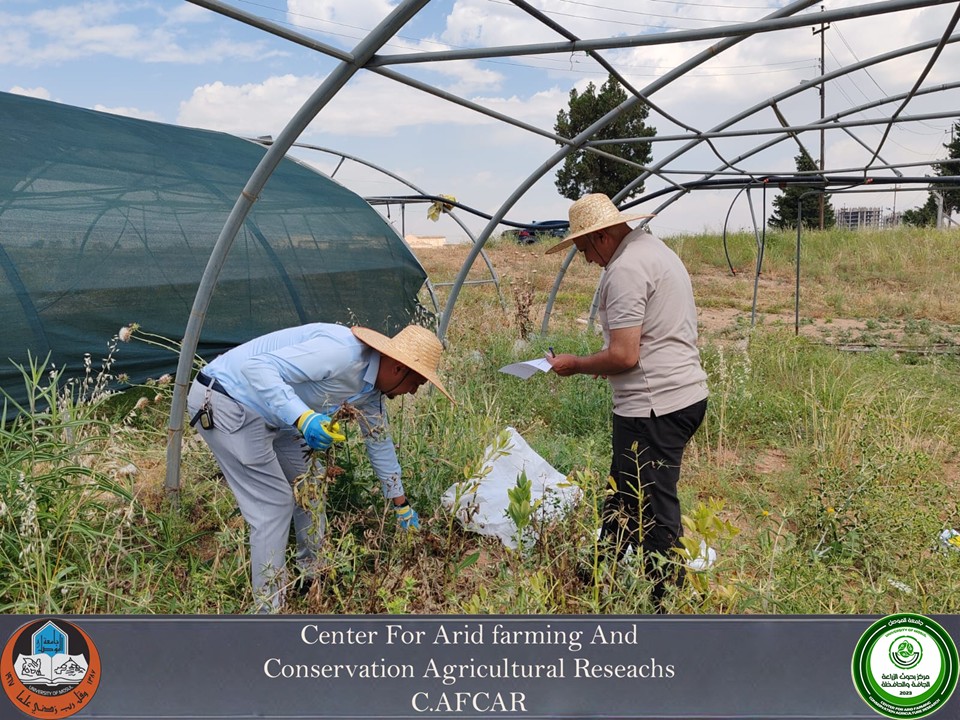
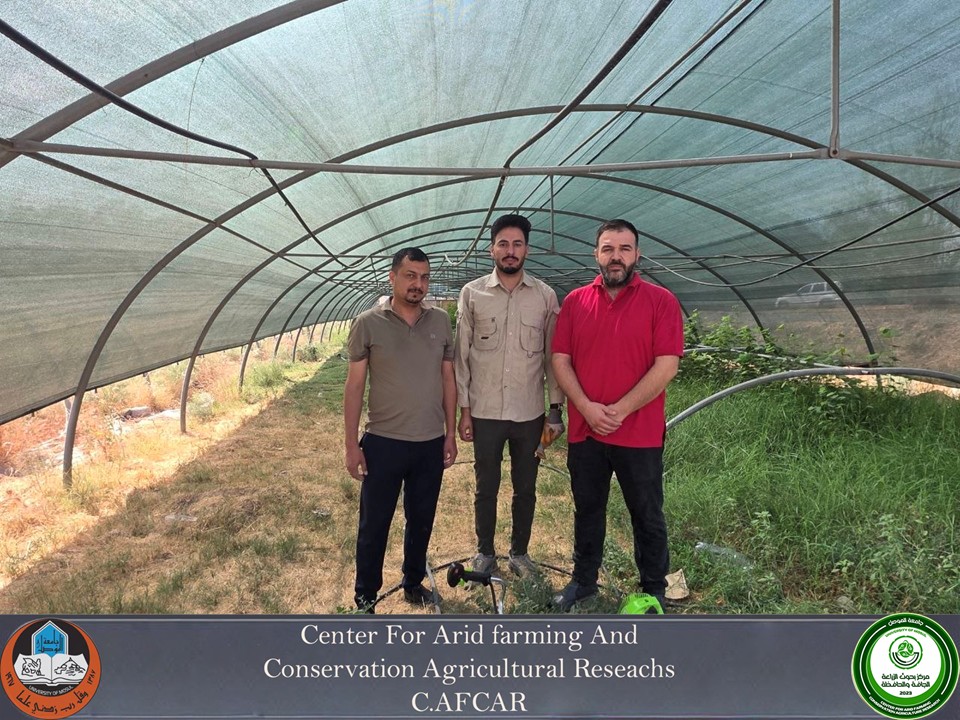
The success of yellow corn cultivation in the spring season depends on carrying out field operations at their appropriate times. Weed removal and plant thinning are at the forefront of these operations due to their significant role in enhancing growth and achieving the highest productivity and quality of the crop. For this purpose, researchers at AFCAR center, Thakir Jasim Mohammed and Ammar Habib Mahmood, carried out thinning and weed control operations on Monday, June 1, 2026, for the fields planted with yellow corn behind the center’s building.
Weed removal and plant thinning are among the most important agricultural practices that contribute to increasing the productivity of the yellow corn crop during the spring season. They directly affect plant growth and their ability to utilize water, nutrients, and sunlight, as weeds compete with corn plants for essential resources, leading to weak growth and reduced yield. Moreover, weeds serve as a shelter for many agricultural pests and diseases.
The first weeding and weed removal are carried out within 2–3 weeks after plant emergence. The operation is then repeated depending on the density and growth of weeds to reduce competition for water and nutrients, improve aeration and light penetration between plants, limit the spread of pests and diseases, and increase the efficiency of fertilizer and irrigation use.
This practice aligns with the Sustainable Development Goals, including: Goal 2 (Zero Hunger), Goal 6 (Clean Water and Sanitation), Goal 8 (Decent Work and Economic Growth), Goal 12 (Responsible Consumption and Production), Goal 13 (Climate Action), and Goal 15 (Life on Land).



#University_of_Mosul.
#Center_for_Arid_Farming_and_Conservation_Agriculture_Research’s.
#sustainable_development.