8 June، 2026
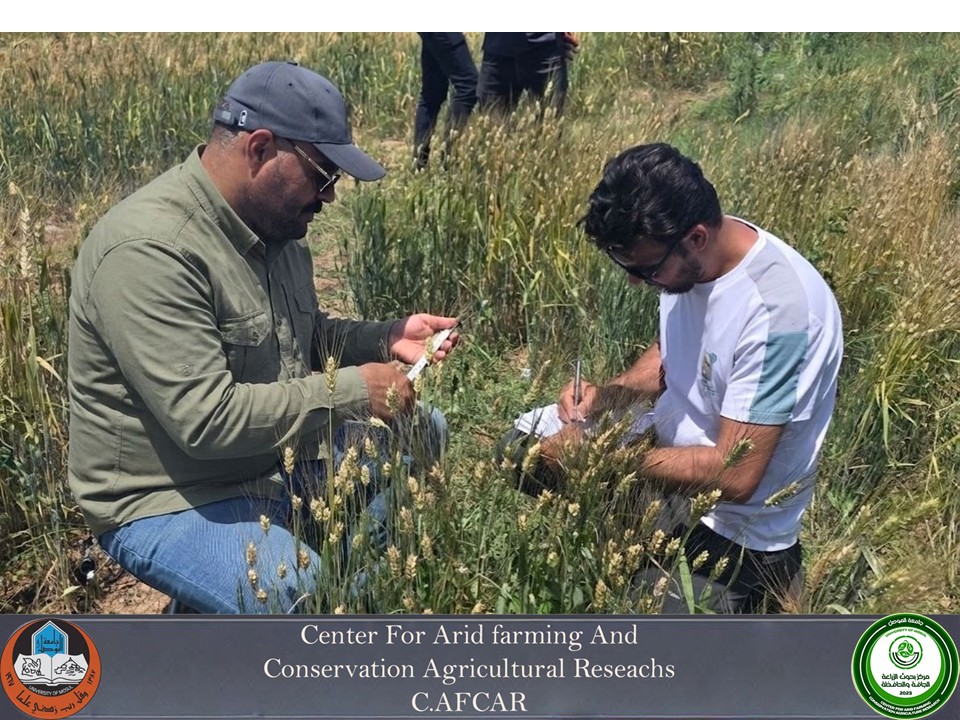
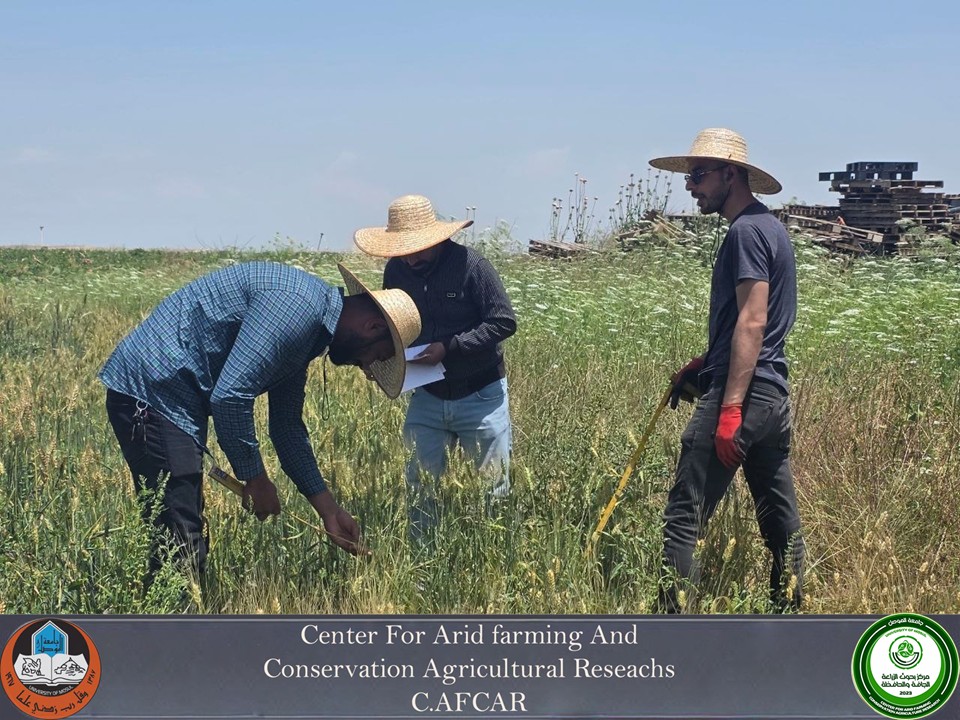
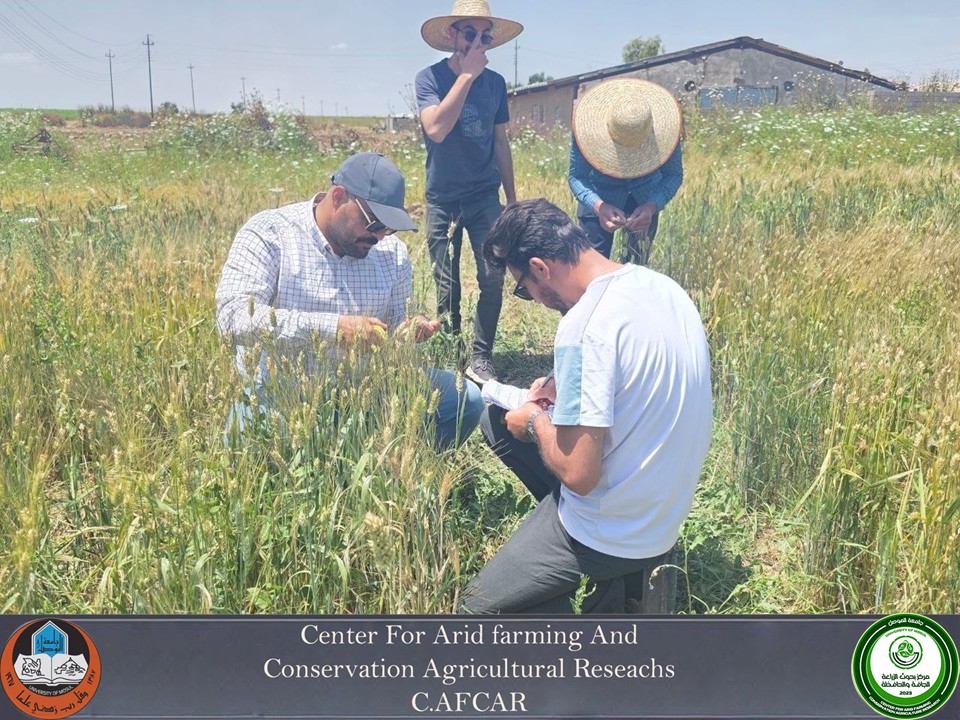
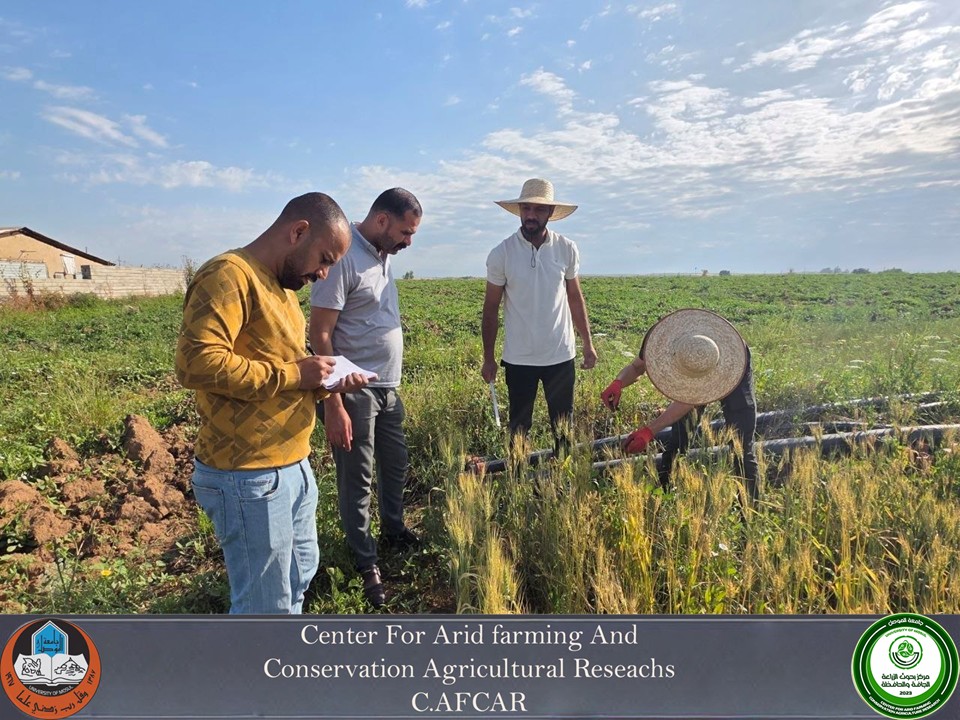
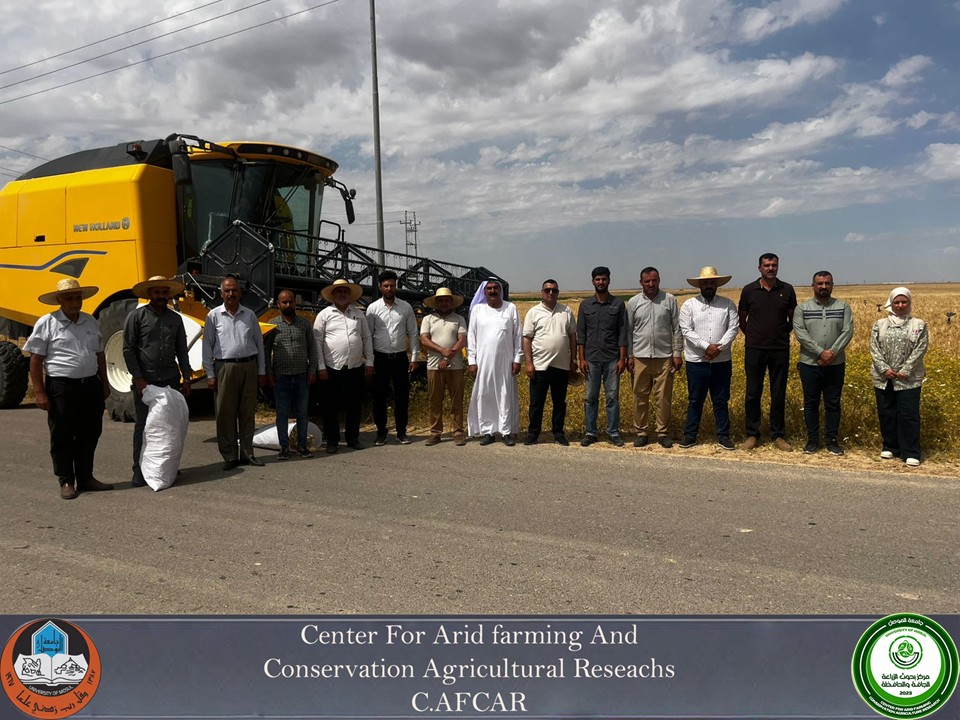
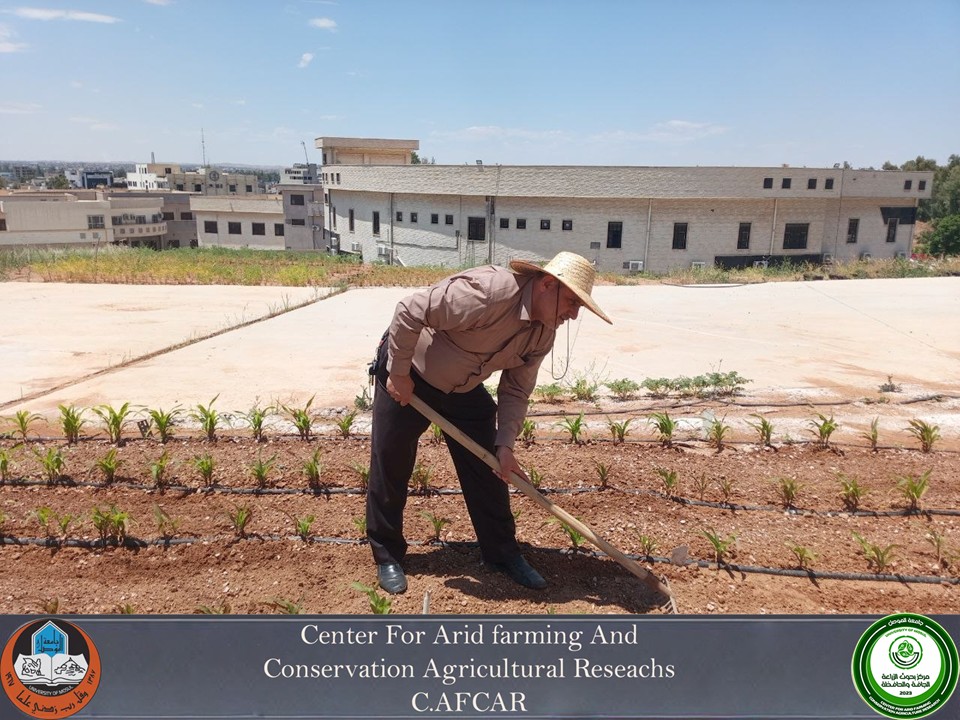
Field Monitoring of Wheat Research Trials in Al-Gubbah and Shirayakhan.
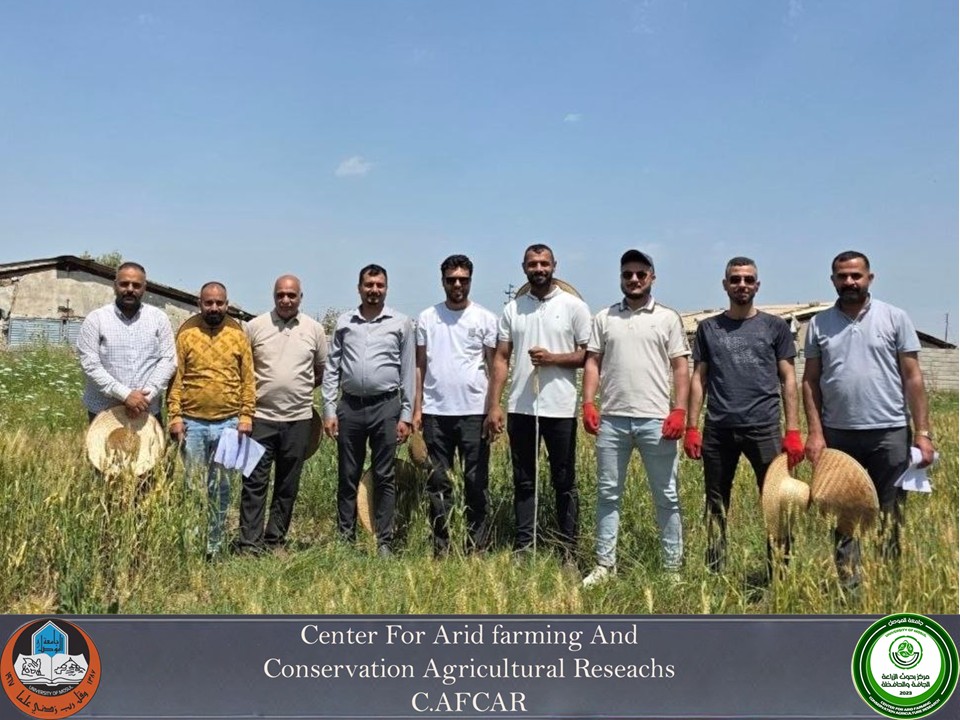
The visit included field evaluations of several important agronomic traits, including plant height, number of spikes per plant, and tolerance to prevailing environmental conditions. In addition, growth and productivity indicators of the different genetic lines were recorded as part of ongoing efforts to develop drought-tolerant wheat varieties adapted to farming conditions in arid and semi-arid regions.
The research team emphasized that such field monitoring activities constitute a fundamental stage in the evaluation of breeding lines and the selection of superior genetic materials characterized by high productivity and adaptability. These efforts contribute significantly to strengthening food security and improving wheat production in Ninawa Province.
This research activity aligns with several Sustainable Development Goals (SDGs), including:
SDG 1: No Poverty
SDG 2: Zero Hunger
SDG 8: Decent Work and Economic Growth
SDG 12: Responsible Consumption and Production
SDG 13: Climate Action
SDG 15: Life on Land





#University_of_Mosul.
#Center_for_Arid_Farming_and_Conservation_Agriculture_Research’s.
#sustainable_development.