19 August، 2025
Discussion of a master’s thesis at the College of Environmental Sciences on ISO 14044
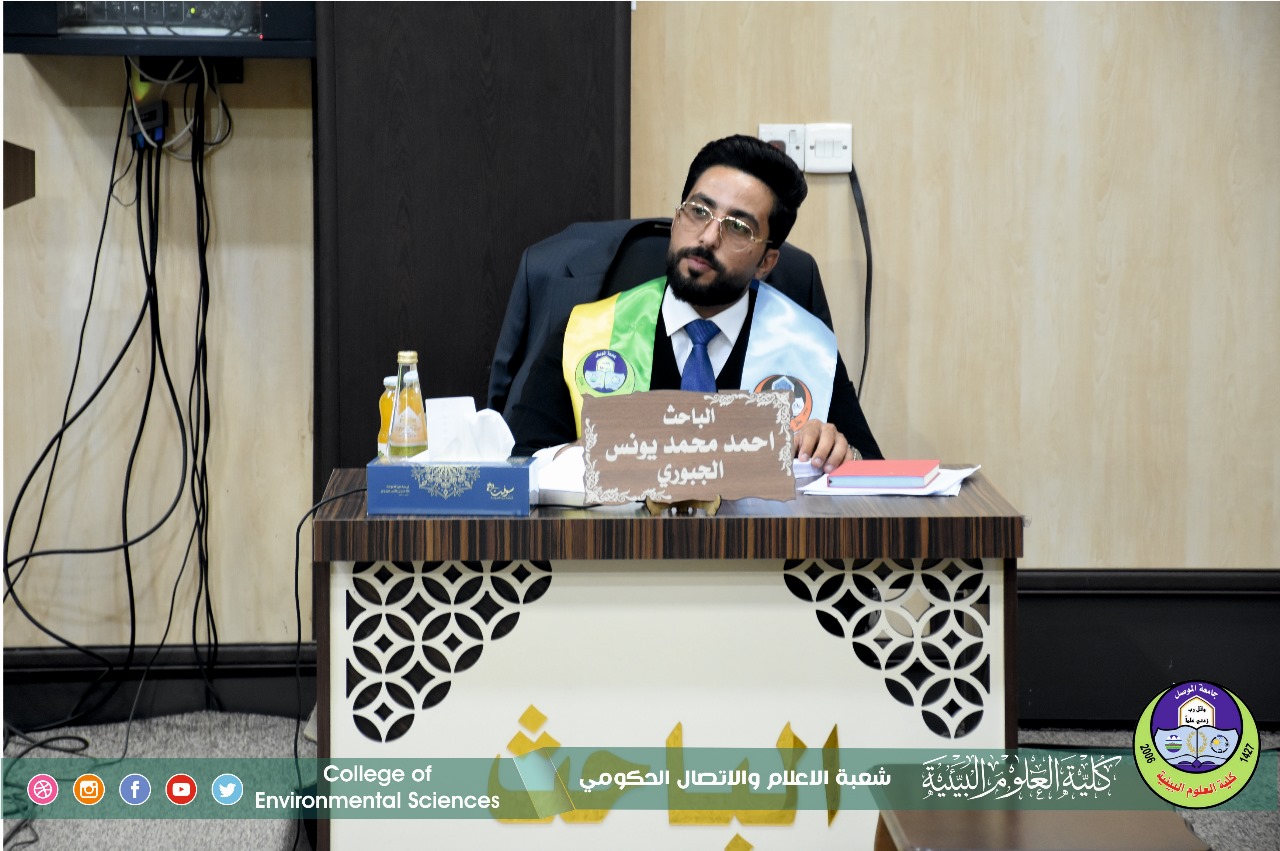
The College of Environmental Sciences discusses a master’s thesis on ISO 14044…
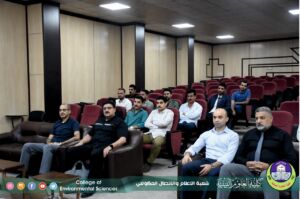
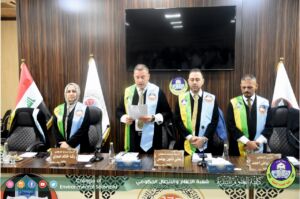
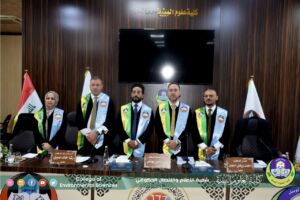
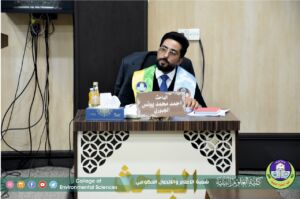
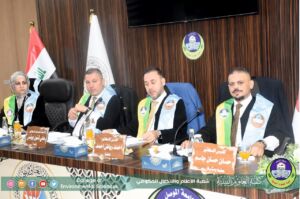
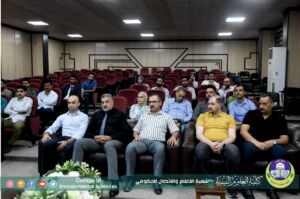
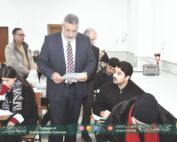
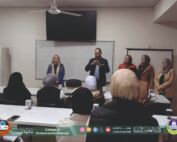
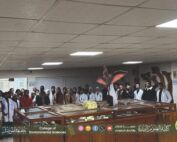
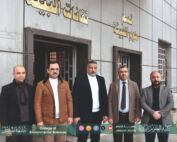
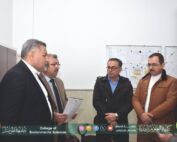
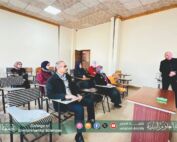
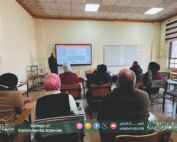
Under the patronage of the President of the University of Mosul, Professor Wahid Mahmoud Al-Ibrahimi, and in the presence of the Dean of the College, Professor Muthanna Jassim Al-Taie, the Assistant Dean for Academic Affairs, Dr. Muhammad Walid Al-Abbasi, and Dr. Muhammad Ibrahim Khalil, Head of the Department of Environmental Sciences, the master’s thesis, entitled “The Extent of ISO 14044’s Contribution to Achieving Environmental Sustainability: An Analytical Study of the Northern Iraqi Cement Cooperative Laboratories,” was discussed this morning, Tuesday, August 19, 2025, in the discussion hall of our college.
This study included an analysis of the extent to which the implementation of the international standard ISO 14044, which deals with life cycle assessment, contributes to improving environmental performance and achieving sustainability. This standard is not limited to measuring environmental impact alone, but also helps in making strategic decisions that reduce pollution and support the optimal use of resources, making it an effective tool for achieving sustainable development in a vital sector such as the cement industry. In this study, the researcher used both the applied and descriptive approaches. The study’s methodology combined theoretical aspects with quantitative analysis. A robust scientific questionnaire was designed to measure the extent to which factories adhere to ISO 14044 requirements and the impact of this on reducing pollutants across each stage of production. Data were processed using SPSS statistical analysis software, enabling the development of explanatory models of the relationships between compliance with the standard and the improvement of factory environmental indicators. The study relied on a comparative analysis of previous studies, which identified the pollutant ratios associated with each production process, from grinding raw materials to packaging. This enabled the creation of an accurate database to monitor the impact of improvements resulting from compliance with the standard and to identify the stages that contribute the greatest to negative environmental impacts.
The study recommended:
1. Linking the results of implementing ISO 14044 to the factories’ environmental and strategic objectives, ensuring long-term improvement in environmental performance.
2- Develop production technologies by introducing alternative, lower-emission energy sources, such as solar energy or alternative fuels, to reduce reliance on fossil fuels.
3- Strengthen environmental monitoring systems by installing emission measuring devices on a regular basis and linking them to periodic reports for decision-makers, in accordance with global environmental standards.
4- Develop electronic environmental information systems to assist in collecting, analyzing, and documenting data in accordance with ISO 14044 standards.
5- Recommend expanding the application of ISO 14044 to include all secondary and logistical processes associated with cement production, ensuring comprehensive coverage of the product’s environmental life cycle.
6- ISO 14044 has contributed to achieving several Sustainable Development Goals, most notably: Goal 6 (Clean Water), Goal 7 (Clean Energy), Goal 9 (Industry and Innovation), Goal 11 (Sustainable Cities), Goal 12 (Responsible Production and Consumption), Goal 13 (Climate Action), and Goal 15 (Life on Land), by reducing emissions, increasing resource efficiency, and improving waste management.
It also aimed to identify the efforts made by industrial companies to achieve sustainable production in line with the dimensions of sustainable development in light of the application of ISO 14044 standards, highlight the difficulties facing industrial companies in implementing ISO 14044 standards, and determine the importance of ISO 14044 for industrial companies. This study has achieved three Sustainable Development Goals: Goal 9 (Industry, Innovation, and Infrastructure), Goal 12 (Responsible Consumption and Production), and Goal 4 (Quality Education).
August 19, 2025 University of Mosul / Sustainable University
Department of Media and Government Communication
#College_of_Environmental_Sciences