1 February، 2026
Higher Education Governance in Iraq… A Reform-Oriented Vision in a Regional and Developmental Context
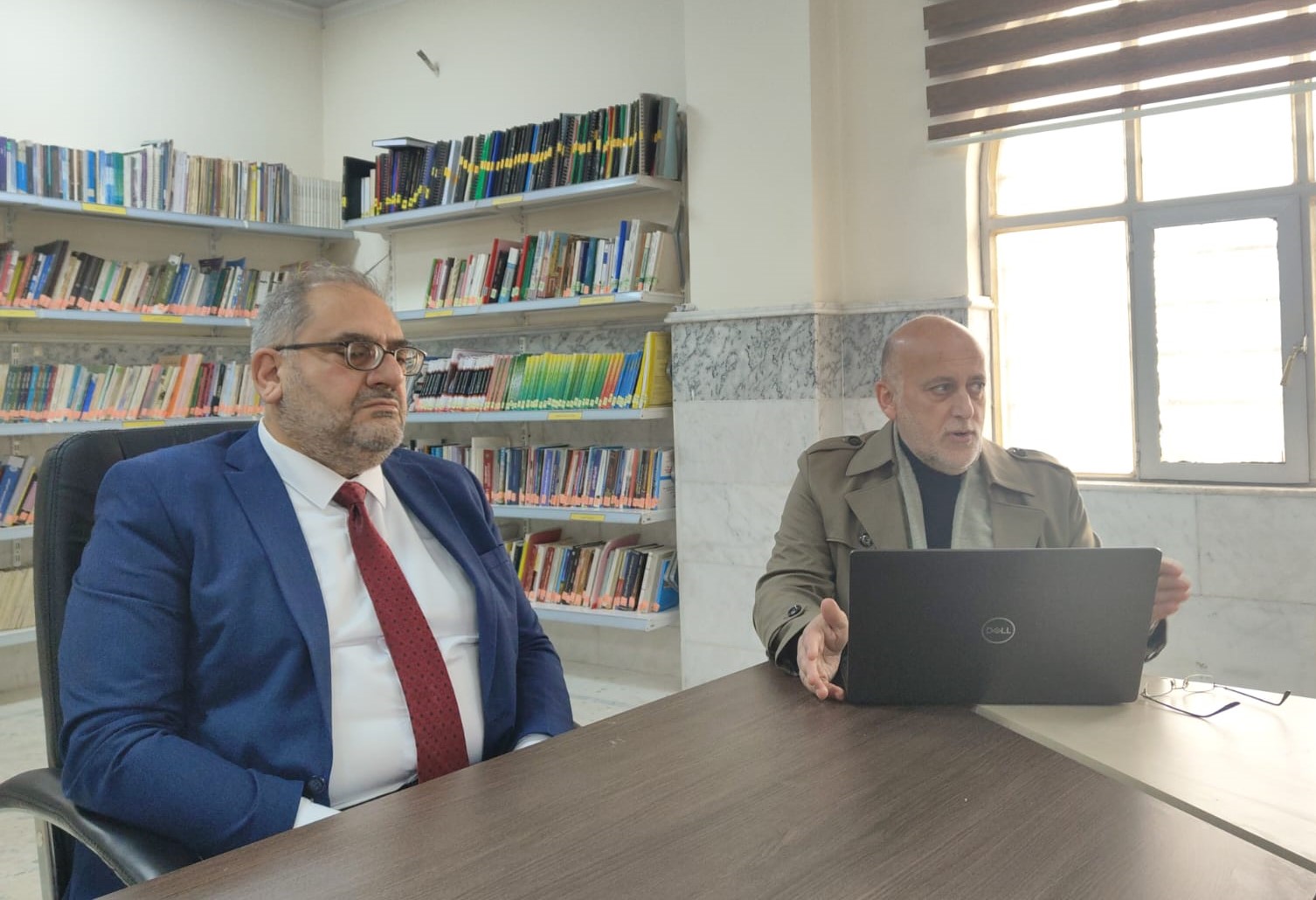
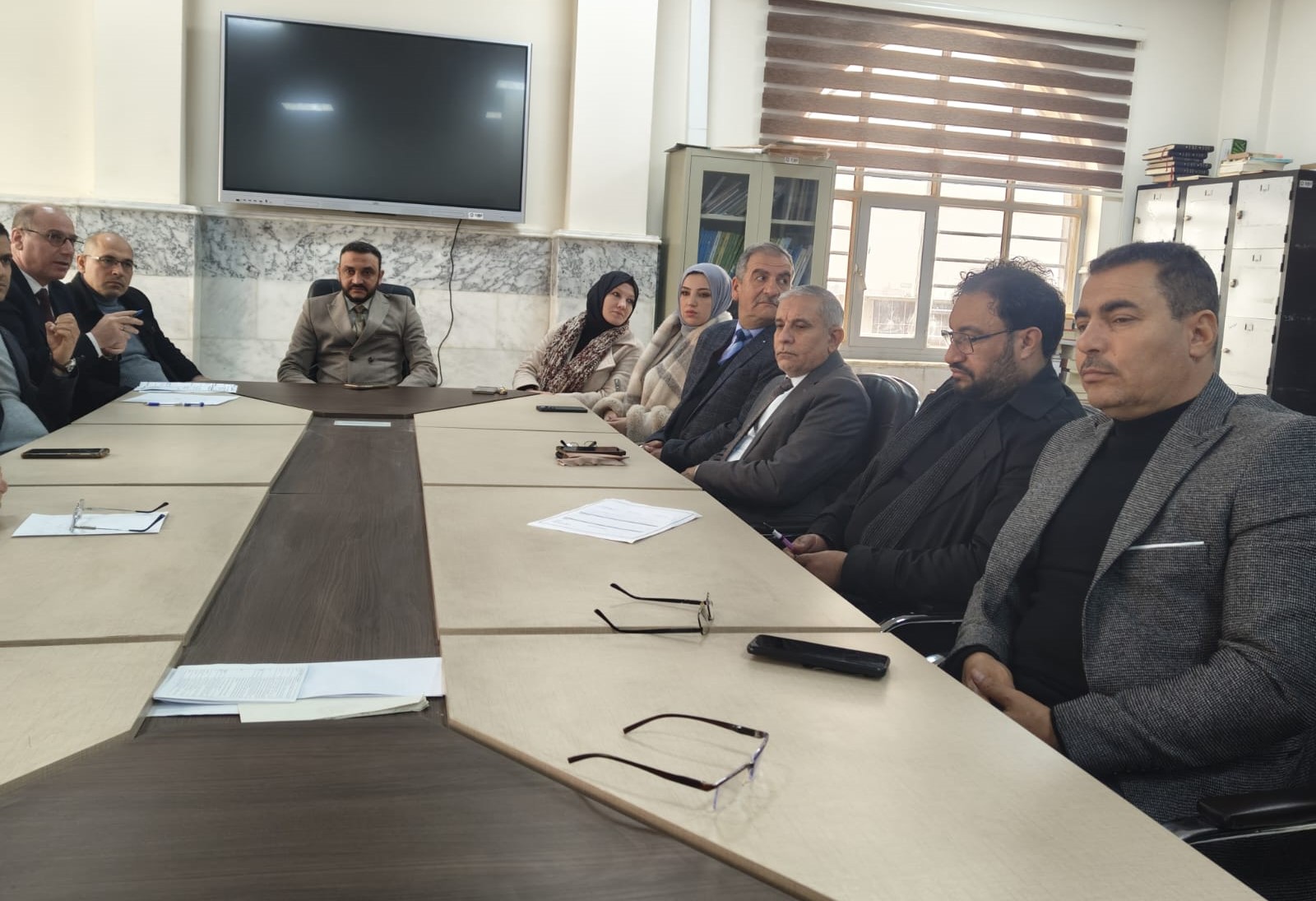
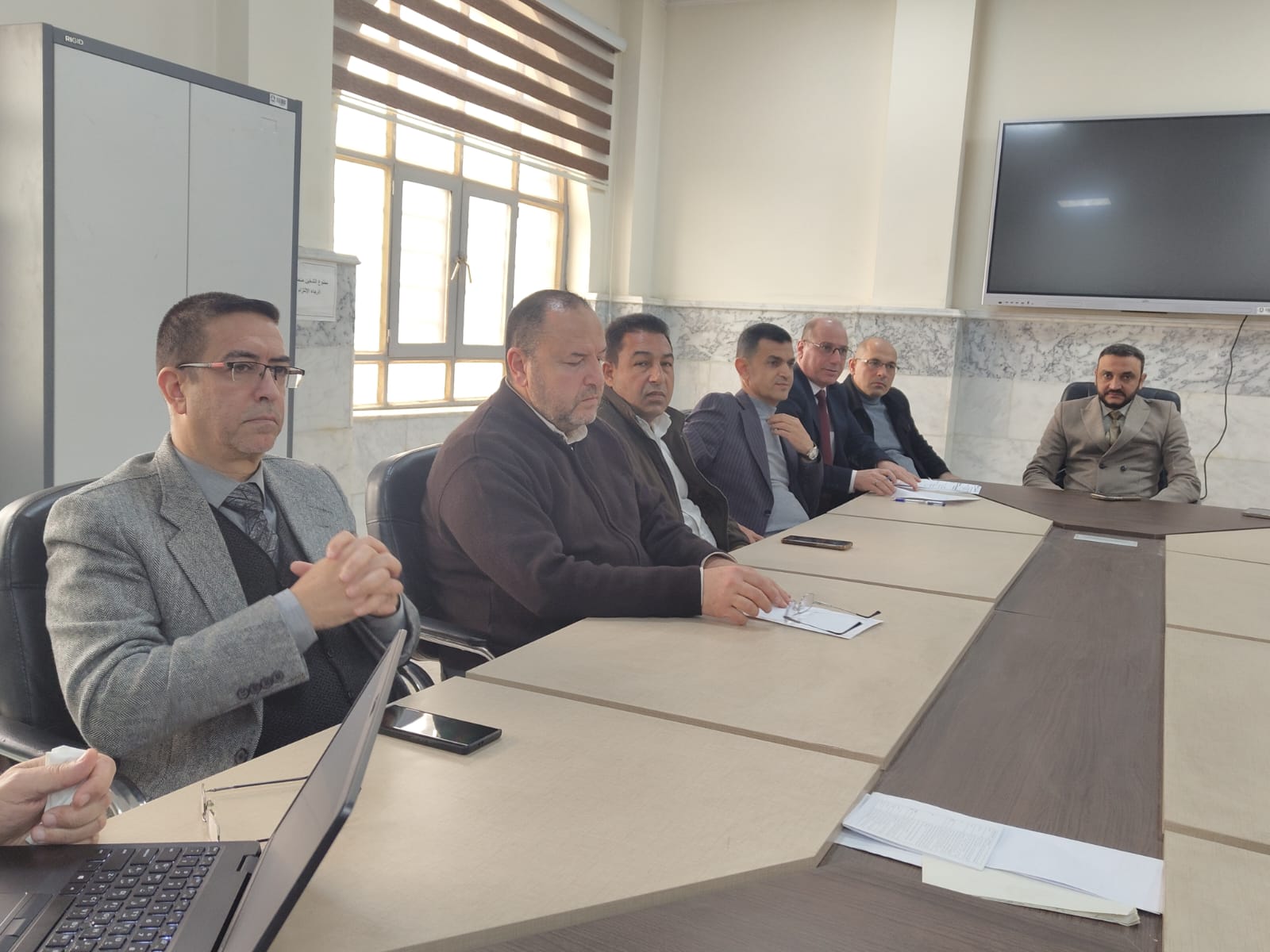
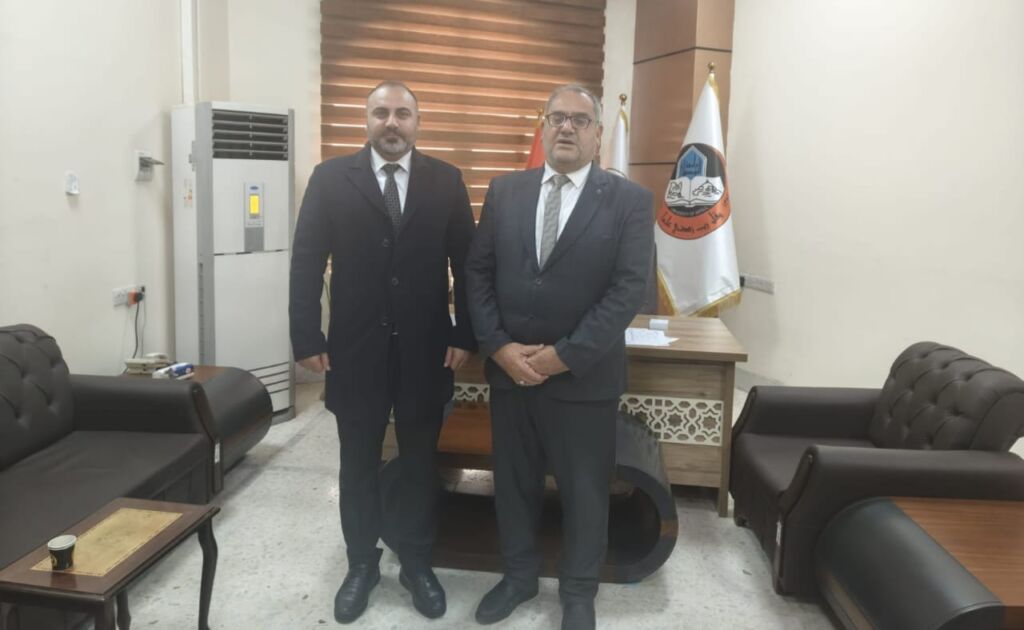
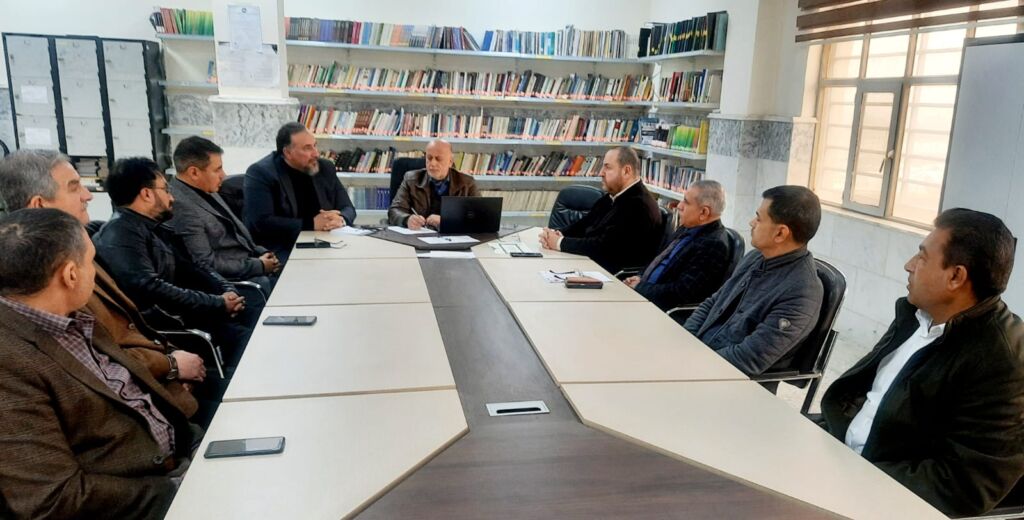
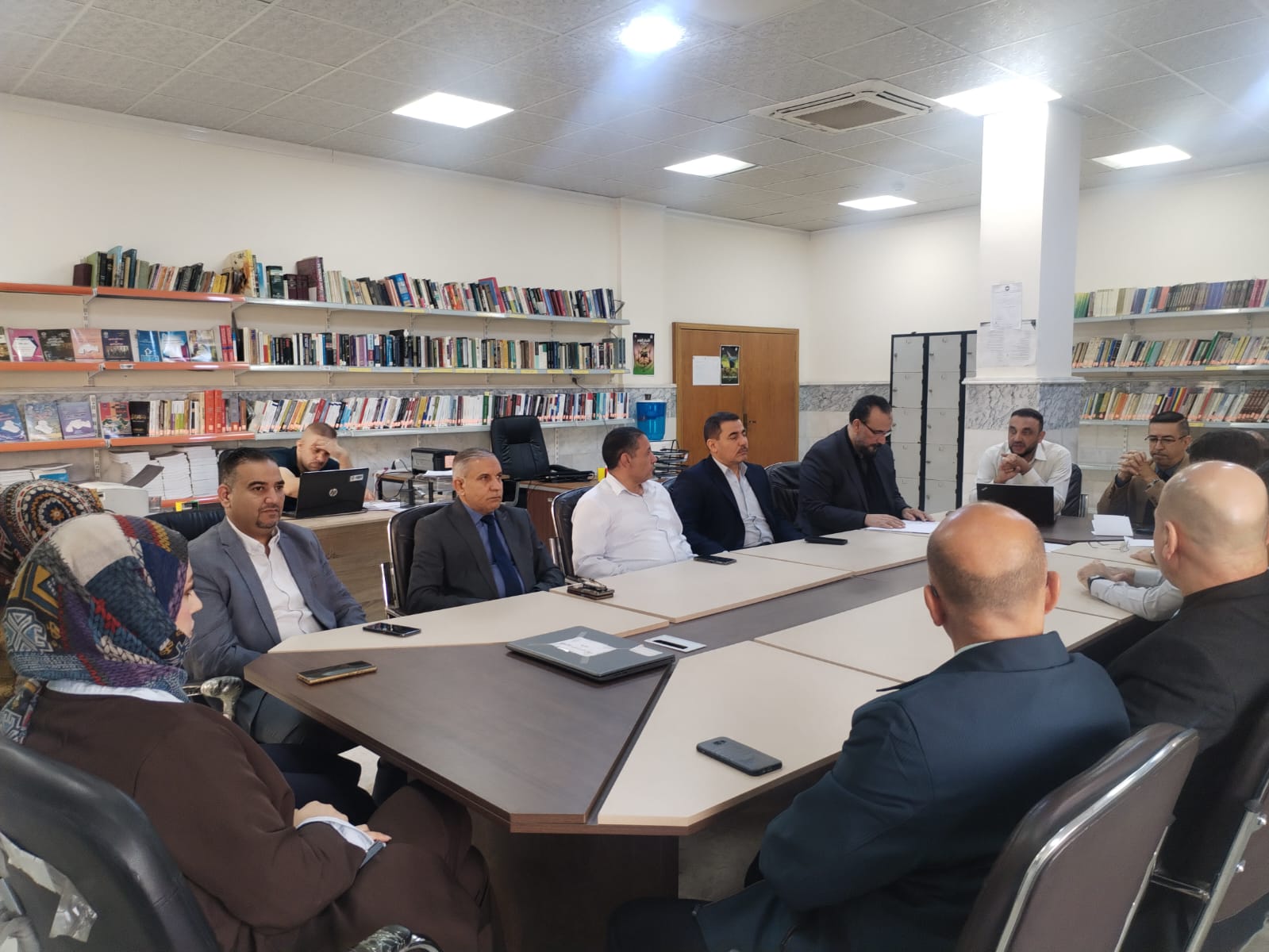
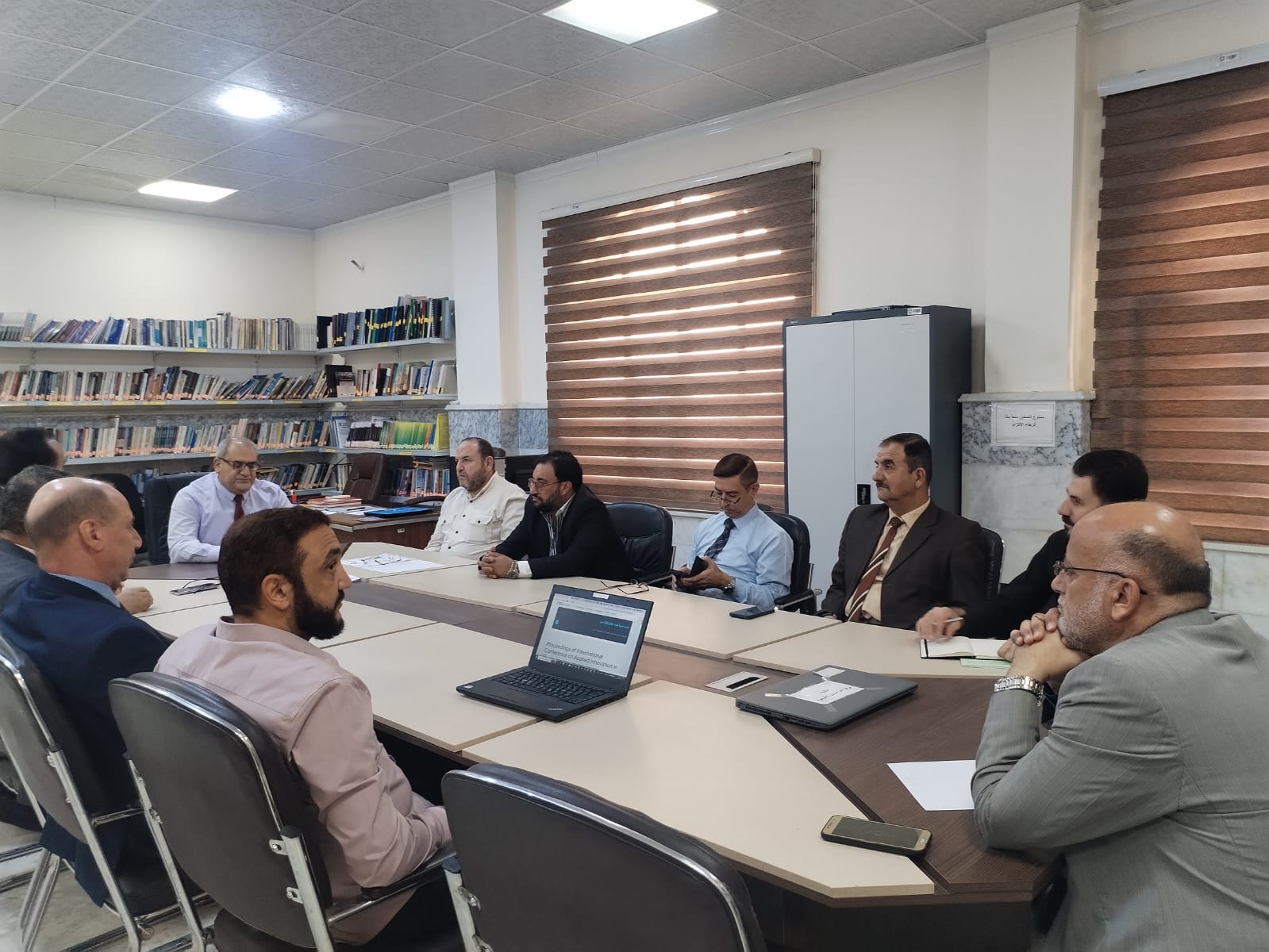
Regional Studies Center/Continuing Education Unit, in collaboration with the University Presidency, Studies and Planning Department/Sustainable Development Unit, held an academic seminar on Sunday, 1 February 2026, entitled “Higher Education Governance in Iraq: Reality, Challenges, and Future Horizons.” The seminar was delivered by Professor Dr. Imad Khalil Ibrahim, who presented an analytical, research-based vision addressing the structure of Iraq’s education system, the level of institutional management, legislative challenges, mechanisms of strategic planning, and the reinforcement of transparency, accountability, and performance quality.
The paper highlighted the major challenges facing the education sector, foremost among them issues of authority and competencies, financing, digital transformation, and brain drain. It emphasized that good governance represents the key entry point for education reform and the achievement of institutional sustainability.
The seminar featured extensive academic discussions in which participants offered comparative approaches drawn from regional experiences in education governance. These discussions reviewed models of financial autonomy and the development of partnerships with both the public and private sectors, opening avenues for benefiting from such experiences within the Iraqi context.
The recommendations emphasized:
- Developing governance frameworks and regulatory legislation
- Strengthening transparency and institutional oversight
- Adopting digital management and data-driven decision-making
- Empowering universities academically and financially
- Aligning educational outcomes with labor market needs
The outcomes of the seminar are consistent with the Sustainable Development Goals, particularly:
🎯 Goal 4: Quality Education
🎯 Goal 16: Strong Institutions and Good Governance
🎯 Goal 17: Partnerships for the Goals
This event comes as part of the Regional Studies Center’s efforts to promote academic dialogue and formulate more efficient and sustainable education policies, contributing to the development of human capital capable of leading Iraq’s development process.