
16 June، 2025
A specialized legal article
Implicating Public Employees /
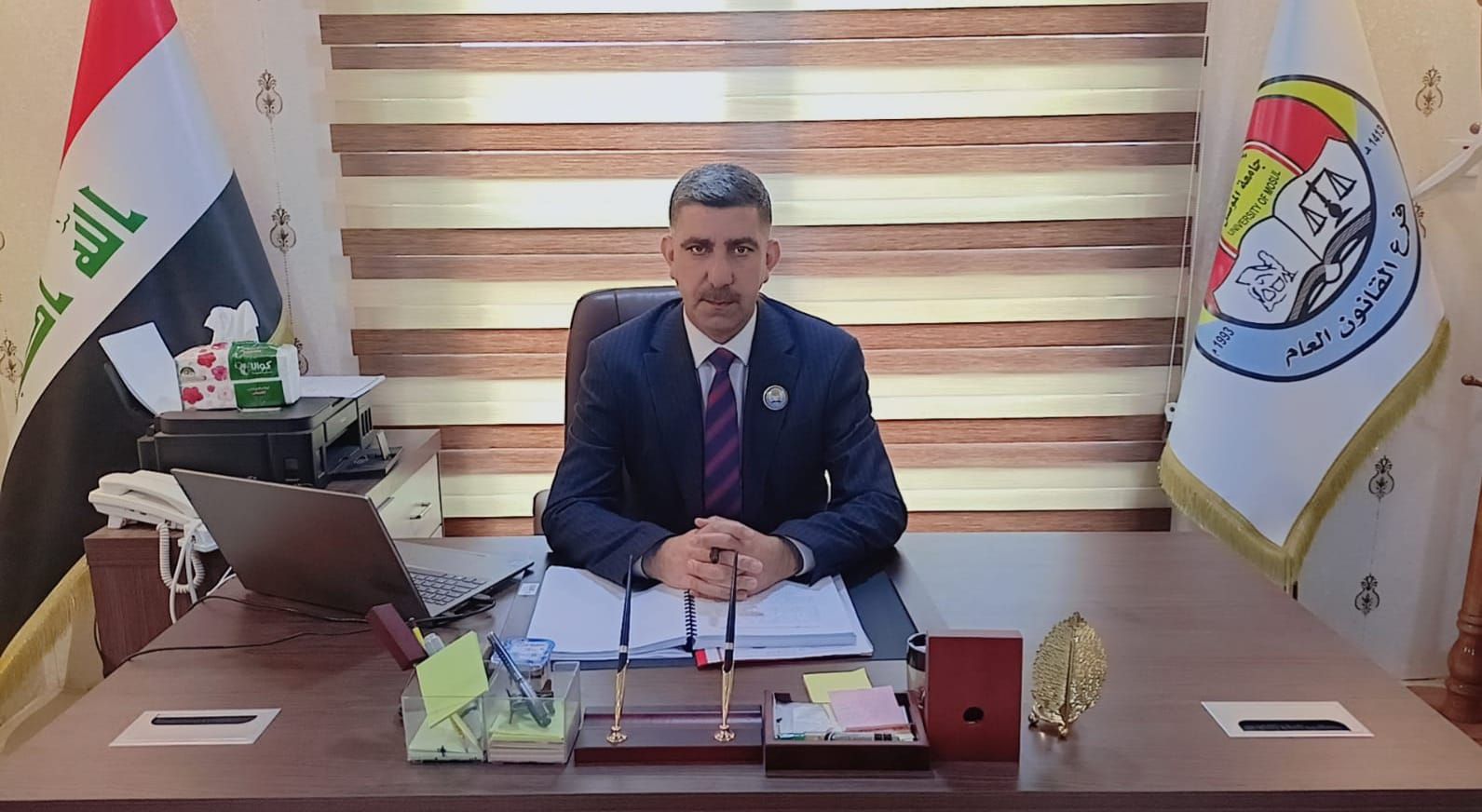
A specialized legal article by Dr. Ahmed Mahmoud Ahmed.
To begin our discussion of the legal liability that may result from an employee’s illegal actions, we can divide these violations that trigger employee liability into:
1. Purely administrative violations, such as an employee’s absence from work for several days.
2. Simultaneous administrative and criminal violations, such as forgery, embezzlement, and other criminal offenses committed exclusively by public employees.
3. Administrative violations with a financial impact represented by damage to public funds. The latter differs from the two aforementioned violations in that the law has dedicated a special law to it, the Iraqi Indemnity Law No. 31 of 2015, which requires the formation of an investigative committee consisting of three individuals, one of whom holds a preliminary law degree. One of the advantages of this law is that it requires the investigative committee to complete its work and ratify the decision within a maximum period of 90 days from the date of the damage. Furthermore, the indemnity decision can be appealed before the Administrative Judiciary Court, unlike the appeal of disciplinary sanctions, which is before the Civil Service Judiciary Court. Another advantage of this law is that the termination of the employment relationship does not prevent the inclusion of a public employee. This is perhaps the reason behind making the Administrative Judiciary Court the competent court to consider appeals against decisions to indemnify public employees. This whole matter reflects the constitutional, civil, and criminal protection provided by the law for public funds.