17 August، 2025
A Legal Awareness Article
The Role of the University of Mosul in Combating Hate Speech
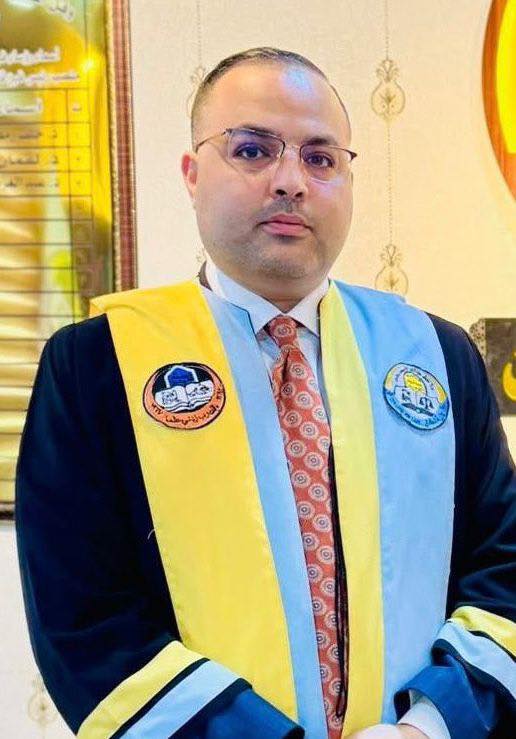
Dr. Ahmed Faris Idris
College of Law – University of Mosul
Introduction
Since the liberation of Mosul from the control of the terrorist ISIS gangs, the University of Mosul has assumed a historical and moral responsibility to rebuild community awareness and consolidate a culture of tolerance and peaceful coexistence among the components of Mosul society. At the forefront of these efforts has been combating hate speech in all its forms.
First: The Concept of Hate Speech: Hate speech is any verbal, written, or behavioral expression that includes incitement to discrimination, hostility, or violence against an individual or group based on race, religion, nationality, color, gender, political affiliation, or any other identity. This speech takes many forms, including media statements, social media posts, slogans, and even educational content that fuels division.
Second: Types of Hate Speech
1. Religious Hate Speech: which targets different religions or sects through incitement or distortion.
2. Ethnic or nationalistic hate speech: which discriminates against or attacks a group based on its ethnic origin or nationality.
3. Political hate speech: which incites hostility or exclusion based on party affiliation or political position.
4. Social hate speech: which is associated with incitement against specific groups such as women, people with disabilities, or minorities.
Third: The role of the University of Mosul and the College of Law in reducing hate speech: Since 2017, the College of Law at the University of Mosul has adopted ongoing awareness programs to reduce hate speech, including:
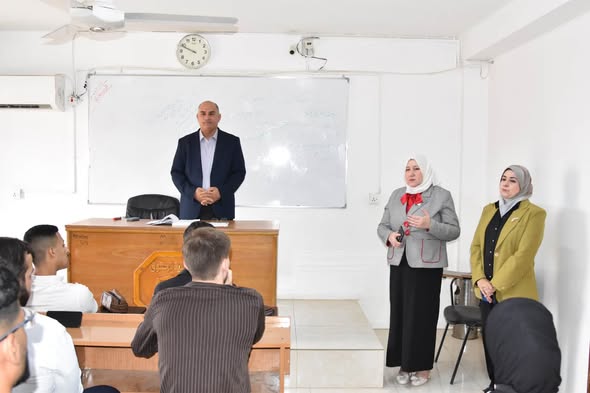
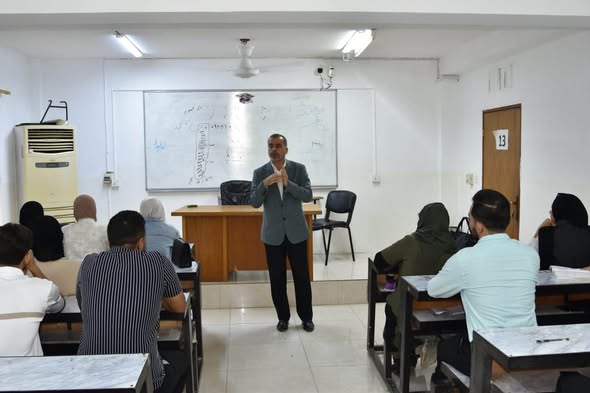
1. Organizing workshops, seminars, and academic conferences that discuss the dangers of hate speech and its impact on community security, focusing on the legal aspects of combating it.
2. Directing academic research, as the college has encouraged graduate students to select topics related to hate speech and its impact on society. Diploma, master’s, and doctoral dissertations have been completed in this field.
3. Field visits: College staff visited schools, government institutions, and community organizations to spread a culture of tolerance and coexistence, linking hate speech to concepts of intellectual and religious extremism, and clarifying the relationship between them and their threat to national security.
Fourth: Means of Combating Hate Speech through Universities
Academic institutions—especially law schools—can contribute to combating hate speech by:
1. Integrating concepts of tolerance and citizenship into curricula.
2. Enhancing students’ legal literacy regarding local and international laws that criminalize hate speech.
3. Encouraging scientific research to find practical and legislative solutions to curb the phenomenon.
4. Using university media platforms to correct misconceptions and disseminate positive messages.
5. Collaborating with civil society organizations to launch comprehensive awareness campaigns.
Conclusion:
The experience of Mosul after its liberation has been a lesson in that combating hate speech is not a temporary task, but rather a long-term national project, involving combined academic, legal, and societal efforts. Through its College of Law, the University of Mosul has proven that the university is not just a place of education, but an effective platform for rebuilding the human being, protecting the social fabric, and building lasting peace.