15 July، 2026
PhD thesis at the Faculty of Science discusses the effectiveness of biocompounds extracted from local basidiomycetes and their applications
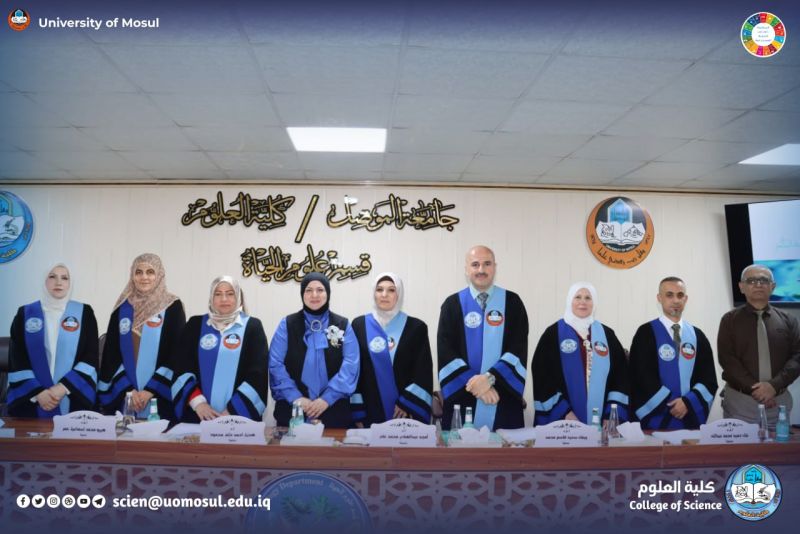
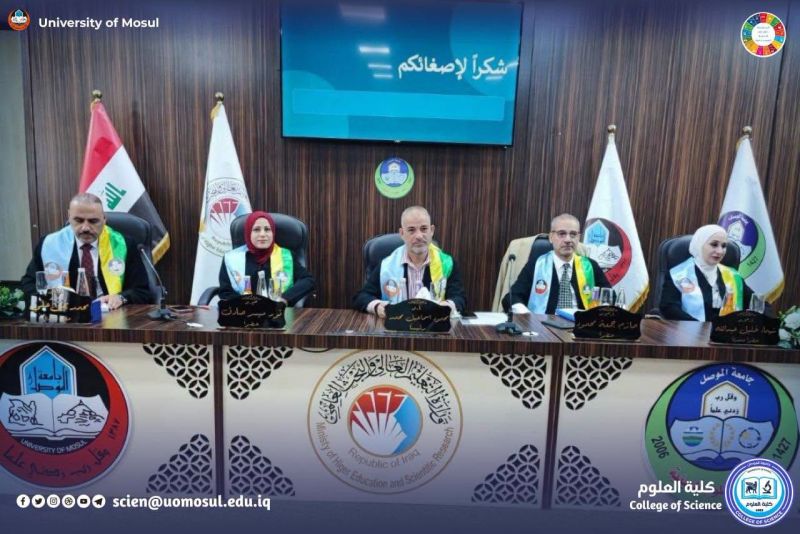
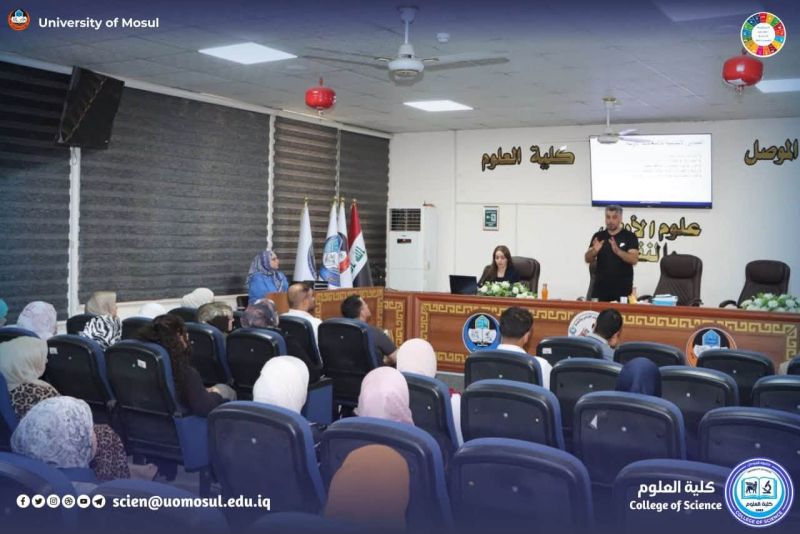
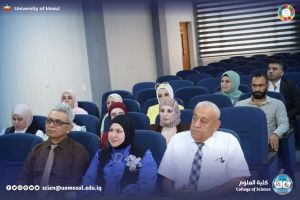
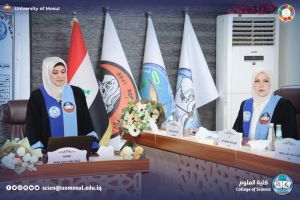
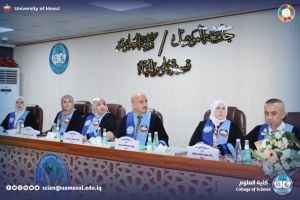
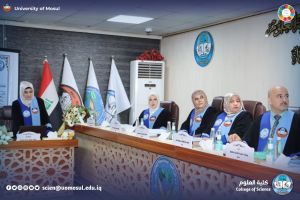
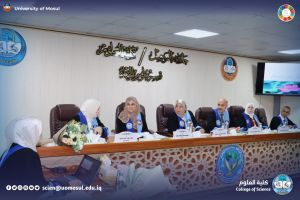
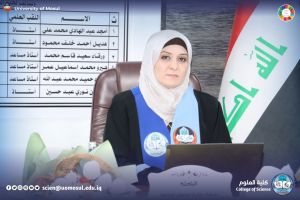
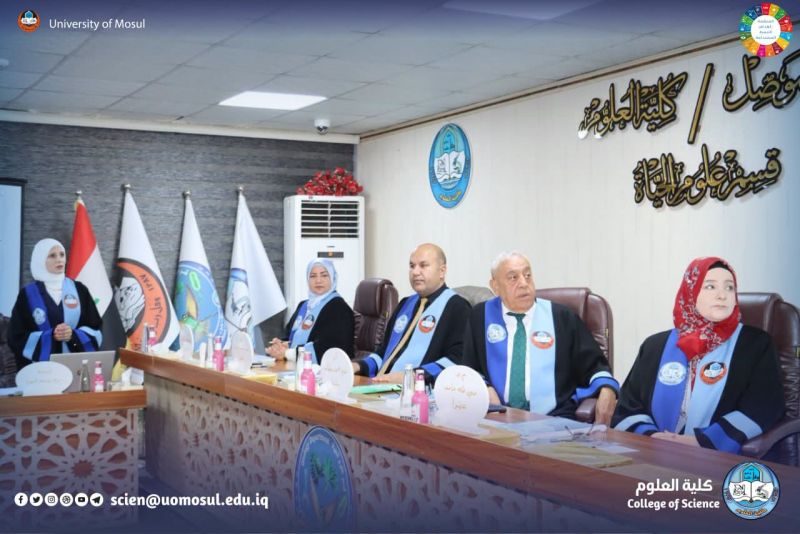
On Wednesday, July 15, 2026, the Department of life sciences at the Faculty of science at the University of Mosul discussed the doctoral dissertation tagged ” evaluating the effectiveness of some effective compounds extracted from one of the local basidiomycetes and studying some of its vital applications“ The presentation was made by PhD student Shifa pilot Jafar Mohammed from the Botany branch, in the presence of a number of faculty teachers and graduate students. The thesis aimed to invest local basidiomycetes as a promising source of biocompounds and enzymes with medical and environmental applications, by isolating and diagnosing them, stimulating the production of secondary metabolites, revealing their active compounds and studying some of their biocomplications. The study reached the diagnosis of seven fungal genera isolated from different areas in Nineveh governorate, including five genera of basidiomycetes and two genera of cystic fungi, based on phenotypic, microscopic and histological characteristics, as well as molecular confirmation of their identity using PCR technology. The researcher also succeeded in registering four fungal isolates in the GenBank database of the National Center for Biotechnology Information (NCBI) with the identification numbers PQ498361, PQ507916, PQ516842 and PQ508367. The thesis included the use of N-Acetyl-L-Cysteine (NAC) as a safe chemical catalyst to stimulate the production of secondary compounds in the studied fungi, and the analysis of the resulting compounds using GC-MS and HPLC techniques, as seven active biological compounds were identified that showed varying inhibitory activity against a number of pathogenic bacteria and fungi. The results also showed the ability of the fungus Schizophyllum community to form silver nanoparticles, while the fungus Psathyrella candolleana showed its ability to produce the enzyme Laccase and contribute to the analysis of the PET polymer, highlighting the promising potential of local fungi in bioremediation applications and reducing environmental pollutants, as well as the possibility of employing them in the medical fields and modern Biotechnologies. The thesis highlights the importance of combining the study of local fungal diversity and the investment of its biological products in multiple applications, which opens up research horizons to take advantage of local fungal resources in the development of biological solutions with health and environmental dimensions. The discussion committee consisted of Prof. Dr. Amjad Abdul Hadi Mohamed Ali as chairman, and the membership of Prof. Dr. Hadeel Ahmed Khalaf Mahmoud, Assistant Prof. Dr. Warqa Saeed Qasim Mohamed, Assistant Prof. Dr. hero Mohamed Ismail Omar, Assistant Prof. Dr. Alaa Hamid Mohamed Abdullah, under the supervision and membership of Prof. Dr. Faten Nouri Abdel Hussein. On the sidelines of the discussion, the dean of the Faculty of science, professor Dr. Hiam Adel Ibrahim, presented a letter of thanks and appreciation to assistant professor Dr. hero Mohamed Ismail from the Faculty of science, Salah al – Din University-Erbil, in appreciation of her participation in the doctoral dissertation discussion Committee, wishing her continued success in her scientific career. We wish our dear students continued success and success.
Government information and Communication Division
Wednesday, July 15, 2026
 Master thesis at the Faculty of Science discusses the use of nanoelements in improving the production of fruiting bodies of mushrooms
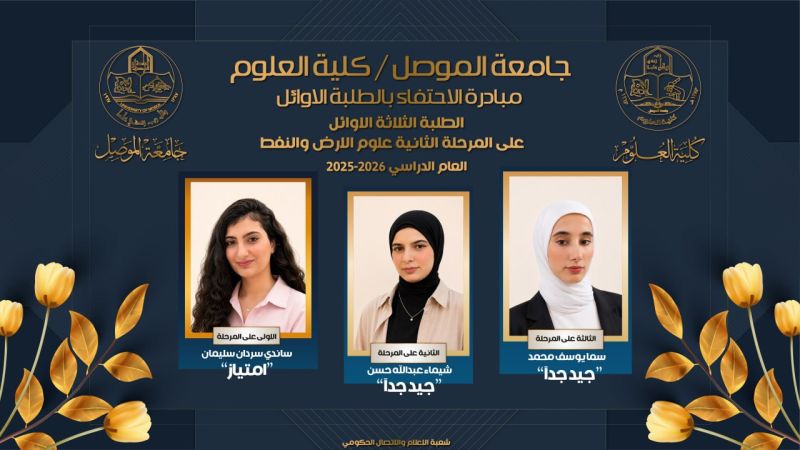 The Faculty of science announces the names of the first three students on the second stage in the Department of Earth and petroleum Sciences for the academic year 2025-2026