25 February، 2026
Optimal Seeding Depth… The Key to a Successful Agricultural Season in Rainfed Areas.
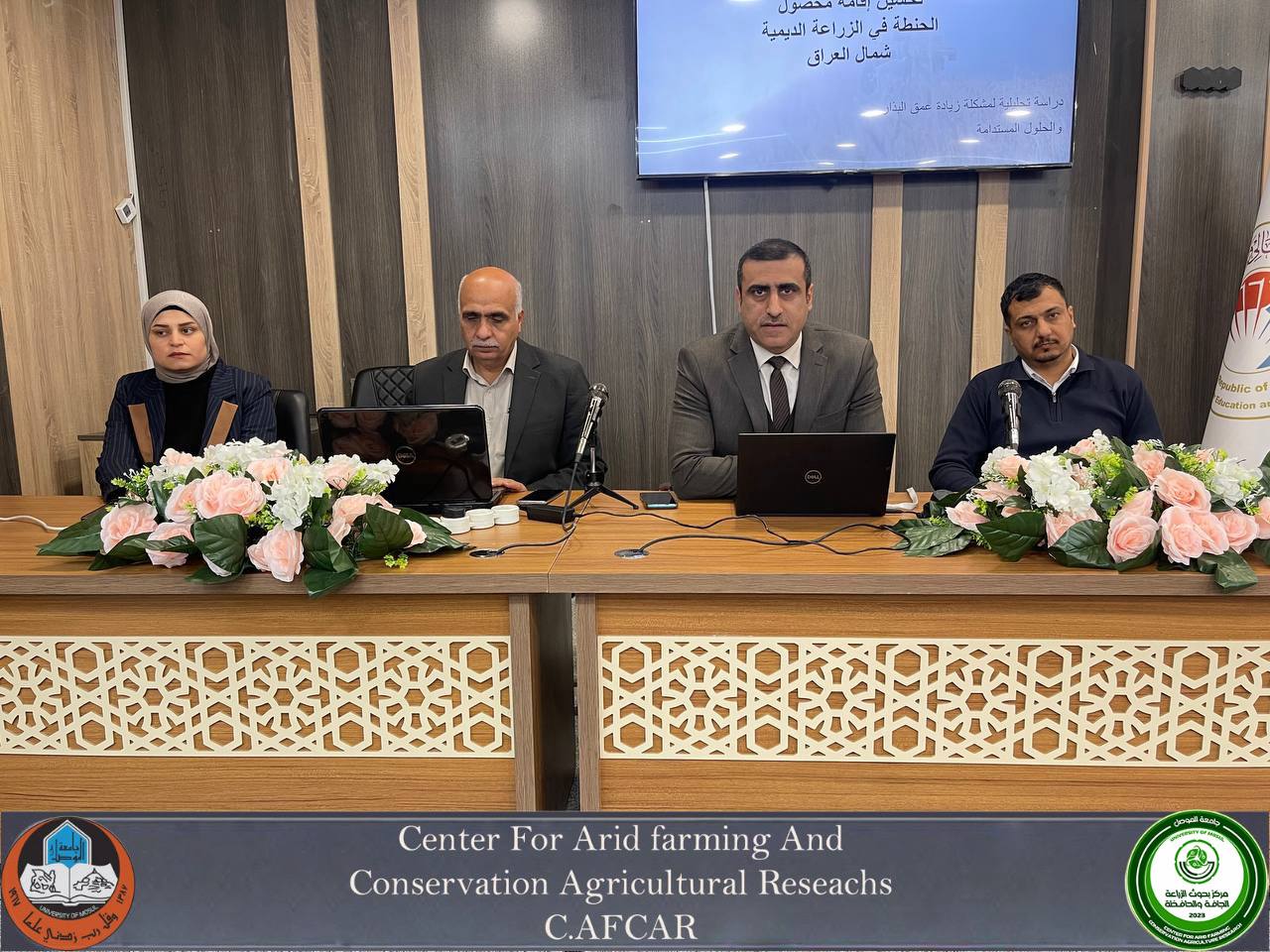
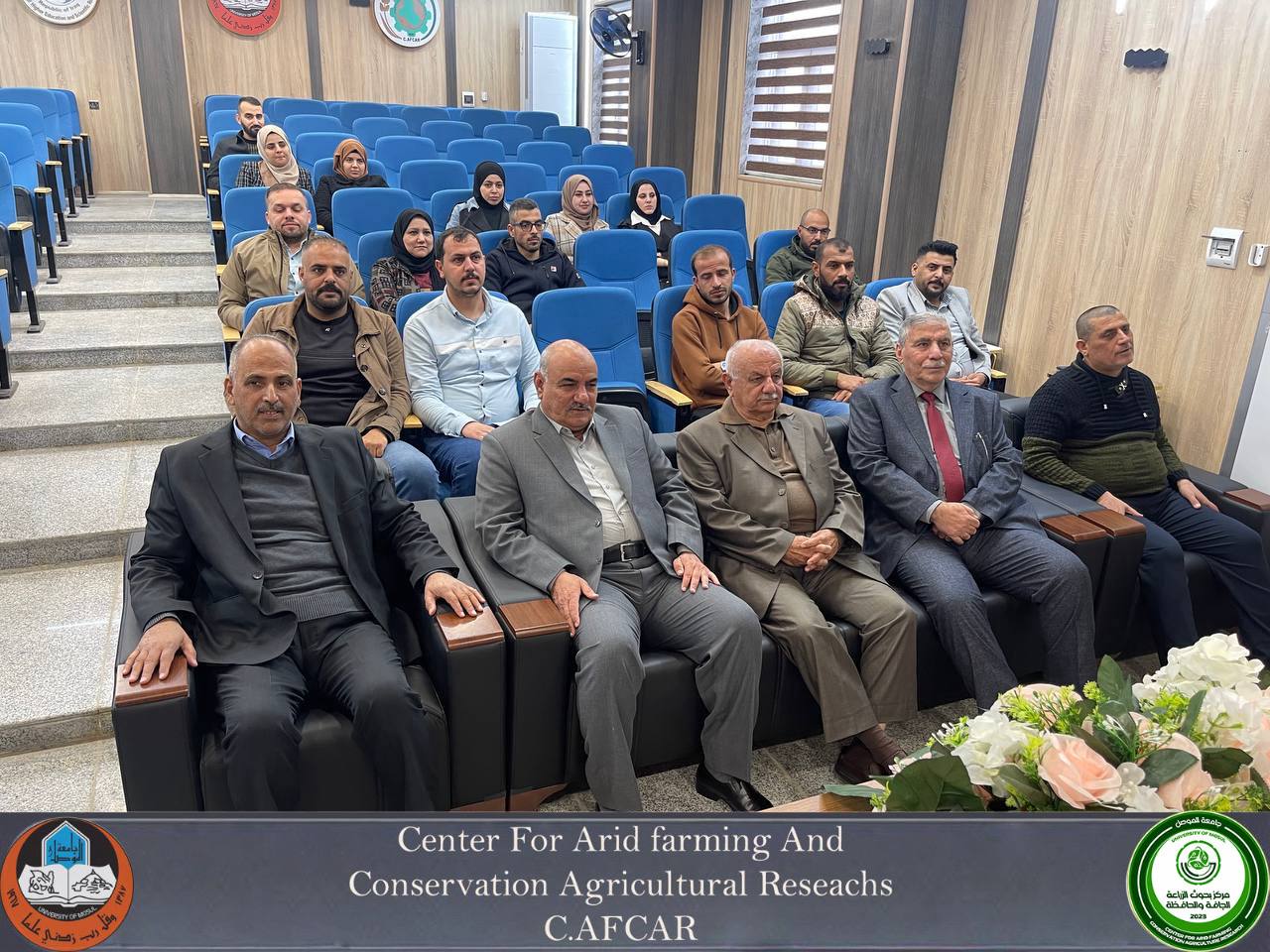
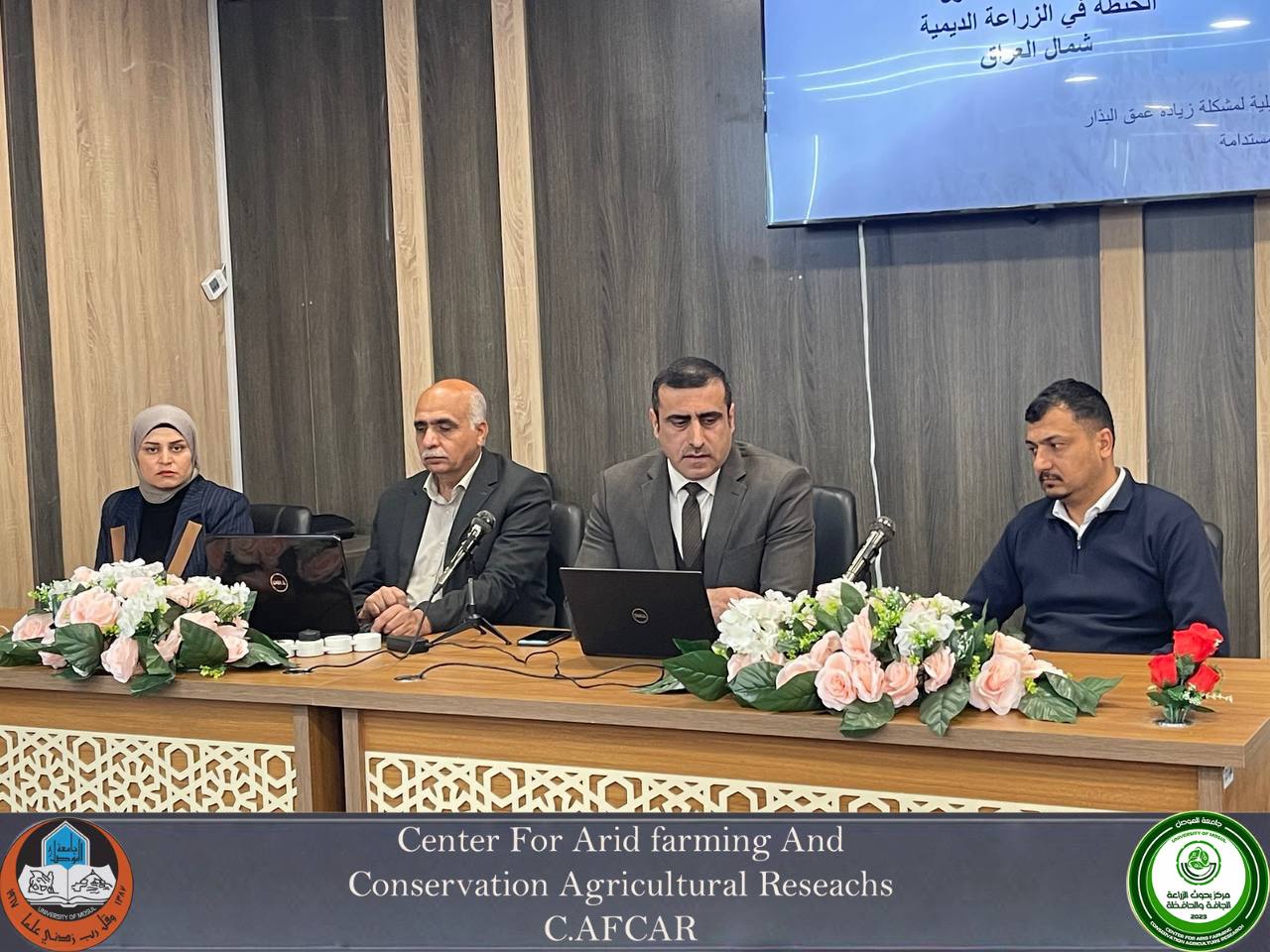
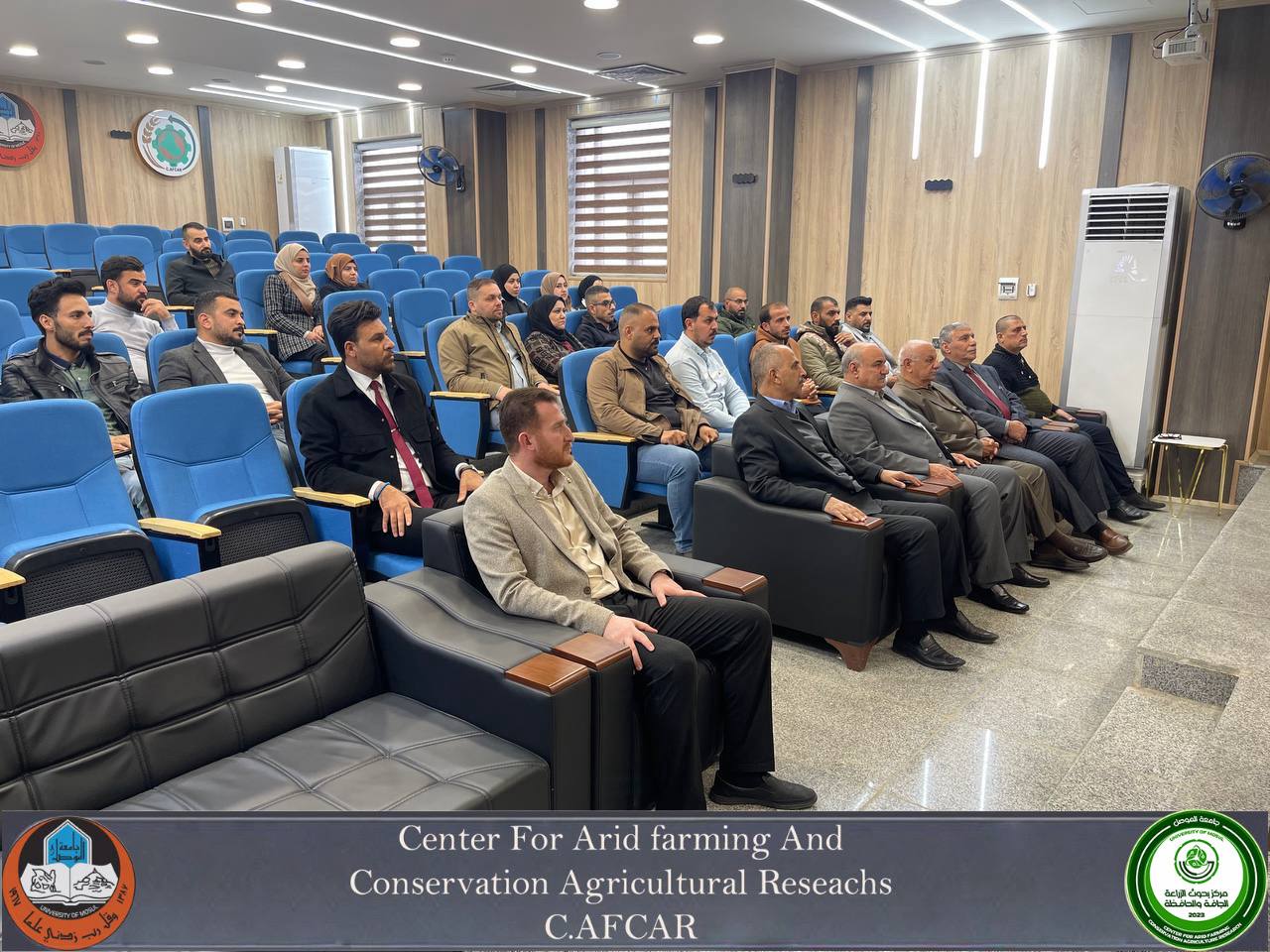
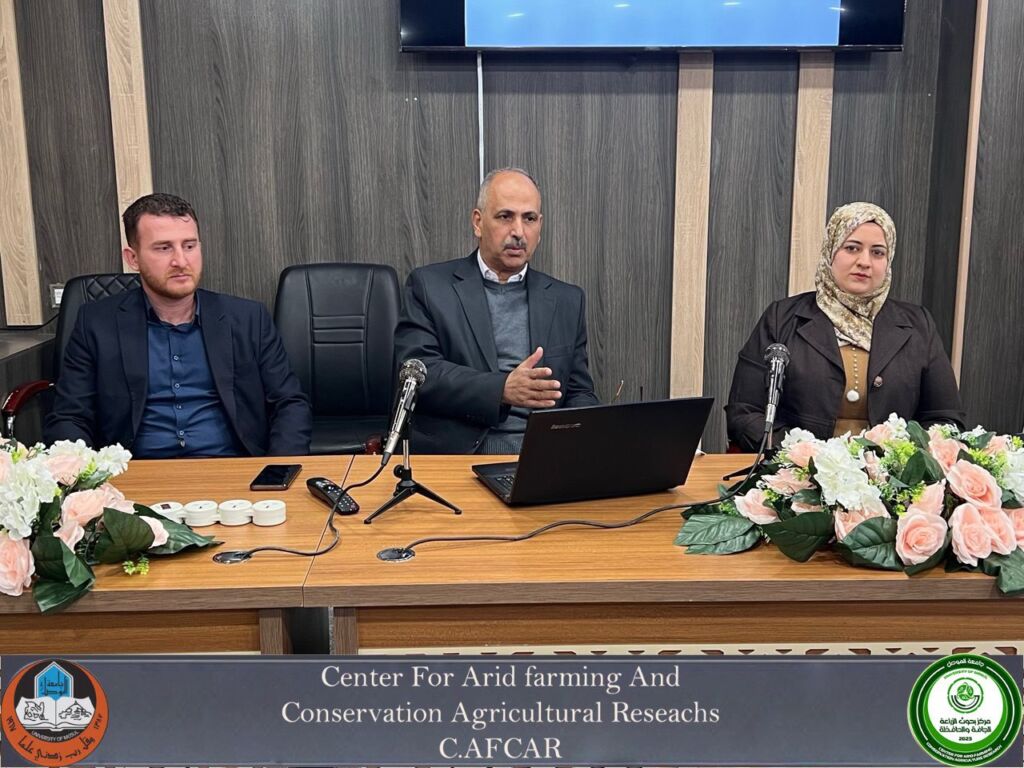
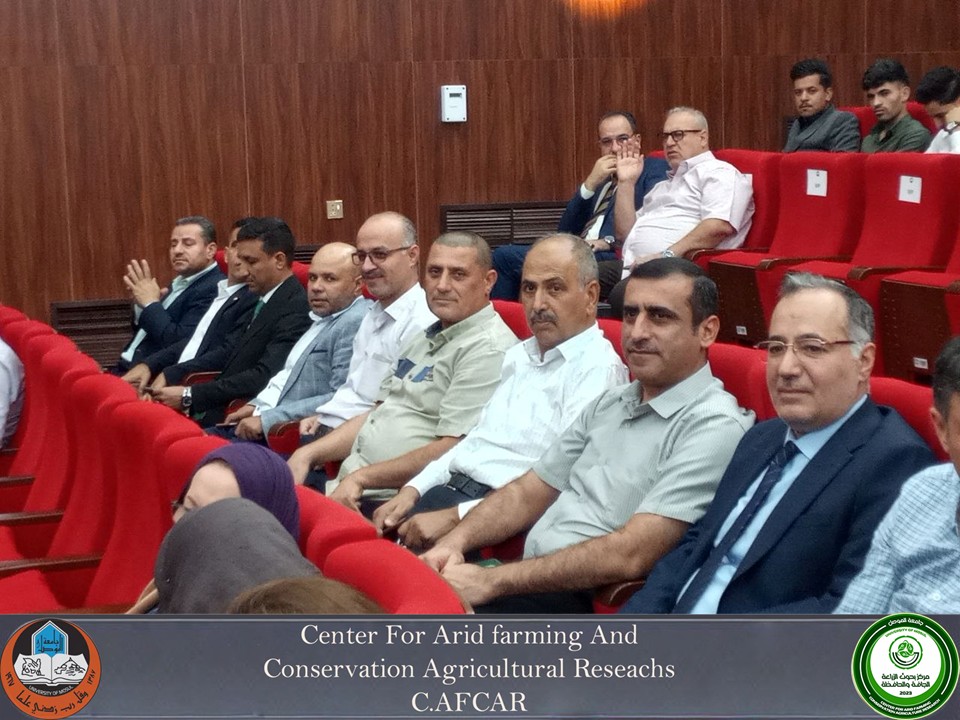
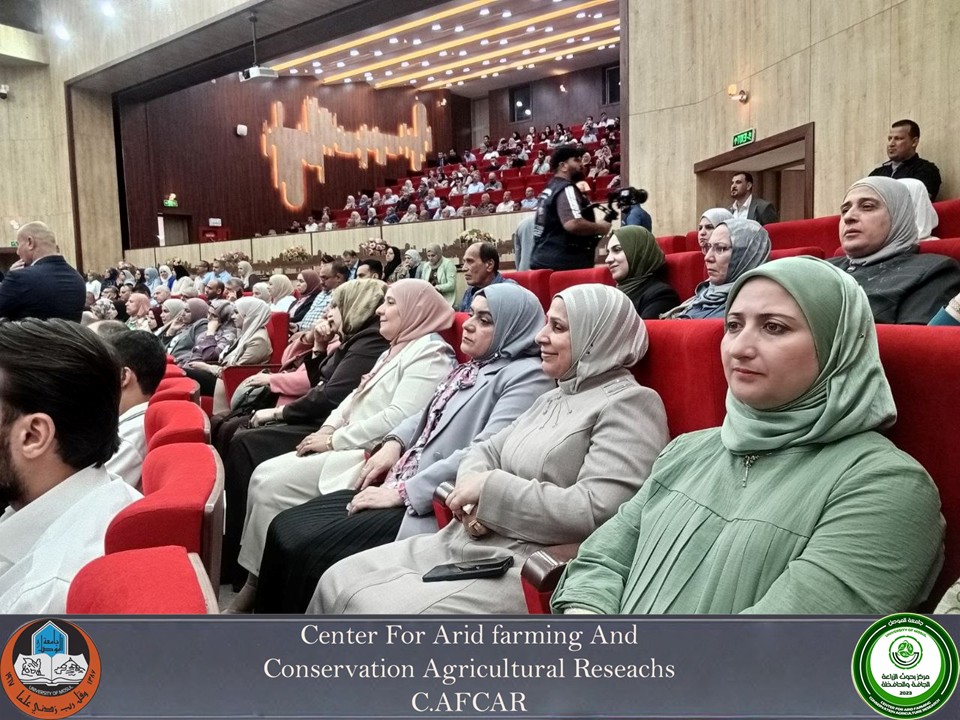
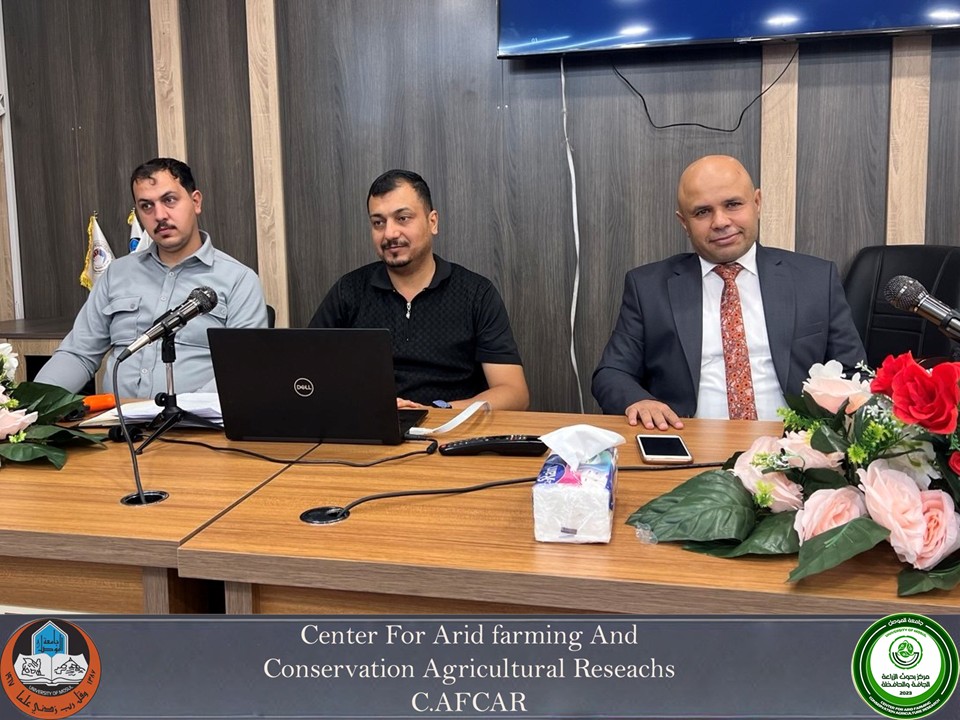
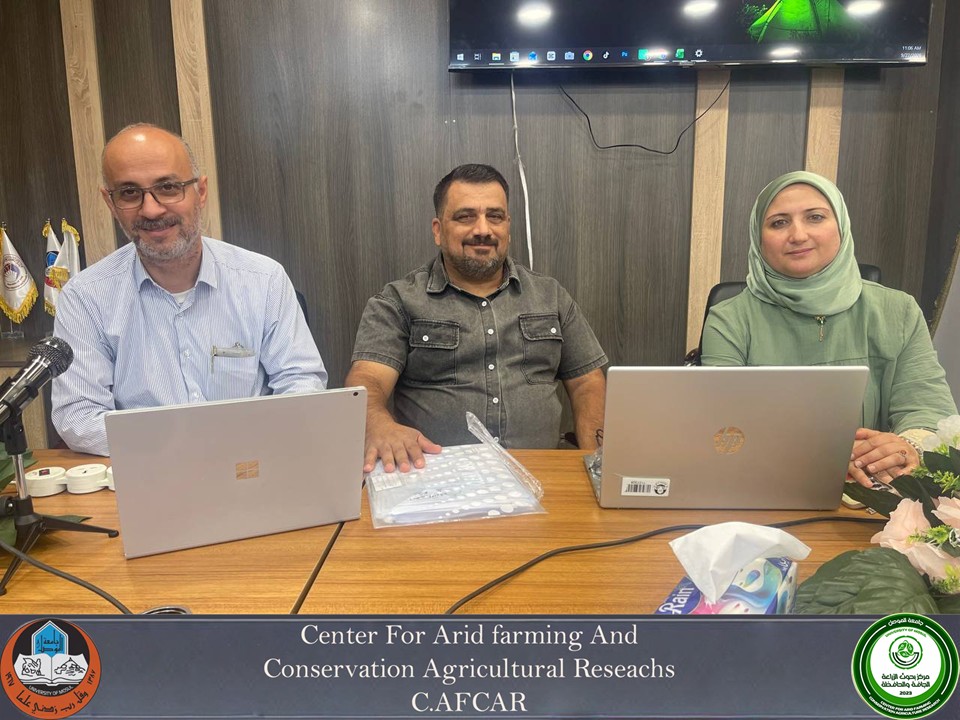
Emphasizing the importance of precise technical management in ensuring the success of rainfed agriculture in northern Iraq, the Center for Arid Farming and Conservation Agriculture Research at University of Mosul organized a scientific workshop on Tuesday, February 24, 2026, in cooperation with the Department of Studies and Planning / Sustainable Development Unit at the University Presidency. The workshop was entitled:
“Improving Wheat Establishment in Rainfed Agriculture – Northern Iraq: An Analytical Study of Excessive Seeding Depth and Sustainable Solutions.”
The workshop highlighted that excessive seeding depth is not merely a minor technical error, but a decisive factor that may lead to poor germination rates, weak seedling vigor, and reduced plant density. These issues directly affect wheat productivity, particularly in rainfed areas characterized by fluctuating rainfall amounts and uneven temporal distribution.
The lectures were delivered by:
-
Professor Dr. Mohammed Subhi Mustafa – Center Director
-
Assistant Professor Dr. Ma’an Mohammed Saleh
-
Assistant Lecturer Ammar Habib Mahmoud
-
Assistant Lecturer Azhar Omar Ali
The presentations addressed the scientific principles for determining optimal seeding depth according to soil type, soil moisture, and planting date. They also reviewed practical and sustainable solutions, including calibration of seeding machinery, proper seedbed preparation, and the adoption of modern conservation agriculture techniques to reduce seed and energy losses while improving resource-use efficiency.
The workshop confirmed that proper control of seeding depth contributes to:
-
Strengthening national food security by increasing wheat productivity.
-
Improving farmers’ income in rainfed regions.
-
Reducing fuel and seed consumption in line with responsible production principles.
-
Enhancing soil moisture retention and improving adaptation to climate change.
The outcomes of this workshop align with several Sustainable Development Goals, particularly Goal 1 (No Poverty), Goal 2 (Zero Hunger), Goal 8 (Decent Work and Economic Growth), Goal 12 (Responsible Consumption and Production), and Goal 13 (Climate Action). This reflects the Center’s research and extension role in supporting sustainable agricultural development, enhancing academic performance, and serving the community.
#University_of_Mosul.
#Center_for_Arid_Farming_and_Conservation_Agriculture_Research’s.
#sustainable_development.