12 September، 2025
Master’s thesis in the College of Basic Education on (Memory in the novel The Second Flood by Fatih Abdel Salam).
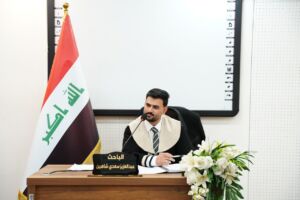
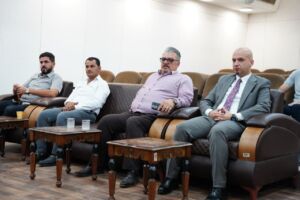
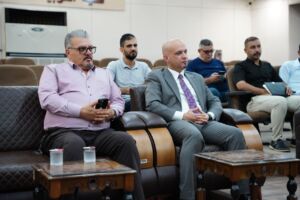
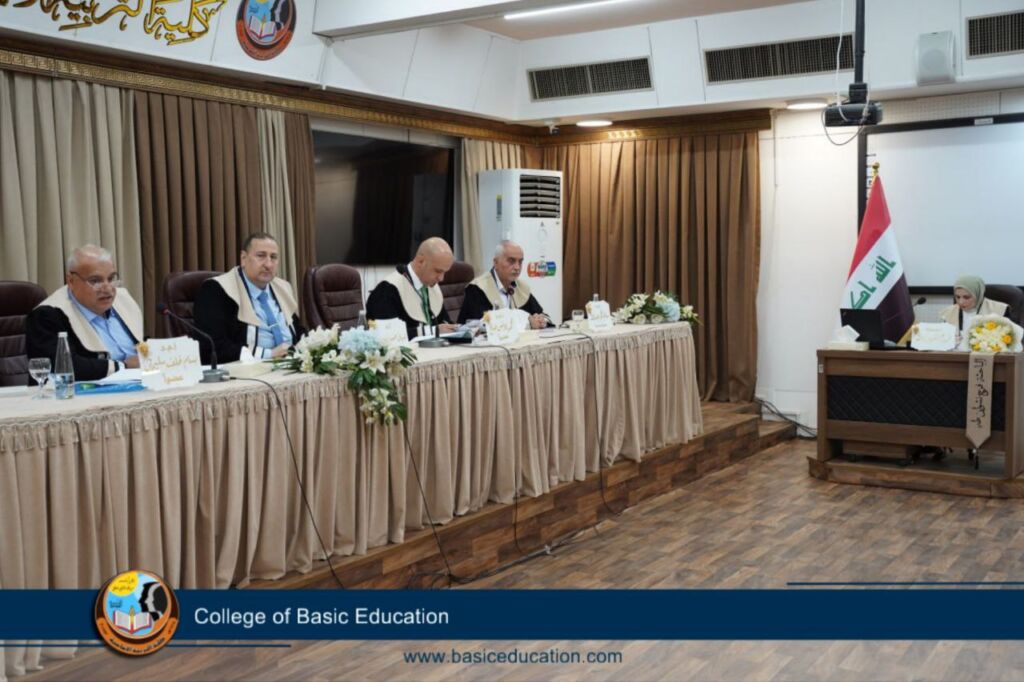
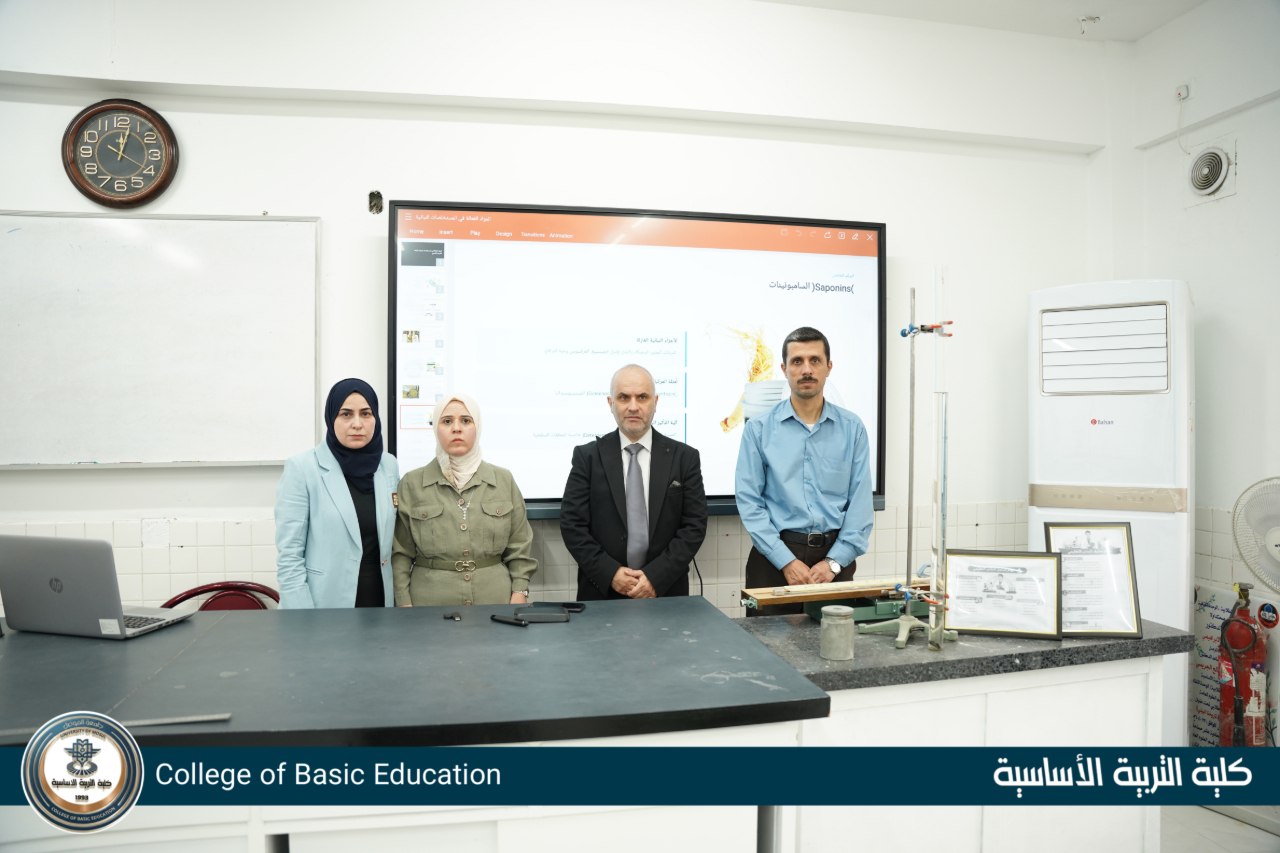
The College of Basic Education at the University of Mosul discussed a master’s thesis on (Memory in the novel The Second Flood by Fateh Abdul Salam), on Thursday, September 11, 2025, in the (Umm Al-Rabi’een) Hall in the college. The Dean of the College, Assistant Professor Dr. Muhammad Yunus Al-Jarisi, the Assistant Dean for Scientific Affairs, Assistant Professor Dr. Ahmed Raad Ibrahim, the Assistant Dean for Administrative Affairs, Dr. Ammar Badr Al-Hilali, and a number of the department’s lecturers attended part of it.
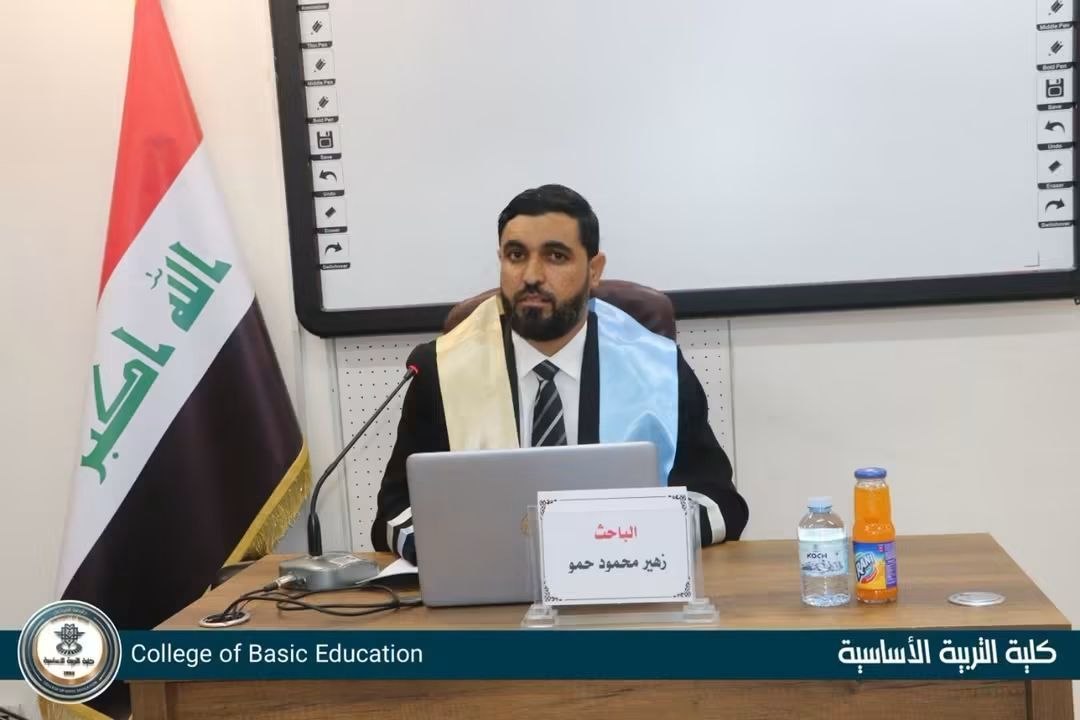
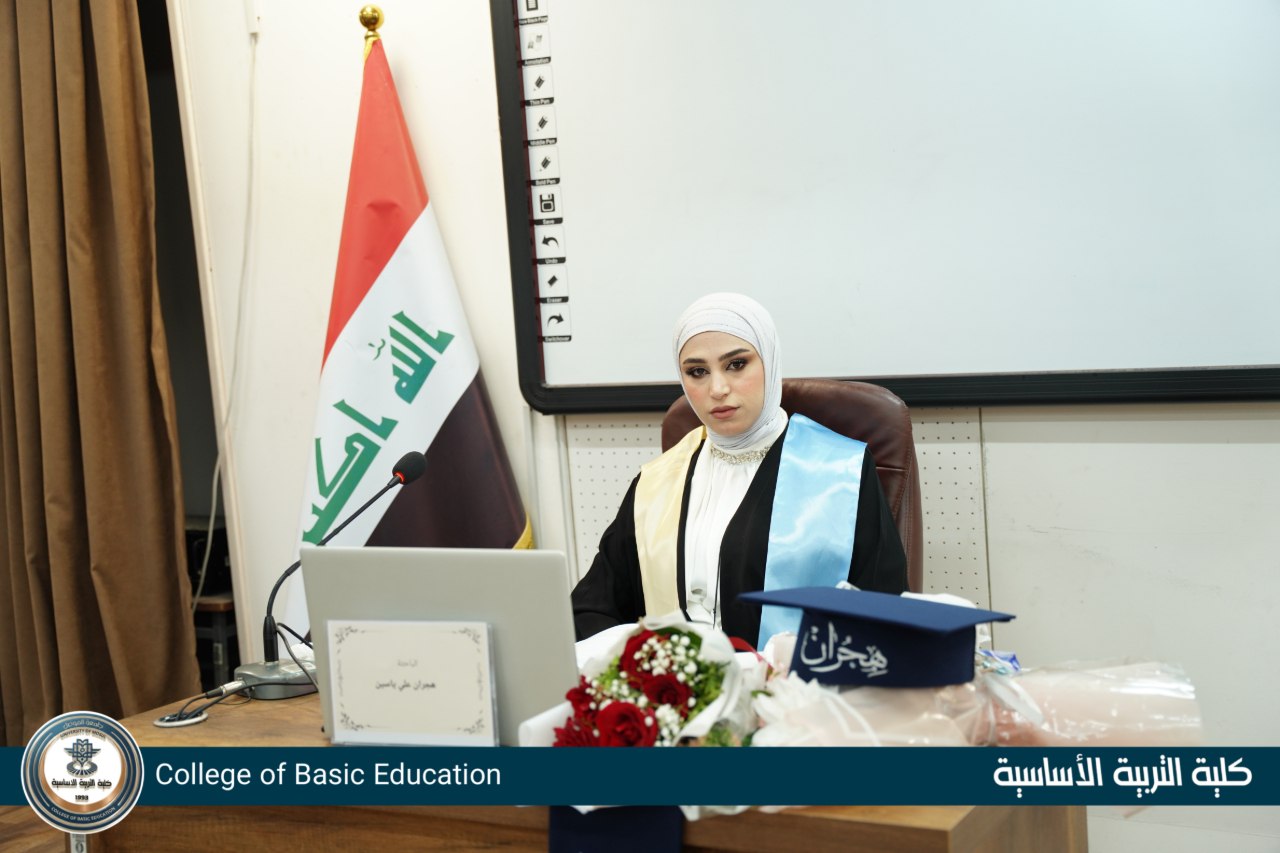
The thesis, presented by the student / (Abdul Aziz Saadi Shaheen) from the Department of (Arabic Language), aimed to (reveal the mechanisms of memory in a contemporary narrative text in which the present intersects with the past in a complex narrative scene that reflects the ruptures and transformations of reality in contemporary Iraqi society).
The study addressed several axes, including: (Stating the methods of this novel’s work on restoring history and its biological and psychological effects, and on highlighting the popular heritage, including its values, beliefs, relationships, and professions, and on depicting the spatiotemporal structure in its tension and intertwining with events, so that memory then becomes a comprehensive framework that explains the Iraqi person’s experience and formulates his cultural identity.
The study reached several results, including: (The employment of memory, especially collective memory, by novelists is a central mechanism in representing and embodying reality, and reconstructing the collective experience. When novelists turn in their narratives to invoking memory or working on it in their creative works, they did not mean it as a technical or artistic choice only, but rather as the deepest and most ideal means of expressing societal issues, embodying its problems, and understanding its historical transformations.
When the novel establishes its structure on memory, it allows the narrative a wide time that enables the novelist to invoke tragedy, internalize transformations, and condemn what is unspoken in Collective awareness is more effective than using the present narrative tense.
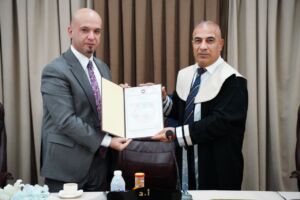
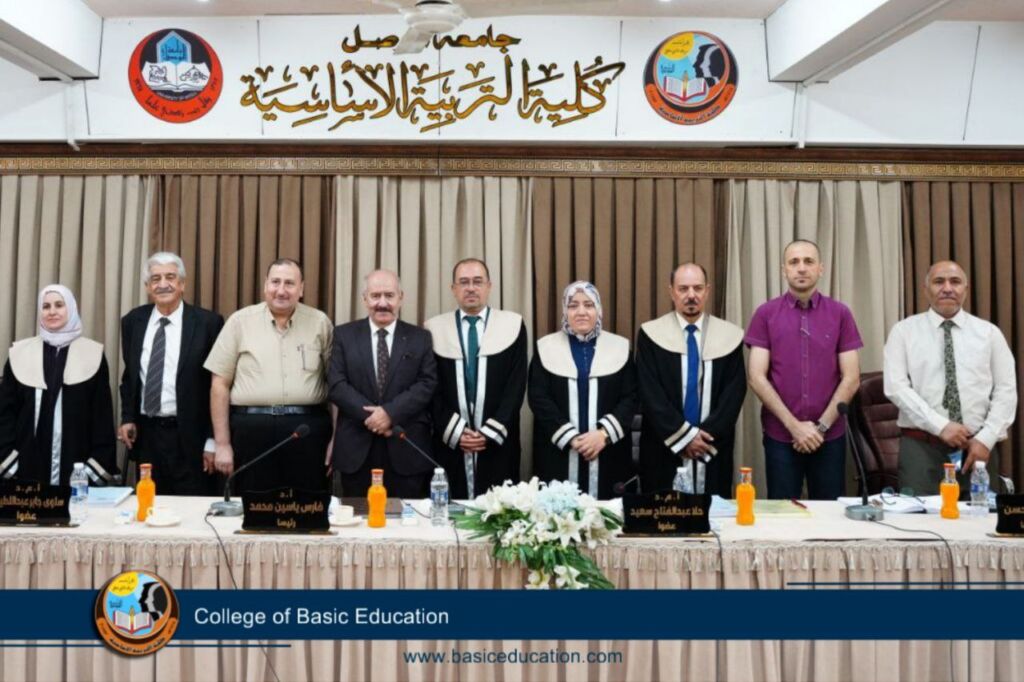
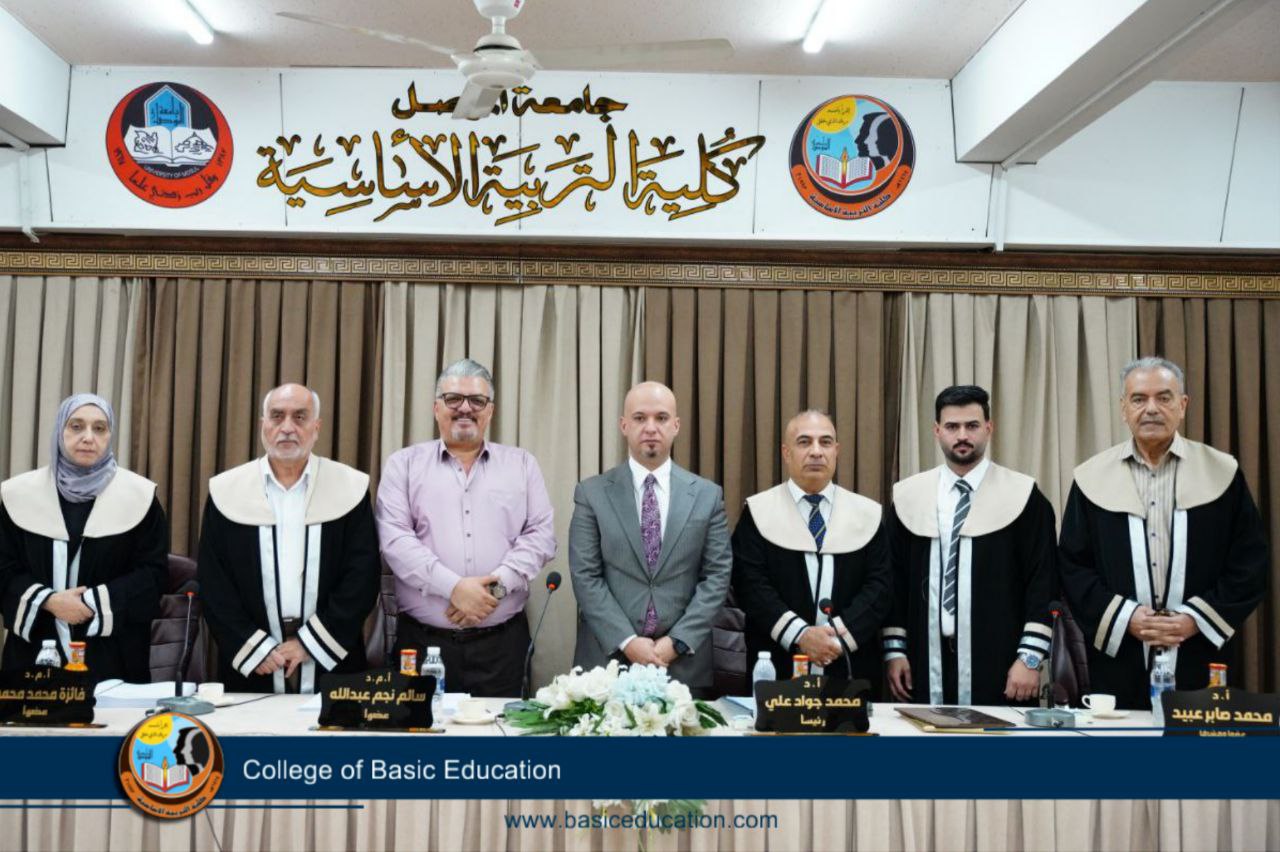
The discussion committee was chaired by Professor Dr. Muhammad Jawad Ali, and included Assistant Professor Dr. Faiza Muhammad Al-Mashhadani, Assistant Professor Dr. Salem Najm Abdullah, and Professor Dr. Muhammad Sabir Obaid as members and supervisors.
Government Media and Communication Division