Department of English Language
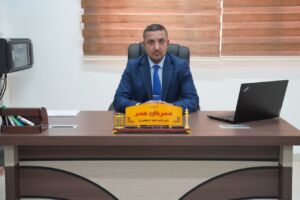
Assistant Professor Dr. Omar Daoud Omar
Head of Department
The English Department at the College of Education was established in 1993 and awards a Bachelor of Education in English Language. The department aims to prepare competent English language teachers equipped with essential linguistic and pedagogical skills to teach in basic education schools. It emphasizes developing students’ professional and research competencies through training in academic research, familiarizing them with modern linguistic theories, and enhancing their abilities in speaking, communication, expression, and correct pronunciation.
The department is committed to developing students’ teaching capabilities by organizing academic seminars, encouraging the publication of scientific research, and strengthening academic cooperation with peer departments both within Iraq and internationally. The department also plays an active role in community service by collaborating with the Directorate General of Education and participating in field visits organized by the college.
To expand educational opportunities, an evening study program was introduced in the academic year 2017–2018 to meet the needs of students from various backgrounds.
The department comprises 29 faculty members, including 7 PhD holders and 22 with Master’s degrees. Among them, 2 hold the title of Professor, 7 are Associate Professors, 13 are Lecturers, and 7 are Assistant Lecturers.
As for postgraduate studies, the Master’s program in Linguistics was first launched in the academic year 2003–2004. After a temporary suspension, it was resumed in 2018–2019. The program grants a Master’s degree in Linguistics and English as a Foreign Language. For the academic year 2024–2025, there are 7 students enrolled in the coursework stage and 2 female students in the thesis-writing stage.
Concerning undergraduate students for the academic year 2024–2025, the distribution is as follows:
- First-year: 95 morning students and 215 evening students
- Second-year: 229 morning students and 264 evening students
- Third-year: 380 morning students and 120 evening students
- Fourth-year: 395 morning students and 140 evening students
Academic and Administrative Committees in the Department:
The English Department includes several active committees responsible for various academic, educational, and administrative duties. These include:
- Scientific Committee: Responsible for reviewing and developing curricula, evaluating graduation projects, and organizing seminars and research activities within the department.
- Postgraduate Studies Committee: Supervises postgraduate programs, monitors students’ academic progress, assists in assigning academic supervisors, and reviews theses and dissertations.
- Examination Committee (Morning and Evening Studies): Manages all aspects of the examination process, from schedule preparation to grading and result announcements, ensuring accuracy, confidentiality, and academic fairness.
- Quality Assurance and Performance Evaluation Committee: Monitors the implementation of comprehensive quality standards, evaluates academic and administrative performance, and submits regular development reports.
- Continuing Education Committee: Organizes academic workshops and training courses aimed at enhancing the skills of both faculty members and students, and promoting engagement with the local community.
- Academic Counseling Committee: Provides academic and psychological support to students and addresses challenges they may face throughout their academic journey.
- Dormitory Affairs Committee: Follows up on the conditions of students residing in dormitories and works to meet their needs and overcome daily and academic challenges.
- Program Accreditation Committee: Documents and completes academic accreditation requirements for educational programs in line with the standards of the Ministry of Higher Education and Scientific Research, and prepares the necessary reports.
- Practical Training Committee: Oversees field training for students in schools, evaluates their teaching performance, and ensures ongoing support and supervision in coordination with educational supervisors.