4 April، 2022
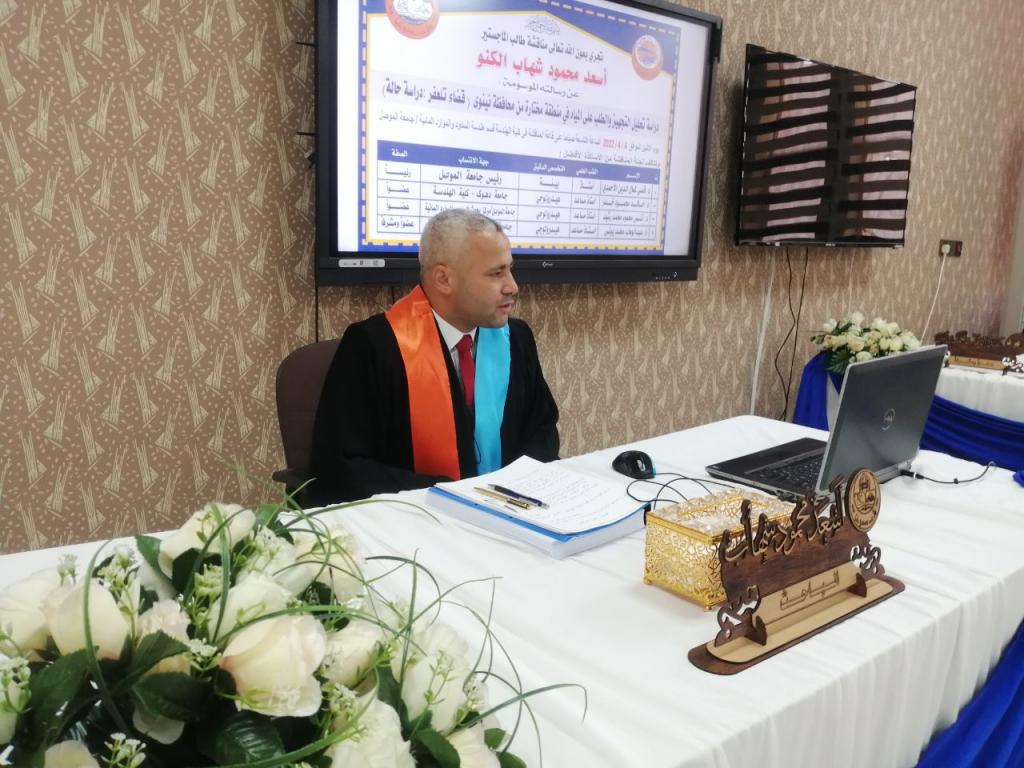
Master Thesis on “A Study of water supply and demand analysis in a selected area of Nineveh Governorate (Tal-Afar District: a case study)”
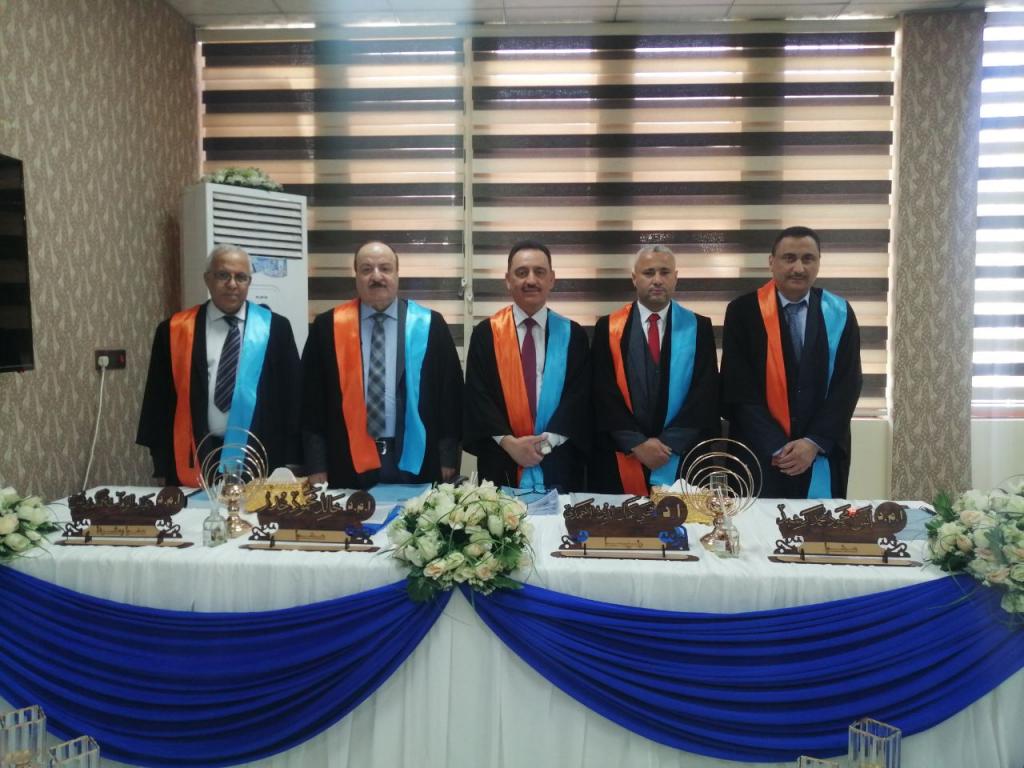
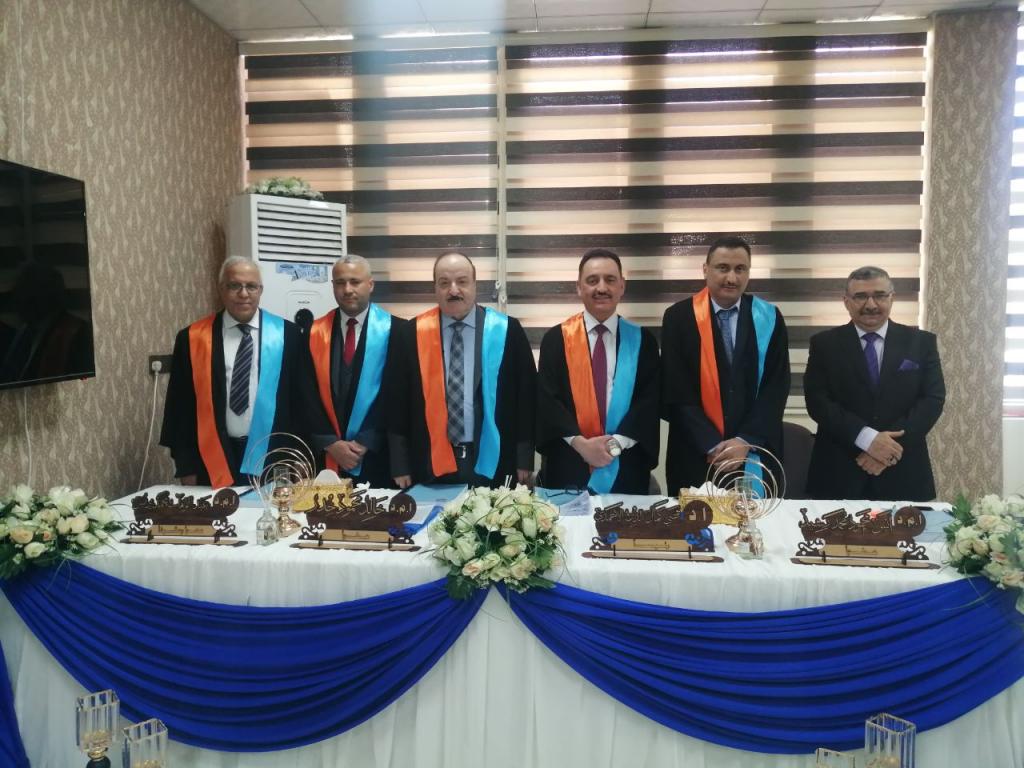
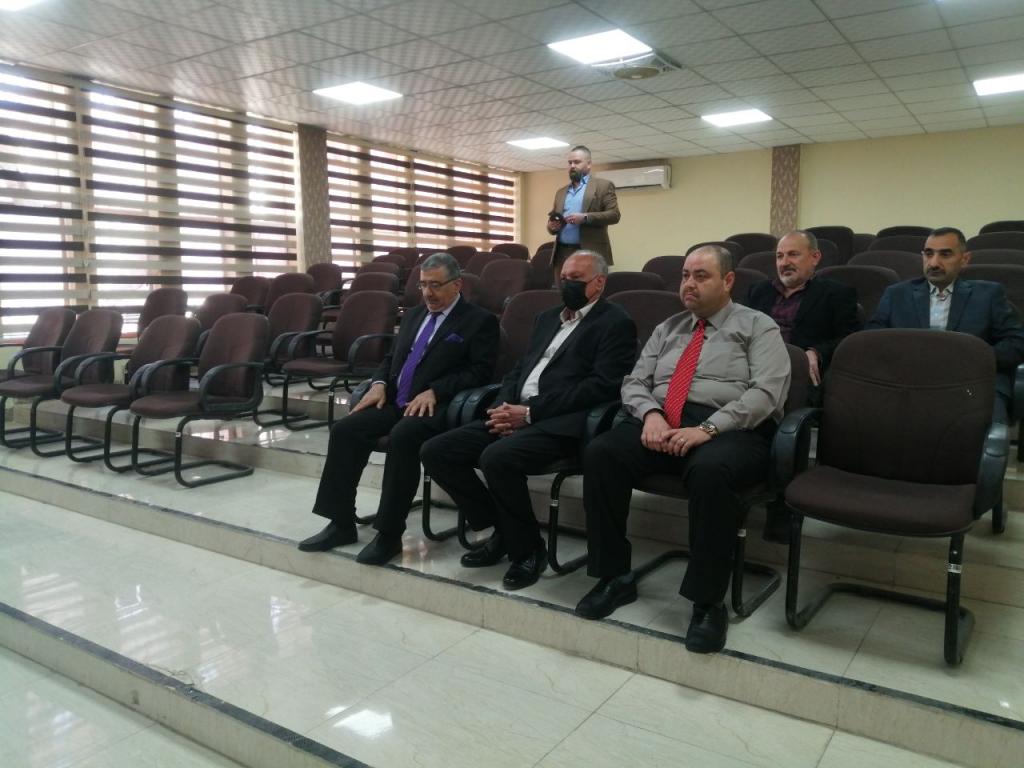
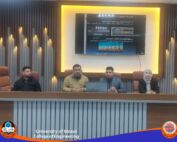
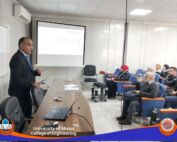
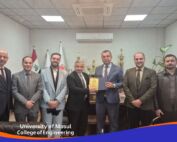
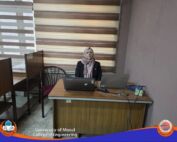
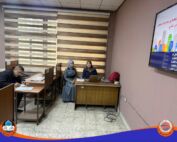
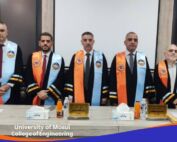
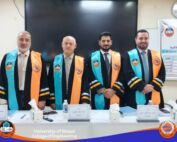
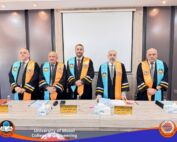
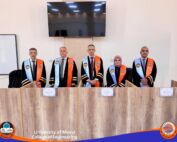
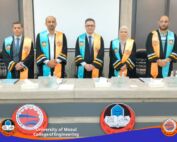
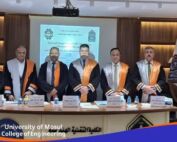
A master thesis was discussed in Department of Dams and Water Resources Engineering / College of Engineering at University of Mosul entitled “A Study of water supply and demand analysis in a selected area of Nineveh Governorate (Tal-Afar District: a case study)” submitted by (Asaad Mahmoud Shehab Hamed), Supervised by Assist. Prof. Dr. Abdulwahab Mohammad Younis on Monday, April 04, 2022.The study was conducted using modern techniques in the engineering fields represented by the GIS program that specializes in spatial data analysis, creating digital models, and generating additional data, as well as using CROPWAT 8 model to calculate the water needs of irrigated crops based on climatic data, in addition to using the Scenarios model which serves as a warning tool for what will happen in the future according to the proposed and expected scenarios.The results showed that the main source of water supply in the study area for the municipal sector is the public water network, which is supplied with water from Tigris River, 93% of the total municipal water supply, and 7% of groundwater supply. As for the supply of water for the agricultural sector, it comes from the Al-Jazeera North Irrigation Project, which draws its water from the Tigris River, at a rate of 85% of the total supply of the agricultural sector, and 15% is from the supply of groundwater.The results also showed that the demand for water for the municipal sector in Tal-Afar Center accounts for more than 83.5% of the total demand, followed by the agricultural sector, with a rate of 15.2% of the total demand, and the demand for water for livestock comes in the third place and accounts for less than 1.3% of the total demand Aggregate demand, while in Al-Aydiya, the agricultural demand recorded 67.24% of the total demand, and the municipal demand recorded 30.2% of the total demand, followed by the livestock sector, which scored 2.56% of the total demand, and in Zummar, the agricultural sector recorded 63.55% of the demand total, and 33.9% for the municipal sector, while the livestock sector recorded 2.55% of the total demand. In Rabia, the largest share was for the agricultural sector, which recorded 95.85% of the total demand, 3.5% for the municipal sector, and 0.65% for livestock.The results showed that the water gap of the municipal sector is absent in Tal-Afar Center, recording a surplus of 12.5 MCM, then it appears in Zummar, Al-Aydiya, and Rabia, and it records a supply deficit of (0.67,3.35,3.59) MCM, respectively, and its value is more severe in Zummar and Al-Aydiya. The water gap of the agricultural sector recorded a surplus of equipment in Tal-Afar Center and Zummar of (12.39, 0.88) MCM respectively due to the limited irrigated agricultural area, while a significant shortage was recorded in both Rabia and Al-Aydiya of (10.2,62.67) MCM respectively and this shortage is being addressed.