16 October، 2025
University of Mosul – College of Engineering Holds a Scientific Symposium on “Water Scarcity in Nineveh: Reality, Challenges, and Sustainable Solutions”
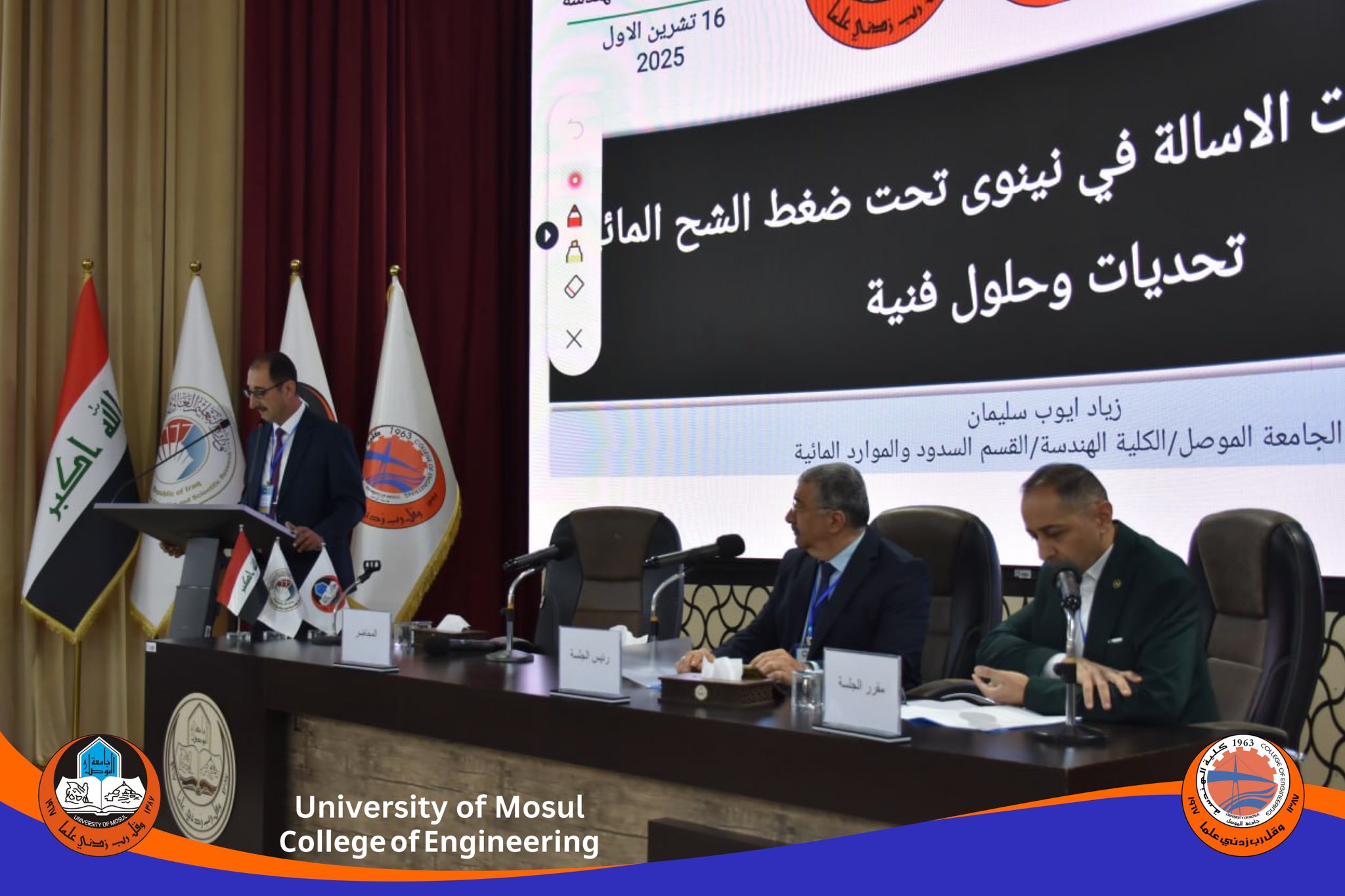
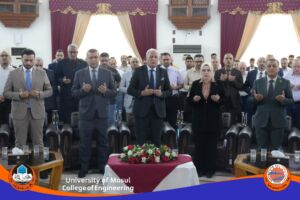
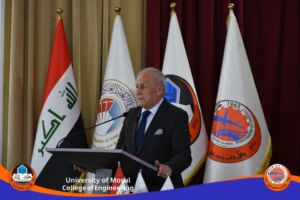
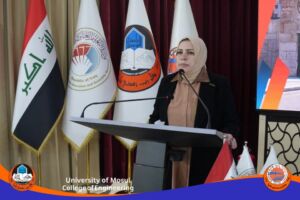
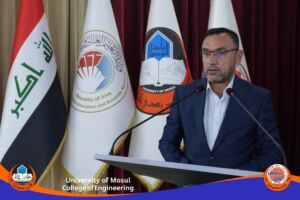
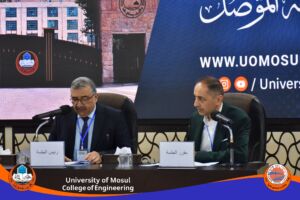
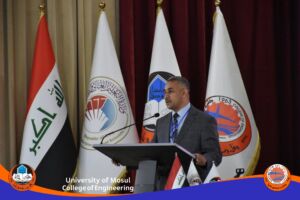
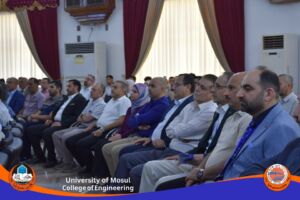
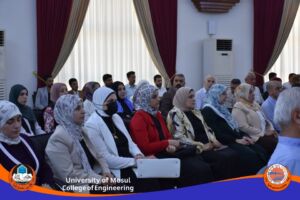
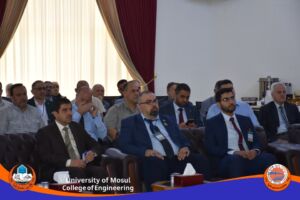
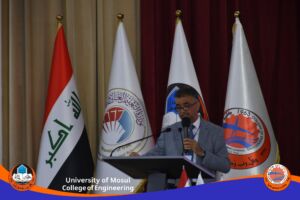
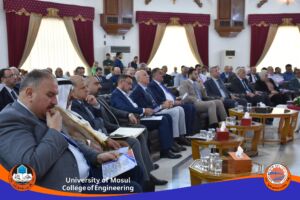
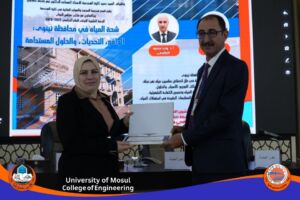
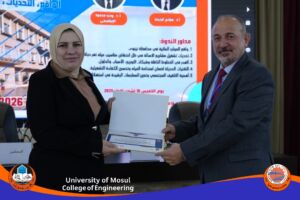
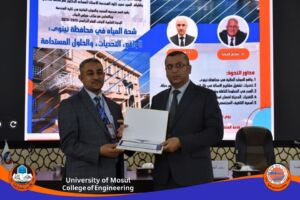
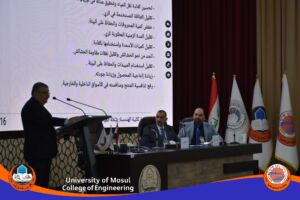
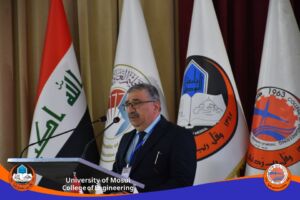
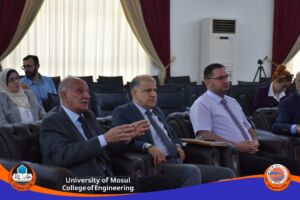
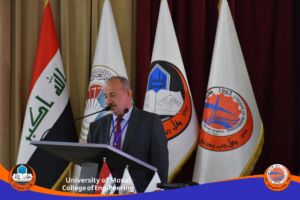
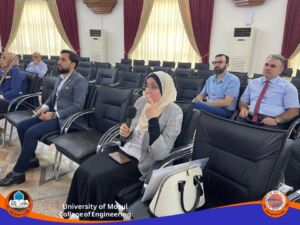
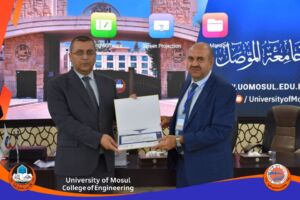
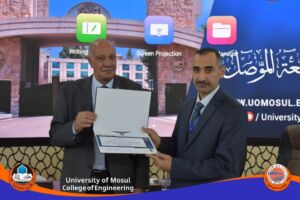
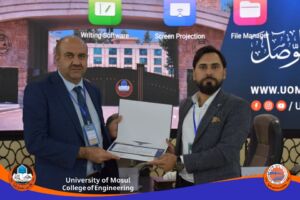
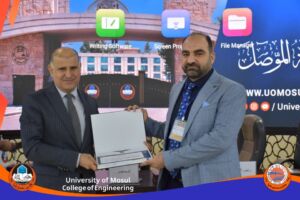
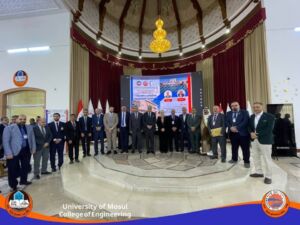
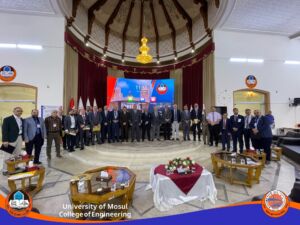
Under the patronage of Professor Dr. Waheed Mahmood Al-Ibrahimi, President of University of Mosul, and supervision of Assistant Professor Dr. Omar Mohammed Hamdoon, Dean of College of Engineering, Department of Dams and Water Resources Engineering, in cooperation with the Office of the Iraqi Parliament in Nineveh, organized its first scientific symposium for the academic year 2025–2026 entitled “Water Scarcity in Nineveh: Reality, Challenges, and Sustainable Solutions.” The event was held on Thursday, October 16, 2025, at the Scientific and Literary Forum Hall of the University of Mosul.
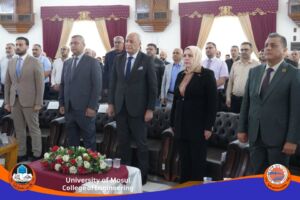
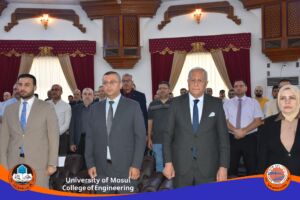
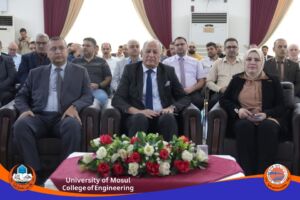
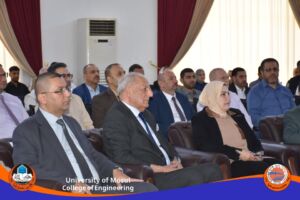
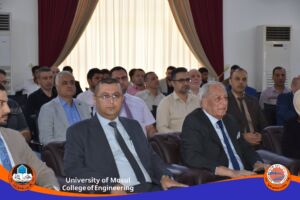
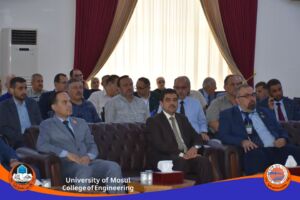
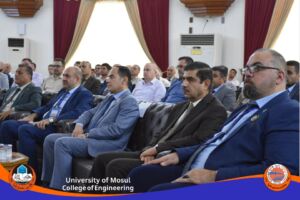
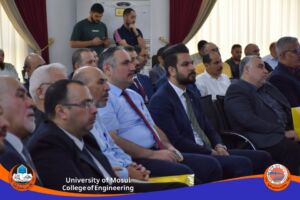
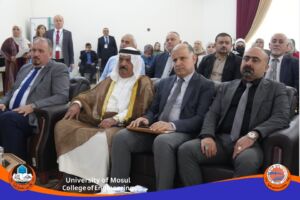
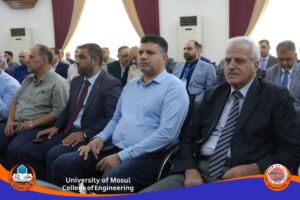
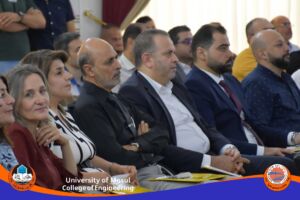
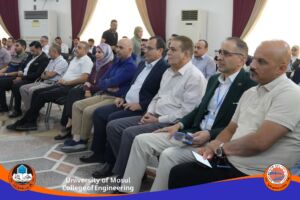
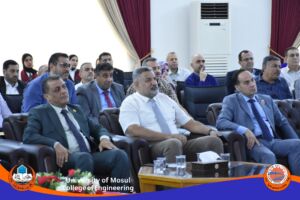
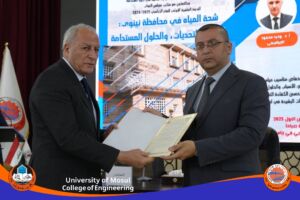
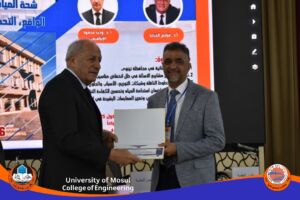
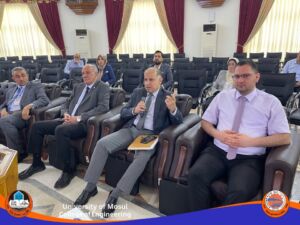
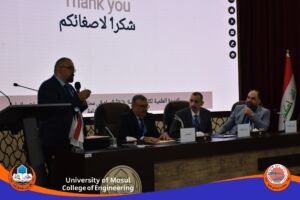
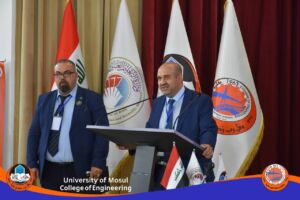
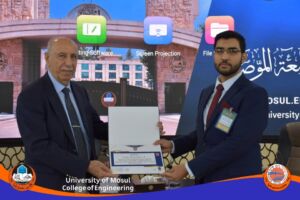
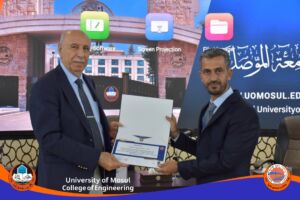
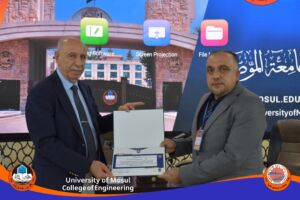
The symposium was attended by Professor Dr. Mazahim Al-Khayat, Chairman of the Parliamentary Education Committee; Assistant Professor Dr. Rafal Hasan Hamed, Assistant President of the University for Administrative Affairs; Assistant Professor Dr. Omar Mohammed Hamdoon, Dean of the College of Engineering; Engineer Moayad Sadiq Elias, Director of Nineveh Water Department; along with faculty members, officials of service departments, and representatives of the Agricultural Associations and Parliament Office in Nineveh.
The symposium aimed to highlight the main challenges facing water resource management in Nineveh Governorate, particularly the decline in Tigris River levels and its impact on irrigation and drinking water projects. It also discussed causes of water loss in transmission and distribution networks, proposed technical and engineering solutions, and emphasized the importance of water conservation awareness and institutional collaboration to achieve sustainable water security.
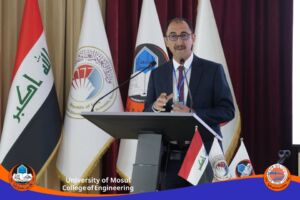
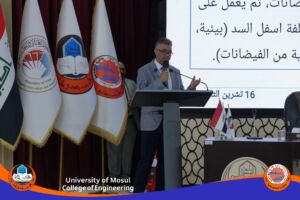
The sessions included scientific presentations on water treatment, operational challenges in water stations, the impact of Mosul Dam’s water levels, rainwater harvesting, and the application of IoT technologies to improve irrigation efficiency.
Key recommendations included adapting water intake structures to low river levels, enhancing network efficiency, establishing emergency water plans, developing AI-based water management systems, negotiating stable water policies with neighboring countries, promoting modern irrigation methods, sustainable groundwater use, and adopting rainwater harvesting as a national water security strategy.