26 May، 2025
legal article
The Role of Educational Institutions in Combating Intellectual Extremism
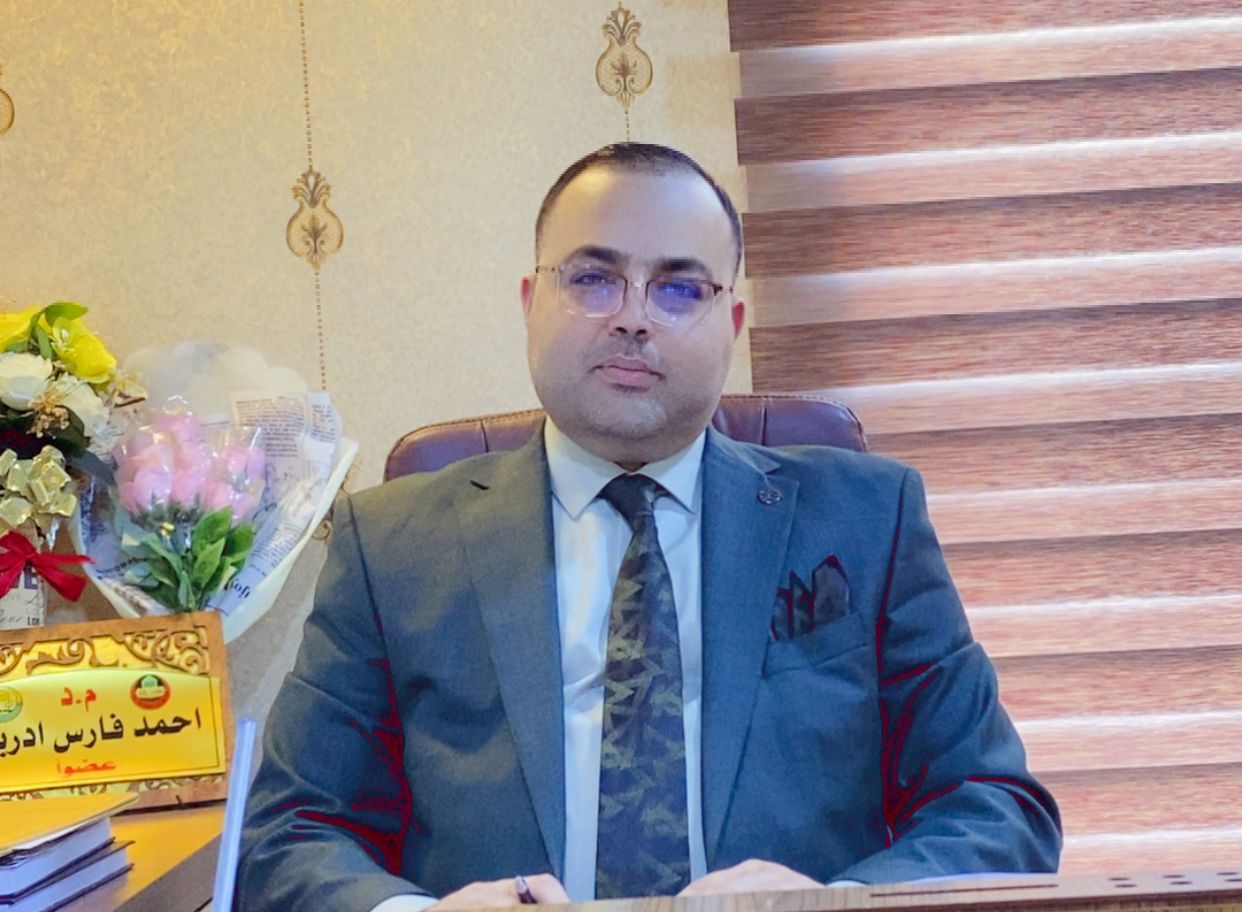
A specialized legal article by Dr. Ahmed Faris Idris –
University of Mosul – College of Law
Intellectual extremism represents one of the most prominent challenges facing modern societies, especially those emerging from security crises and armed conflicts, such as the case in Nineveh Governorate. Comparative experiences have proven that educational institutions, particularly universities, play a pivotal role in protecting societies from this phenomenon by spreading legal awareness, strengthening the principles of citizenship, and promoting a culture of pluralism and moderation. Based on legal and ethical responsibility, these institutions assume a preventive and educational role in addressing the roots of extremism before it transforms into aggressive behavior that threatens security and societal peace. Therefore, we will outline the legal framework for the role of educational institutions in combating extremism. National constitutions and legislation in most countries, including the Iraqi Constitution of 2005, guarantee the right to education. Article 34 of the Constitution holds the state responsible for ensuring an educational environment free from discrimination and intellectual violence. International conventions, such as the International Covenant on Civil and Political Rights, also stipulate that education should aim to promote understanding, tolerance, Friendship between nations and religious or ethnic groups.
In this context, educational institutions are considered part of the national legal system in the field of crime prevention, particularly terrorism crimes, through soft tools related to shaping awareness and disseminating a culture of law. The responsibility of educational institutions in building legal awareness falls on universities, colleges, and institutes, through their central role in:
1. Spreading constitutional awareness among students by teaching subjects related to rights, freedoms, and duties, which contributes to shaping a generation aware of its legal limits and prevents it from falling prey to extremist rhetoric.
2. Incorporating the concepts of international humanitarian law, human rights, freedom of thought, and the values of tolerance into curricula. These concepts strengthen students’ immunity against exclusionary thought.
3. Encouraging scientific research on issues of extremism through master’s and doctoral theses that address the legal, social, and political factors leading to extremism.
4. Organizing legal workshops and seminars that address crimes associated with extremist ideology, the limits of freedom of expression, and the responsibility of individuals in confronting hate speech.
5. Providing students with tools for discussion and dialogue, enabling them to express their ideas without resorting to violence while respecting the opinions of others within the framework of the law.
There must be integration between educational institutions and legal institutions. The role of educational institutions should not be limited to the university campus, but rather should be integrated with…
• The judiciary: through establishing knowledge partnerships and joint seminars on extremism and its legal dangers.
• Law enforcement agencies to assist in formulating preventative programs targeting youth.
• Civil society organizations to implement legal awareness campaigns targeting areas affected by extremist ideology.
Finally, we highlight the most important legal recommendations:
1. Amend educational legislation to oblige institutions to integrate concepts of peace and the rule of law into curricula.
2. Establish university legal centers specialized in monitoring and analyzing extremist discourse and linking them to decision-making bodies.
3. Involve academics in developing national policies to combat extremism through joint legal and intellectual committees.
4. The role of educational institutions, especially universities, in combating intellectual extremism is not just an educational mission, but rather a legal and moral obligation towards society. In Nineveh Governorate, which has suffered from the consequences of extremist ideology, activating this role constitutes a fundamental step in the process of rebuilding civil peace and instilling a culture of human rights and law enforcement. From this standpoint, academics and decision-makers must cooperate to establish an educational system that is resistant to extremism and that establishes a more just and stable society.