20 May، 2026
Shadow Nets: When the Mobile Phone Becomes a Tool of Blackmail.
In an era where smartphones have become an inseparable part of daily life, the danger is no longer limited to theft or conventional hacking. A more dangerous and influential threat has emerged in the form of cyber extortion. This modern crime exploits victims’ personal photos, private information, and digital privacy to subject them to psychological and financial coercion. It often begins with a simple act of trust and may ultimately lead to severe social and psychological consequences.
Cybercriminals rely on various methods, including fake accounts, malicious links, and deceptive online relationships established through social media platforms. Once the offender gains access to a private image or confidential information, a cycle of threats begins, often involving demands for money, coercion into illegal activities, or threats to publish sensitive content before family members and society. More alarmingly, many victims choose silence out of fear of social stigma, thereby granting perpetrators greater power to continue their criminal activities.
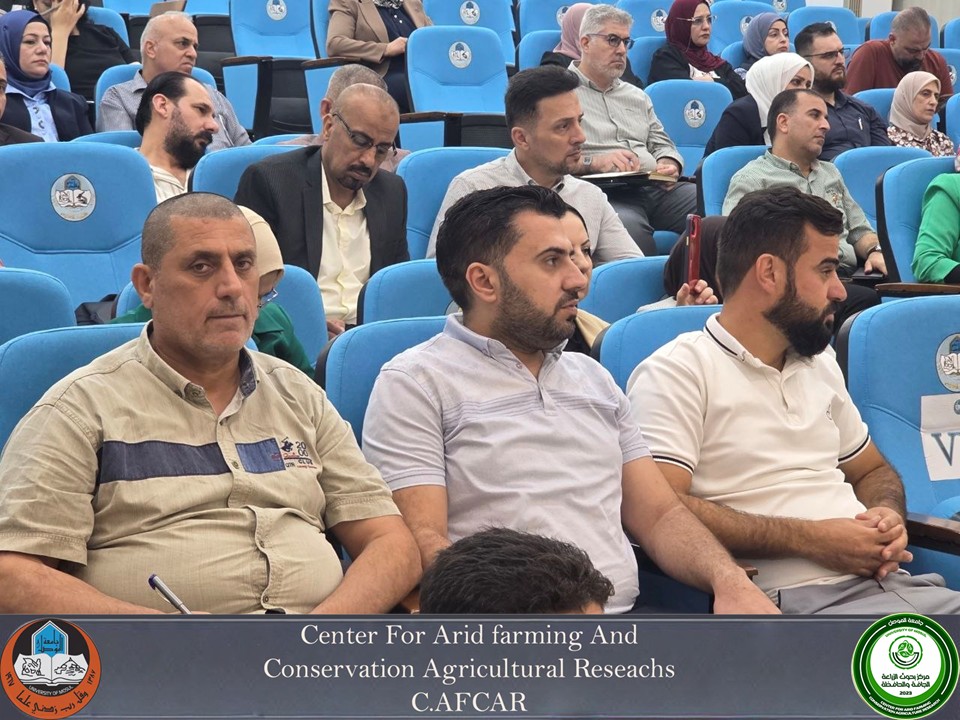
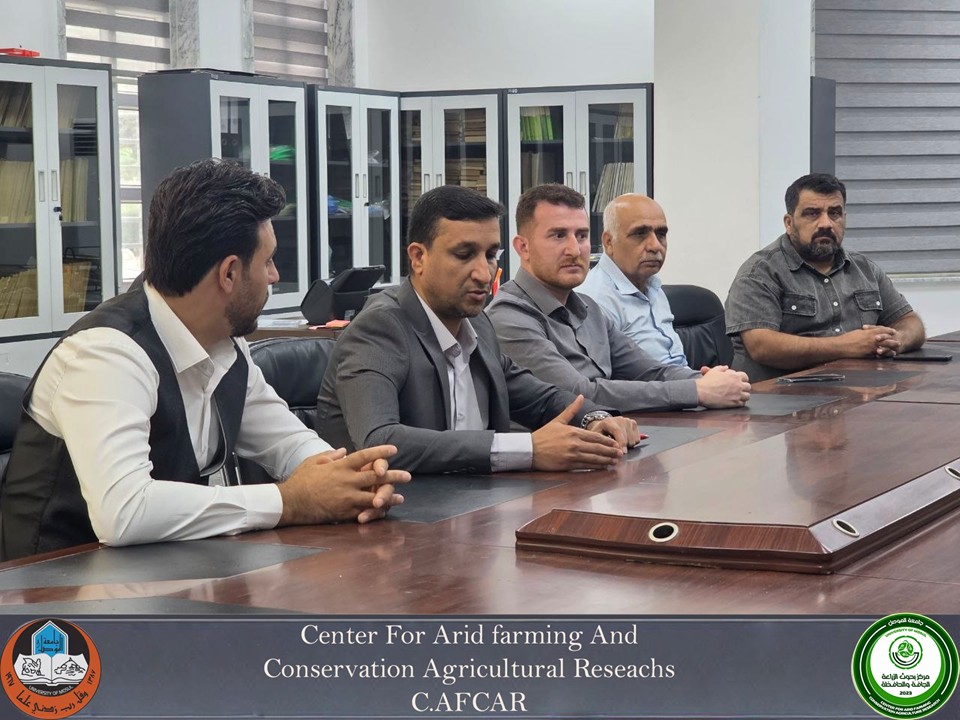
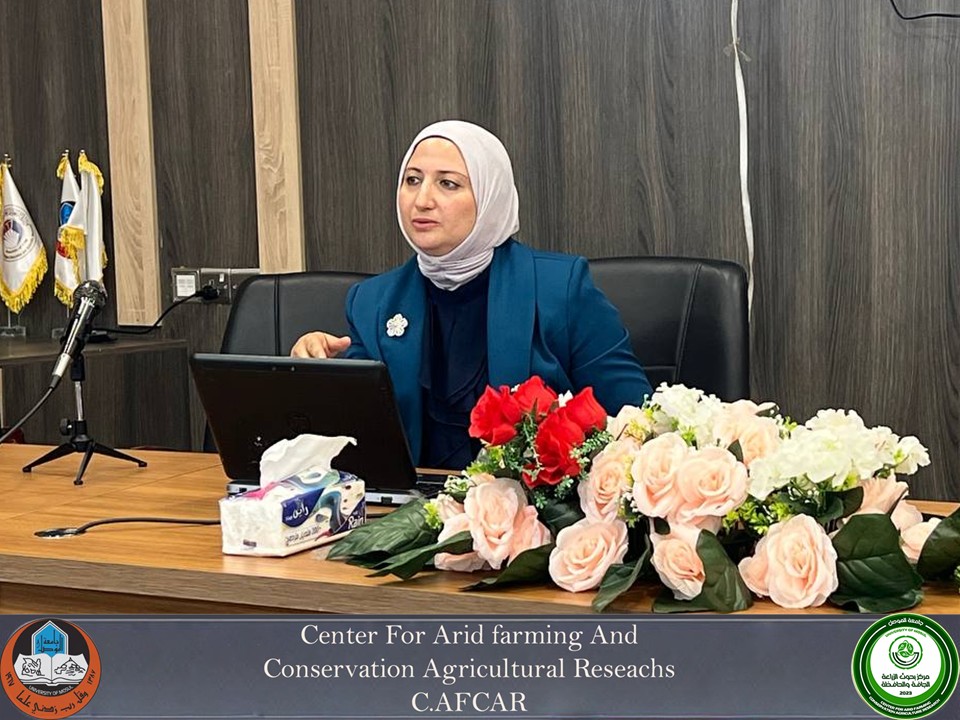
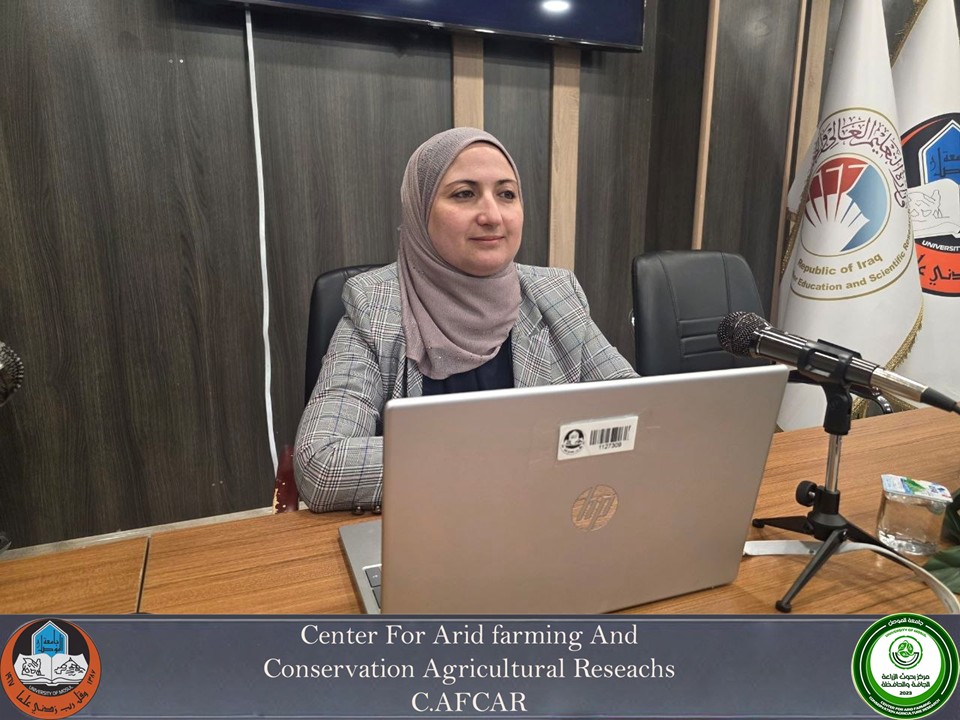
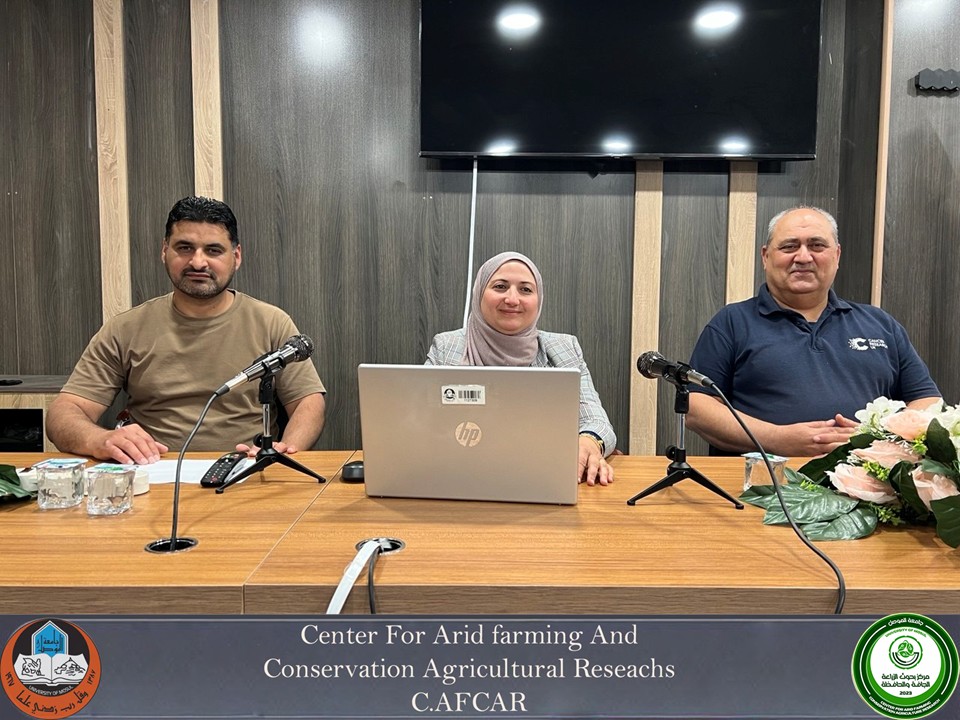
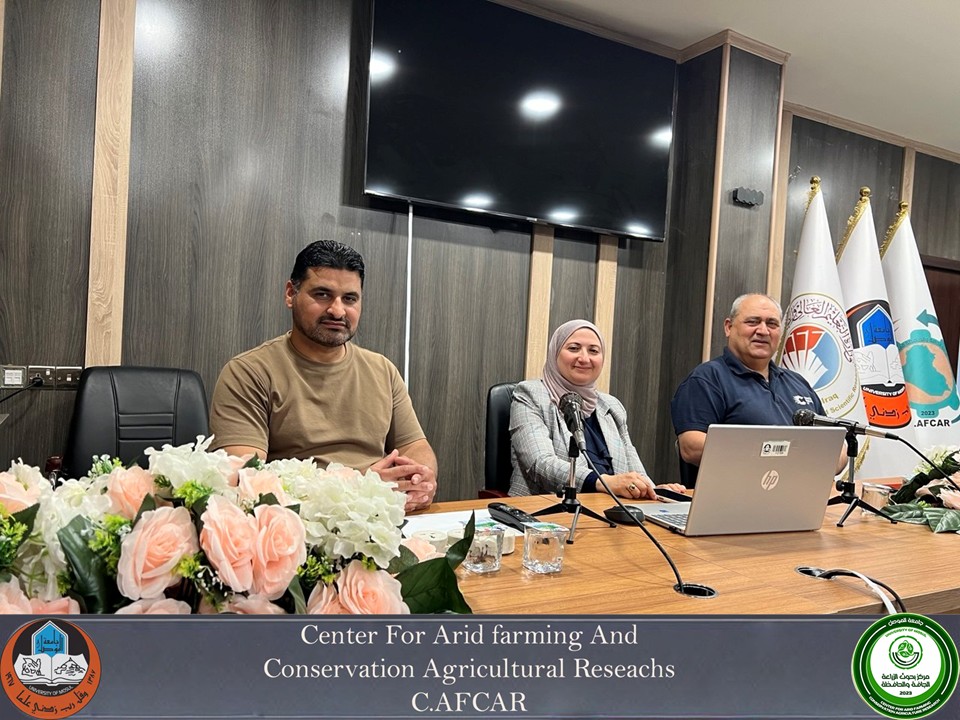
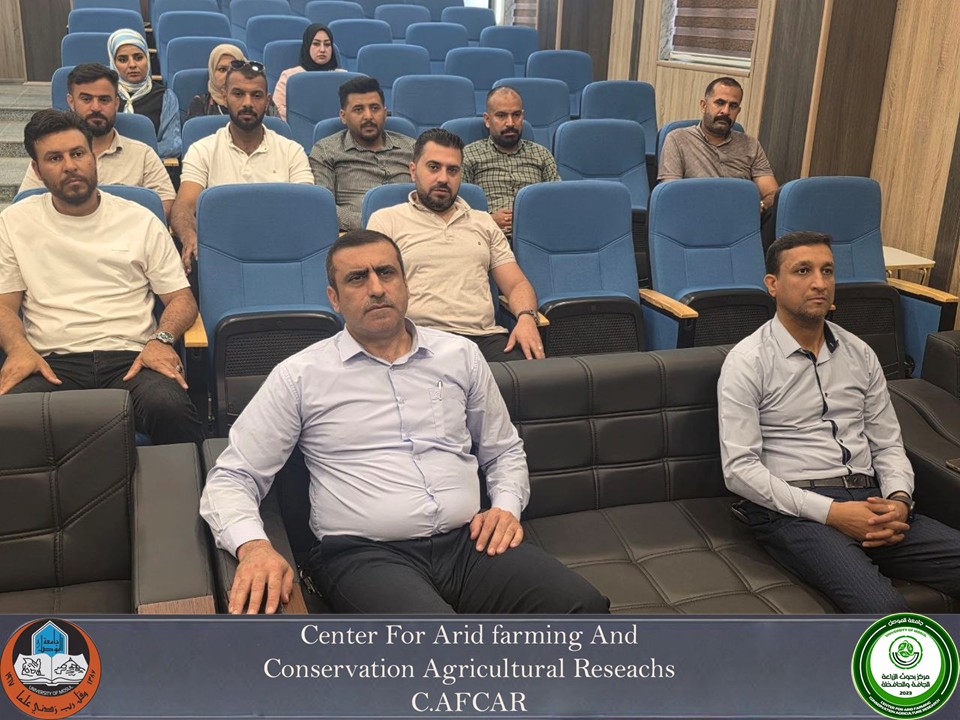
Given the significance of this issue, the Center for Arid Farming and Conservation Agriculture Research organized a workshop entitled “Cyber Extortion.” The workshop was held under the patronage of Professor Dr. Waheed Mahmoud Al-Ibrahimi, Chancellor of the University of Mosul, and under the supervision of Professor Dr. Mohammed Subhi Mustafa Al-Taweel, Director of the Center, in cooperation with the Department of Studies and Planning / Sustainable Development Unit at the University Presidency, on Tuesday, 19 May 2026. The workshop lectures were delivered by Assistant Lecturer Nada Younis Taher, Assistant Chief Agricultural Engineers Belend Mohiuddin Al-Yousifi, and Agricultural Engineer Dilshad Ibrahim Izzo.
Cyber extortion does not target a specific group; rather, it affects young men and women, children, and even business owners. Rapid technological advancement and the widespread accessibility of the internet have contributed significantly to the increasing spread of such crimes, particularly in light of insufficient digital awareness among some users.
To confront this phenomenon, specialists emphasized the importance of refraining from sharing personal information or private images online regardless of the degree of trust involved. They also stressed the necessity of using strong passwords and enabling two-factor authentication for digital accounts. Furthermore, any incident of cyber extortion should be reported immediately to the competent security authorities, and victims should avoid yielding to threats, as compliance rarely resolves the issue and often exacerbates it.
The lectures presented during this workshop align with several Sustainable Development Goals (SDGs), including:
SDG 3: Good Health and Well-being
SDG 4: Quality Education
SDG 5: Gender Equality
SDG 8: Decent Work and Economic Growth
SDG 9: Industry, Innovation and Infrastructure
SDG 16: Peace, Justice and Strong Institutions
SDG 17: Partnerships for the Goals


#University_of_Mosul.
#Center_for_Arid_Farming_and_Conservation_Agriculture_Research’s.
#sustainable_development.
Previous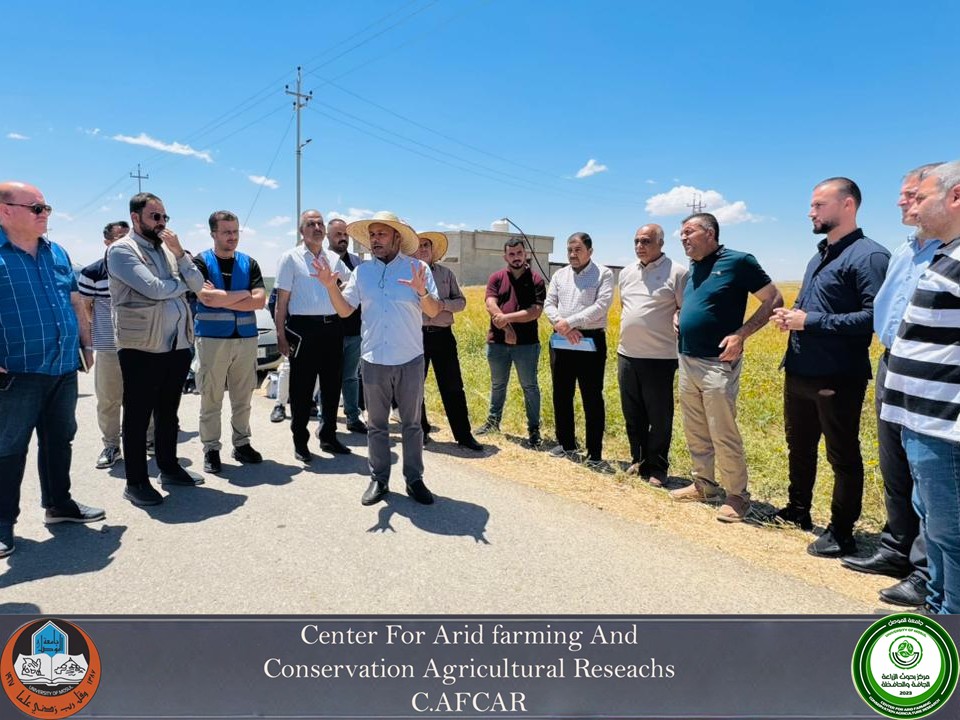 Sinjar Under the Lens of Agricultural Scientific Research: Field Tours Conducted by the Staff of the Center for Arid Farming and Conservation Agriculture Research.
Sinjar Under the Lens of Agricultural Scientific Research: Field Tours Conducted by the Staff of the Center for Arid Farming and Conservation Agriculture Research.Next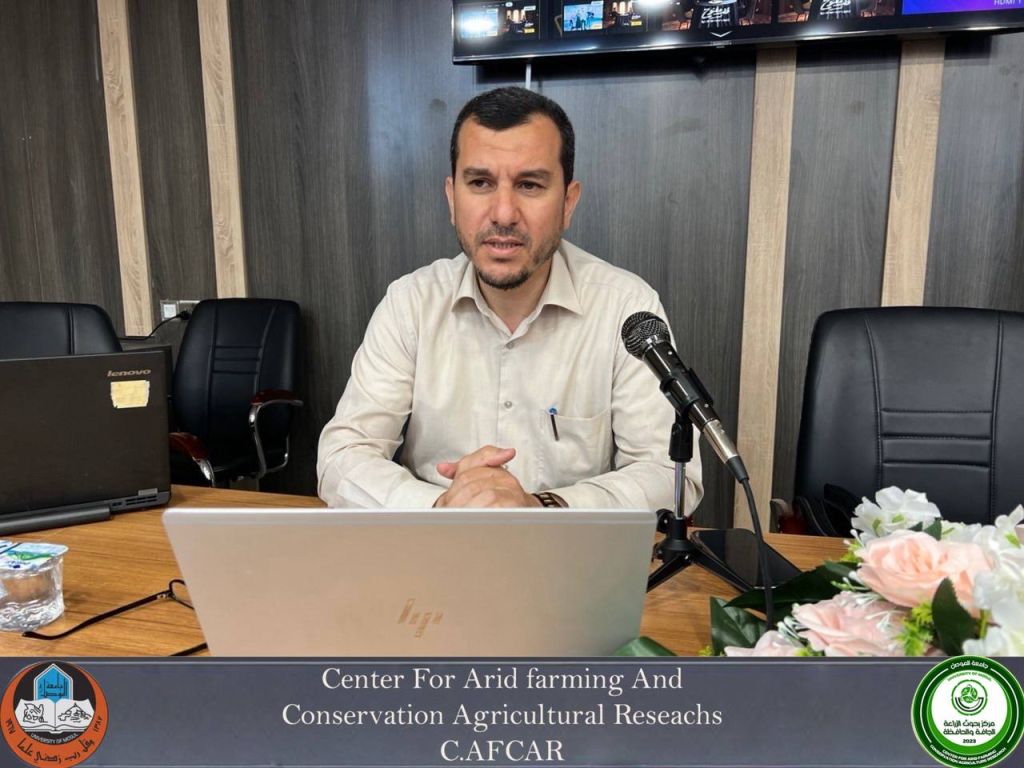 "Duties of a Muslim towards the Holy Quran" – A Workshop at the Center for Arid Farming and Conservation Agriculture Research (C.AFCAR).
"Duties of a Muslim towards the Holy Quran" – A Workshop at the Center for Arid Farming and Conservation Agriculture Research (C.AFCAR).