18 September، 2025
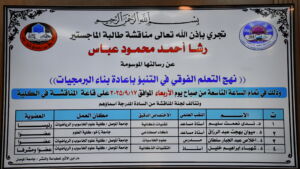
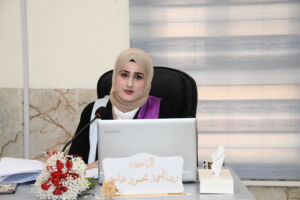
Master’s thesis by Student Rasha Ahmed Mahmood
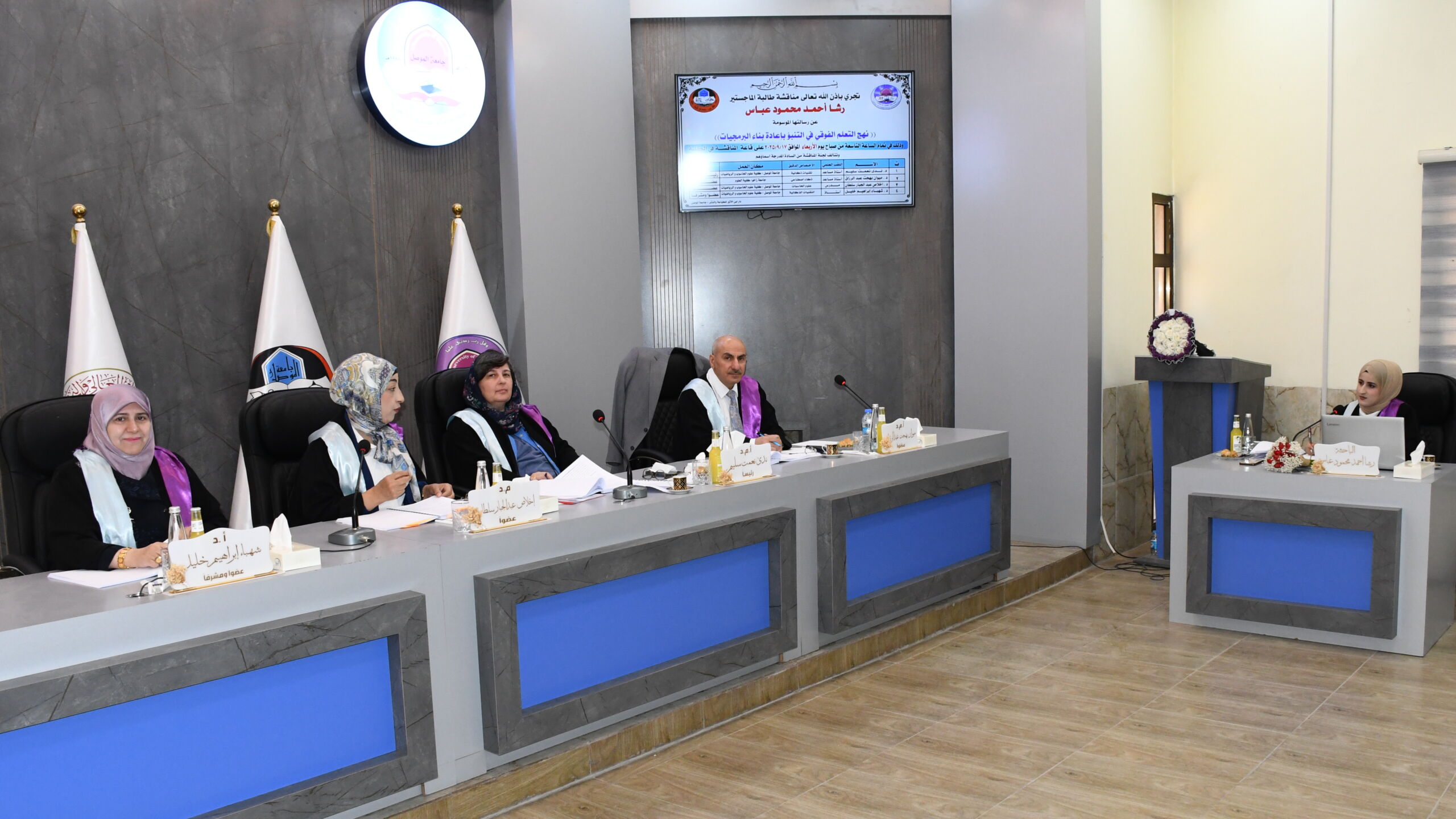
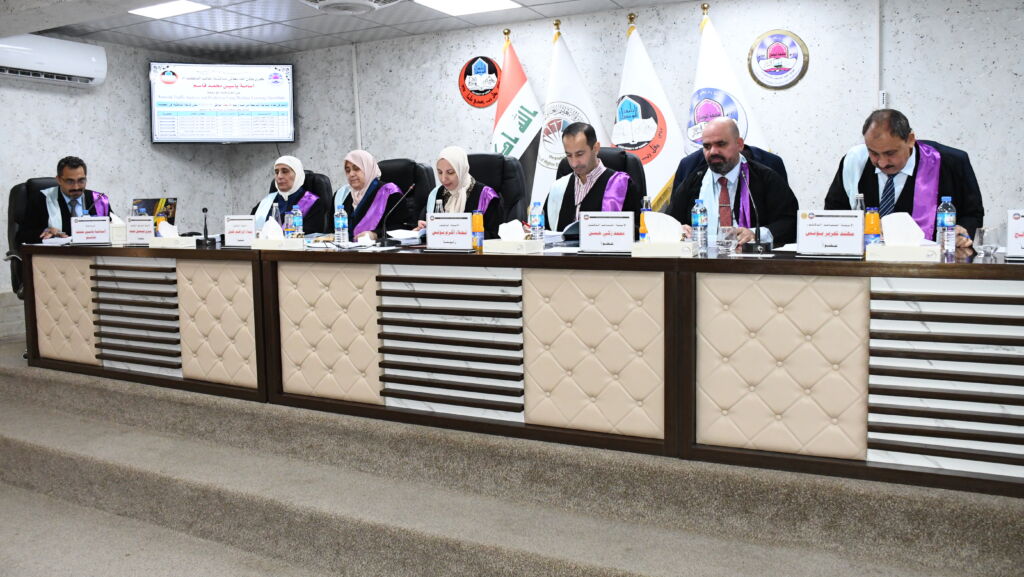
Discussion of a master’s thesis in the College of Computer Science and Mathematics – Department of Software entitled:
“A Meta-Learning Approach in Predicting Software Refactoring“
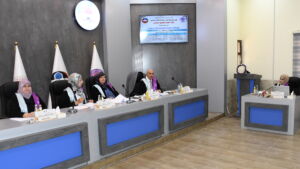
It was discussed in the discussion room at the Faculty of Computer Science and Mathematics at the University of Mosul on Wednesday, 2025/9/17.
Master’s thesis by Student Rasha Ahmed Mahmood
under the supervision of Prof.Dr. Shahbaa Ibraheem Khaleel
In this thesis, a proposed model is developed to improve the accuracy of predicting software refactorings at the class-level and method-level using meta-learning techniques. The proposed model includes two stages: the first stage aims to predict the need for refactoring using three meta-learning techniques: stacking, boosting, and few-shot learning. The second stage is used to classify the types of expected refactorings based on the predictions made in the first stage, using two models: the random forest model (RFM) and the support vector machine (SVM). The models were trained and tested using four datasets. Data was collected from open source projects and included information on code characteristics and refactoring instances. To enhance the model’s performance and improve its prediction accuracy, features that impact the model’s prediction accuracy were selected and extracted. This was done by implementing four swarm optimization algorithms: the lion optimization algorithm (LOA), the spider monkey algorithm (SMO), the negative optimization algorithm (SOA), and a proposed hybrid method (SMOA), which combines the spider monkey algorithm and the negative optimization algorithm. The results showed that the hybrid method led to better results in improving the model’s prediction accuracy, and therefore it was adopted for feature selection across datasets. Several metrics were applied to evaluate the effectiveness of the models. The results of implementing the three models achieved varying accuracies across datasets, but the few-shot learning model proved its effectiveness due to its ability to learn from limited data.
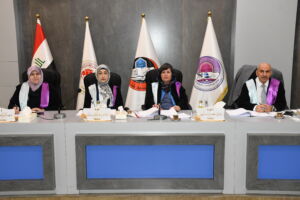
The scientific committee included the following members:
- Prof. Dr. Nada Nemat Salim.
- Prof. Dr. Maiwan Bahjat Abdul Razzaq.
- Dr. Ikhlas Abdul Jabbar Sultan.
- Dr. Shahbaa Ibraheem Khaleel.