4 December، 2025
University of Mosul – College of Political Science Presents an Analytical Vision of the Framework Agreement with Turkey on Iraqi Water Security through a Scientific Symposium that Discussed:
-
The current state of Iraqi water security and future challenges.
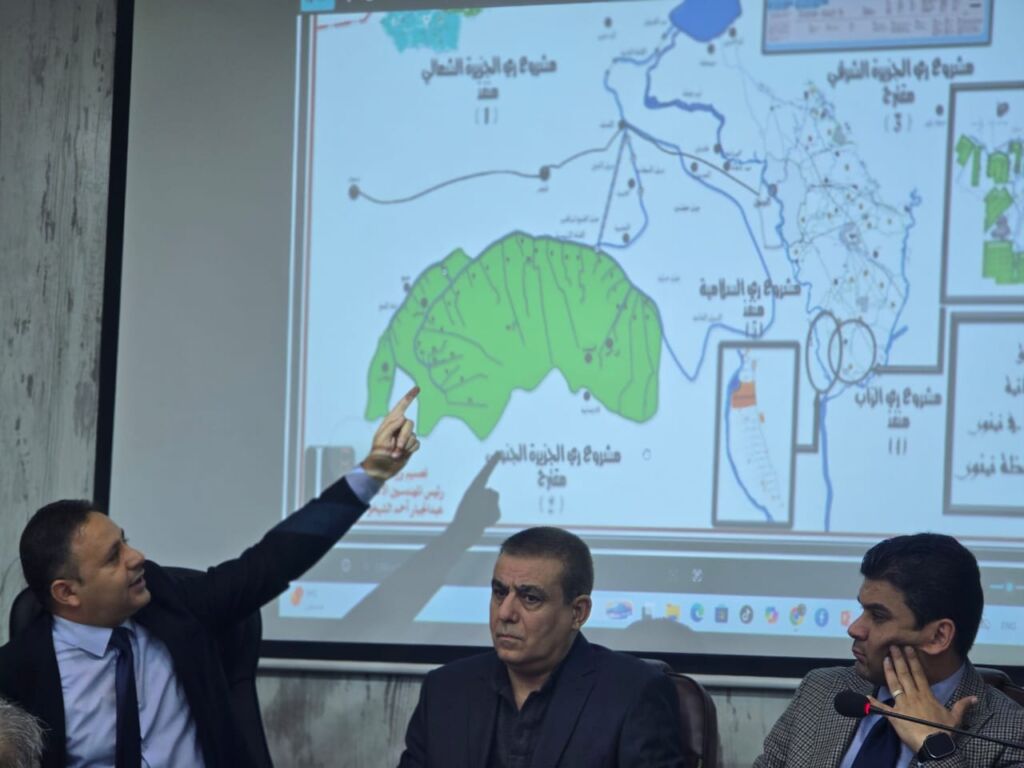
• The impact of Turkey’s GAP (Southeastern Anatolia Project) on Iraqi water resources.
• Climate change and the future of strategic irrigation projects.
• Water scarcity and rainwater harvesting solutions and sustainable alternatives.
• The legal and political frameworks for managing water relations.
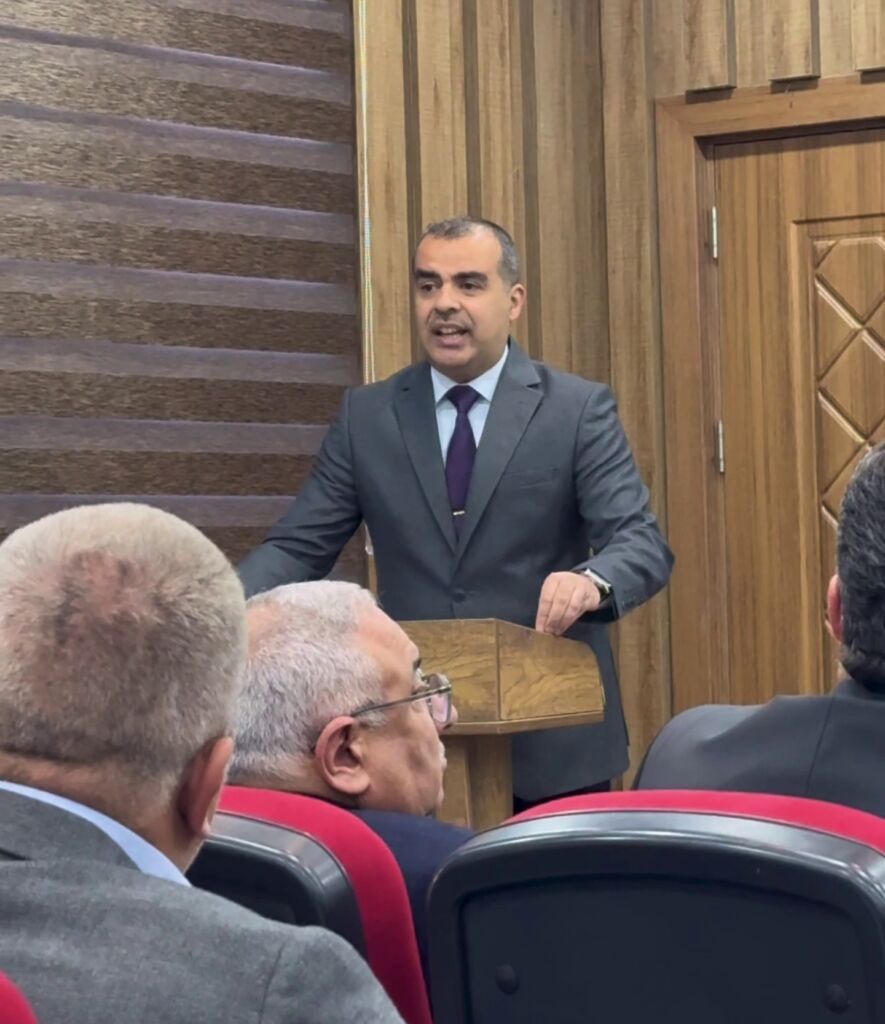
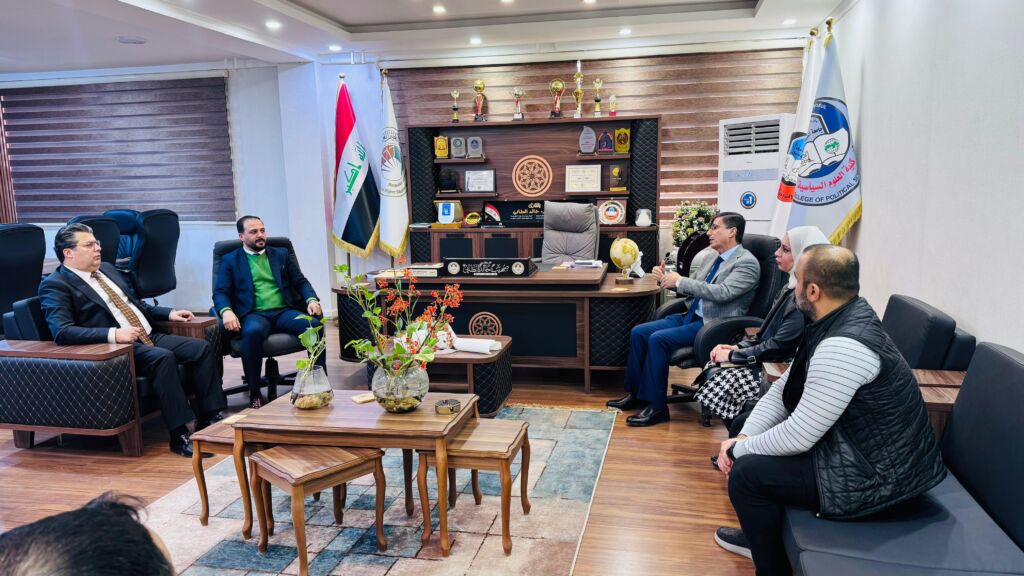
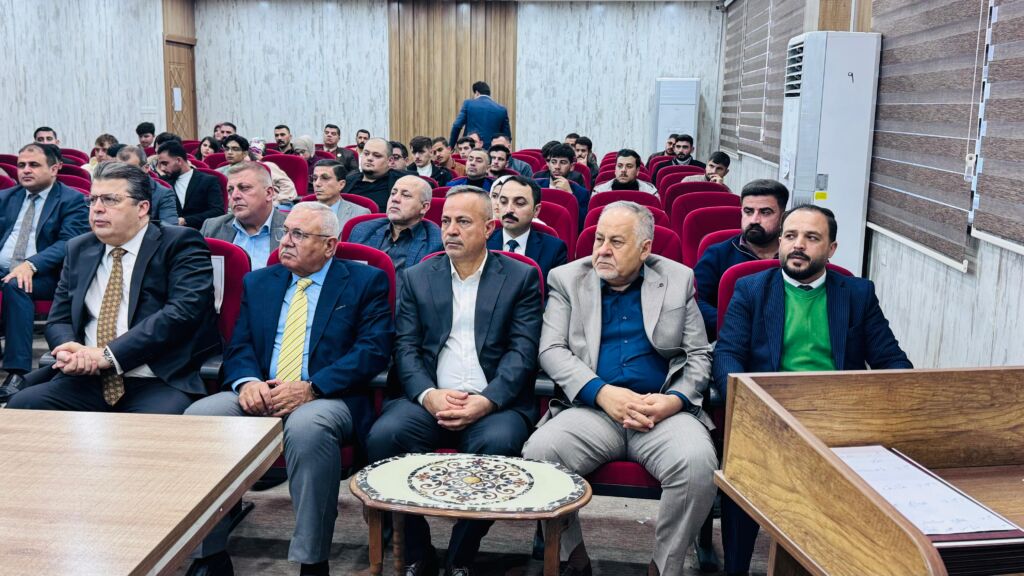
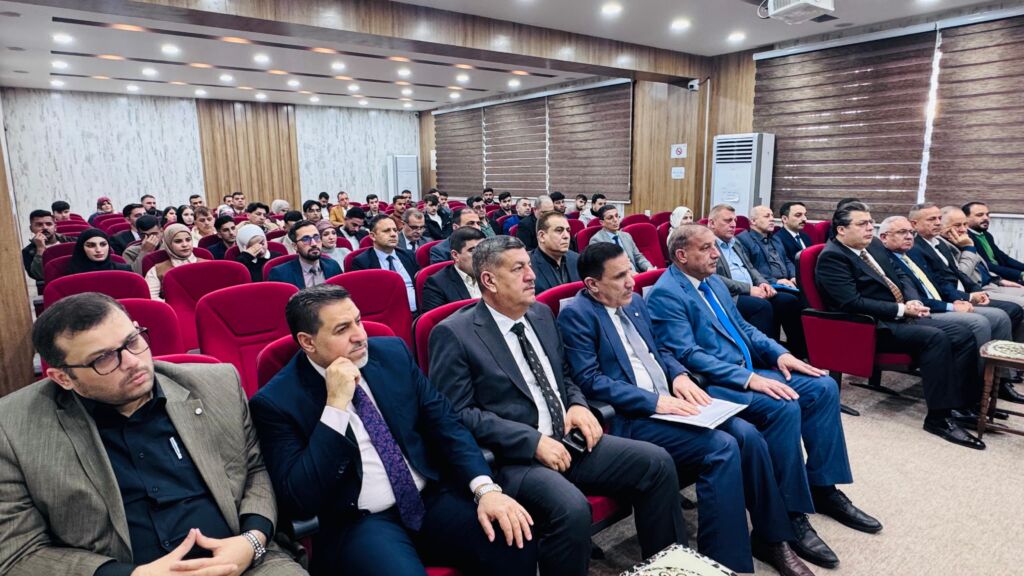
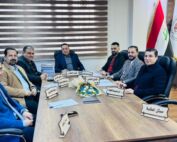
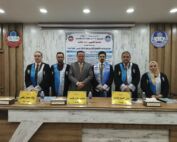
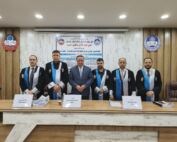
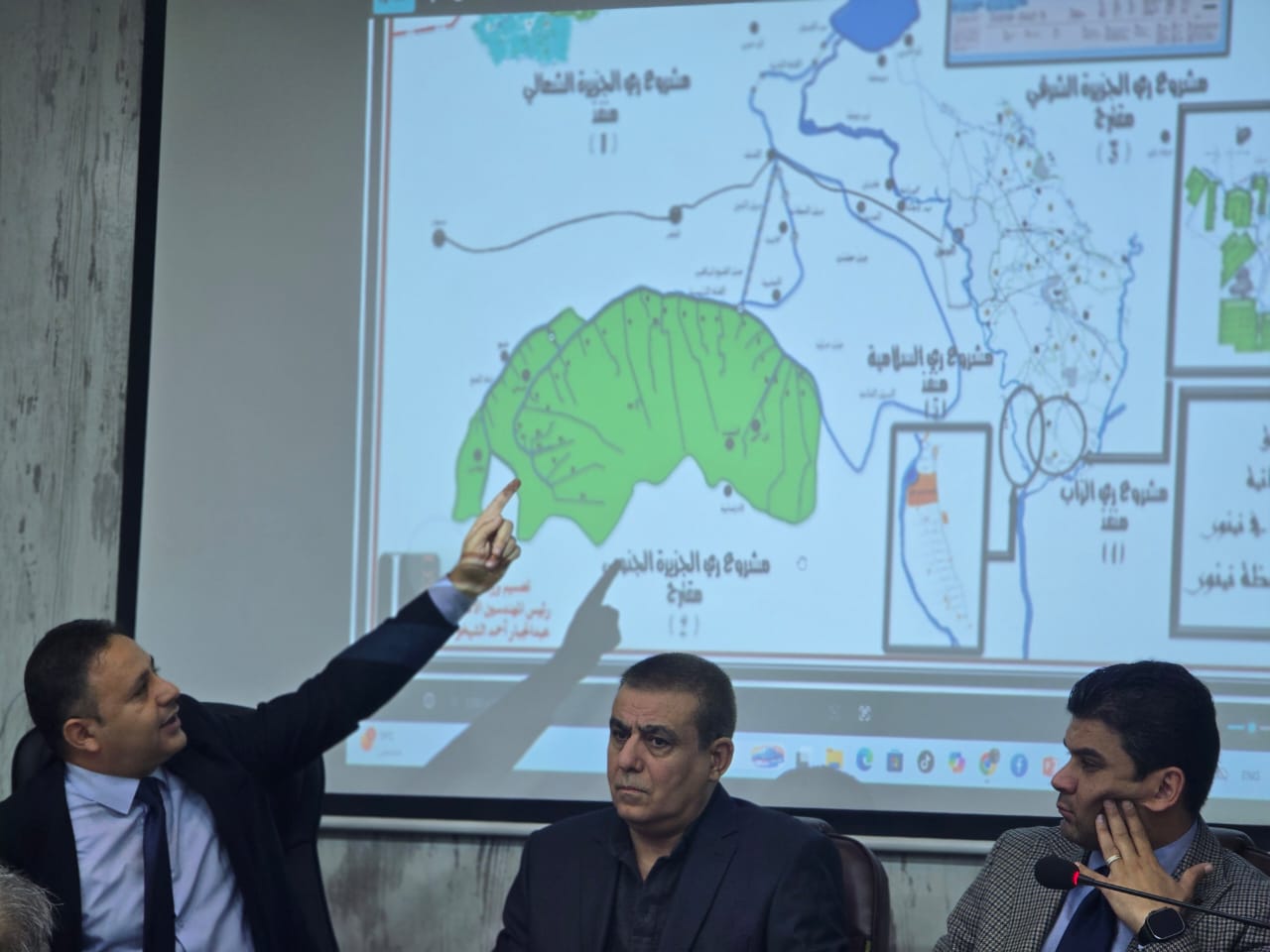
In pursuit of the Sustainable Development Goals — Goal 6: Clean Water and Sanitation, Goal 13: Climate Action, and Goal 16: Peace, Justice and Strong Institutions — and in cooperation with the Department of Studies and Planning / Sustainable Development Unit at the Presidency of the University of Mosul, and the Continuing Education Unit at the College of Political Science, and with the attendance of Member of the Iraqi Council of Representatives Mr. Bashar Hamid Al-Kikei, and the representative of the Dean of the College Prof. Dr. Waleed Salem Mohammed, the College organized, within the activities of the Industrial Advisory Council, and in cooperation with the Environment Protection and Improvement Council in Nineveh Governorate, the Department of Dams and Water Resources at the College of Engineering, and the Dams and Water Resources Research Center, the scientific symposium entitled:
“Iraqi Water Security in Light of the Framework Agreement with Turkey: An Analytical Vision,”
held on Tuesday, 2 December 2025.
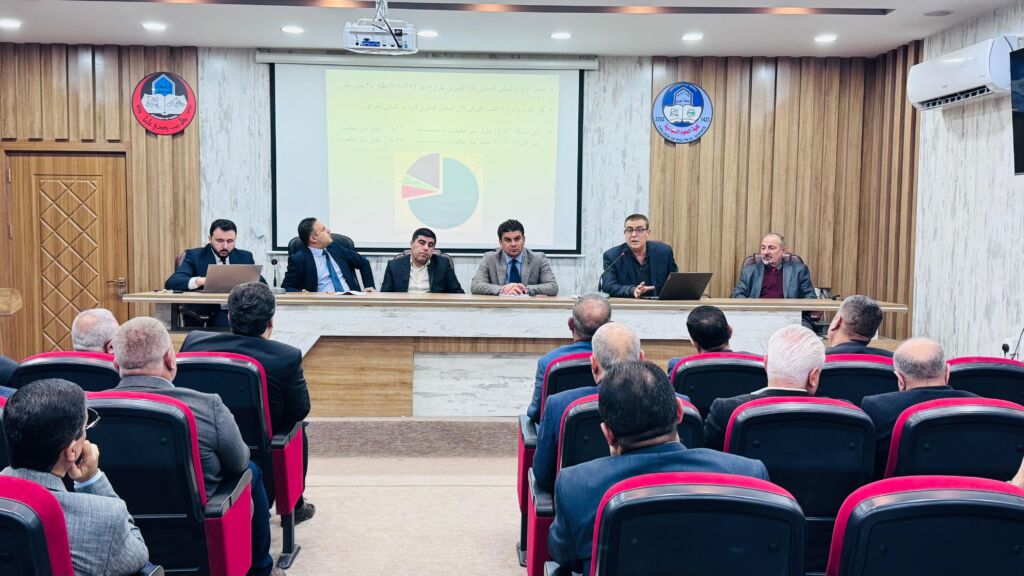
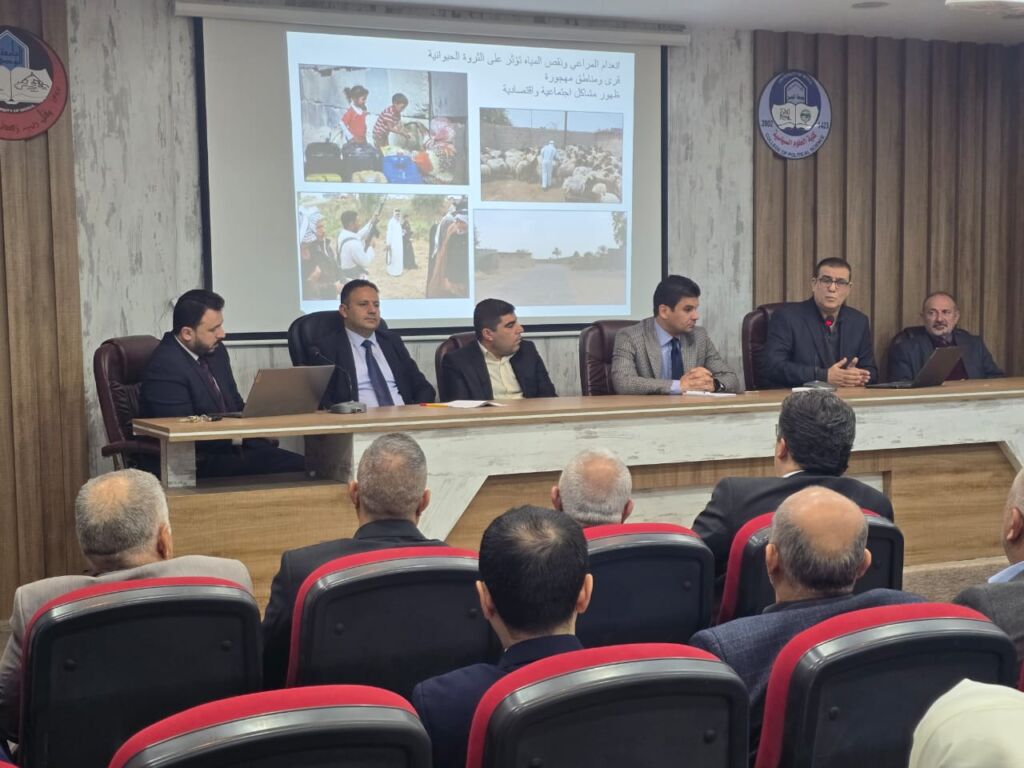
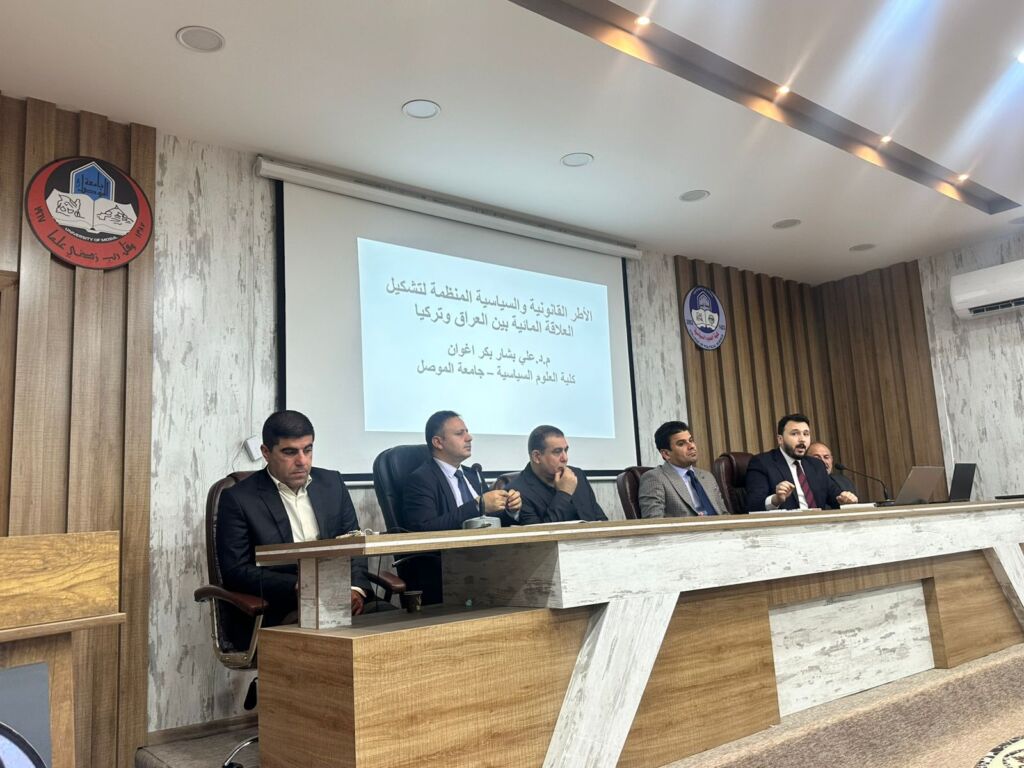
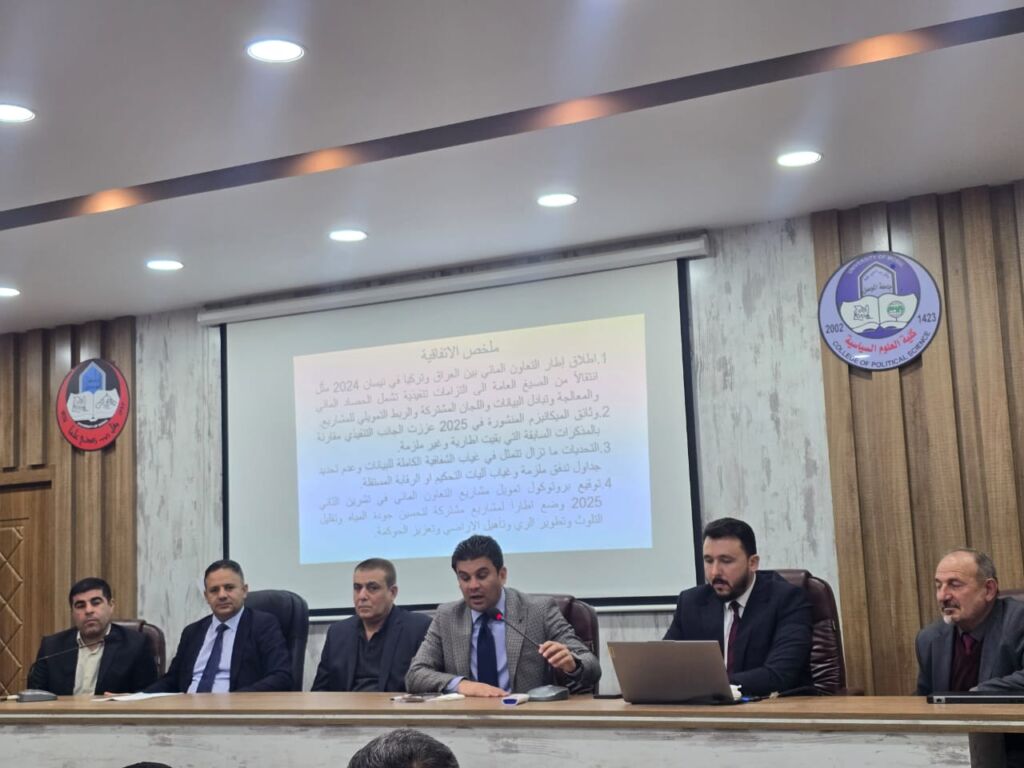
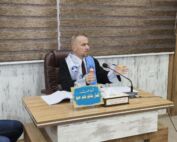
The symposium discussed topics including the reality of water security in Iraq and the future challenges it faces under the framework agreement with Turkey, particularly the environmental and hydrological impacts of Turkey’s GAP Project on Iraqi water resources. It also examined the prospects of water security and the future of strategic irrigation projects in the context of climate change, highlighted water scarcity and possible alternatives to address it — most notably rainwater harvesting techniques — and addressed the legal and political frameworks governing water relations between Iraq and Turkey and their implications for water management and achieving national water security. The presentations were delivered by Asst. Prof. Dr. Khalil Ibrahim Othman, Lect. Dr. Ihsan Faseeh Hasan, Asst. Prof. Dr. Tareq Mohammed Thunoon, Asst. Prof. Dr. Saleh Mohammed Saleh, and Lect. Dr. Ali Bashar Bakr.
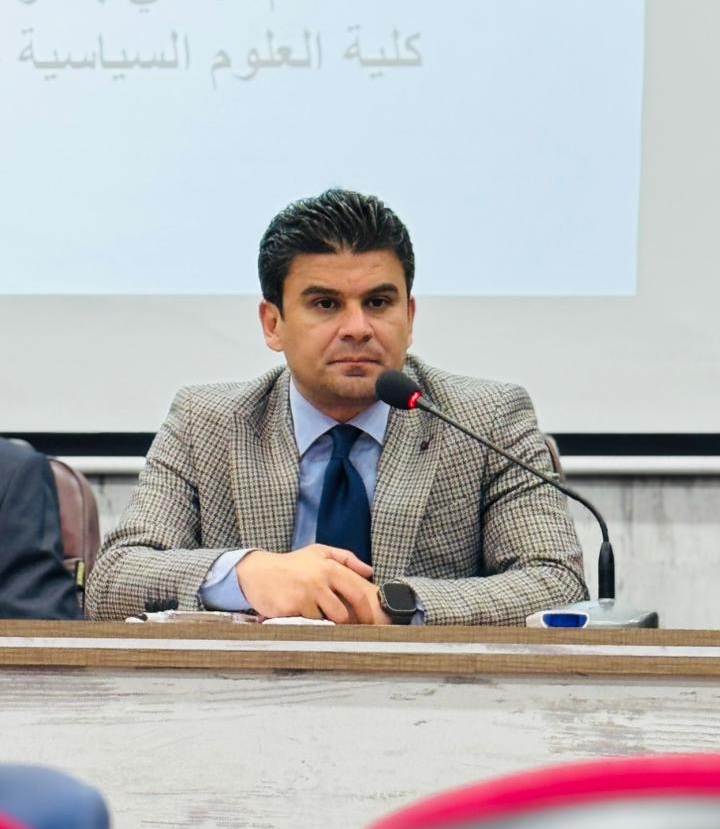
The scientific session was chaired by Lect. Dr. Firas Mohammed Elias, while the symposium was moderated by Chief Senior Engineer Hassan Younis Abdullah, Head of the Media and Government Communication Division.
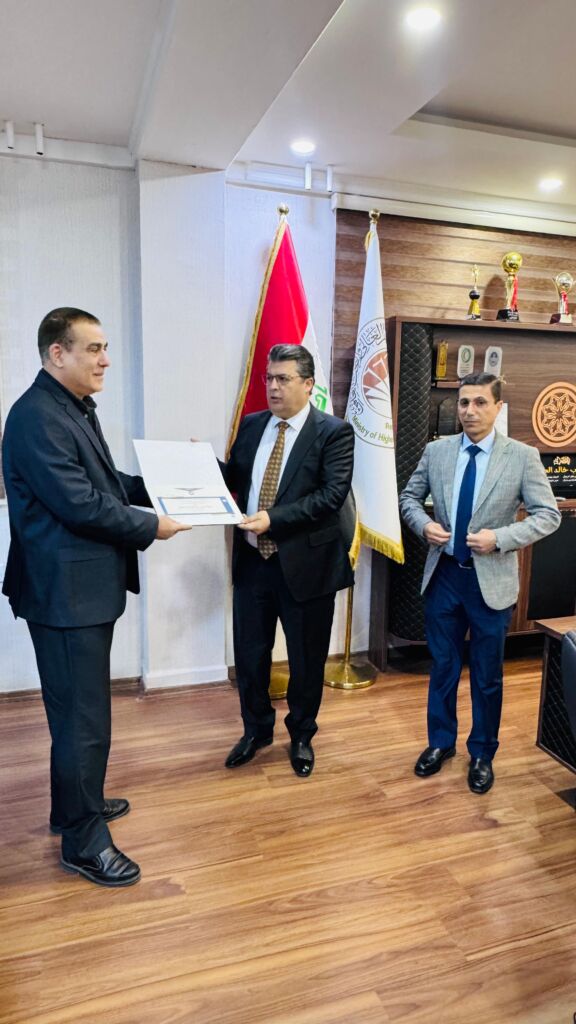
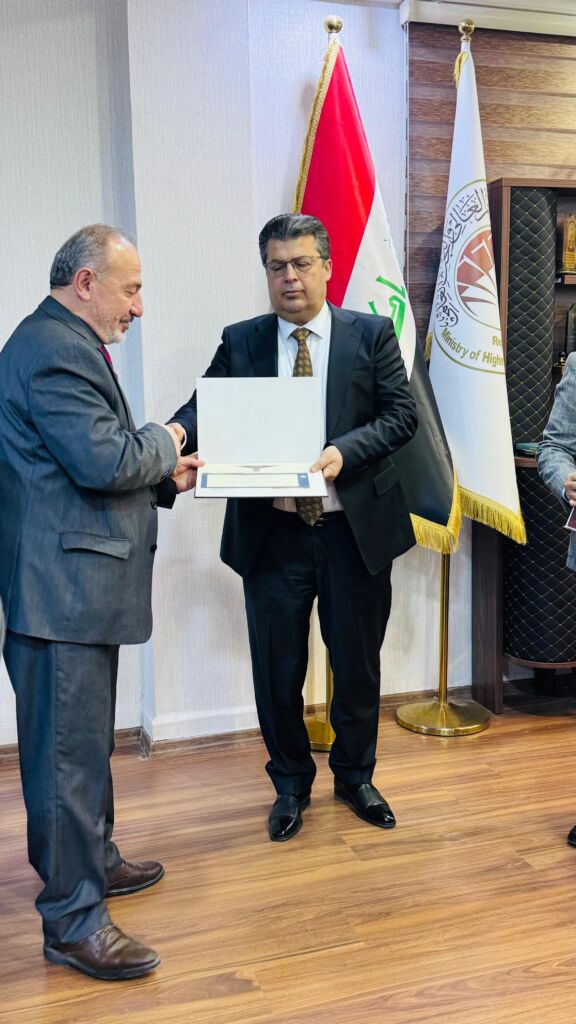
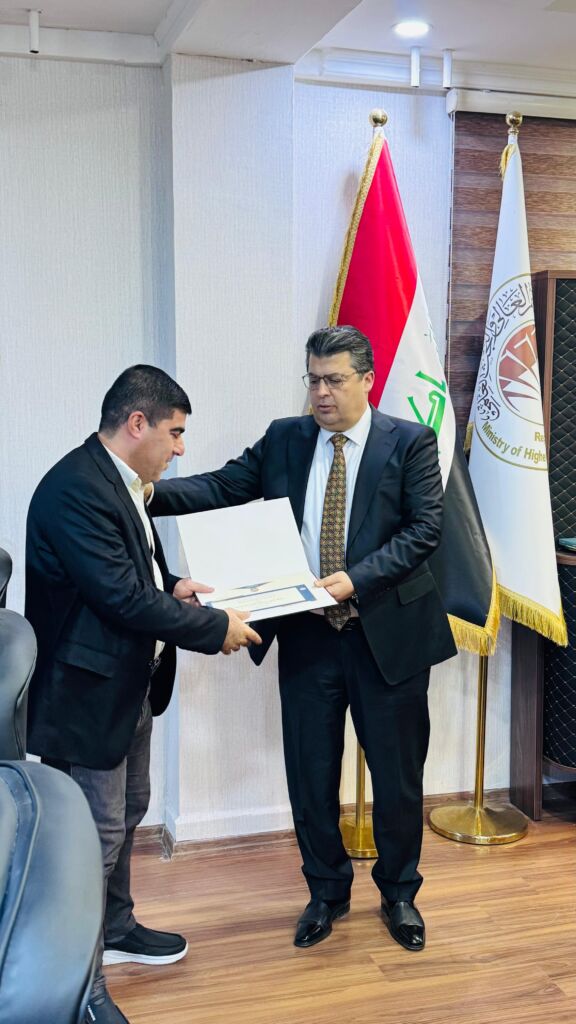
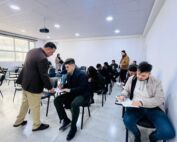
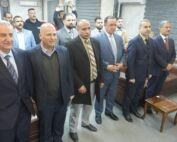
The symposium was held under the supervision of the Dean of the College and was attended by members of the College Council, the Assistant Governor for Planning Affairs Eng. Mohammed Younis Al-Jubouri, the representative of the Governorate Diwan Mr. Mustafa Khaldoun Al-Talib, a representative of the Nineveh Environment Directorate, several specialists and academics, in addition to faculty members, staff, and students of the College.