25 April، 2026
Participation of the College of Law in the Fifth International and Ninth Annual Scientific Conference at the College of Political Sciences
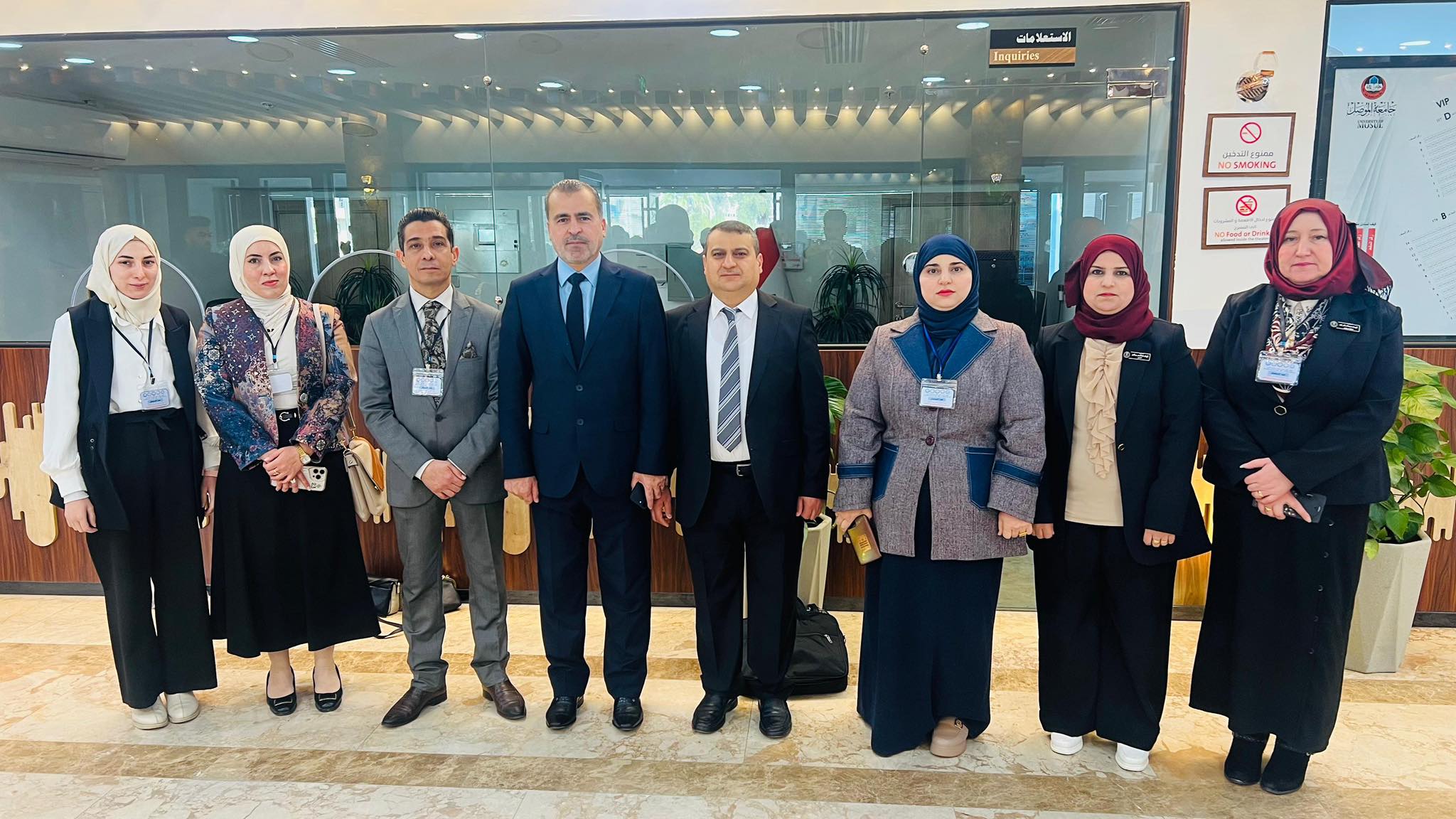
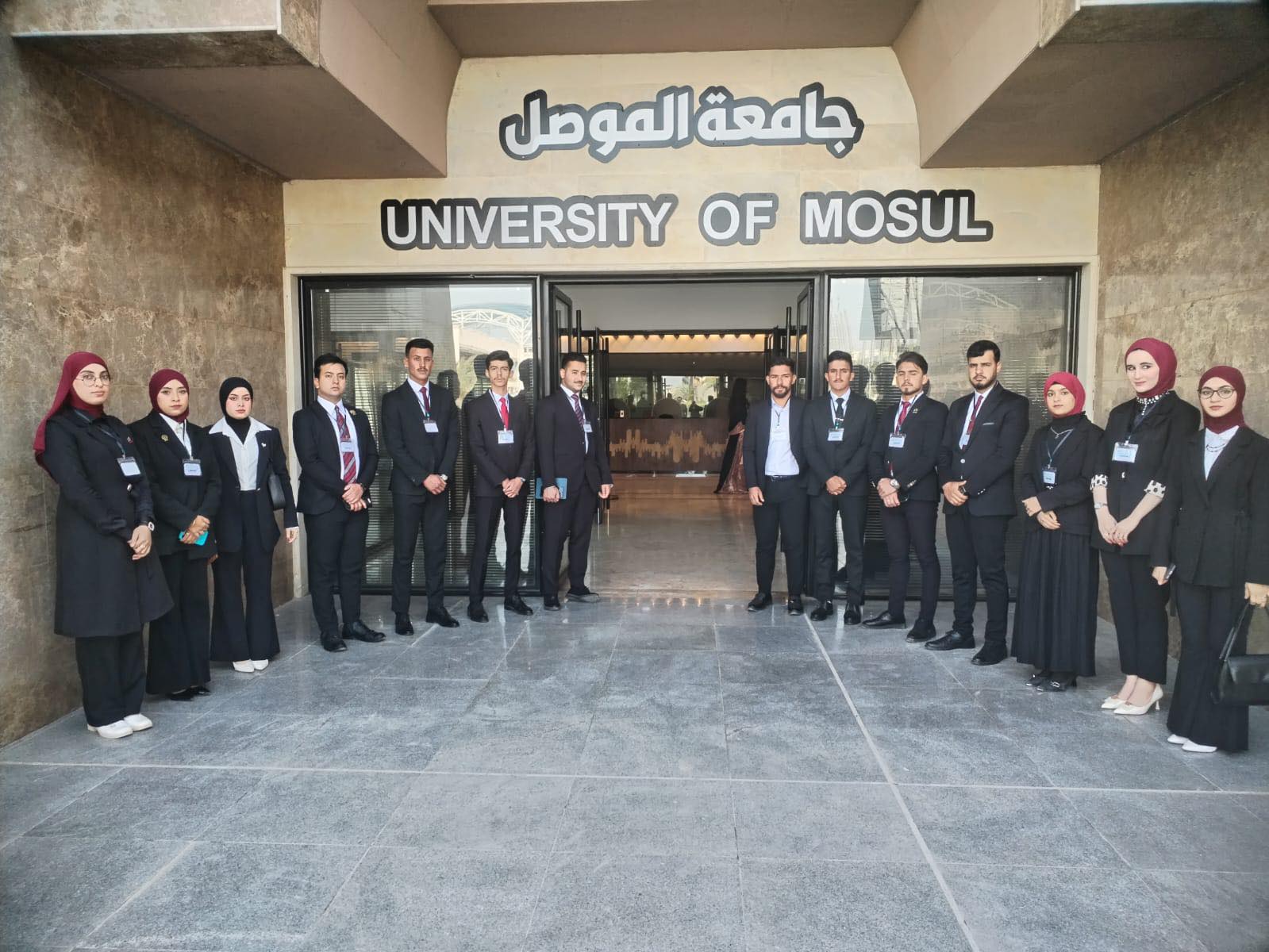
The College of Law participated on Thursday, April 16, 2026, in the proceedings of the Fifth International Scientific Conference and Ninth Annual Conference of the College of Political Sciences, titled: “The Crisis of Hyper-Technology in the Perspective of Humanities and Social Sciences: A Multidisciplinary Vision to Confront Societal Challenges.”
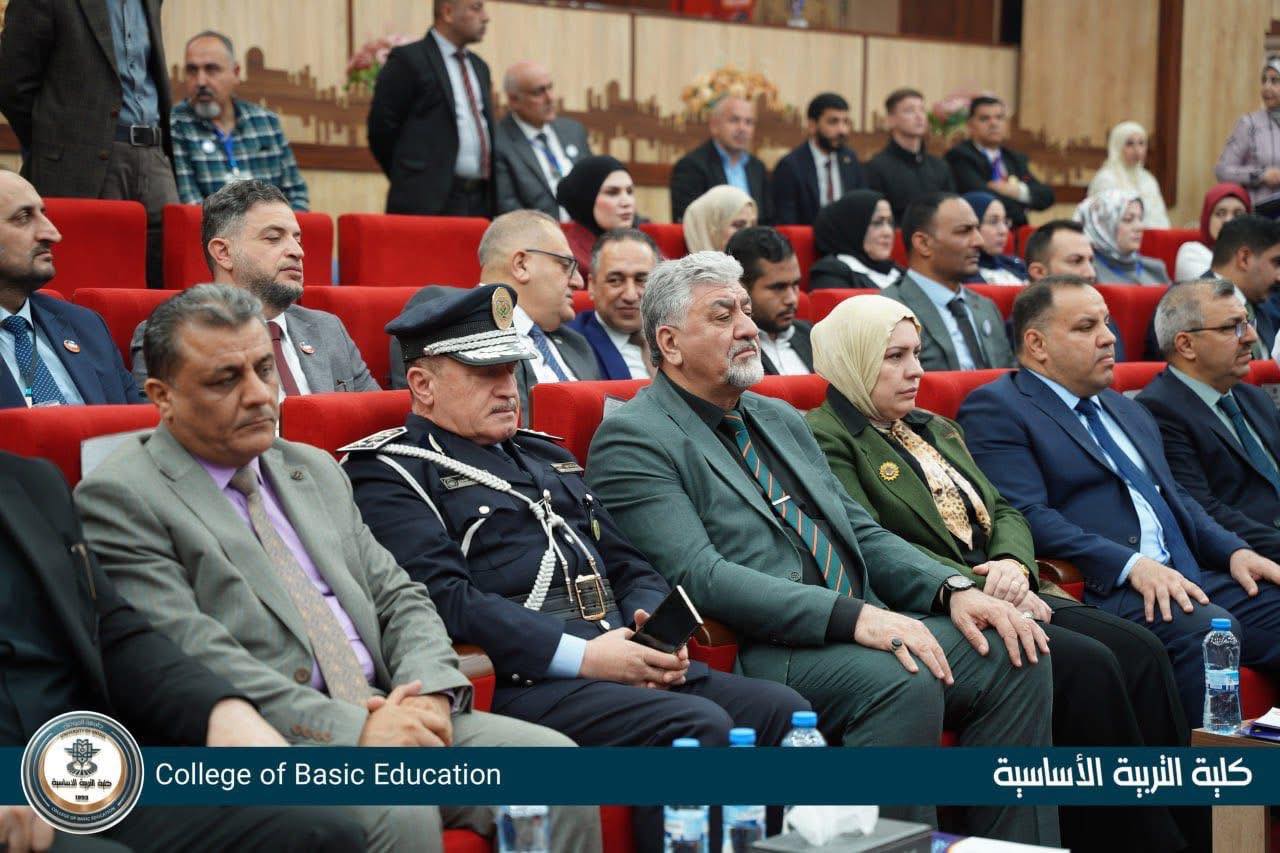
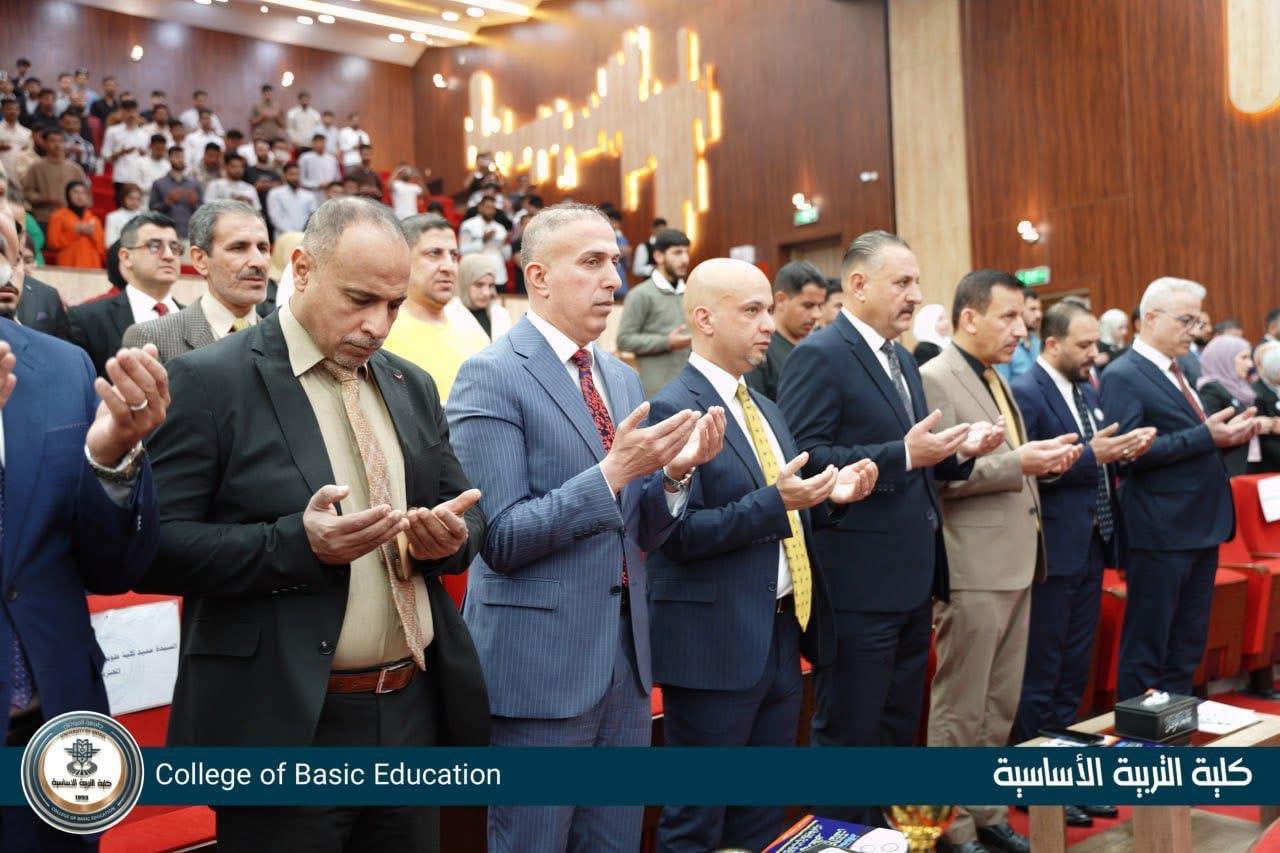
The conference proceedings were opened by Professor Dr. Abdul Rahim Ibrahim Jassim, Assistant President of the University for Scientific Affairs, in an inaugural session held in the university’s halls, attended by Assistant Professor Dr. Rifal Hassan Hamid, Assistant President of the University for Administrative Affairs, a gathering of members of the University Council, and a select group of researchers and academics who traveled from within and outside Iraq to participate in this unique scientific forum.
The philosophy of cognitive integration was embodied in this conference through a distinctive strategic partnership bringing together the College of Basic Education, the College of Law, the College of Education for Humanities, and the College of Education for Girls, forming together a robust platform for interdisciplinary academic dialogue. This constellation of humanities and social sciences colleges sought to dissect one of the most pressing dilemmas of contemporary human history, namely the “Crisis of Hyper-Technology,” as rapid developments in artificial intelligence and sweeping digitalization present the humanities with an existential test requiring multidisciplinary reading and insightful critical vision.
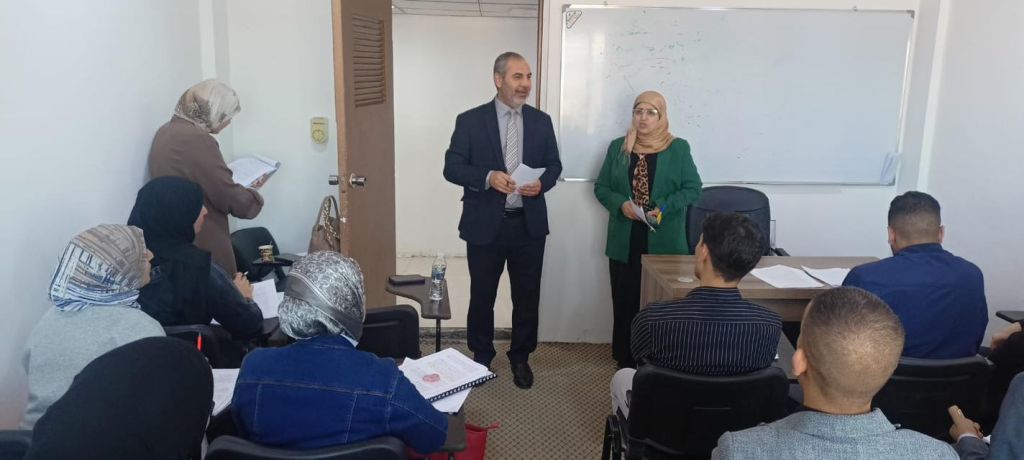
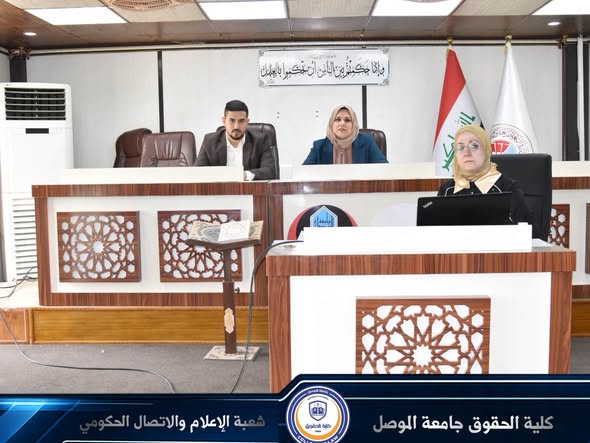
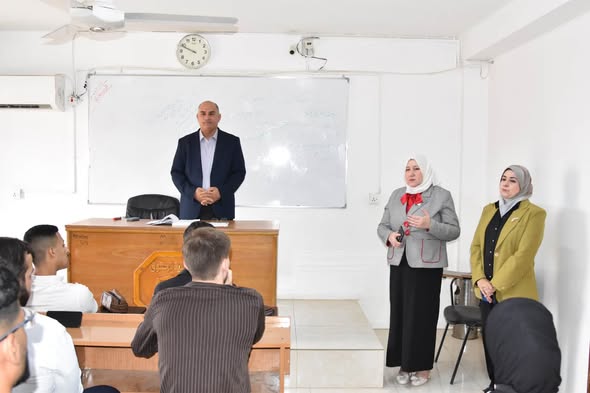
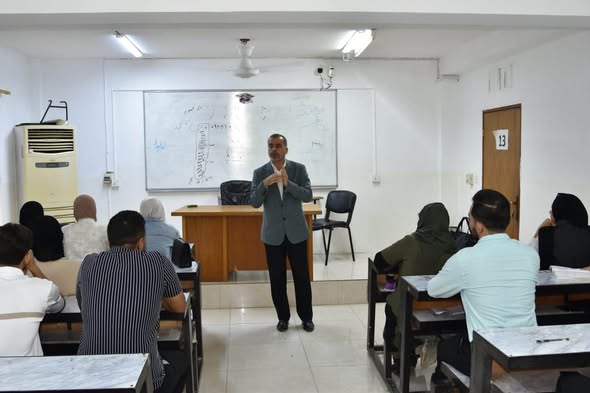
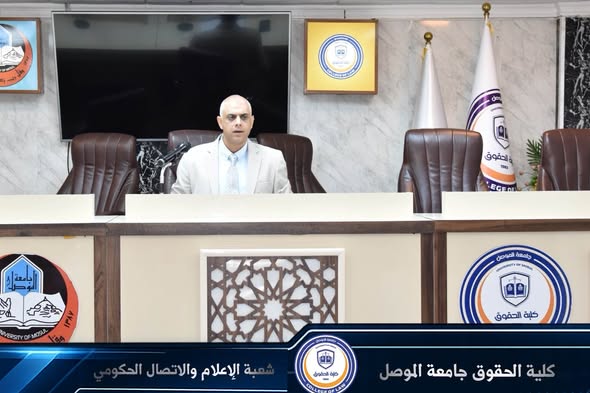
The college hosted the conference sessions for researchers from within and outside Iraq in the halls of Dr. Layla Abdullah and the Moot Court.
The convening of this conference affirms that the University of Mosul, with the scientific capital its colleges possess, continues to lead the international academic scene in addressing thorny issues, thereby dispelling the illusion of the separation of the humanities from the realities of the technological revolution, and affirming its pivotal role in shaping the questions of the future and searching for ethical and societal answers